

Project: Tides of Change – safeguarding turtles at Rekawa Beach, Sri Lanka
Project Partner: Rekawa Turtle Watch
Rekawa Turtle Watch is a community-run marine turtle conservation group which relies on income from ecotourism to operate round-the-clock beach patrols at Rekawa in Sri Lanka.
Protecting Sri Lanka’s Sea Turtles
Since 1996, local conservationists at Rekawa Beach, near Tangalle on Sri Lanka’s south coast, have been protecting marine turtles through community-led night patrols and ecotourism. When the project began, around 800 nests were recorded each year. Thanks to continuous protection, that figure has more than doubled, with over 2,000 nests recorded so far this year.
Rekawa is a small fishing village with a beautiful 2 km stretch of wild beach and a sheltered lagoon. The wide, clean sand, backed by natural coastal vegetation and minimal development, provides ideal conditions for marine turtles to come ashore and nest.
Explorers Against Extinction first supported Rekawa Turtle Watch in 2021, helping to sustain patrols during the collapse of tourism following the pandemic.
A Beach Shared by Five Turtle Species
Five of the world’s seven species of marine turtle nest at Rekawa:
-
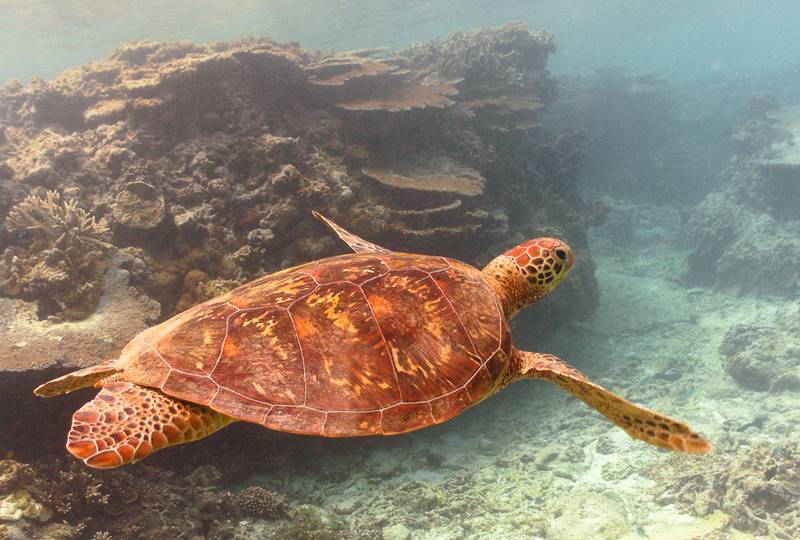
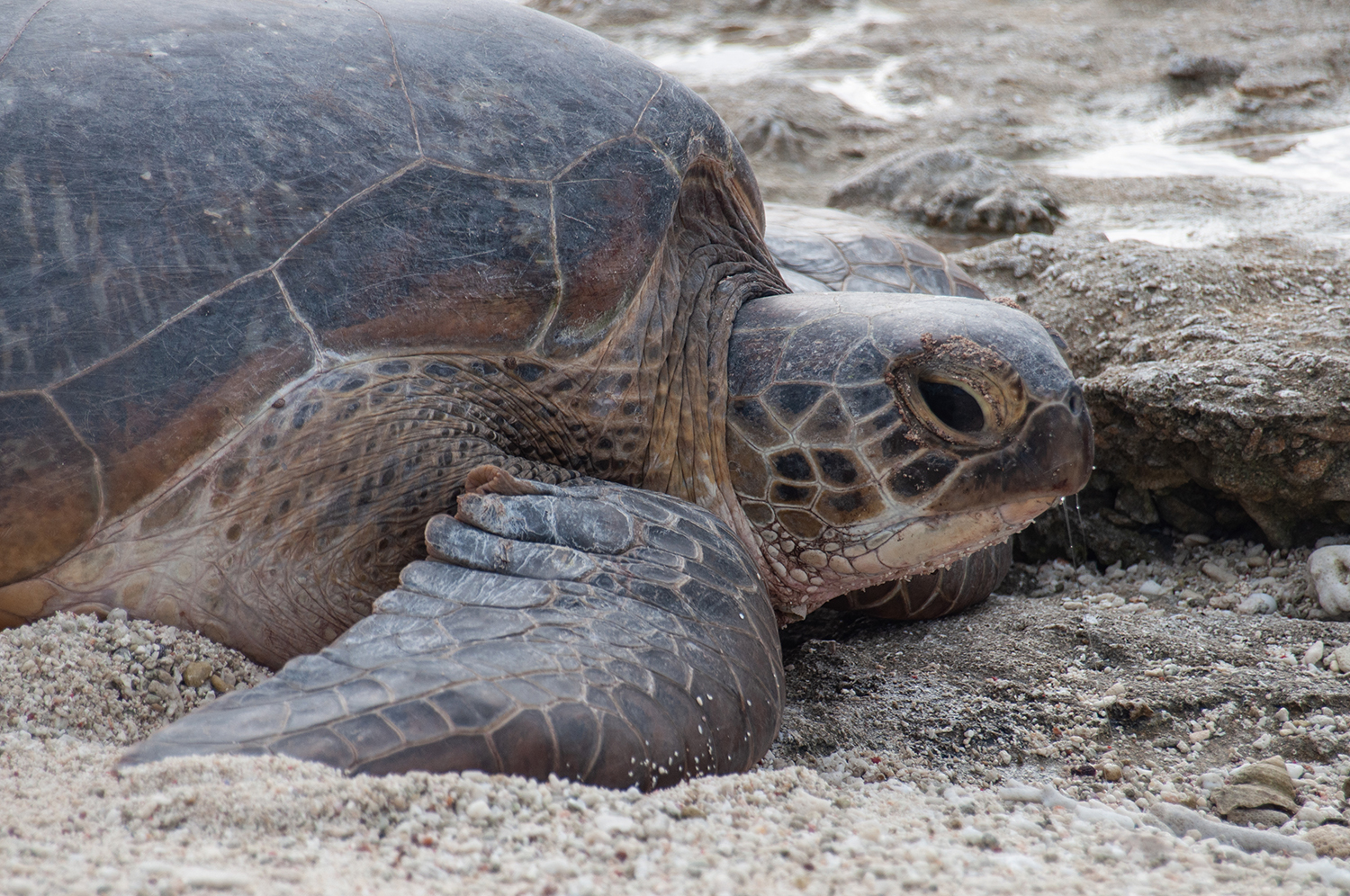
Green turtle (Chelonia mydas) – Least Concern (recently downgraded)
-
Loggerhead turtle (Caretta caretta) – Vulnerable
-
Olive Ridley turtle (Lepidochelys olivacea) – Vulnerable
-
Leatherback turtle (Dermochelys coriacea) – Vulnerable
-
Hawksbill turtle (Eretmochelys imbricata) – Critically Endangered
The vast majority of nests recorded at Rekawa belong to Green turtles, although every species that comes ashore here benefits from the protection offered by the project.
How the Project Works
Although marine turtles are protected by law in Sri Lanka, illegal egg collection and nest disturbance still occur. Rekawa Turtle Watch began by employing former egg poachers as nest protectors, transforming exploitation into conservation and providing secure local livelihoods.
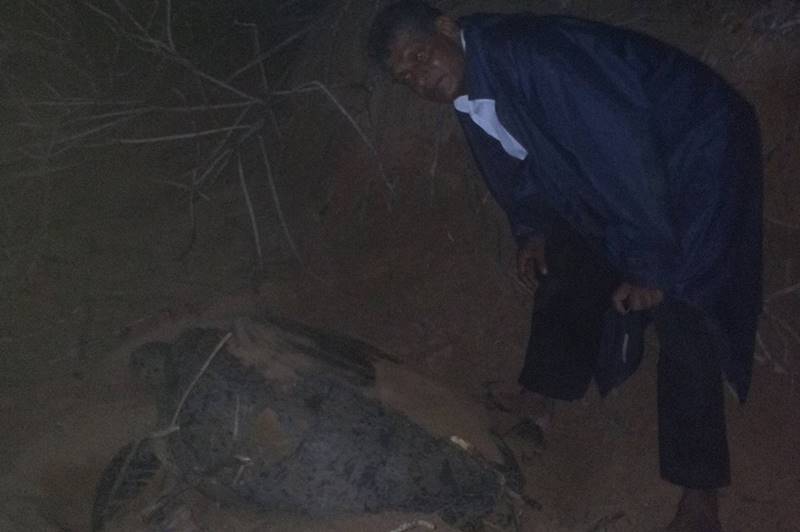
Today, 20 trained men and women patrol the beach day and night on a rota system. Certified through the Sri Lanka Tourism Development Authority, they also guide visitors on night walks to see nesting turtles under red light. A small ecotourism fee contributes to wages and beach protection efforts.
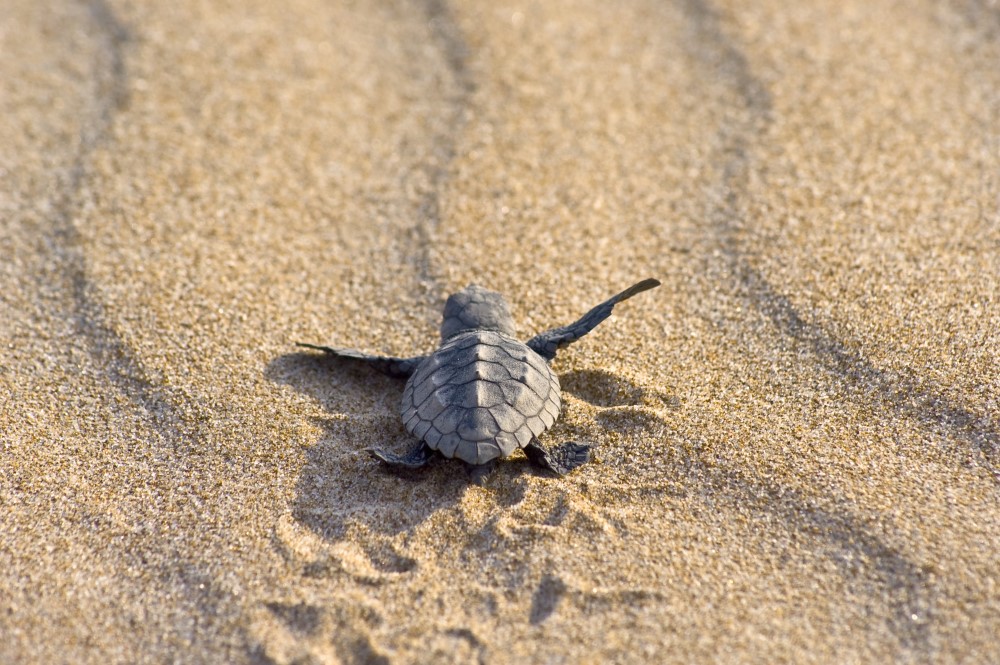
Each nesting site is secured with wire mesh to deter predators such as dogs and monitor lizards. Hatchlings are left to emerge naturally and make their way to the ocean.
For many years the project has relied on ecotourism income and small grants. However, the pandemic, Sri Lanka’s economic crisis and periods of political instability caused visitor numbers to collapse. Despite these challenges, the team has continued their patrols – and their dedication has helped drive a remarkable rise in nesting numbers, demonstrating the power of community-led conservation.
Focus for 2025: Restoring Beach Vegetation
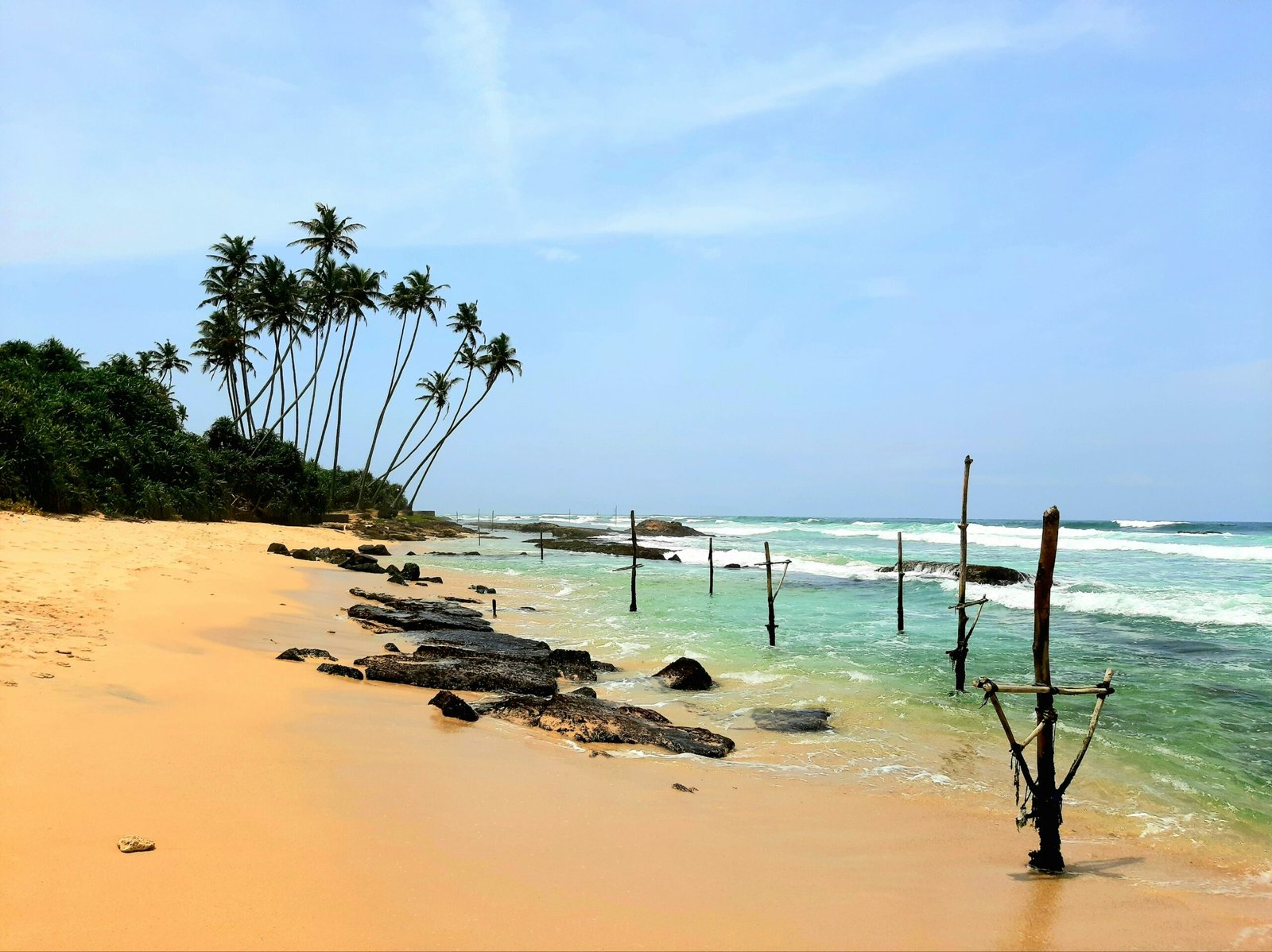
Research shows that Green turtles prefer nesting in areas with natural coastal vegetation rather than bare sand. Maintaining a healthy belt of plants along the beach is therefore critical for sustaining nesting at Rekawa.
In recent years, however, sections of vegetation have been damaged or removed by unplanned development, sand extraction, trampling and small-scale construction. In some areas the natural Pandanus and other native plants have disappeared, leaving exposed sand. These open patches increase sand temperature and erosion, reduce shade and can push turtles to nest closer to the waterline, where nests are more vulnerable to flooding and loss.
Funding will support the creation of a small community nursery in Rekawa village to grow Pandanus from seeds and saplings. Locally recruited staff will plant out the young plants along priority sections of the beach and monitor them over six months.
The goal: re-establish at least 4,000 Pandanus plants, strengthening the dune system, stabilising sand and improving long-term nesting conditions.
A Community Model Worth Saving
Rekawa Turtle Watch is a pioneering model of community-based conservation. It has transformed livelihoods, safeguarded endangered species and inspired similar initiatives across Sri Lanka.
With continued support, the team can build on nearly three decades of success, ensuring Rekawa remains a safe haven where turtles can return to nest, year after year.
Images courtesy of Rekawa Turtle Watch, Dave Currey & Anistan Watt
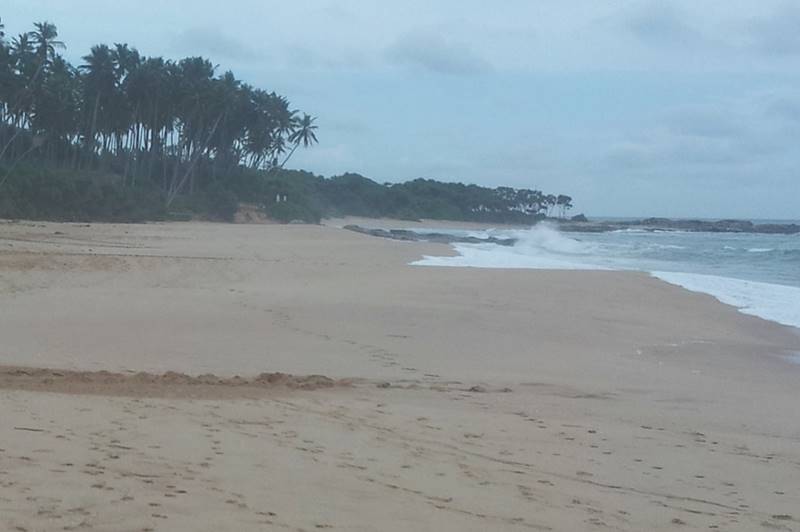
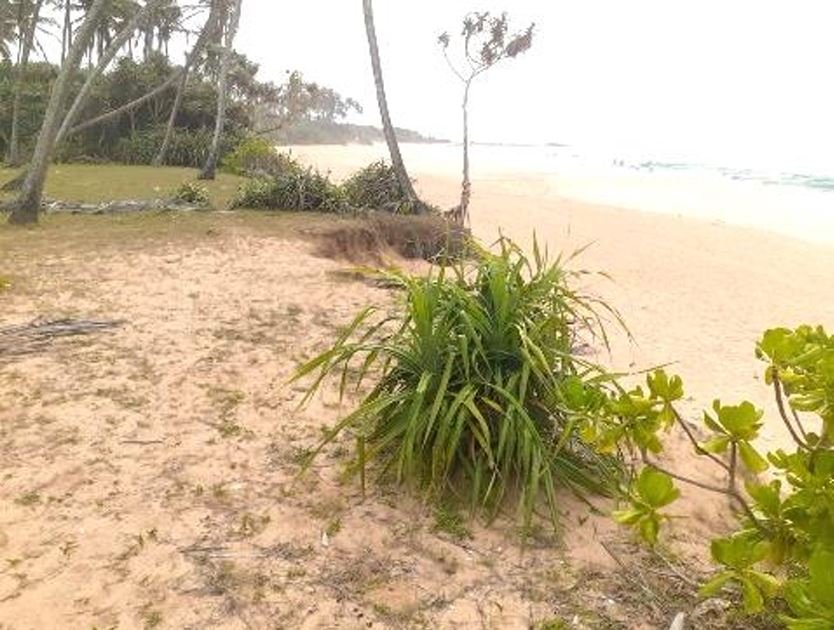
Degraded beach vegetation at Rekawa
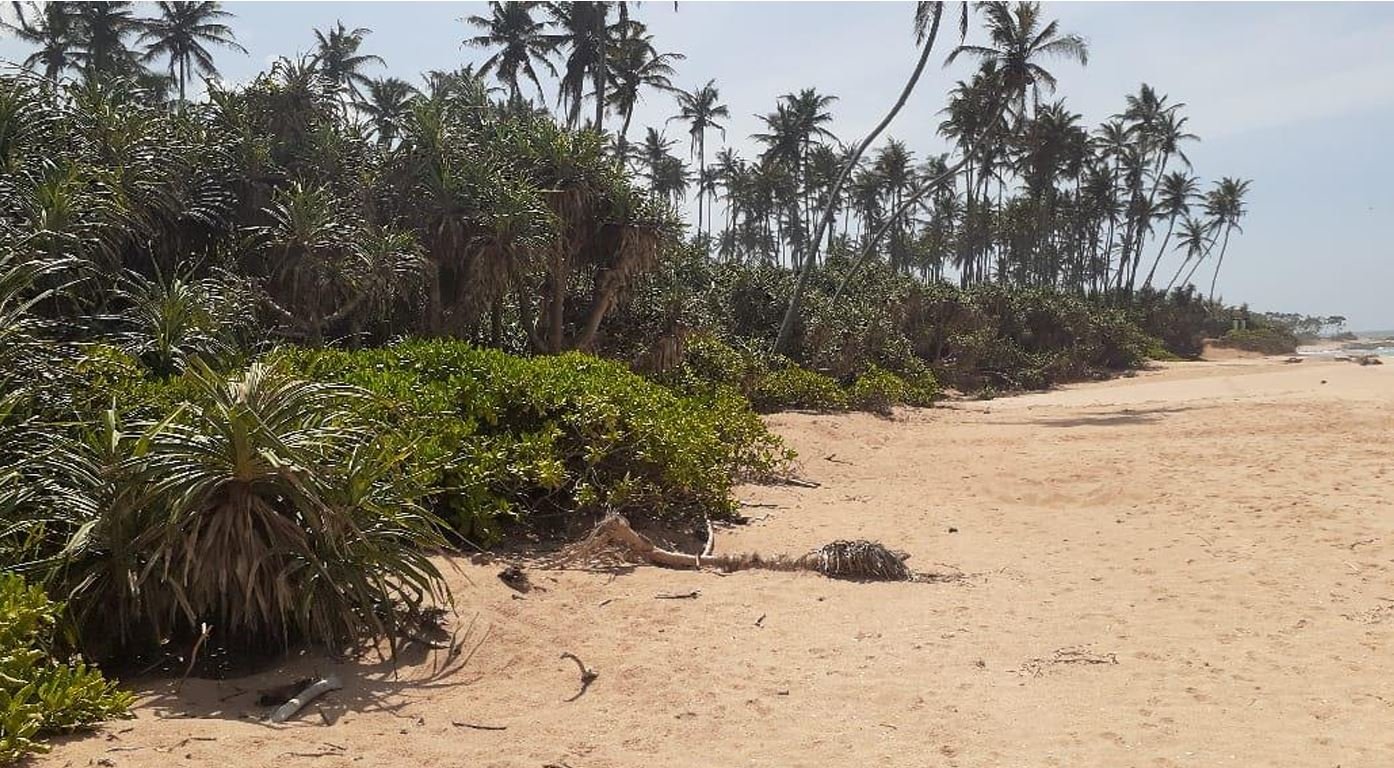
Healthy belt of beach vegetation at Rekawa