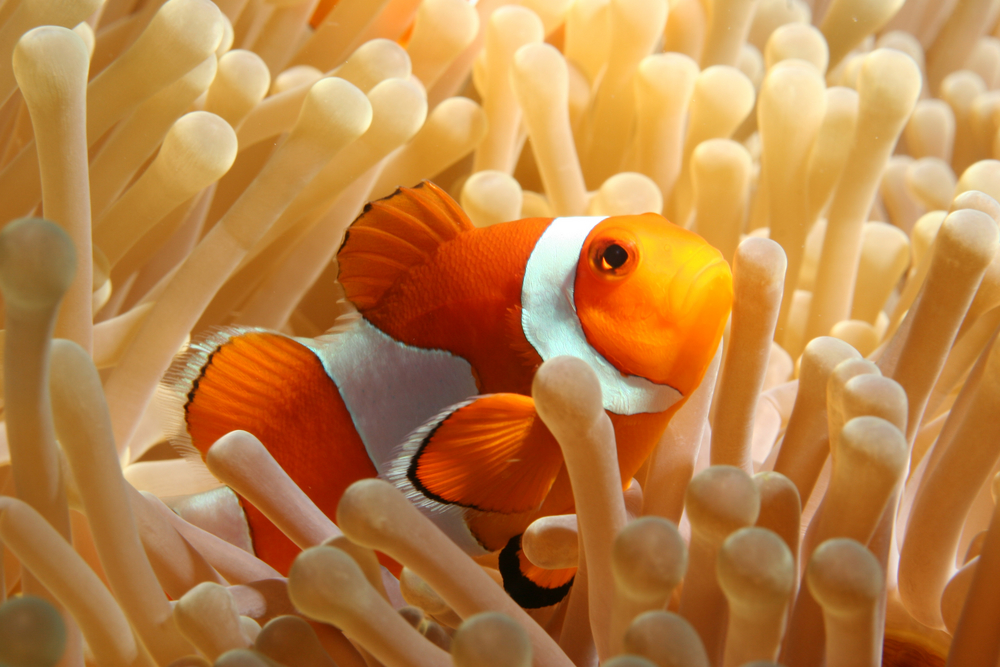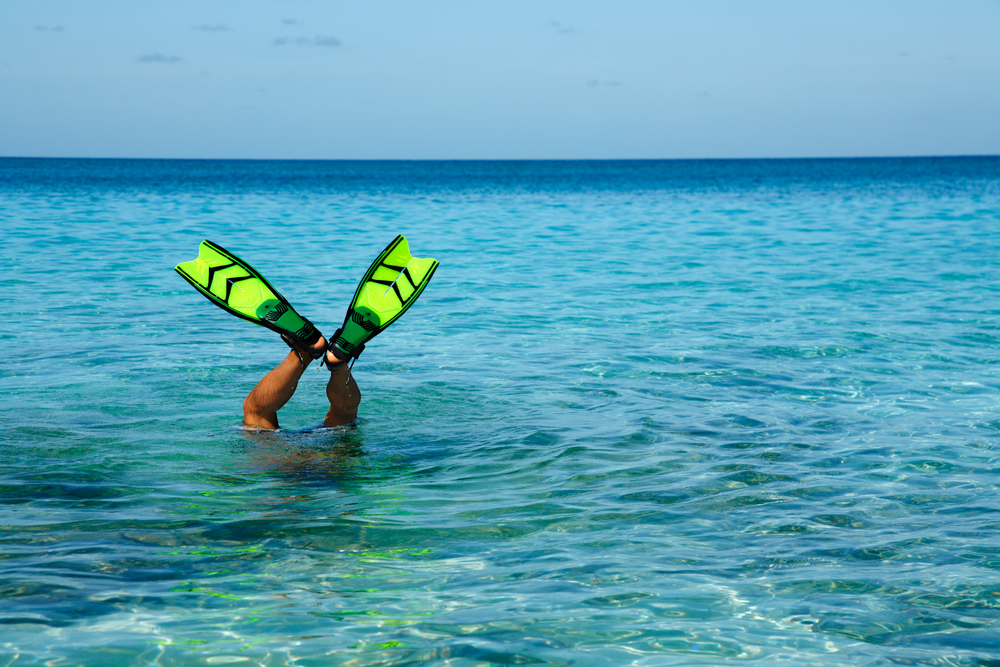
Caribbean reefs host some of the most diverse and eye-catching life on earth. Snorkeling is the best way for people of all skill levels to see these wonders of the natural world.
While reefs occupy just 0.2% of the earth’s ocean, they host 35% of all marine life. Unfortunately, these ecosystems are under the constant threat of extinction from climate change and other forces.
Tourism industries have been built around people’s love of visiting these places. All of this development means that it is often difficult to get a sense of the raw untouched beauty. Nonetheless, environmental protection efforts have preserved many.
Crystal-clear waters, biodiversity and unique geological formations are some of the reasons to visit these fast disappearing attractions. If you are a keen photographer, make sure you have a decent waterproof camera or go-pro to make the most of your trip. When you get home you will want to make the most of your incredible photos and print them out and frame them.
Whether wanting to hit the major destinations or explore undisturbed nature on a Caribbean catamaran rental, take a read through this selection of 9 of the best reefs for snorkeling.
Cayo Diablo National Park (Puerto Rico)
Cayo Diablo is relatively undisturbed by cruise ship routes and the reef is in great condition. Here you can swim with a healthy population of hawksbill and green turtles
Additionally, the elkhorn and staghorn corals are home to a variety of tropical fish. Coral lines the cliffs and rocky formations in the underwater terrain.
Carriacou (Grenadines)
Known as the “Isle of Reefs”, Carriacou is a well-known snorkeling spot among the Grenadine islands. It is the largest island and accessible as a family-friendly destination.
Along with the usual Caribbean tropical fish, a diversity of rays and turtles are found in the area. And, if you visit in the late spring, you might even hear the songs of migrating humpback whales.
Flamingo Bay (Grenada)
This quiet spot on the West coast of Grenada is part of Grenada’s Marine Protected Area.
By boat, you can moor in the shallows. 16ft (5m) deep in the shallows, the reef extends out for 820ft (250m) to a depth of up to 147ft (45m).
The bay is named after the Flamingo tongues found there. Visitors can find these and other small creatures like seahorses and arrow crabs.
Champagne Reef (Dominica)
Champagne Reef gets the name from its bubbling volcanic springs. The springs make for warm waters, a pleasure to swim through.
Towering volcanic structures are set with an array of dazzling colors. This is matched by a variety of sea life including octopuses, rays, lobsters, seahorses and tropical fish.
Trunk Bay (St. John)
Trunk Bay has been called the most beautiful beach in all the Caribbean, known for its white sands and crystal-clear waters.
A small cay 30 yards (27m) off the beach is surrounded by a coral reef. Most of it is visible from the surface. But, you can dive down and find the small ocean life.
It is well resourced to cater to visitors, but similarly highly populated. Venture off to the far ends to find some of the better exploration.
Haulover Bay (St. John)
St. John is a major tourist hotspot. To get away, head down to the less-visited Haulover Bay.
Coral, sea fans and gorgonians grow almost to the shoreline, boasting interesting formations. Parrotfish, wrasses and squid are just some of the animals that populate the biodiverse reef.
It is a great spot for snorkeling, with depths ranging 5 to 20ft (1.5 to 6m).
Bloody Bay (Little Cayman)
Little Cayman has retained a high density of coral reefs, despite overall declines in the Caribbean. The Bloody Bay Marine Park encompasses one-third of all the island’s dive spots.
The area hosts a steep underwater cliff dropping off to a depth of 1000ft (304m). It is a jaw-dropping sight.
Hawksbill turtles feast on sponges, nestled amongst the coral. You can even find nurse sharks amidst the variety of tropical fish.
Bonaire Marine Park (Bonaire)
This marine park covers 6700 acres (2700 hectares), including Bonaire and the smaller Klein Bonaire. The western coast is a snorkeling paradise.
Sea turtles are often found off 1000 Steps beach. The uninhabited Klein Bonaire is a must-see. But, be wary of the populated sites where the coral has been degraded by hurricanes and human interference.
Anse Chastanet (St. Lucia)
The reef at Anse Chastanet begins just 10-yards (9m) off the shore. Starting shallow at 5ft (1.5m), it extends out to a depth of 150ft (46m).
With almost perfect visibility, you might spot some rarer sea creatures. Puffers, octopuses, flounders and seahorses make their homes there.