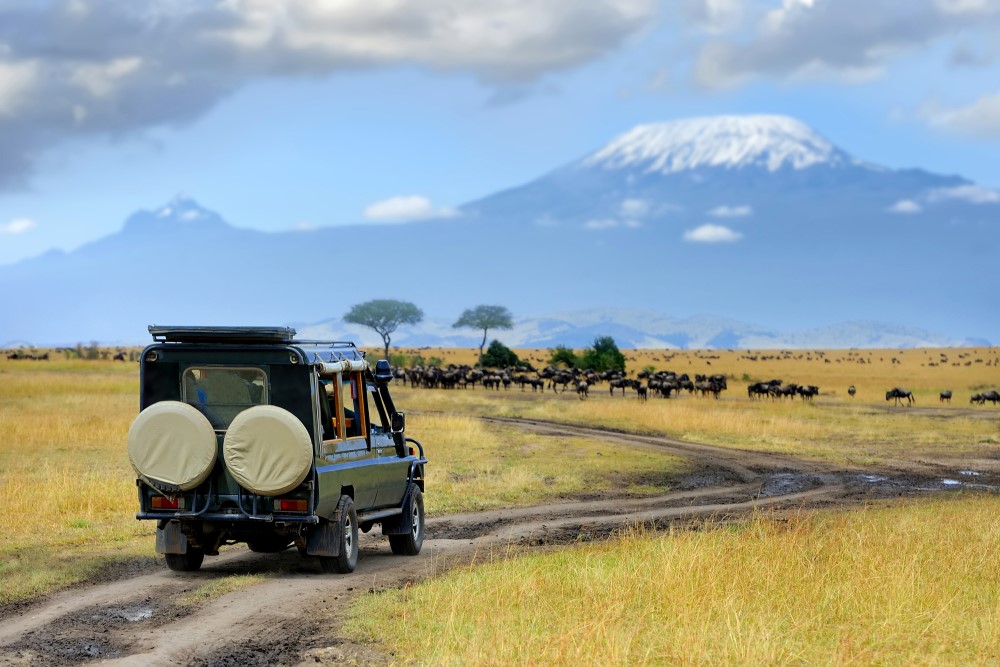
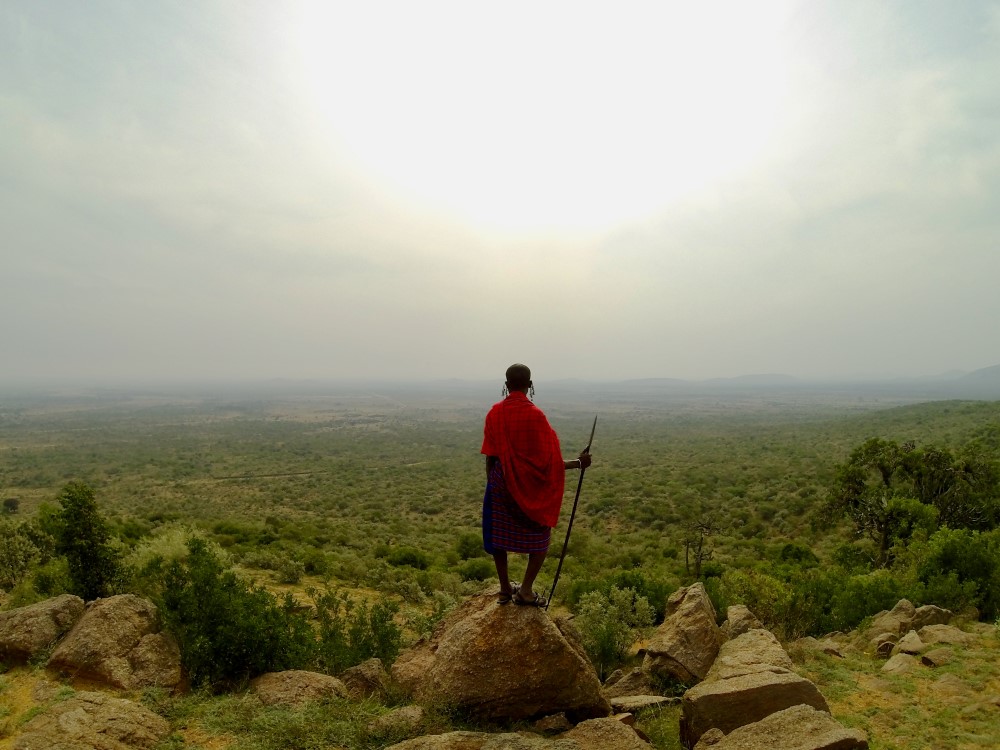
With the worldwide tours and travel opening up fast with the pandemic slowing down, international tourists are ready to explore the African nations once again.
African safaris and wildlife are one-in-a-lifetime experiences that everyone should try to do. If you are planning a wildlife adventure to Africa, it is essential to learn all about sustainable safari holidays here.
Sustainable tourism is on the rise across Africa, with a focus on eco-friendly amenities and activities that leave minimal impact on the land and wildlife. Along with the renewed interest in African safaris and wildlife, there is a growing interest in following responsible travel to encourage sustainable tourism and in doing so benefit local communities.
Here is how to encourage sustainable and resilient tourism so as to make it an enjoyable and safe experience for all, including the animals, the environment, the local communities and the planet.
Look for eco‐friendly destinations
Plan your trips to visit some incredible lodges and camps that make the most effort to cause minimal damage to the environment and who invest time and money back into the surrounding communities. A part of any income or profit generated by wildlife tourism should be spent on the local communities and improving their conditions.
So, when you stay at those lodges and camps, you do your bit for the local community and renewable projects.
Top recommendations: Grootbos Nature Reserve, Serengeti, Sayari Camp, Singita Grumeti Reserves, Mara Plains Camp
Respect the wildlife and their habitats
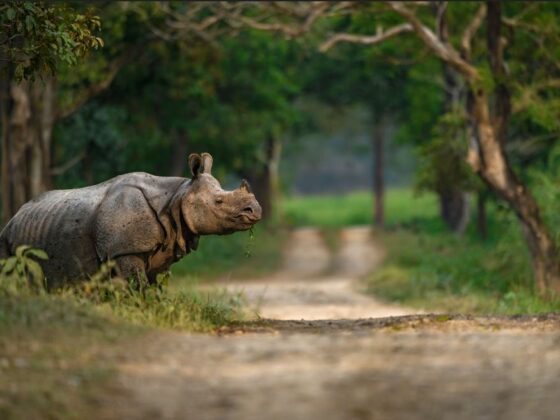
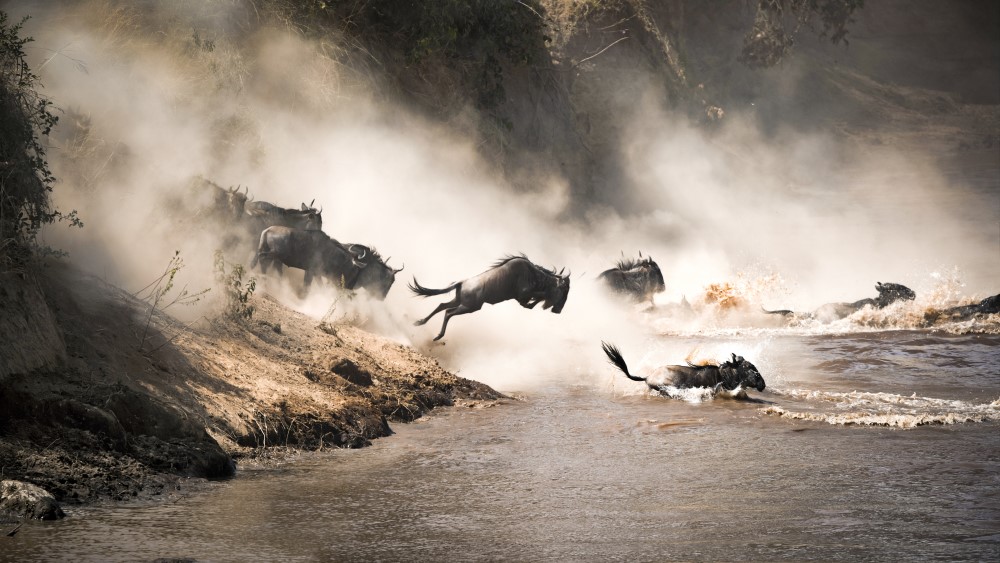
It is indeed very exciting to spot a pride of lions or watch a predator on a hunt from a distance. You must keep a safe distance to show respect for the local habitats and wildlife and follow all the rules and guidelines set by your safari leader. You will be informed about the rules to follow to protect yourself, the wildlife, and the environment. Never venture close to any animal on your own or provoke them in any way.
Top recommendations: Abide by wildlife and park rules of the conservation areas and reserves
Shop responsibly and from the locals
It is common to see tourists taking back home some souvenirs as travel memories. It is suggested to buy and make items from the locals to support the community and their families. There are endless options when it comes to unique souvenirs created by locals, such as beaded jewelry, wooden carvings, crafted objects, and more. They will bring back your memories of Africa every time you look at them. Do not purchase souvenirs made with endangered animal products, and note that they are illegal to buy.
Top recommendations: Avoid items such as coral, tortoiseshell, reptile skins, ivory and of course rhino horn as they encourage illegal activity.
Do not litter or create waste
Be conscious about what you use and leave during the African safari. No matter how small or insignificant the trash is, dispose of it properly to show respect for the local environment. There is no need to carry any items that are not needed on the safari, as you will increase the weight of your baggage and leave a footprint behind. Garbage and waste can be harmful to wildlife and must be disposed of properly.
Top recommendations: Pack only the most essential items and avoid taking any unnecessary items during the safari. Always have a separate bag for later disposal of any rubbish and take it with you.
Carry eco-friendly toiletries and use water sparingly
It is good to carry eco-friendly toiletries and biodegradable packaging when on a safari. Several properties and camps keep a supply of these products. Avoid wastage of water as it is a precious resource today on the planet.
Top recommendations: Look for safari camps that provide eco-friendly toiletries, and it is best to make good use of them during your stay. Use re-usable water bottles for the duration of your safari to avoid wastage and litter.
Maintain a proper distance
If you have planned a wildlife safari to see major primate species such as chimpanzees and mountain gorillas, you should be aware that you could possibly transmit human diseases if you get too close to them. It is highly recommended to avoid any travel if you are suffering from any illness such as cold or flu.
Top recommendations: Maintain a safe distance of about seven meters from these animals to minimize the risk of any possible transmission of human diseases.
Read up on local sustainable tourism & conservation laws
Many countries in Africa have strict laws and regulations pertaining to sustainable tourism, and a large number of safari companies aim to become environmental trendsetters and to bring more income to the local economy. Thus, the government takes a significant number of protective measures to safeguard its wildlife and habitat. It is a well-known fact that Africa’s wildlife is at risk because of poaching, and without safari tourism, many local economies would collapse.
Top recommendations: Get aware of the current sustainable tourism & conservation laws for African safaris to remain updated with the latest African policies. Support the concerted anti-poaching efforts to protect wildlife.
Pick the right safari operator
Choose your destinations, accommodation, and activities carefully as not all safari operators follow environmental and ethical principles. Make arrangements with a reputed Africa specialist who demonstrates an understanding of sustainable tourism and shows a commitment to responsible travel. The tour operator should play a role in preserving Africa’s wild habitats and creatures. Read reviews and do some research before zeroing in on one.
Top recommendations: Research before you book and read reviews and testimonials of a particular safari operator and book only when you are 100% sure of them,
Support conservation-related initiatives
Many wildlife safaris in Africa work with responsible companies who think progressively and support a number of local communities and take the initiative in conservation-related activities. With your support and monetary donations, the local conservation initiatives get a boost and encourage more and more tourists to join in the effort. The aim is to manage the ecosystem sustainably and protect its heritage and cultural resources.
Top recommendations: Some companies you can support include Rhinos Without Borders, African Bird Club, Elephants for Africa, The Maa Trust, Zambian Carnivore, Bana Ba Letsatasi, ExplorersAgainstExtinction.co.uk
While a wildlife safari is an amazing way to see the beautiful African continent, careless and irresponsible travel habits can threaten the very habitat, pose a danger to the extremely rare animal species and jeopardize the local communities.
Think about the future generations and ensure that African safari remains a popular adventure to be enjoyed for everyone in the years to come. Just follow the above-listed guidelines on how to promote sustainable tourism and promote responsible tourism. The ideas listed on this page are just some basic courtesies you should show to make your safari more enjoyable and leave a positive impact on the environment.