Camping is a fun outdoor activity. For most people, it is a way to de-stress and soak up the stunning beauty of nature. But to enjoy nature even longer, we have to do our share in protecting the environment. So, when camping in the UK, do it in such a way that you will not end up causing long-term damage and destruction to nature. Here are tips on how to camp responsibly in the UK.
- Get Rid of all Waste and Rubbish Properly
Never leave your rubbish when hiking or camping in the UK. Take your trash with you. Depending on the type of rubbish, send them to a landfill, recycle it, or compost it. Bring everything with you, including sanitary waste such as tampons and toilet paper. For human waste, use a small trowel to bury it.
If something gets broken while camping, such as tents getting ripped by storms, do not leave the debris. Bring the bits and pieces with you and dispose of them properly. Before leaving home to camp, minimise packaging to lessen the rubbish you will need to bring home at the end of your camping trip. For instance, instead of storing biscuits and other food items in a plastic bag, store them in a sealed container.
Take note that rubbish also includes food leftovers and scraps. Never leave any food items in fire pits or anywhere else on the camping site at the end of your camping trip. They are not only unsanitary to look at but will encourage animals to be habituated and look for food items in places where they shouldn’t. The last thing you want is to have stray animals lurking around the site to look for food the next time you camp in that same area.
- Check Campfires are Allowed Beforehand
Whether you’re camping during winter, or you simply want to build a campfire even in summer, check beforehand if you’re allowed to light a fire in the area you plan to pitch your tent. If you are camping in a national park, check if there are campfire restrictions and if there are any current fire bans. The last thing you want is to cause a bushfire, which can have devastating effects when it goes out of control.
It’s fun to build campfires. However, given the danger it can have on the environment, it may be a good idea to use camping stoves, which are far more sustainable and safer. But if you cannot avoid building campfires, follow the guidelines on campfire safety. First, check if campfires are allowed beforehand. Bring your own firewood since collecting wood from forests is prohibited and use a fire ring whenever possible. If there’s no fire ring in the area, use the previous fire site instead of building a new one. More importantly, keep the fire small to avoid charring trees and prevent the wind from picking up embers.
Never leave a fire unattended since it could get out of control faster. Also, avoid building it next to rock outcrops since it will leave black marks that will remain there for years. Before you leave the site, ensure the fire is put out entirely by pouring water over the area.
- Respect your Surroundings
There are some incredible places for a glamping holiday in the UK, a fantastic way to reconnect with nature and the wild. But we must always be respectful of our surroundings while out in the wild. To be responsible campers, we should avoid destroying the plants or trampling the bush and other vegetation. While it’s not avoidable, we must do our best to minimise the physical impact on the environment while enjoying nature through camping.
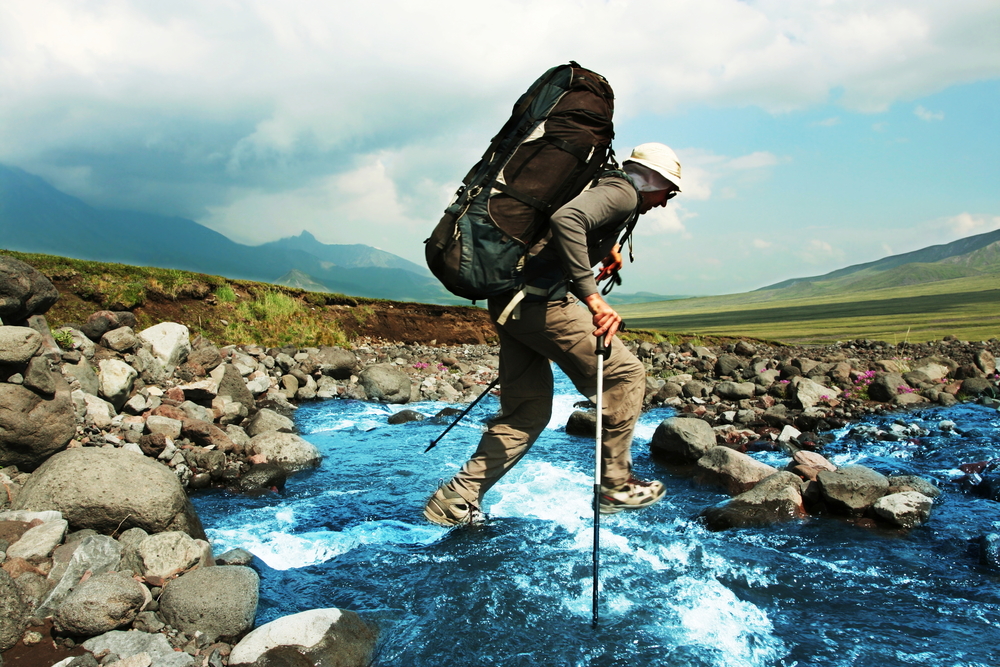
Always pitch your tent in designated areas. When wild camping, camp on harder ground. Avoid setting up your tent on soft soil or in areas with fragile vegetation. When going for a hike, stay on formed trails. If you’re hiking with a group and need to walk off the trails, try to disperse so you won’t create new tracks that don’t exist before. Never break branches off trees and avoid tying tent ropes to trees.
Respecting the environment also means protecting native wildlife. Avoid feeding or touching any animal you meet. When observing wild animals, try not to be obtrusive. Remember, you are in their natural habitat, and they could get stressed if you get too close.
- Be Considerate of Locals and Others
The reason many people camp is to destress and relax. Being outdoors means a respite from a busy life, allowing you to enjoy much-needed relaxation. When camping, all we want to hear are the swaying of the trees, birds chirping, or waves crashing on the shore. We don’t want to get distracted by the noise of other people or loud music.
Be very considerate and respectful of the locals and other campers. Sure, you want to have fun with friends or family, but try to minimise your noise. If possible, avoid playing loud music because this can disturb the locals and other campers. Loud noise can also cause disturbance to the wildlife living in the area.
Follow proper hiking etiquette when hiking, such as allowing people to pass and knowing the right of way. If you are bringing pets when camping, keep them under control so as not to cause disturbance to other people.
- Only Camp in Allocated Spots
Before you set out to camp, find out where the designated campsites are and camp only in allocated spots. If you plan to go wild camping, make sure to camp legally or pitch your tent in areas where you’re allowed to do so. You may need to ask for a permit when wild camping in certain areas, so research that in advance.
The laws on wild camping in the UK will vary. While it’s generally illegal to wild camp in Wales and England, you can ask permission from the landowner if you need to wild camp in some areas. Also, try not to camp too close to people’s houses or public roads. The general rule for wild camping in the UK is to ask permission from the landowner before pitching your tent.