In the heart of Central India lies Pench Tiger Reserve, a landscape of teak, mahua and tendu forest, rolling hills, and winding rivers. Though perhaps less well-known than Bandhavgarh or Kanha, Pench offers a rewarding safari experience, and it was here, in the intense heat of late April, that I spent two nights exploring the park.
Getting There
Reaching Pench is relatively straightforward, though it does require an early start. I left my Delhi hotel at 4:30am for a 1.5-hour flight to Nagpur, a large, industrial city famous for its oranges, and for the ferocity of its summer heat.
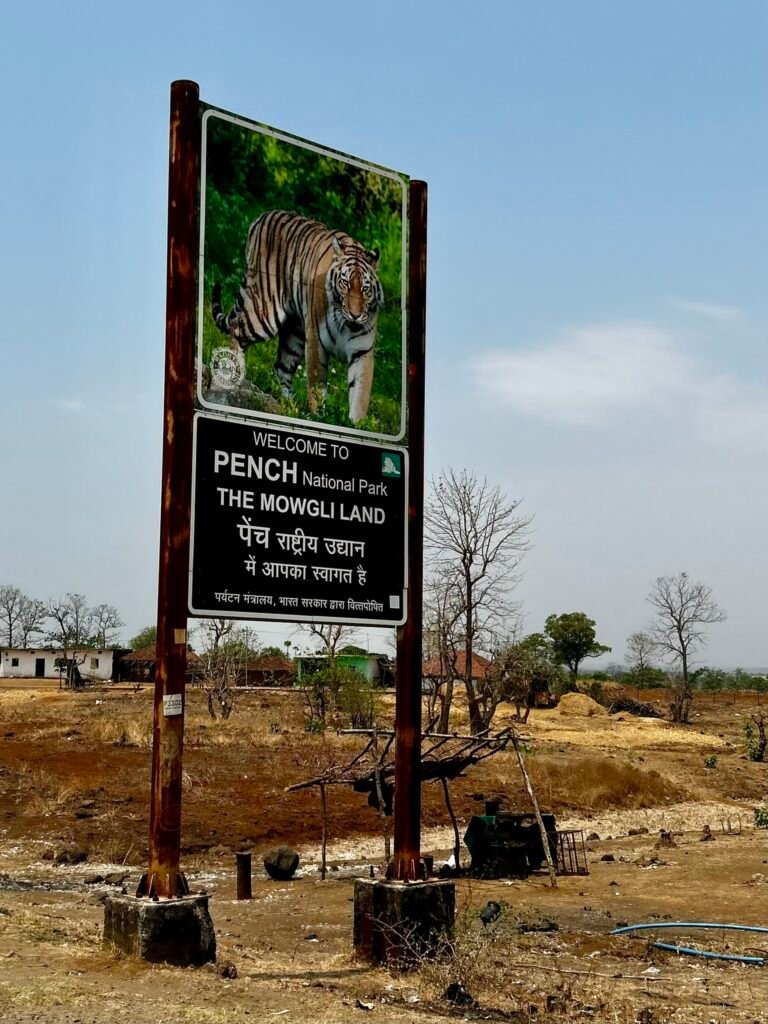
From Nagpur, it’s a further 2.5-hour drive north-east to the park. The journey passes through farmland and villages before the forest closes in and teak and bamboo begin to dominate. Along the way, a roadside sign declared “Mowgli Land” – a reminder that Pench is one of the park’s to inspire Rudyard Kipling’s The Jungle Book.
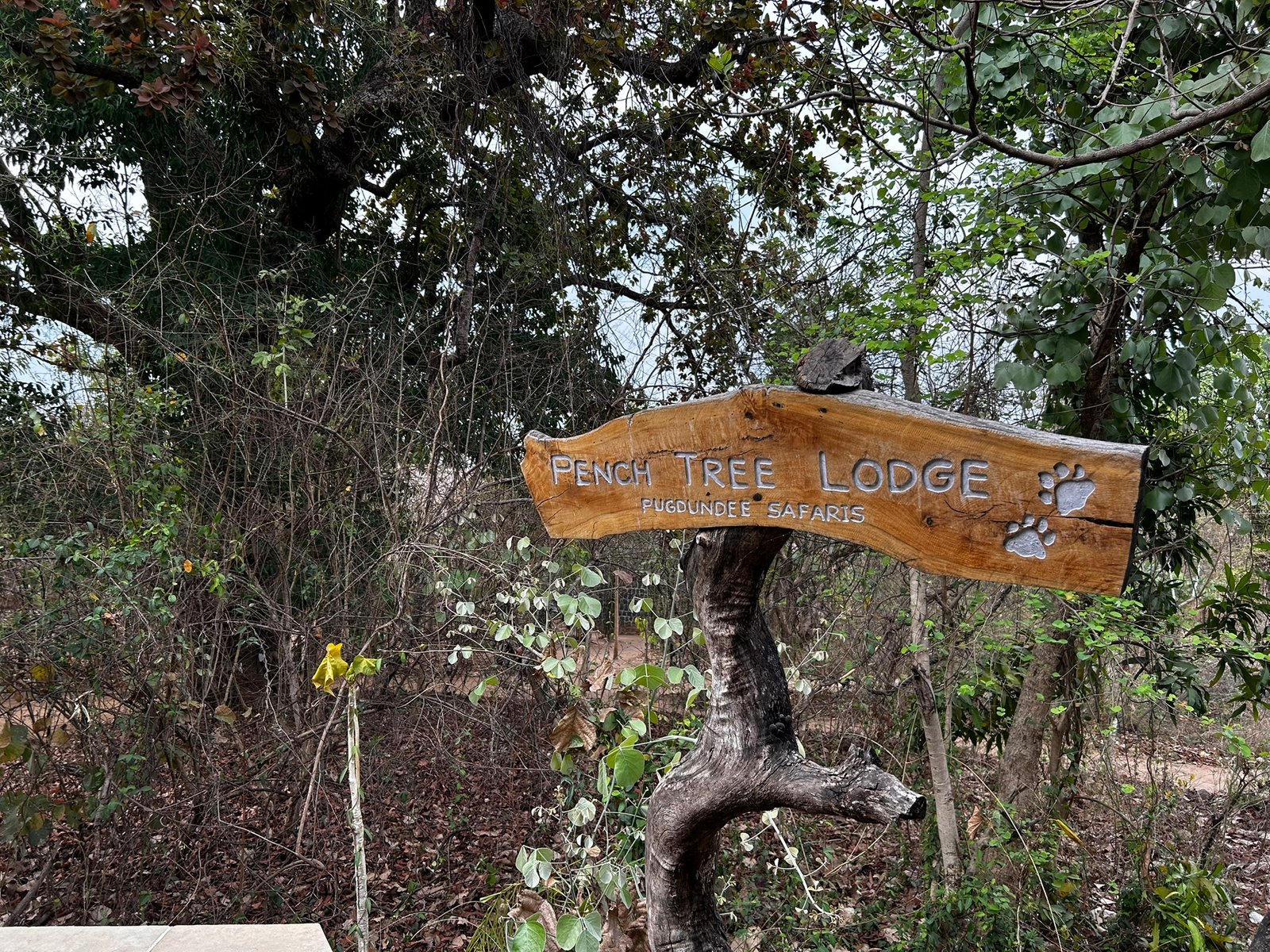
Staying at Pench Tree Lodge
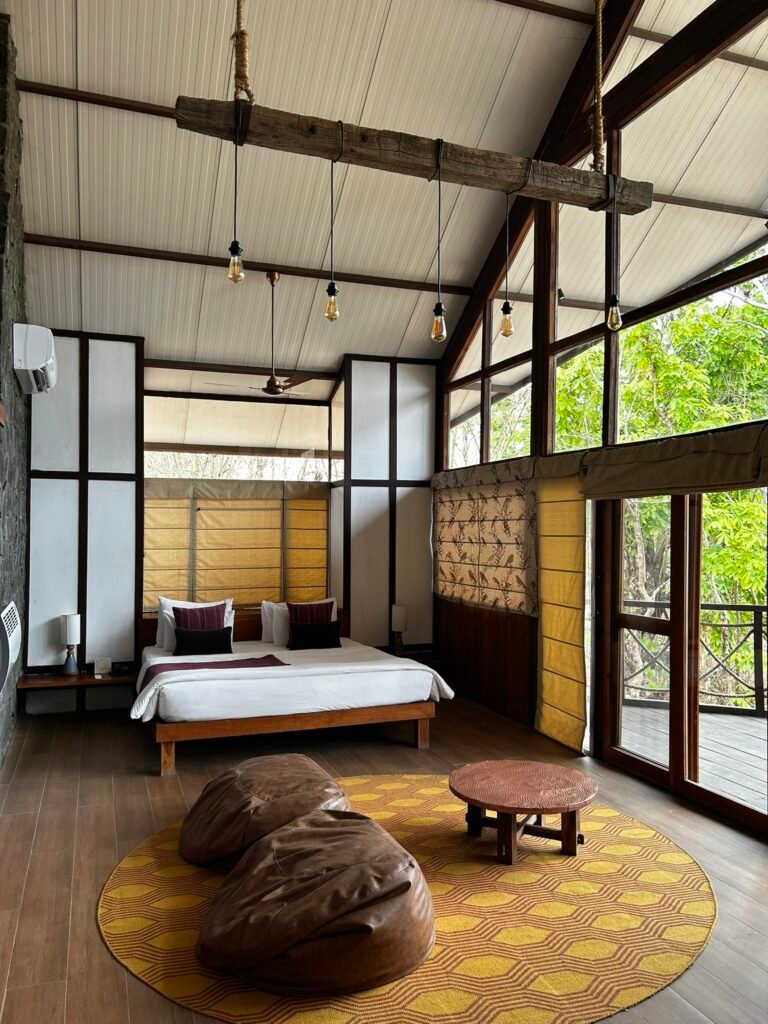
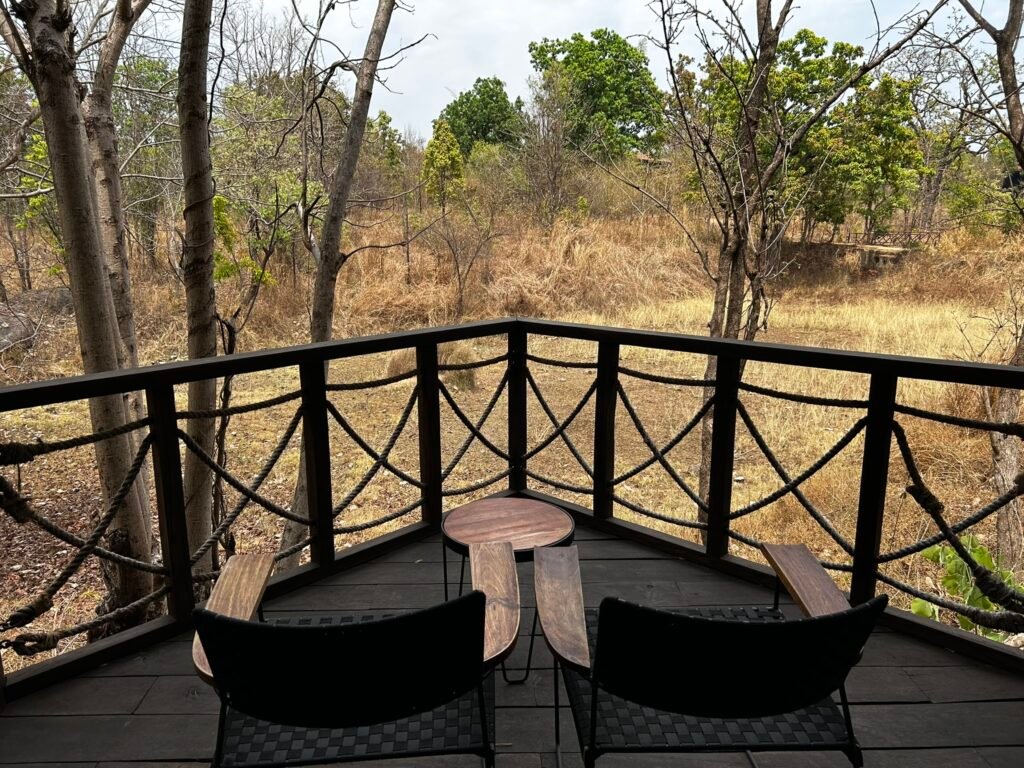
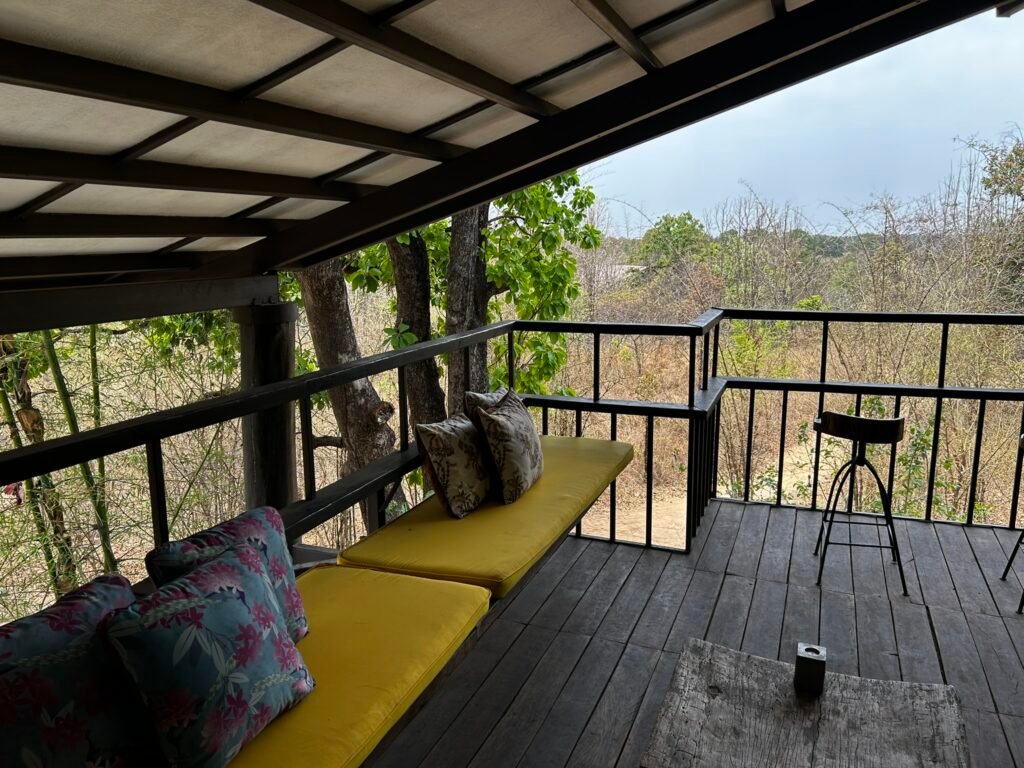
My base was Pench Tree Lodge, where I stayed in Cottage 6 with its private, bush-facing balcony. The cottages are quite a heavy build from the outside, but inside they’re stylish, spacious and comfortable with high ceilings to keep the heat at bay. For those seeking something a little different, there are also treehouses, which are very popular.
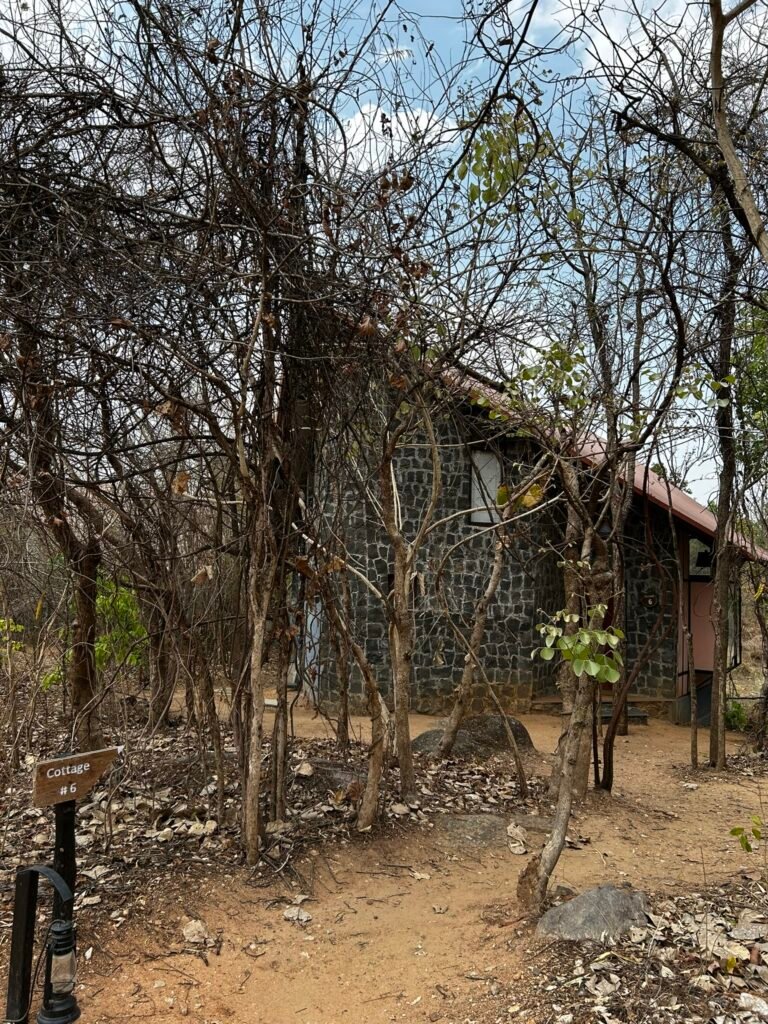
The lodge offers many thoughtful touches: coffee and loose-leaf tea caddies in the cottages, recycling and compost bins, filtered water in flasks, even a torch and bug coil. The grounds are expansive, with a pool deck, a two-tier dining and bar area, a small gift shop, and a nature trail leading to the treehouses, a sunken bird hide, and an organic garden. The upstairs library-bar is beautifully designed, and staff were warm and attentive.
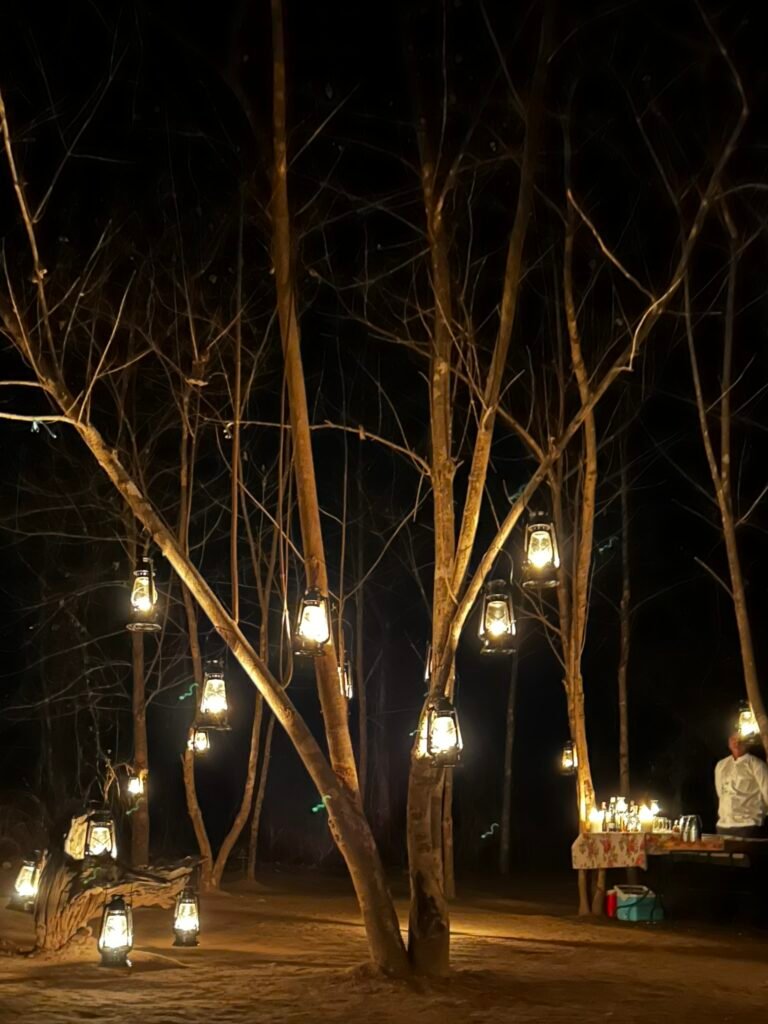
Dining was a highlight. We enjoyed lunches on the pool deck. but the standout moment was a magical, surprise candle-lit dinner under the stars.
On Safari in Pench
Safaris began early: a cup of tea at 5:20am before a 5:40am departure, reaching the park gate at 6:00am. The short drive from the lodge to the gate was atmospheric, passing through villages where fires glowed, livestock was already on the move, and women and children gathered at the pump for fresh water. Wrap up against the chill, bring glasses to shield your eyes, and hold on to your hat: the drive is fast at times.
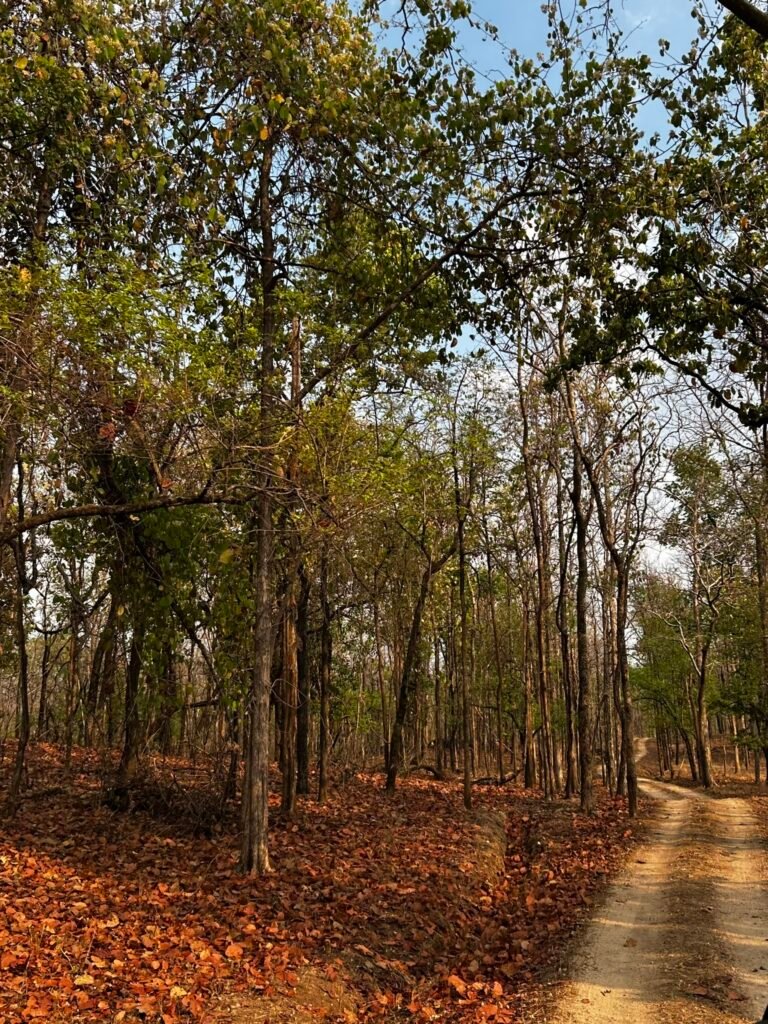
Inside the park, the sound of cicadas was deafening, while the soft morning light filtering through the woodland created a magical atmosphere. Over the course of three drives (one afternoon, one morning, and one evening in the buffer zone) we had a mix of experiences. The buffer zone night drive was quiet, yielding little beyond a hare, nightjar, and some spotted deer. But on the return drive to the lodge, we saw villagers using firecrackers to drive nilgai (blue bull) from their crops – a stark reminder of the daily challenges of living alongside wildlife.
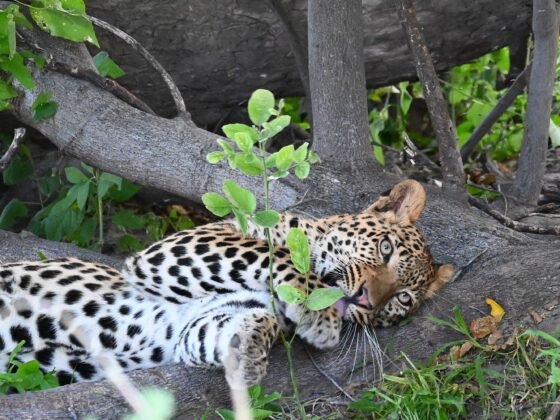
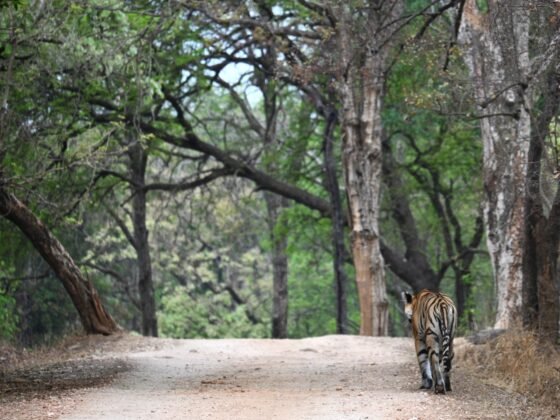
In the core reserve, sightings were more dramatic. We watched a leopard with cubs on a rocky outcrop and had two tiger encounters (Swastik and Lakshmi), and almost a third.
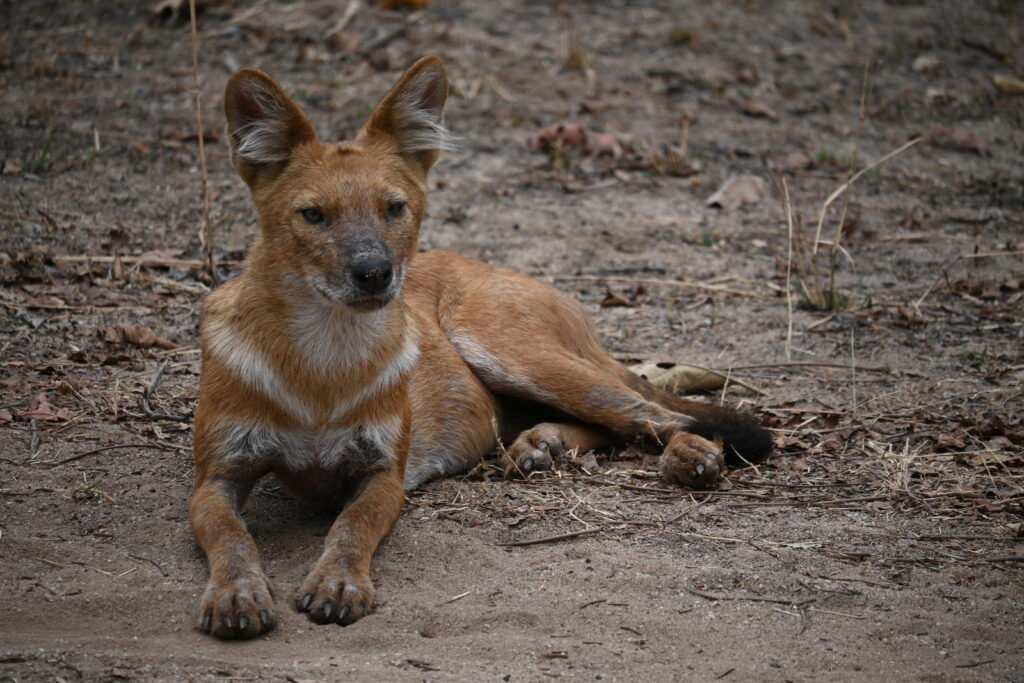
We were also treated to an outstanding sighting of dhole (Indian wild dogs). This sighting really stood out because it was so relaxed and calm compared to our tiger sightings. It really was special to just sit and watch the pack for an extended period without having to move.
While all the sightings were absorbing and thrilling, I did find the pace, particularly for cat sightings, frenetic. This is something I’m just not accustomed to, having done most of my wildlife watching in private conservancies and out of the way places in Africa.
I don’t think I was prepared to see so many vehicles jostling for position, and for the noise and competitive atmosphere. With so much moving around, photography felt challenging, especially in fading light.
Nevertheless, when you do get a glimpse of a tiger it gives you goosebumps. Just don’t expect to be on your own (unless you get very lucky!)
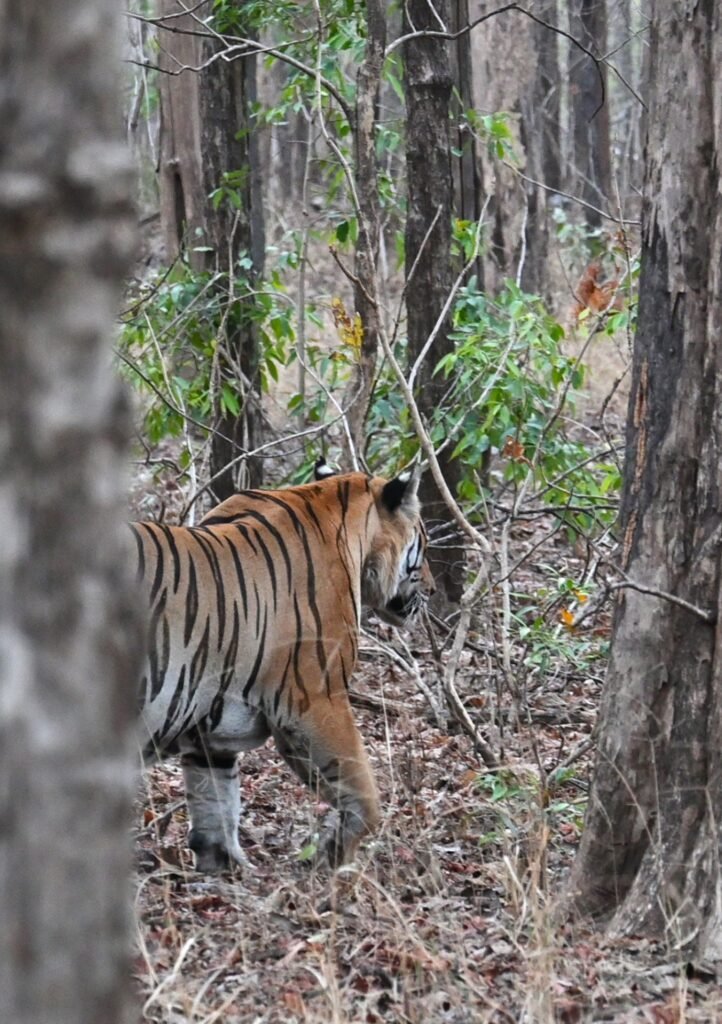
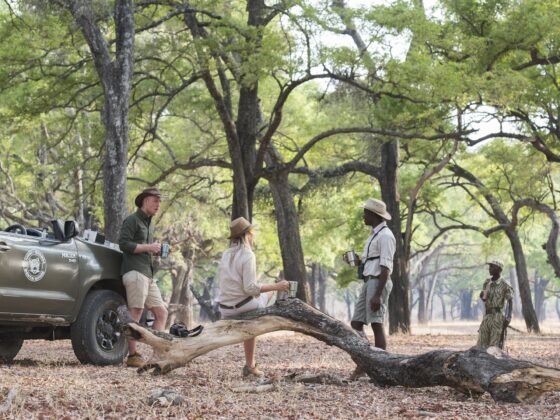
Guiding is crucial here. My driver/guide from Pench Tree Lodge, Omkar, was knowledgeable and knew the trails well, though communication could have been more proactive, particularly in English, as much of the guide-to-guide exchange happened in Hindi. Omkar was joined by a park naturalist.
Forest breakfasts were good quality and featured a lot of choice including overnight oats, sandwiches, parathas, fruit and madeleines alongside coffee and tea. On evening drives, ice-cold flasks of homemade lemon water were especially welcome.
We did see mahouts on elephant back in the reserve – these elephants, reportedly rescued from tourism and logging in Karnataka, now assist vets and rangers in reaching injured or sick wildlife and for monitoring. During my visit, a team set out to check on one of Lakshmi’s cubs, who was reportedly dehydrated. I have to admit that seeing working elephants did make me feel rather uneasy.
The weather was hot and steamy throughout, with heavy showers sweeping in from a distant typhoon. One downpour caught us off guard and had everyone diving for ponchos!
Why Pench Matters
- Tiger stronghold – Pench is part of India’s Project Tiger network, safeguarding one of the world’s most threatened big cats.
- Healthy ecosystem – The reserve protects a mosaic of teak and bamboo forest, grasslands, rivers, and waterholes, supporting a wide range of wildlife.
- Community livelihoods – Tourism in Pench creates jobs and income for local communities, providing an incentive to conserve forests and wildlife.
- A conservation success story – India now holds more than 70% of the world’s wild tigers, and reserves like Pench are at the heart of this recovery. Pench has c 65 tigers.
Final Thoughts
If you are planning a Central India safari, Pench makes an excellent stop, especially when combined with neighbouring reserves such as Kanha. Its different forest type and distinct atmosphere make it a rewarding contrast.
For those who can handle the heat, April and May are prime months to visit: shrinking water sources improve visibility and increase the likelihood of tiger sightings. Alternatively, February and March offer slightly cooler conditions and a more comfortable experience.