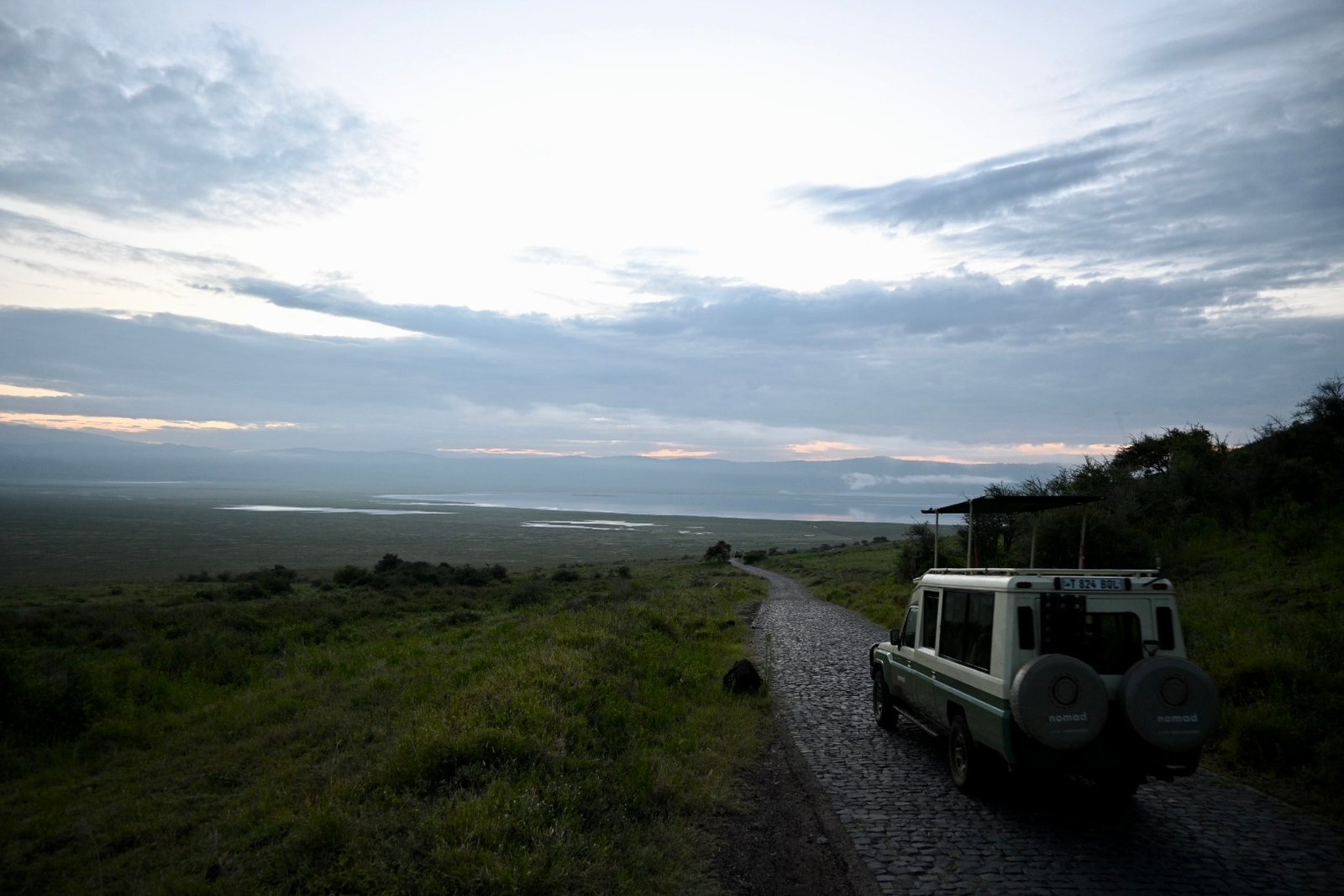
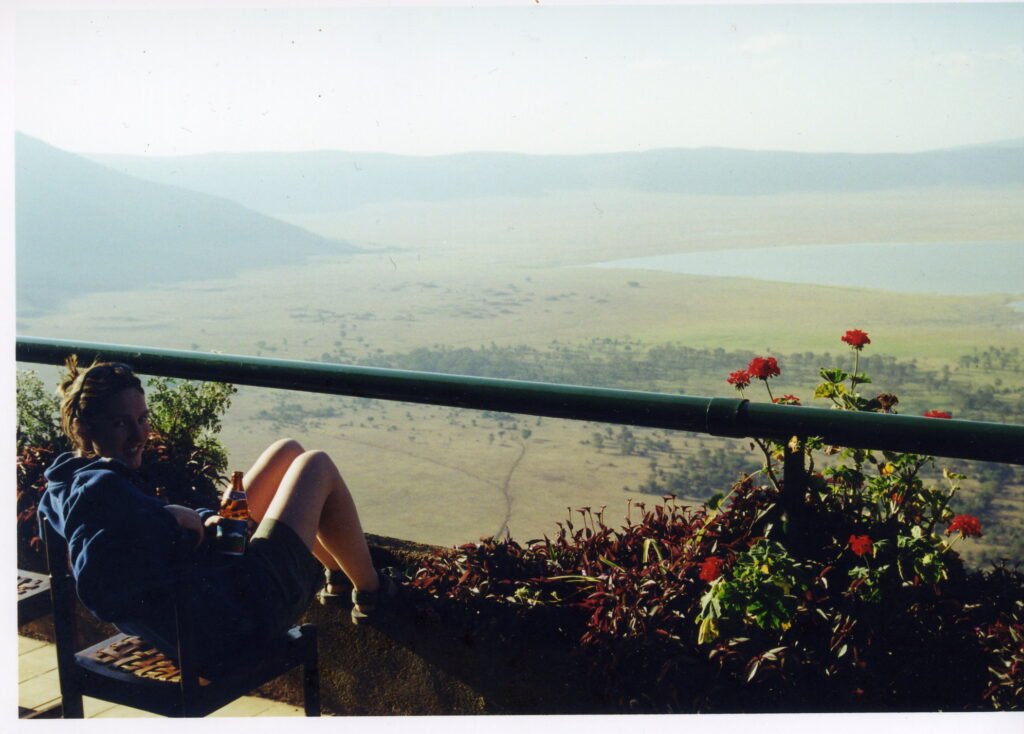
I’ve been lucky enough to visit the Ngorongoro Crater three times over three decades. My first trip was with friends back in 1997. We stayed on the crater rim at the large, 70s-styled Ngorongoro Sopa Lodge – soon to be reborn as the Elewana Ngorongoro Explorer Lodge. We travelled in a microvan with a pop-top roof and a guide we’d met in Arusha, full of excitement and adventure.
My most recent visit, in February 2025, was a chance to return to one of Africa’s most extraordinary landscapes and experience it in a very different way.
The Road to the Crater
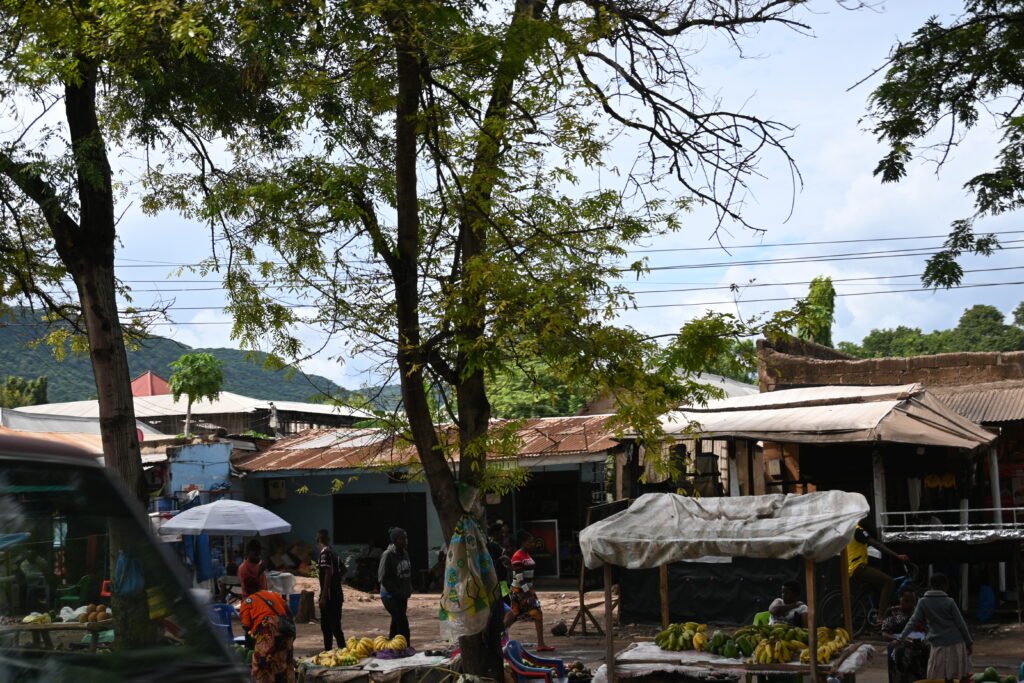
Kilimanjaro International Airport is about an hour’s drive from the town of Arusha. The traffic can be heavy, so if you can time your arrival for a Sunday, you’ll likely spend less time sitting still. Many travellers choose to rest for a night in or around Usa River or Arusha before starting their safari. With limited time, we decided to head straight to Ngorongoro, tackling the long drive that same day, though for many, this may not be the most enjoyable option after a long flight!
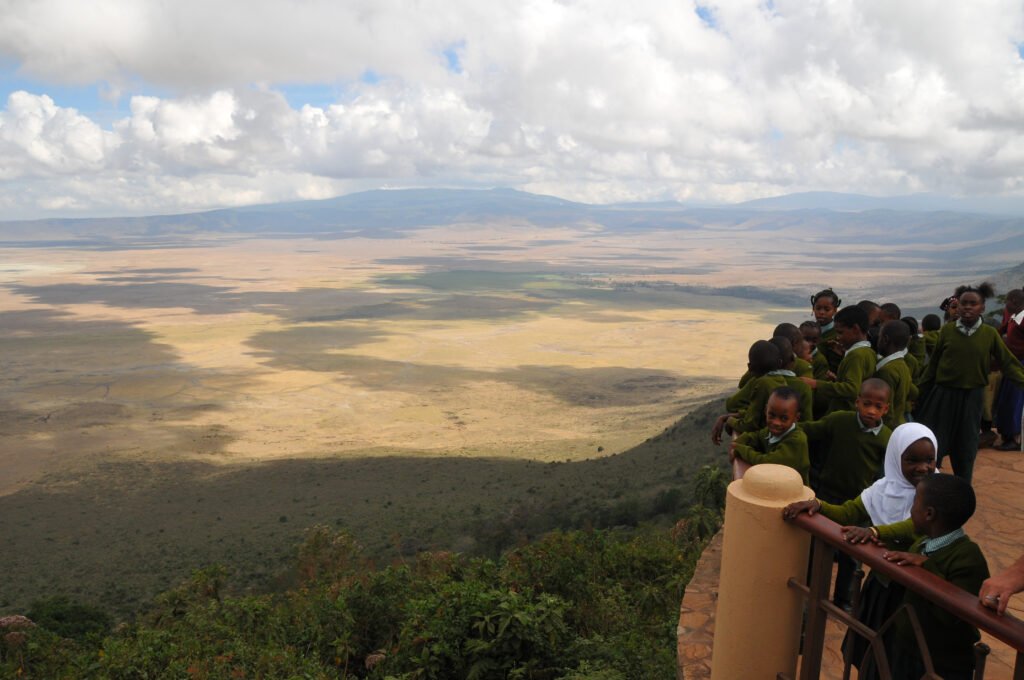
The journey takes around four to five hours, passing through Arusha, Lake Manyara, and on to Karatu. The final hour, from Karatu to the lodge, takes you through the Ngorongoro Conservation Area. The air cools noticeably as you climb; the vegetation thickens, and a viewpoint along the rim offers a breathtaking first glimpse of the crater below. The last time I visited the viewpoint was in November 2013– everything was brown, with huge columns of dust drifting across the crater floor. The view in February could not have been more different: lush, green and so beautiful.

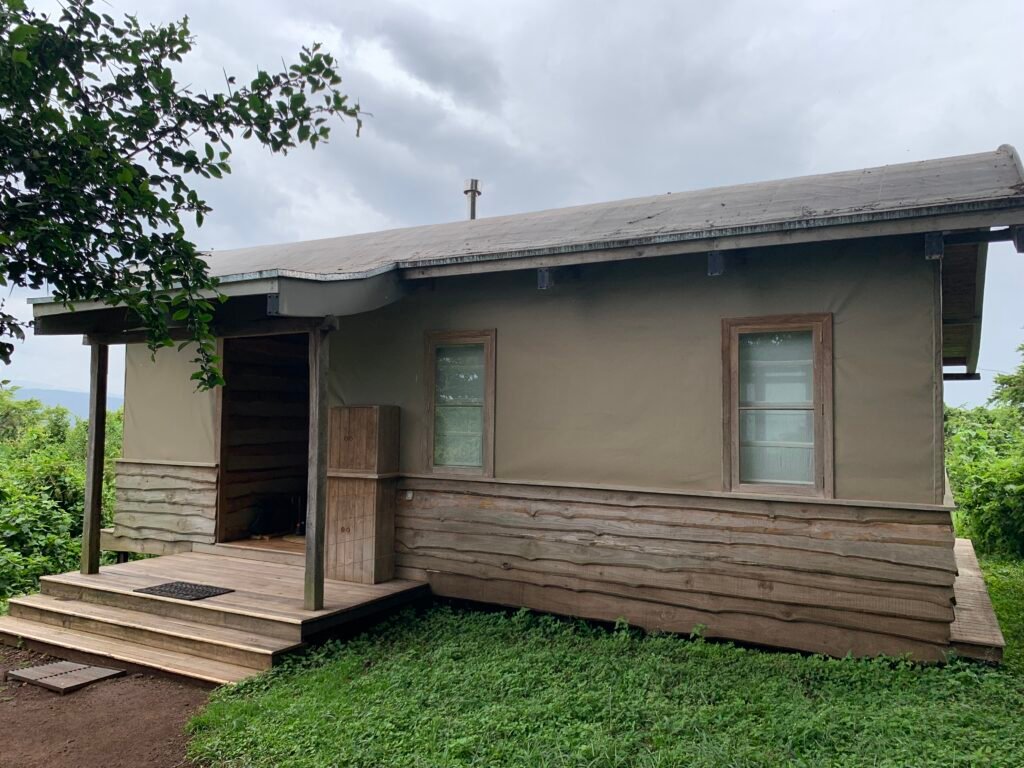
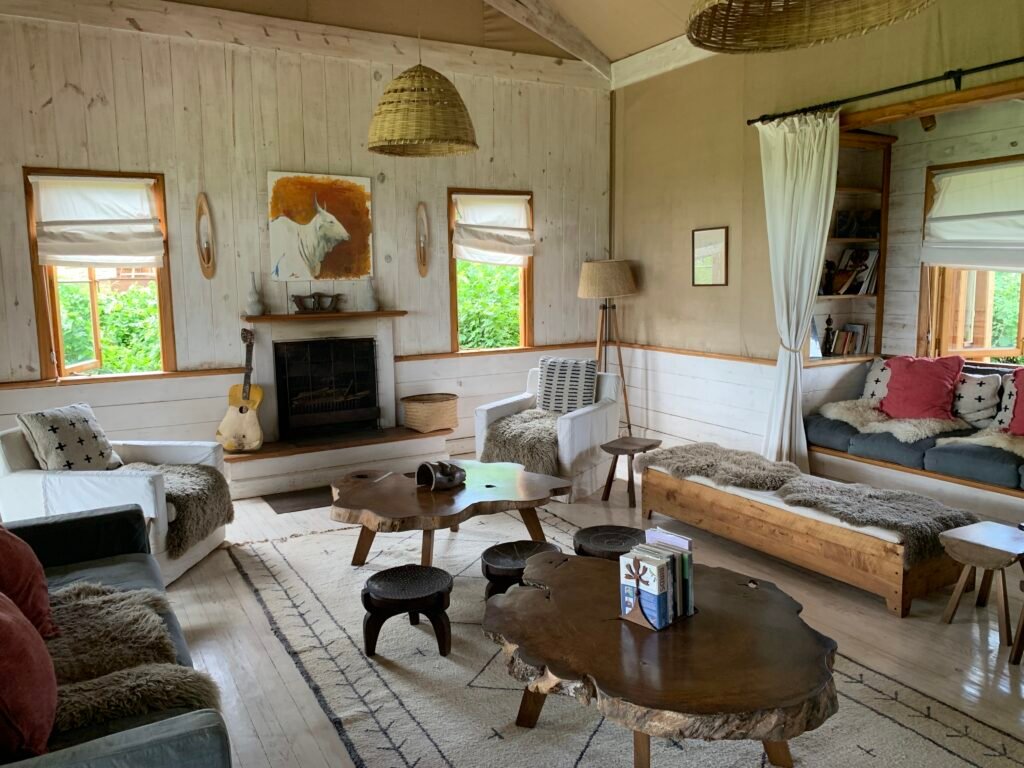
Entamanu Ngorongoro, on the north-west rim, feels immediately remote and exclusive. The lodge has its own private access road and sits amid black acacia woodland. Once a tented camp, Entamanu was refurbished in 2024 – the cool, high-altitude climate at 2,200m inspired a new design featuring seven wooden cottages with luxurious textured interiors, complete with gas-burning stoves which keep the cottages really snug.
I stayed in Cottage Number Three, beautifully furnished with a large ensuite and a cosy, welcoming feel. We arrived just before sundown, greeted with a gin and tonic, which we took to our rooms before showering and changing for supper.
Set back from the rim, the cottage looks out across grassland and acacia woodland towards the crater. It felt wonderfully private, though the best panoramic views are from the main lodge, where the restaurant and bar open directly onto a wide veranda overlooking the caldera. Evenings are cool at this altitude, so the stove in the room and the log fires and blankets in the lodge are very welcome.
The Dawn Descent
A thin beam of light from our askari’s torch guided us from our cosy cottage at 5:55am, the path faintly silvered by the moon and a scatter of stars. Half an hour earlier, we’d been woken with a tray of hot tea and coffee with biscuits, and now, fully layered against the morning chill, we climbed into our comfortable custom 4WD with our guide, Rem.
To our delight, blankets and hot water bottles waited on the seats, a thoughtful touch for the brisk, high-altitude start. The air was still and our breath visible in the beam of the torch, as we prepared to set off promptly from the lodge at six.
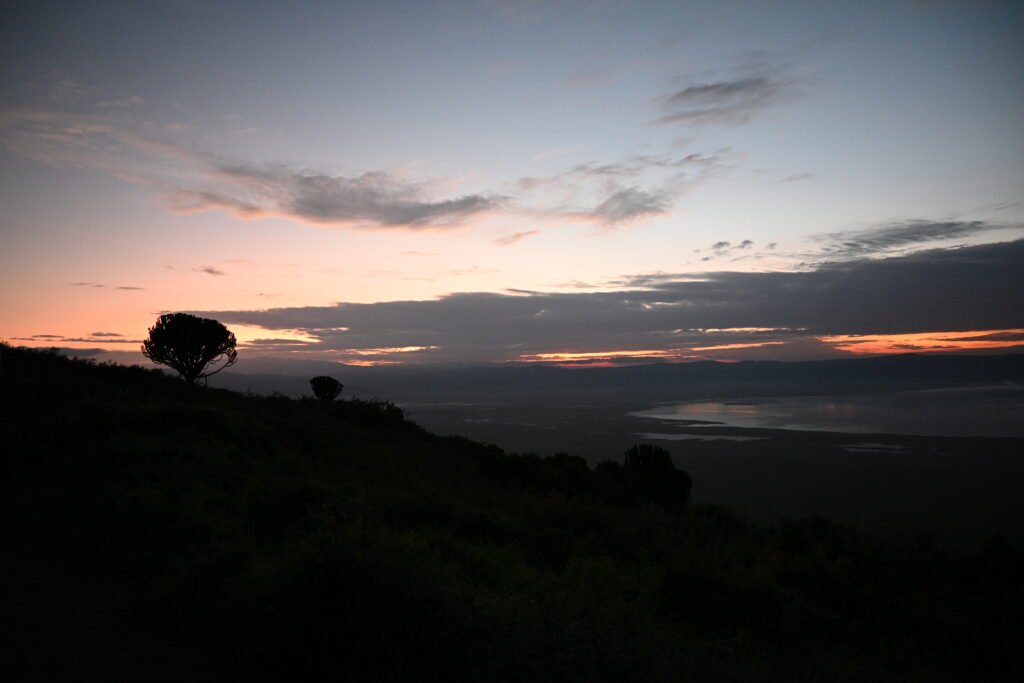
It took about 25 minutes from Entamanu to reach the crater descent road – a huge advantage if you want to be among the first vehicles to enter. Rem completed formalities and opened the viewing roof before we began the steep series of switchbacks dropping 600 metres to the crater floor. The giant euphorbia candelabras looked majestic against the pink sky; the crater floor was cloaked in mist, and the dawn chorus was a delight.
At 6:30am, there were only a handful of vehicles – mostly from Entamanu. By 8am, the traffic had increased noticeably. Many vehicles head straight for the Lerai Forest, hoping to spot the famous Ngorongoro elephants, but having visited twice before, we opted for quieter corners.
No matter where you go, it’s the scale and sound of the crater that leave the strongest impression – and the abundance of life wherever you look: the calls of crowned cranes and lapwings, swallows darting overhead, herds of wildebeest on the move, and braying zebra.
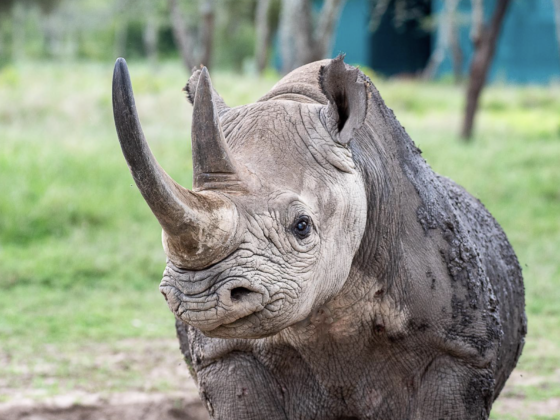
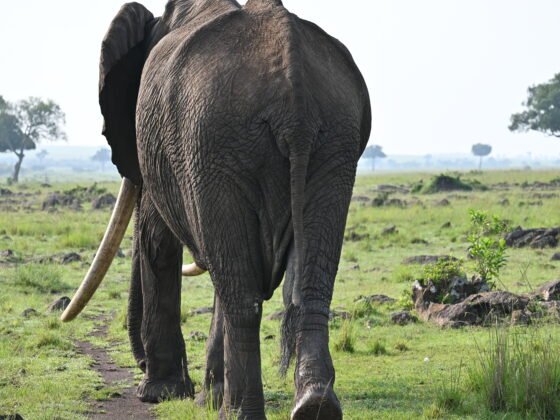
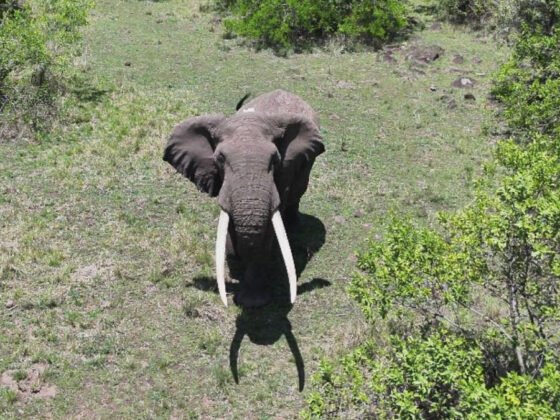
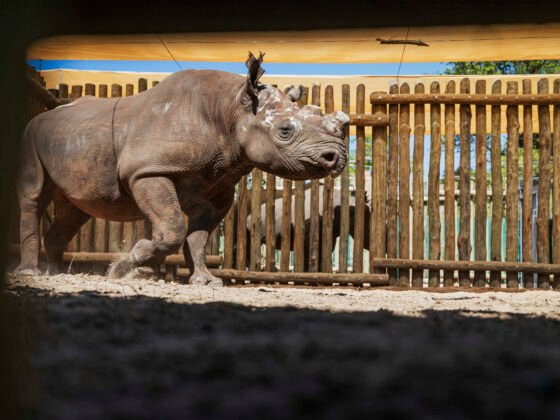
I’d never seen a black rhino in the crater before. By mid-morning, we’d seen five, along with elephants, buffalo, zebra, eland, wildebeest, and hippos wallowing in the lake. Giraffes, famously, are found only on the rim – not on the crater floor – so look out for them as you travel to and from the park gate.
At 9am, we stopped for a picnic breakfast at one of the official picnic sites beside the lake, entertained by resident hippos and the chatter of weaver birds. The lodge provides a fantastic picnic breakfast, which we laid out on one of the tables in the morning sunshine. There was barely another vehicle around us.
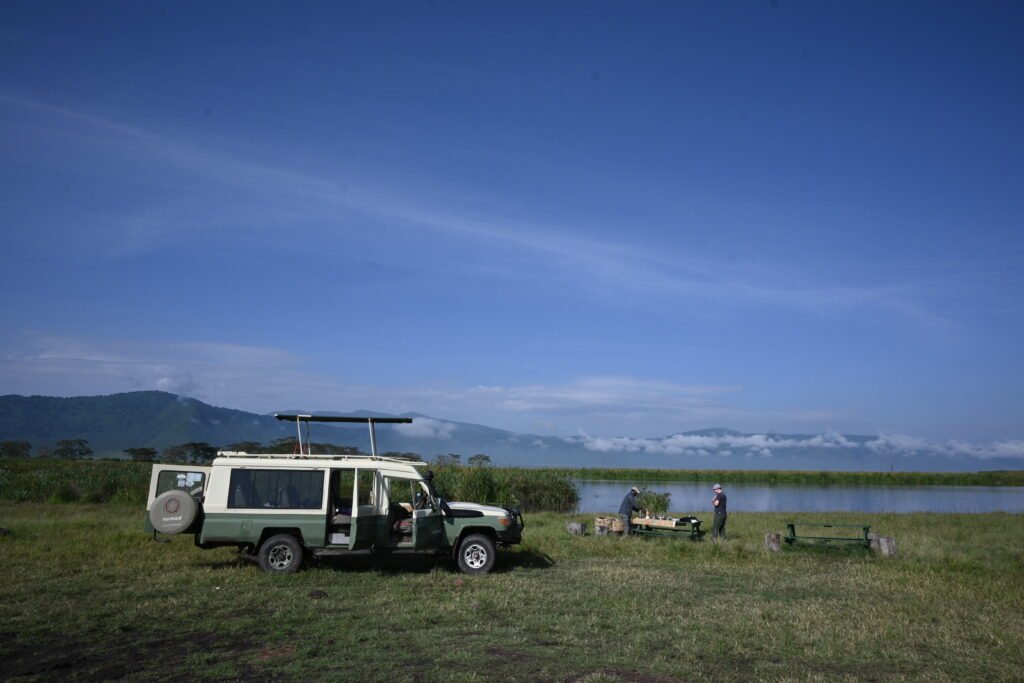
The official picnic sites also provide large washrooms, which were quiet and clean at the time of our visit. I imagine by lunchtime these picnic sites are very busy.
Staying Beyond the Park Gates
If you’re staying outside the park, in or around Karatu, there are some excellent options including Gibb’s Farm, on a working coffee estate, and Plantation Lodge. These are ideal if you want to base yourself for a few days to visit both Lake Manyara and Ngorongoro. However, from Karatu it takes around 30 minutes to reach the park gate, followed by about an hour’s drive through the park before you even reach the descent road to the crater itself – and then another half-hour to the crater floor.
Staying at Entamanu gives you a huge head start, allowing you to experience the crater’s beauty before the majority of visitors arrive. It was the first time I’d been on the crater road at sunrise, and it felt truly special.
Your crater permit is valid all day, and many guests choose to stay for a picnic lunch. We left as things began to heat up, around 11:45am, peeling off layers as the sun blazed down and swapping beanies for sunhats. We were back at the lodge by 12:45pm for a relaxed light lunch, followed by a site inspection of Entamanu, and neighbouring Entamanu Private which consists of an additional four cottages, followed by a briefing with managers Mohamed and Jonathan. Of course if you’re on holiday, this time in the afternoon is wonderful for relaxing, reading, bird watching and just soaking up those incredible crater views.
An Afternoon with the Maasai
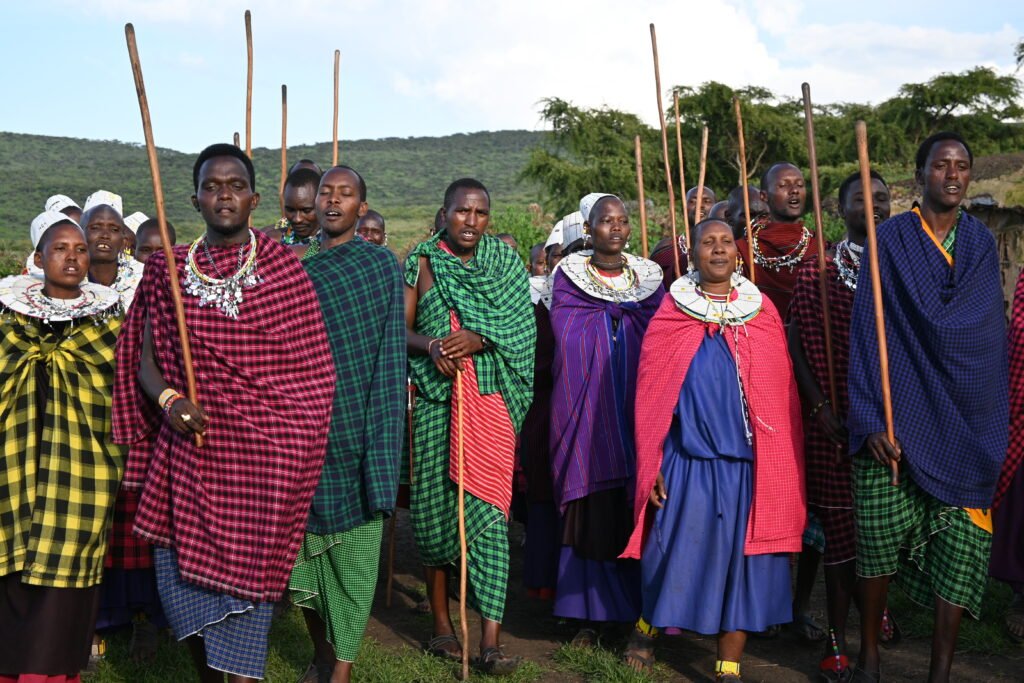
There are other activities to enjoy in this area. We joined Maasai guides Lupo and Thomas, along with some guests who had arrived at lunchtime, for a gentle walk on the crater rim, leaving at 4pm when temperatures had cooled slightly.
The landscape here is wild and windswept, the air clear, and the light golden. I really recommend getting out on foot – you experience the landscape in a completely different way.
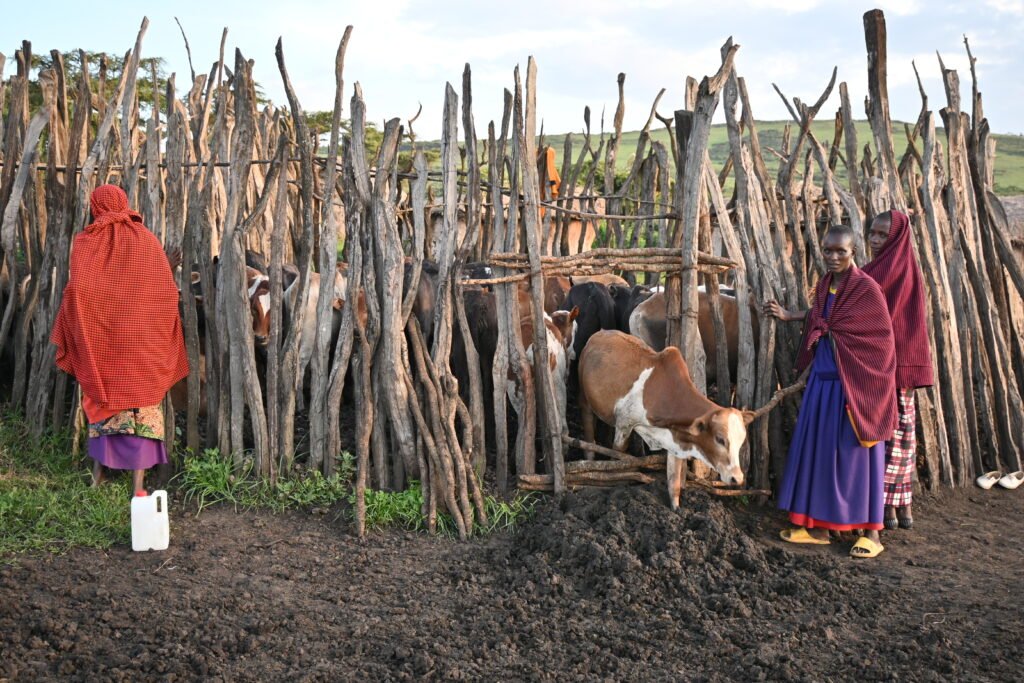
It’s not long before you encounter Maasai herding their cattle and goats, the sound of bells drifting on the breeze. The walk ended at Thomas and Lupo’s village, and unlike the uncomfortable staged village visits I’ve experienced in the past, this one felt authentic.
The chief welcomed us warmly, and we were invited into one of the rondavels to hear more about daily life. The village is home to 52 adults, 48 children, 115 cows and one dog. The chief’s son spoke openly – and humorously – about his father’s five wives and the challenges of managing a large family and herd. There was a relaxed, atmosphere as villagers went about their routines, milking cows and tending to children. There was some singing and dancing during our visit but it felt joyous rather than a forced show – a genuine sharing of culture.
Beadwork was available to purchase, so it’s worth carrying a little cash, but there was no hard sell or expectation.
We left the village around 6pm, just before sunset, walking a short distance before being collected by the lodge vehicle, complete with gin and tonics to toast the end of a wonderful day.
Onward to the Serengeti
The next morning, we left after breakfast at 8:30am, heading south. The drive is spectacular, descending from the highlands onto the plains, and by 10:45am, we were already on the edge of the Serengeti, watching a long column of migrating wildebeest. It was the perfect handover – from volcanic highlands to open savannah. (Read more about that part of the journey in my Serengeti blog.)
Why Ngorongoro Is a Bucket-List Destination

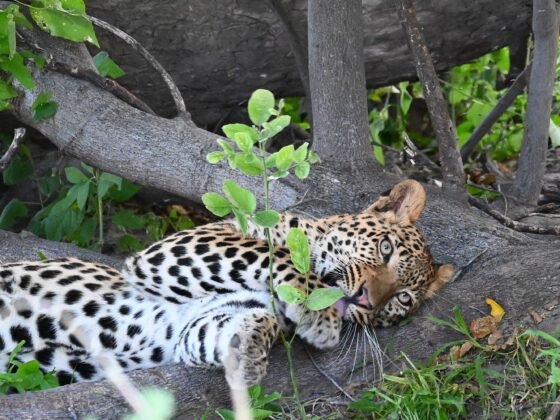
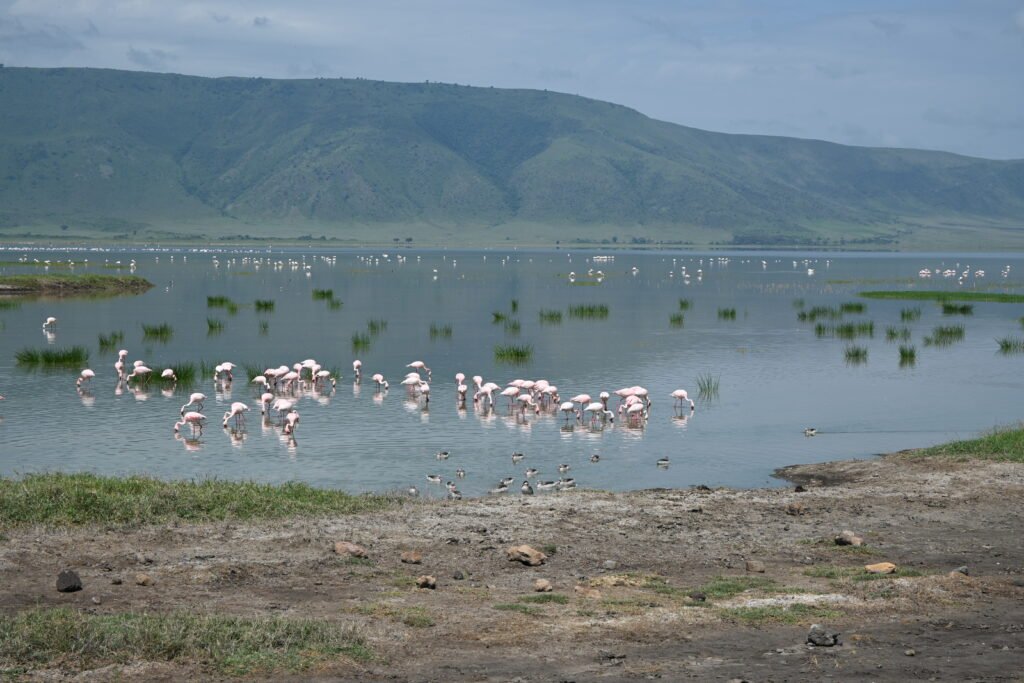
The Ngorongoro Crater is often called the Eighth Wonder of the World, and it’s easy to see why. Formed by the collapse of a massive volcano nearly three million years ago, it is the world’s largest intact volcanic caldera – 20 kilometres wide and 600 metres deep. Within its walls lies a microcosm of East African wildlife: lions, elephants, buffalo, zebra, wildebeest and the endangered black rhino all thrive here.
The enclosed environment ensures exceptional game viewing year-round, but what truly sets Ngorongoro apart is its beauty and atmosphere. The view from the rim – a mosaic of woodland, grassland and shimmering soda lake – is one of Africa’s great panoramas, and at sunrise it feels almost otherworldly.
Staying at Entamanu Ngorongoro
For travellers who want to experience the crater without the crowds, Entamanu Ngorongoro is a wonderful choice. Recently refurbished by Nomad Tanzania, it balances comfort with sustainability, using local materials and partnering closely with the surrounding Maasai community.
Guests can enjoy guided crater descents, walking safaris and cultural visits, all from a secluded base on the rim. It’s an ideal addition to a northern Tanzania itinerary, combining perfectly with Tarangire, Manyara or the Serengeti.
Final Thoughts
After three visits spanning nearly three decades, I can confidently say that staying on the rim in a small lodge made a remarkable difference to my overall experience. It’s particularly beneficial for those with only a couple of nights in the area. Entamanu offers not only proximity to the crater but also a real sense of place thanks to local staff and carefully considered interiors.
Whether it’s your first safari or your tenth, Ngorongoro remains a must-see destination, and there’s no better way to experience it than waking up above the clouds.
Thinking of going on safari to Africa? Talk to us! Our roots are in travel. We started off as an independent ATOL bonded safari specialist – operating for more than 20 years. With the growth of the charity we’ve restructured, but we still offer a responsible travel programme through expert partners. Book through our network and your travel helps to support on the ground conservation and the work of Explorers Against Extinction at no additional cost to you.
Images: Sara White