The Serengeti needs little introduction, but where you stay, and exactly which part of this vast ecosystem you explore, can profoundly shape your safari experience. Earlier this year, after spending time in the Ngorongoro Conservation Area and the southern Serengeti, I travelled through the park to the northern Serengeti to stay at Nomad Tanzania’s permanent tented camp, Lamai Serengeti.
A Journey North: From Ndutu to Lamai Serengeti
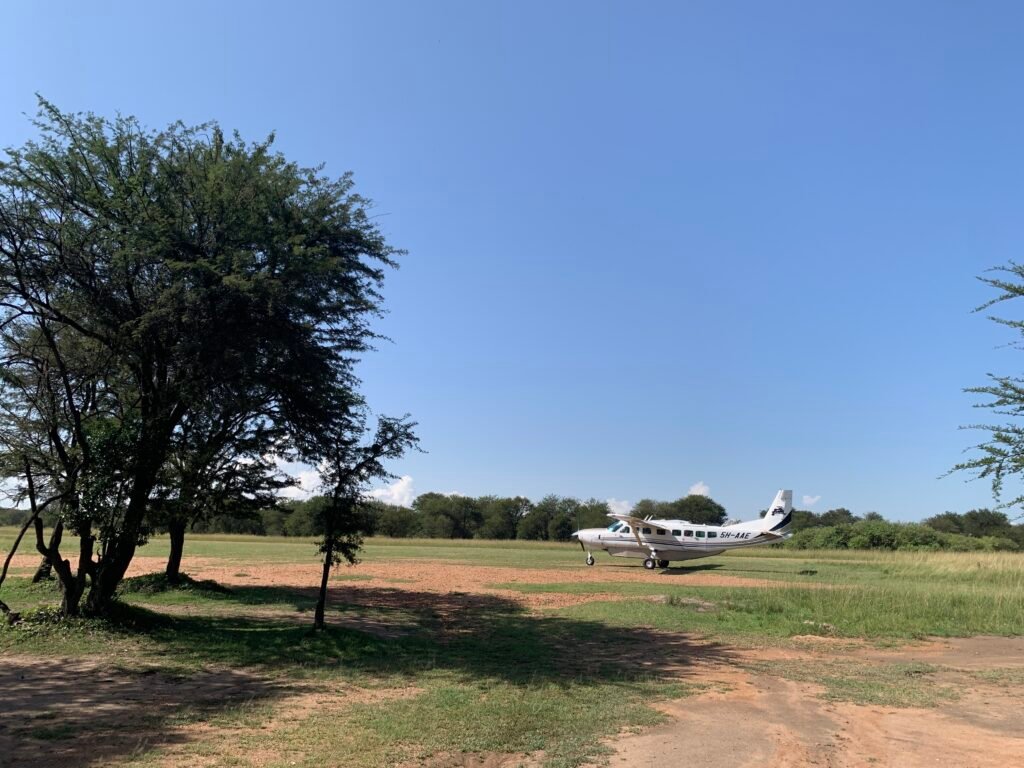
Most guests arrive at Lamai Serengeti by scheduled flight into Kogatende airstrip, followed by a game drive of around 45 minutes to camp, depending how often you stop and what you see along the way.
I arrived by road – a reminder of just how vast and varied the Serengeti ecosystem really is. I had never driven the full length of the Serengeti before, and this journey offered a wonderful opportunity to experience the gradual transition in landscape from south to north.
For those considering the same option, either because they wish to experience the drive or are not keen on light aircraft flights, here follow are a few timings to help gauge the journey. If you’re flying straight in, skip down to Location Matters.
We departed our camp in Ndutu in the Southen Serengeti at around 8am after breakfast in the sunshine watching giraffe in camp. We spent a glorious hour deep in the woodlands birdwatching, transfixed by steel-blue whydah performing their delicate aerial displays.
- The Journey North
We didn’t properly head north until around 9.30am, passing through Naabi Hill Gate at 11.15am. Naabi Hill Gate is a major entry/exit point for Serengeti National Park. It would be possible to make faster progress, but with the wildebeest migration on the short-grass plains, there was plenty to stop and see on the way.
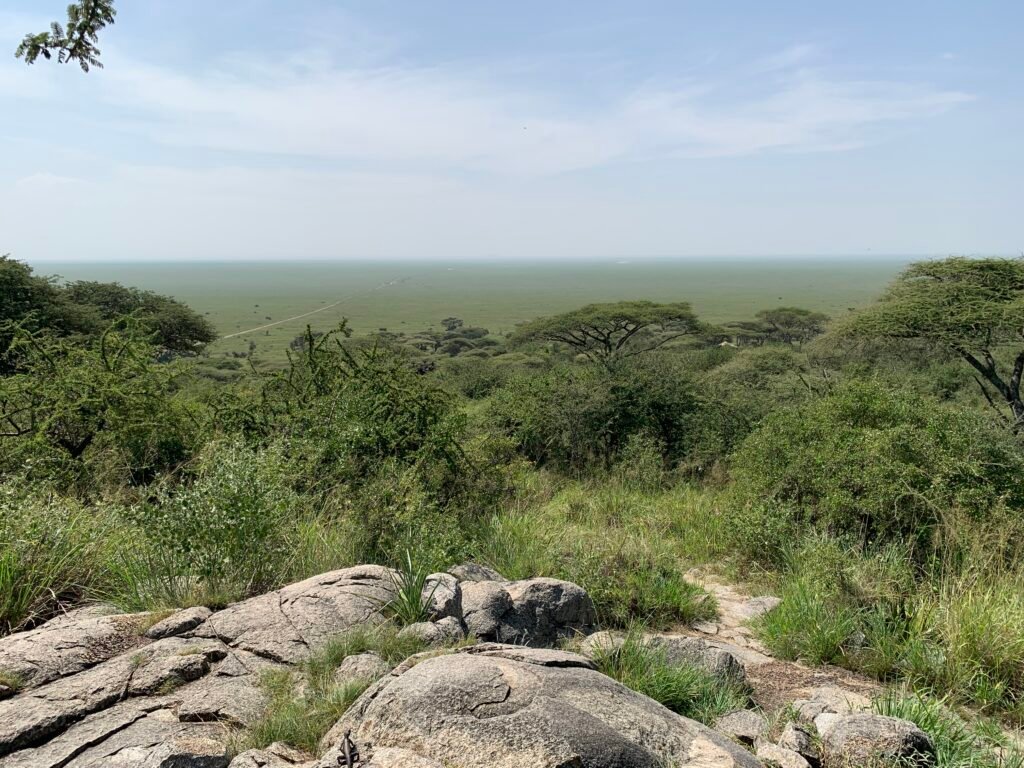
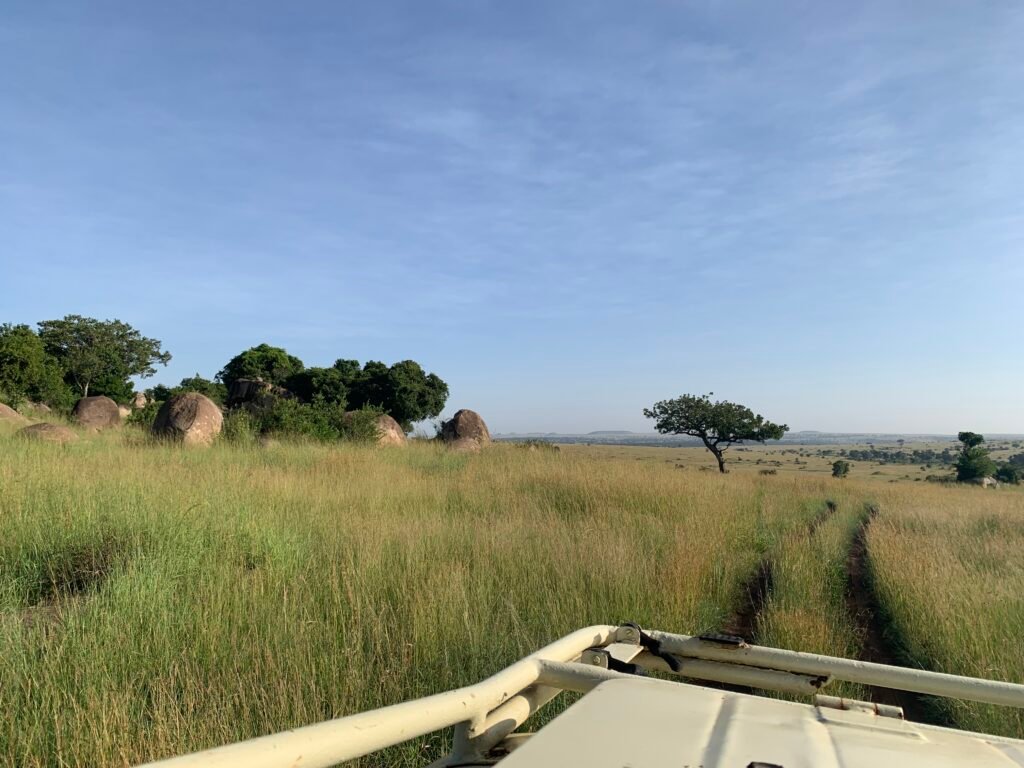
Beyond the gate, the landscape opens into classic savannah grasslands punctuated by huge kopjes – including the striking Simba Kopjes – before softening and flattening out as you approach the central Seronera region. The further north you go, the longer the grass at this time of year.
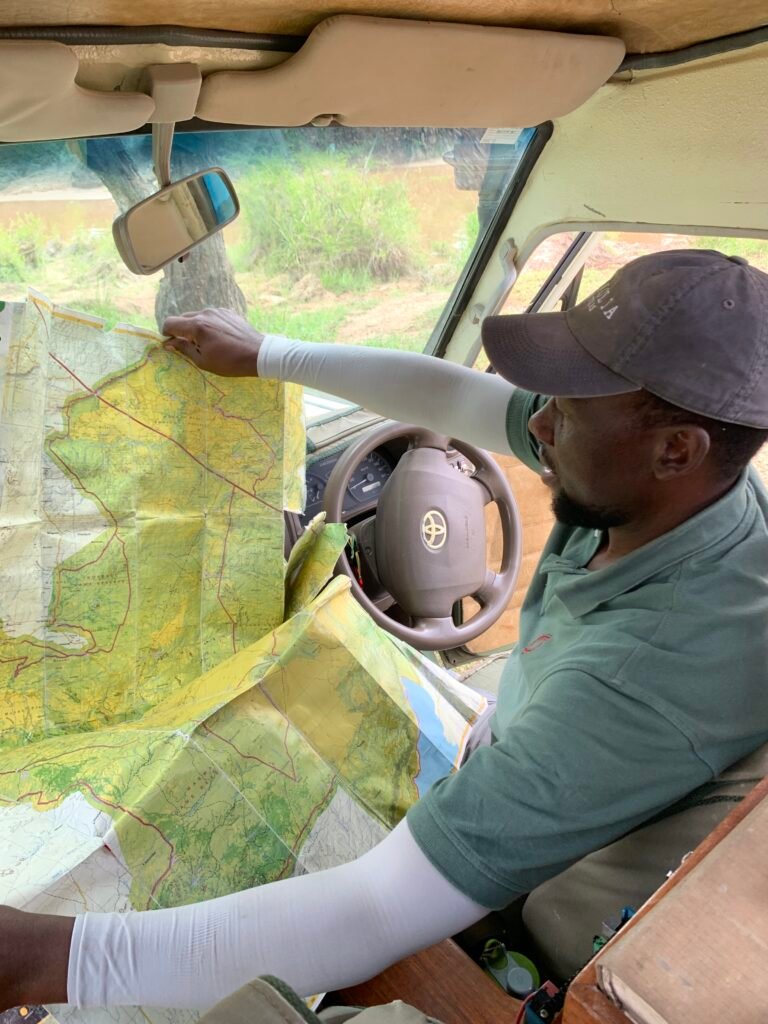
A picnic lunch at around 1pm beside a hippo pool north of Seronera was a chance to review the route which headed west across the park to Ikoma Gate, where we arrived at 2pm. We made a further stop for fuel in the lively town of Mugumu an hour or so later.
We crossed back into the Serengeti at Tabora B Gate (at approx 3.30pm), finally arriving at Lamai Serengeti at 4.30pm.
On a practical note, there are washrooms at all the park gates.
Arriving in the northern Serengeti, the environment subtly shifts again. Rolling grasslands are punctuated by dramatic kopjes, ancient fig trees and acacia woodland. This northern sector of the park is visually far more striking then the south.
One of the real advantages of travelling overland is that you retain the same driver-guide throughout your journey. In our case this was the wonderful and highly experienced Rem. You also gain a genuine sense of continuity and transition, rather than waiting around at airstrips. While slower and more tiring overall, the journey is immersive, often more economical, and immensely rewarding.
Location Matters: Why Lamai Serengeti’s Setting Works
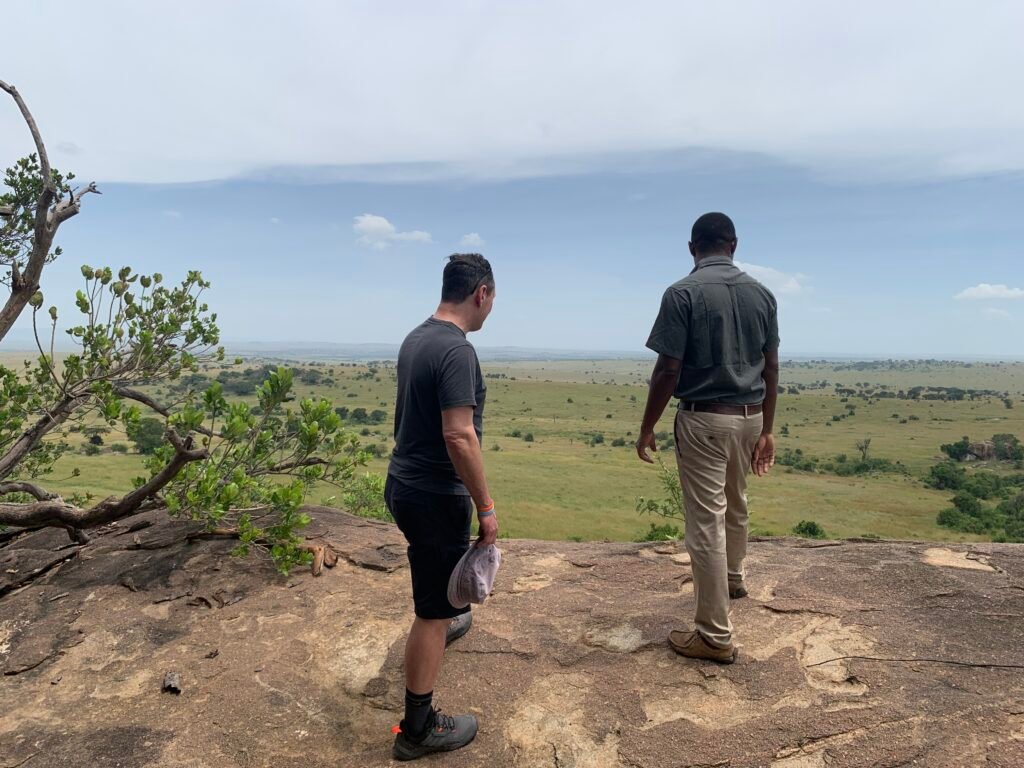
Lamai Serengeti sits high on a rocky escarpment at the northern edge of Serengeti National Park, looking towards the Mara River and Kenya’s Masai Mara beyond. It is a dramatic and unquestionably beautiful location.
Camps in this area are best known for their proximity to Great Migration river crossings, which typically take place between July and October, but Lamai’s appeal extends well beyond these peak months.
In February, it is an absolute paradise, bathed in golden light, carpeted in lush grass and blissfully quiet, with very few vehicles. The camp closes from mid March to May with the arrival of the long rains.
Its elevated position brings cooling breezes, expansive views and a sense of space and perspective rarely found in lower-lying camps. It really is an epic location.
Camp Style & Design: Inside Lamai Serengeti
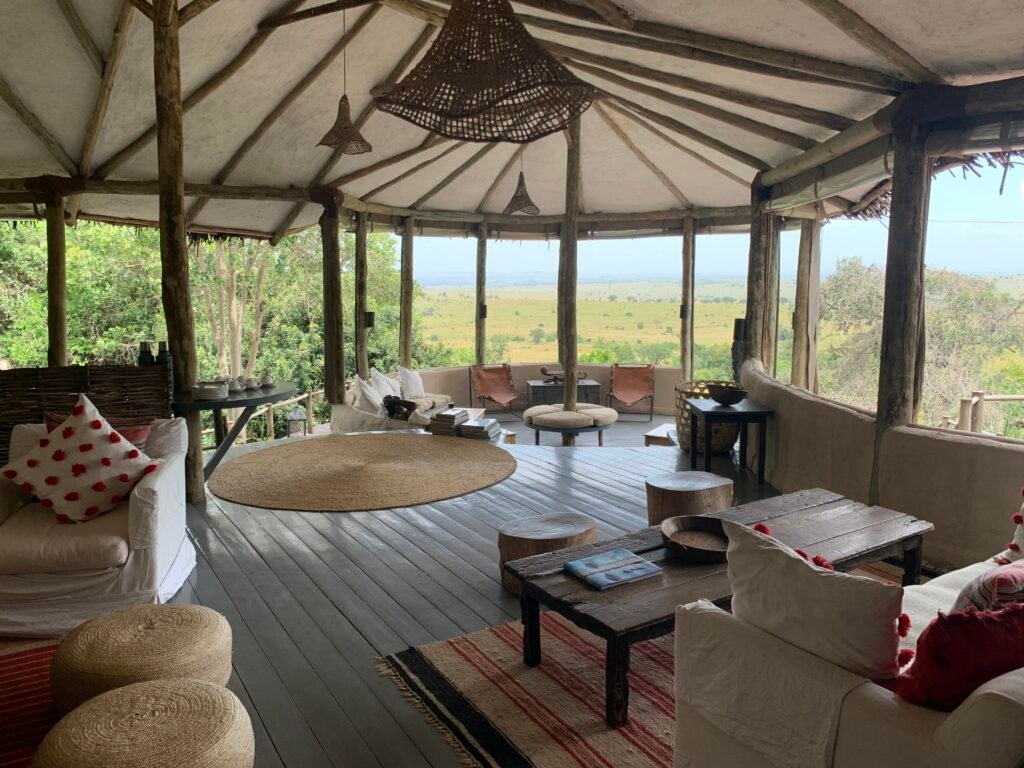
Lamai Serengeti is a permanent tented camp, designed to blend into the rocks and landscape rather than impose upon it. Tented rooms have thatched roofs. The style is classic Nomad Tanzania: understated, individual, and quietly stylish. The camp is built and furnished using local materials and features handcrafted furniture, pieces by local artisans, upcycled artifacts – with virtually everything sourced in-country.
Thoughtful touches in the rooms include a two-way hatch for morning tea and coffee delivery, umbrella stands, robes in the bathroom, local textiles, and arts and crafts. There are many small details and lots of texture and colour that add character.
The camp is divided into two distinct but neighbouring areas.
Lamai Serengeti (Rooms 1–8)
The main camp consists of eight tented rooms arranged across three levels: uphill on the rocky hillside, around the mess tent and bar, and downhill on the plains.
Rooms 1, 2 and 4 are uphill, with Room 1 furthest away. Rooms 1 and 2 offer the most expansive panoramic views and are wonderfully secluded, though they do require a climb and will not suit guests with any mobility concerns. Built into the rocks, each room is subtly different and full of charm, with 1 & 2 particularly well-suited to honeymooners.
Room 8 is also very private but sits downhill on the plains, alongside Room 7. For guests who enjoy being closer to passing wildlife and feeling more immersed in the surroundings, these are both excellent options.
Rooms 3, 5 and 6 are closest to the mess tent, bar and pool, with fewer steps required.
Although room selection cannot be guaranteed, you can make a request based on your preference.
Lamai Private Camp (Rooms 9–12)
Lamai Private Camp sits just south of the main camp and is essentially a smaller, self-contained version of it. It can be booked on an exclusive basis, making it ideal for families, friends travelling together or small private groups.
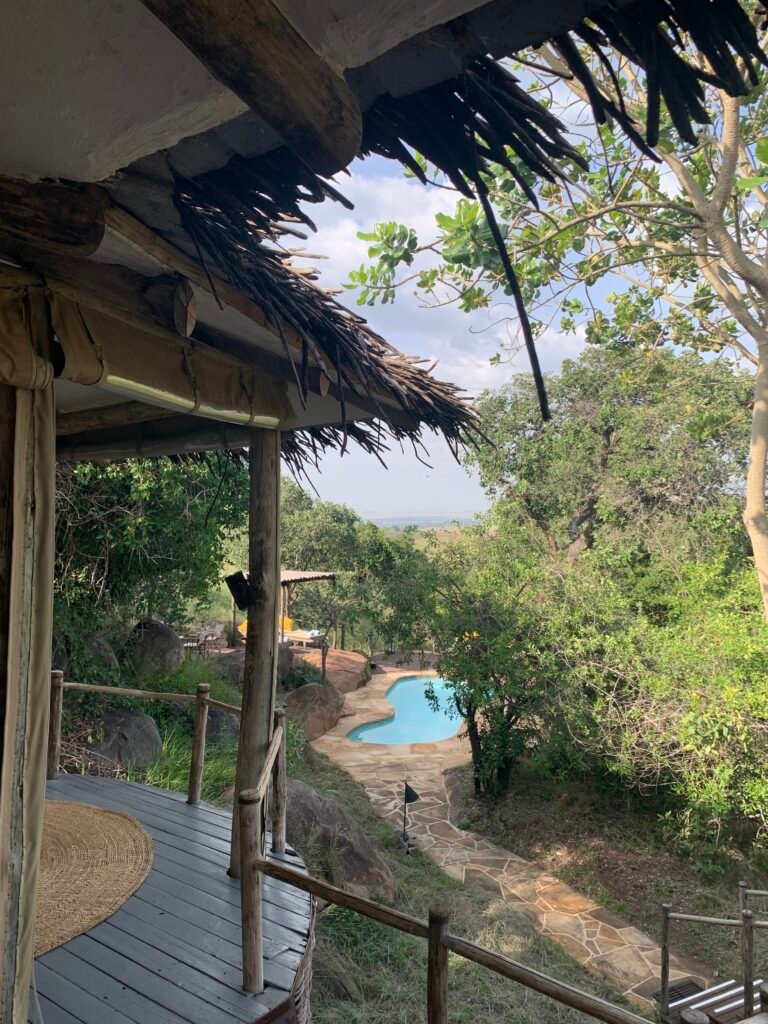
If not booked exclusively, it operates as an extension of the main camp, most commonly using Rooms 9 and 10. Lamai Private has its own dedicated staff, private pool and sun terrace, dining and lounge area, complete with a roaring fire and a lovely, well-stocked bar that guests are encouraged to help themselves from.
All four rooms sit on the plains, surrounded by savannah and offering panoramic views. Rooms 11 and 12 have a similar layout with two bedrooms and one bathroom, and are particularly well suited to families with young children.
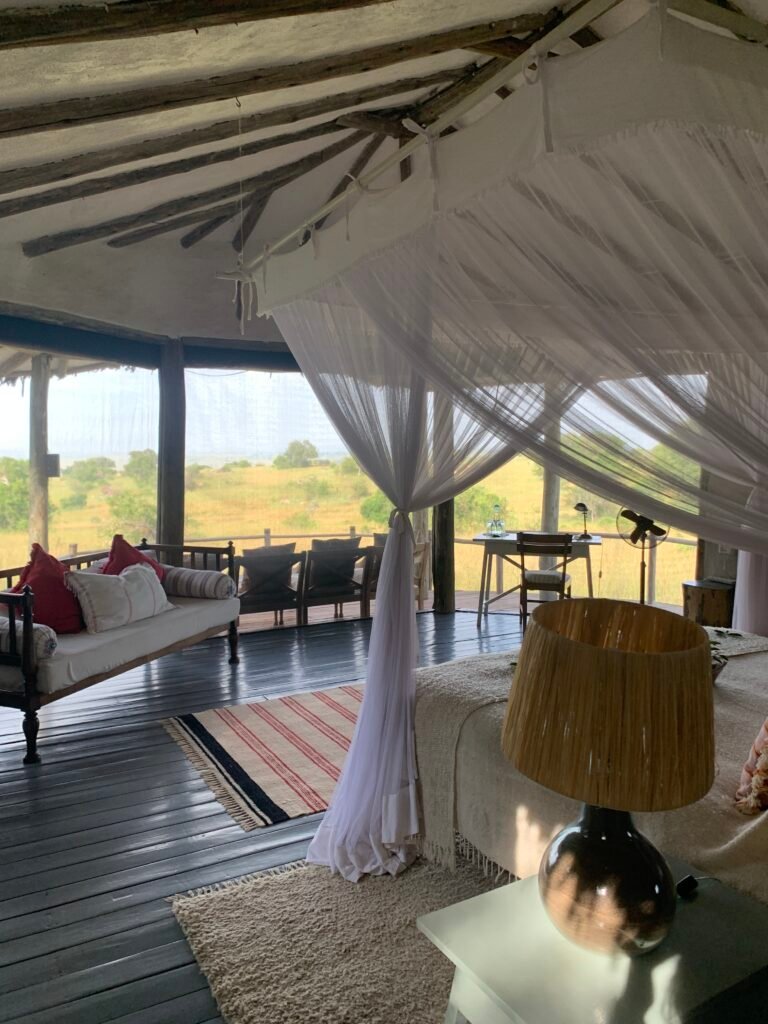
Mkombe House
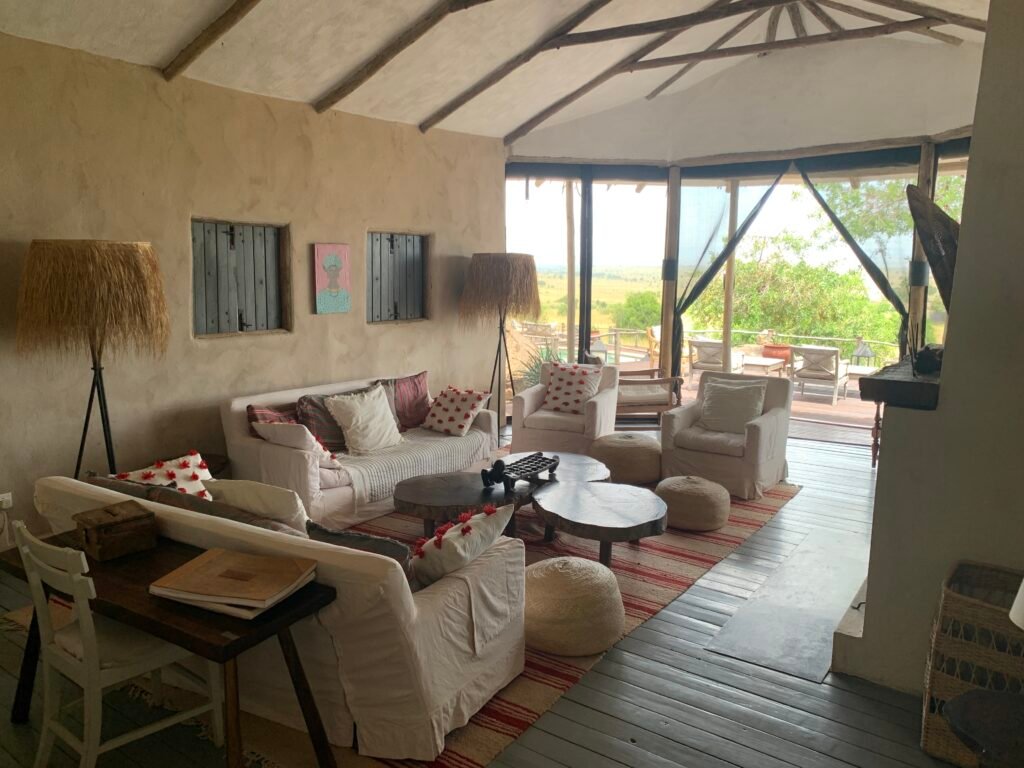
Lamai Serengeti also offers a private safari house, Mkombe House, arranged in two wings and ideal for two families with children travelling together. Each wing includes one double and one twin en-suite bedroom, flanking a central pool deck. The twin bedroom in the left-hand wing does not have a view.
There is also a TV room/snug.
Rooms & Facilities
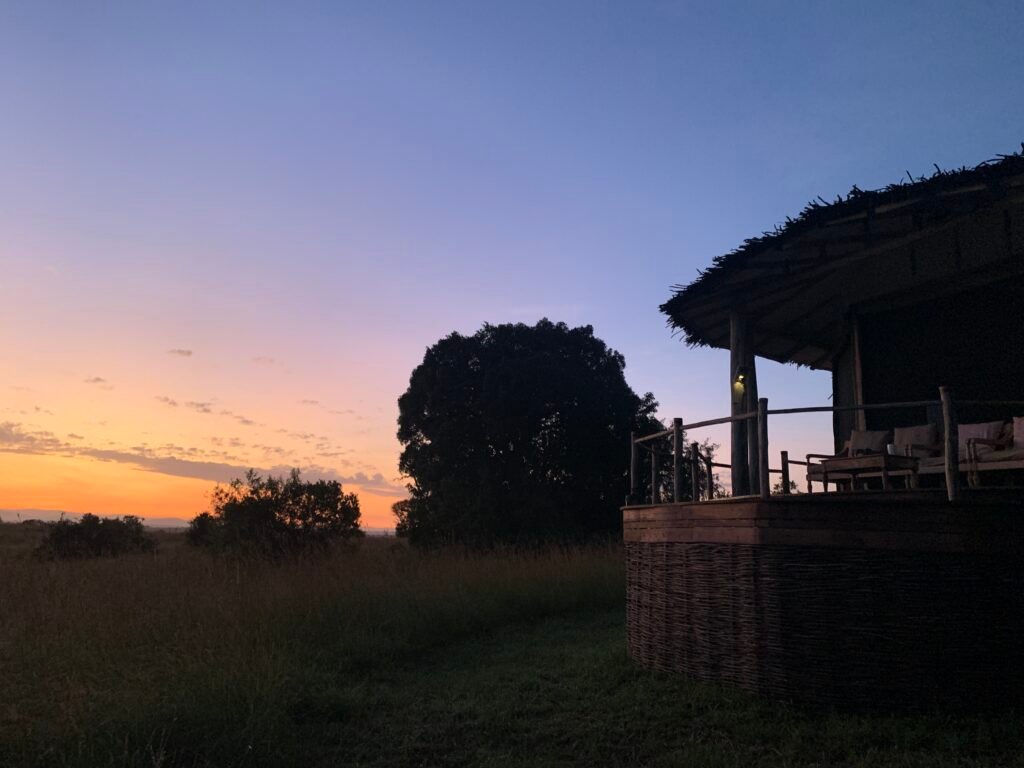
Rooms at Lamai Serengeti are spacious and comfortable, with large beds, complete with mosquito nets, a writing desk and spacious indoor bathroom with lovely power shower. Each room is carefully positioned to maximise light and views.
All rooms feature a lovely balcony with comfortable chairs – an ideal spot for quiet moments between game drives. The sunrise was spectacular from room 12.
Camp facilities include:
- A central lounge and bar with dramatic, sweeping views (this is positioned above the rooms on the kopje, and is accessed via several short sets of steps)
- A sun deck with loungers for downtime between activities
- A small plunge pool, refreshingly bracing in February but beautifully positioned
With more guests sharing the facilities at Main Camp it possibly offers a bit more buzz in the bar in the evening and around the pool. However, for most guests stayng at Lamai Private, they’ll be sharing with friends or family and will create their own atmosphere. For the first night we actually had the place entirely to ourselves – what a treat!
The luxury of Lamai was a wonderful contrast with the more simple style of the Serengeti South Mobile Camp. It is worth mentioning that during peak migration river crossing months the mobile camp moves north to Lamai. Both camps work brilliantly in combination with Entamanu Ngorongoro which is very different in style again.
Dining at Lamai Serengeti
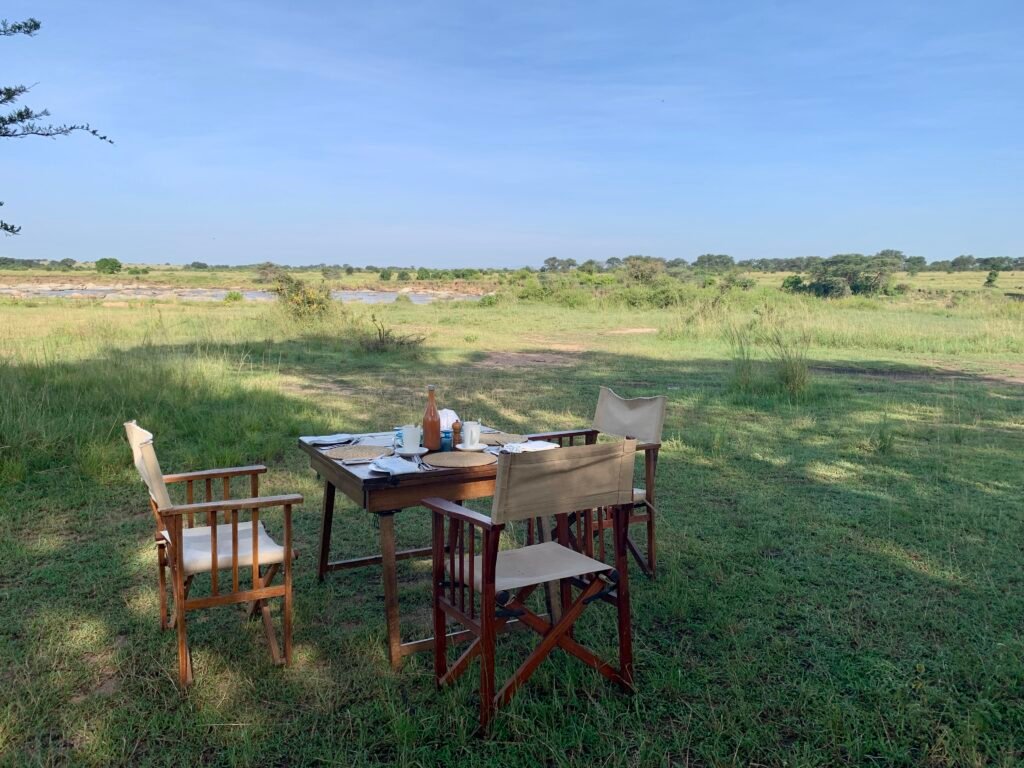
Dining at Lamai Serengeti is informal and flexible, shaped around guests and their activities. One of Nomad Tanzania’s trademarks, and one of the many highlights , is the picnic breakfast out on the plains, which we happily chose most days.
For picnic breakfasts, you’re woken between 5.30am and 6am with tea or coffee, leaving camp at first light around 6.00–6.30am. The picnic breakfast stop is usually at around 9am, depending on sightings. The guides are highly skilled at finding just the right place.
Breakfast is laid out on a table or the bonnet of the vehicle, with camp chairs, flasks of hot tea and coffee, juice, fruit, yoghurt and cereal, usually followed by a pre-cooked option such as a toasted sandwich or wrap. Pastries or muffins are often included too.
On one morning, we were treated to a ‘surprise’ cooked-to-order breakfast by the Mara River. We arrived to find the camp chef in his whites and a table all laid up with linen and crockery.
Lunches are served buffet-style back in camp, with fresh salads and imaginative shared platters that change daily. These were consistently excellent. Guests are also asked to select their dinner choices in advance; Nomad operates a seven-day rotating menu, ensuring variety for longer stays. One evening is typically dedicated to a Swahili-themed menu.
Drinks are also included in your package.
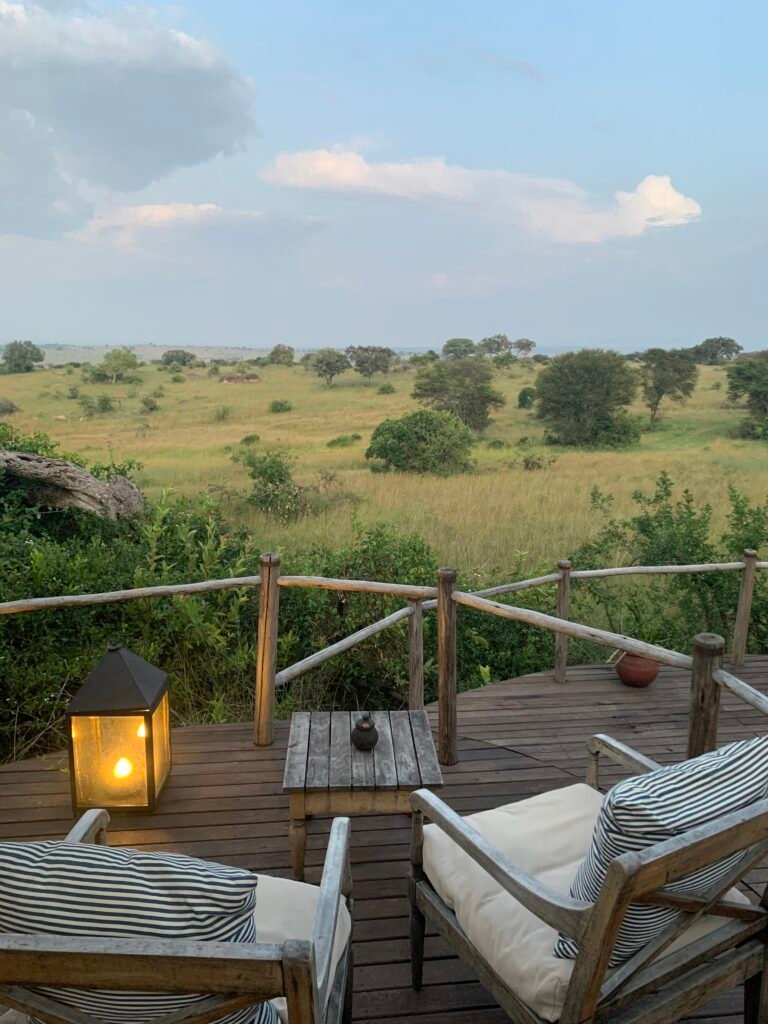
Afternoon tea – complete with freshly baked cake – is served in the lounge with guests and guides before departing for the afternoon drive at around 4.00–4.30pm.
On return, there’s time to shower and change before gathering for sundowners and nibbles by the fire, followed by a three course dinner, with a choice of starter and main course. Dining may be as a couple or at a communal table. If you have a strong preference, it’s worth mentioning, though hosts are generally excellent at reading the mood.
Wildlife Viewing in the Northern Serengeti
Although February falls outside the peak Great Migration river-crossing season, wildlife viewing remains good throughout the year. The grass is long and lush, which can reduce visibility for smaller species and makes off-road driving more challenging, but for larger animals, and for appreciating the beauty of the landscape, this is a magical time.
With few vehicles around, the experience is less about ticking off species and more about immersion.
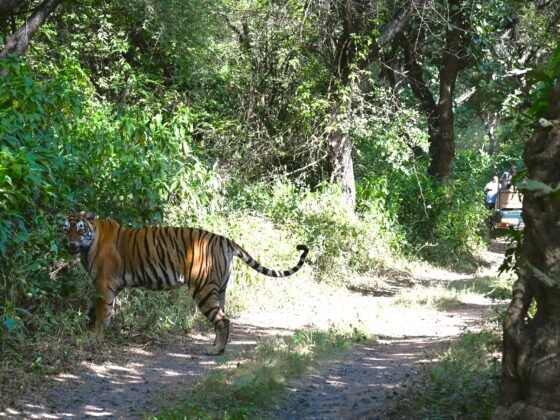
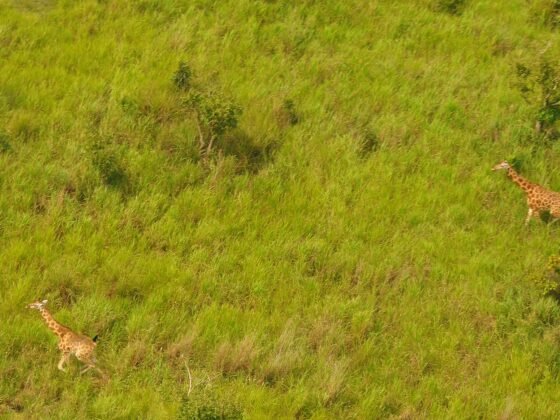
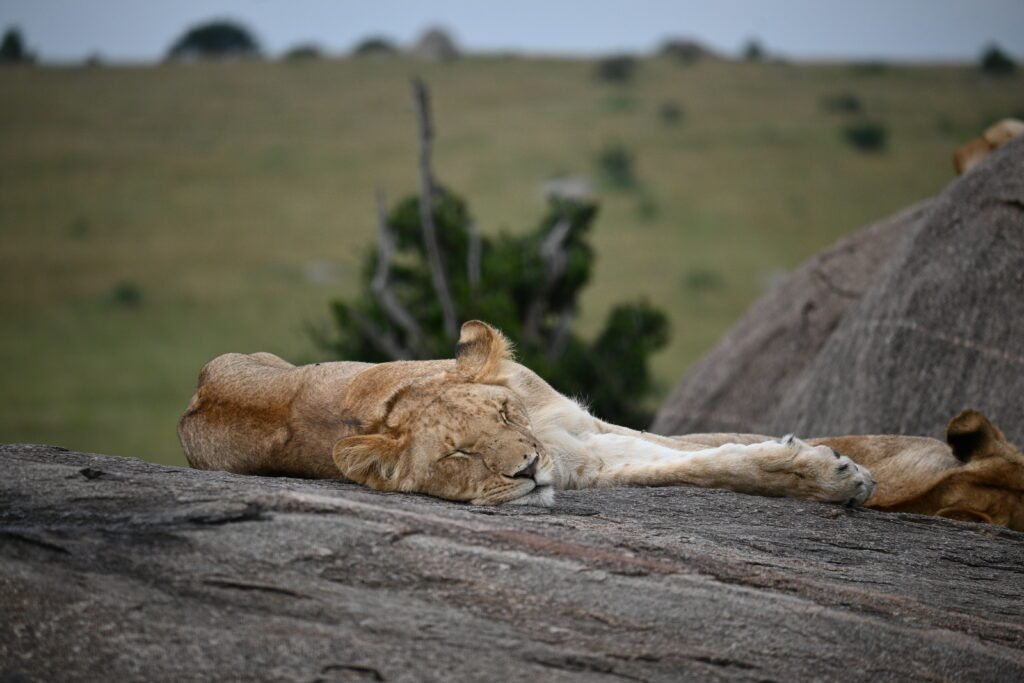
Early morning drives delivered giraffe at sunrise, lions disputing a fresh kill, and abundant plains game. Lions are particularly fond of sunning themselves on the giant kopjes, keeping a watchful eye out for any passing opportunity, so sightings were frequent.
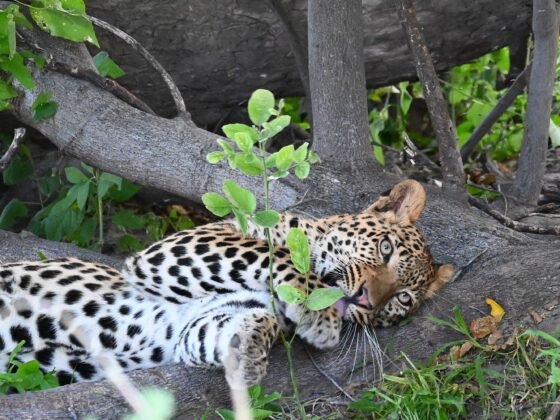
Leopard are renowned in this area, though we struggled to catch up with one, despite looking daily, until the very last evening when we got lucky…
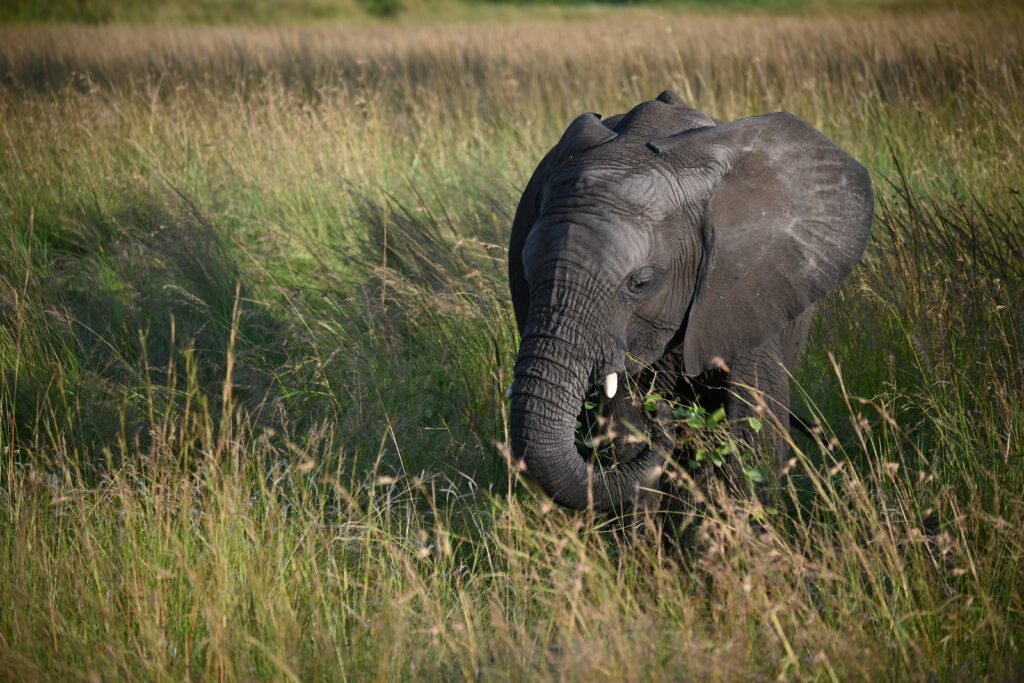
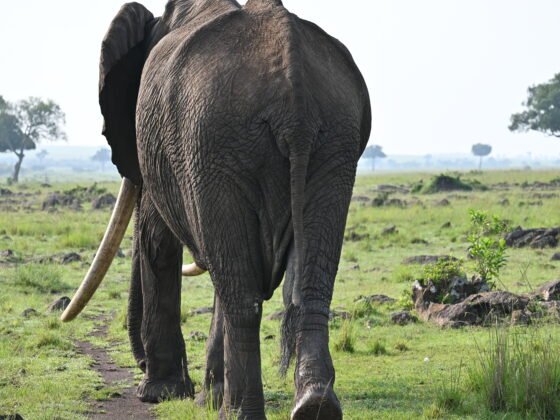
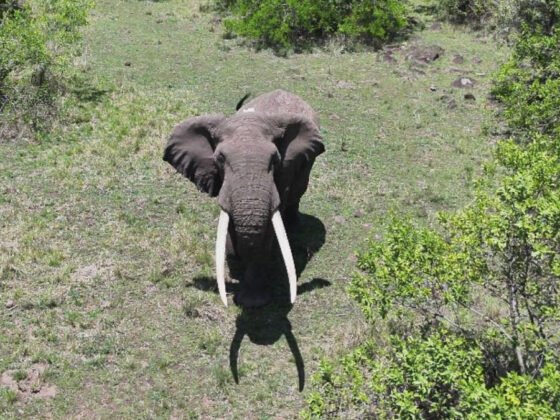
After an unforgettable afternoon spent quietly watching elephant family dynamics, we headed to a special ‘bush bar’ set up for guests on their final night. As we drove back to camp at dusk, there it was: a beautiful male leopard, perfectly framed in the fading light, literally just beyond camp.
Guides & the Nomad Tanzania Experience
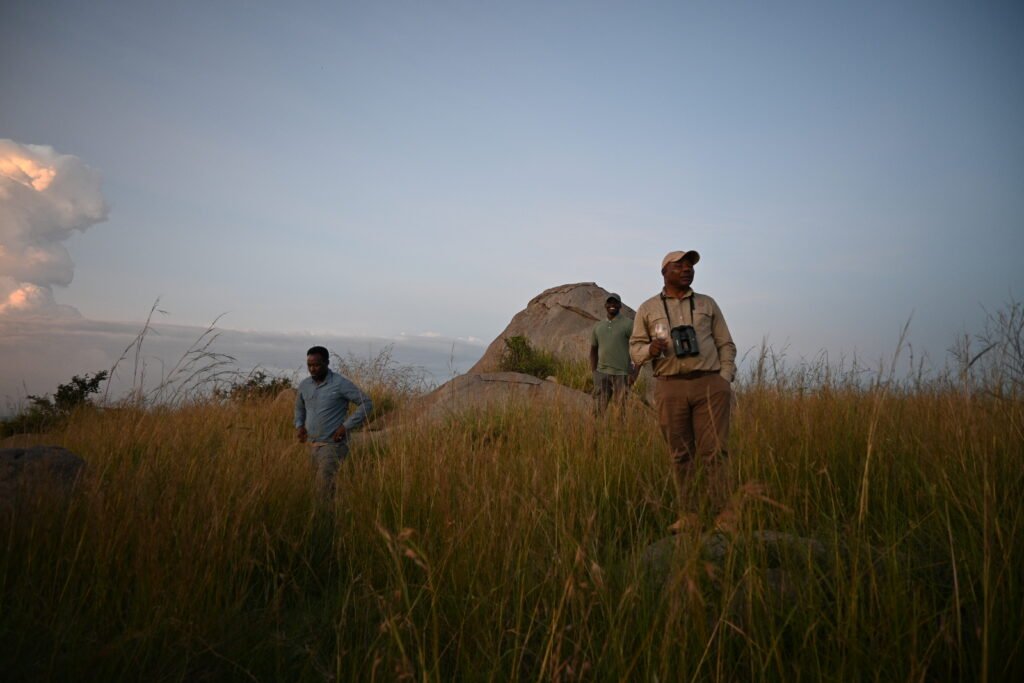
Having stayed at five Nomad Tanzania properties, I can confidently say that guiding and staff quality are among their greatest strengths, and Lamai Serengeti was no exception. I love that the guides and staff are local and genuinely seem happy to be there.
Camp managers Lawrence and James set a relaxed yet professional tone, and every guide I met was experienced and knowledgeable. Excellent driving skills, an understanding of wildlife and ecology, and an instinctive sense of when to let a moment unfold all spoke of quiet confidence and well-honed training, something Nomad Tanzania does particularly well.
Vehicles
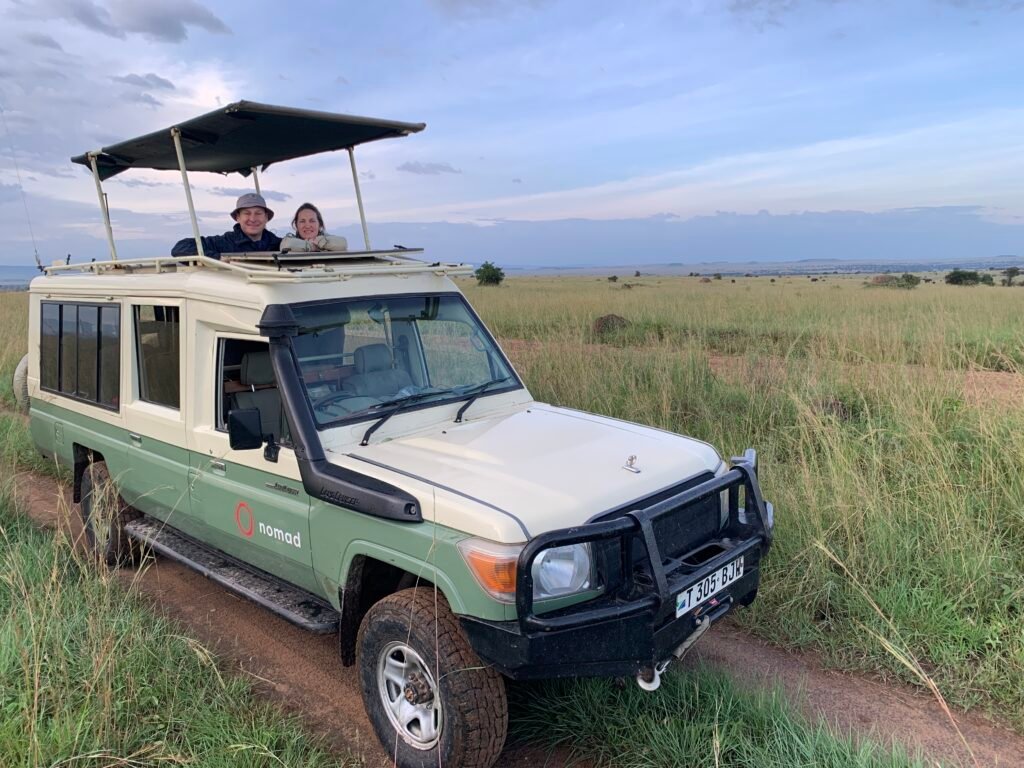
Lamai offers closed and open 4WD safari vehicles. Because we travelled by road to Lamai, we were in a closed vehicle but if you fly-in they offer both closed and open 4WD.
When to Visit Lamai Serengeti
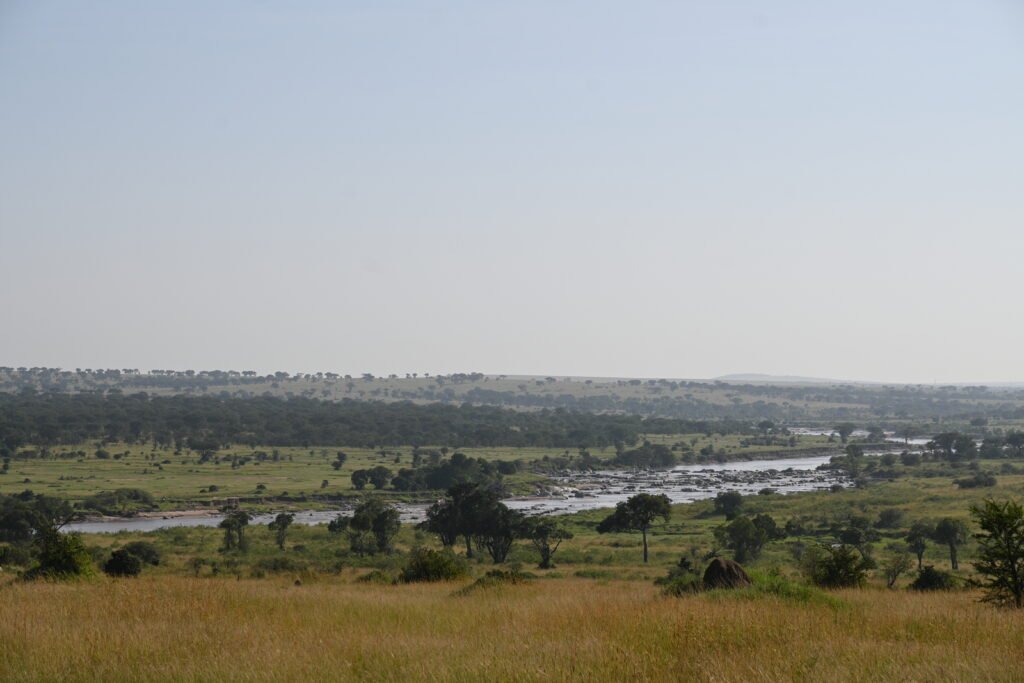
- July to early November brings the Great Migration and dramatic river crossings, with peak activity in August and September
- January and February offer greener landscapes, fewer vehicles, lower rates and excellent resident wildlife
Lamai Serengeti works best as part of a broader Tanzanian safari itinerary, paired with the southern Serengeti, the Ngorongoro Conservation Area or Zanzibar.