If you’ve been researching safaris online – especially if you’re planning that once-in-a-lifetime trip – you may have reached the conclusion that “Botswana is the best.” And in many ways, that reputation is deserved.
But “best” is always personal. It depends on what you want from your safari, how you like to travel, your budget, and the kind of experience you’re hoping for.
Here’s what Botswana does brilliantly.
Small camps, big wilderness
Botswana has chosen a model of low-impact, high-quality safari tourism.
That usually means:
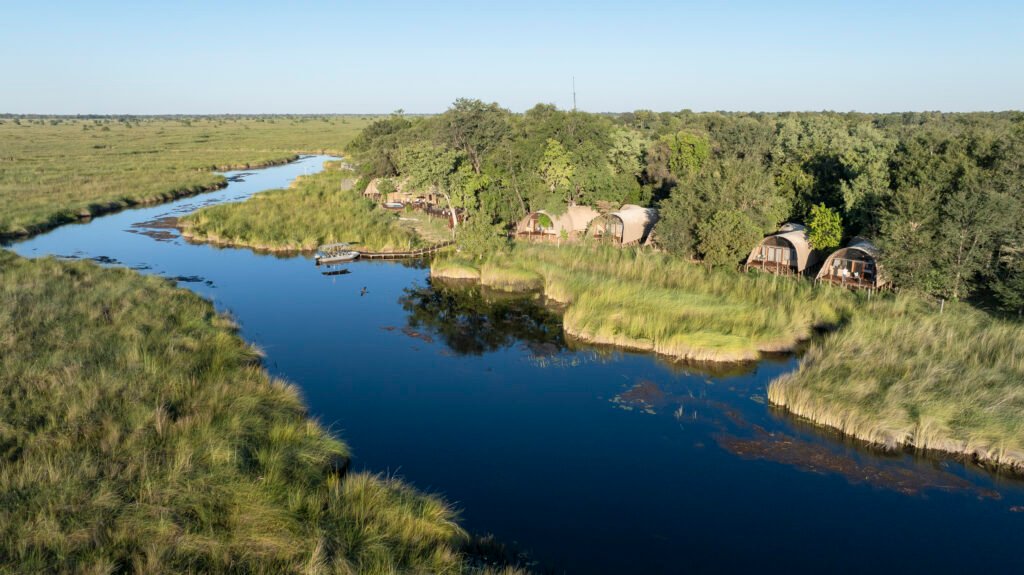
- small camps, often just 6 to 12 tents
- many privately managed concessions
- very few vehicles at sightings
- a genuine feeling of space and solitude
You are not queuing for wildlife. Most of the time it feels as if the bush belongs to you and your guide.
A wide range of ways to explore
Botswana is not just about game drives, although those are excellent. In many areas you can mix your activities, which keeps every day different and engaging.
Options include:
- day and night 4×4 drives
- guided bush walks
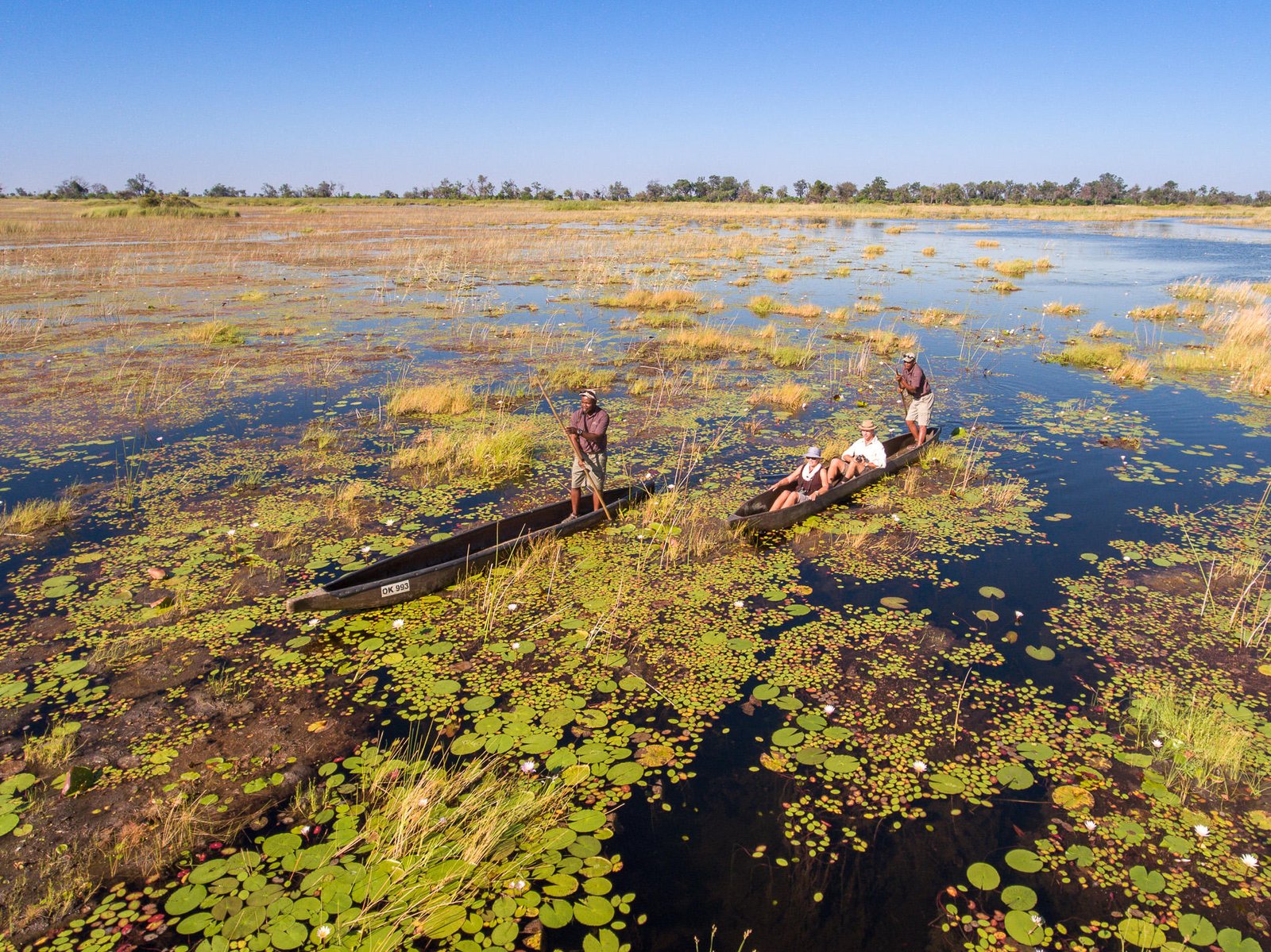
- mokoro (dug-out canoe) trips
- motorboat safaris
- horse riding in certain areas
- mobile or fly-camping
- outstanding birding and photography
It is an incredibly flexible destination if you like variety and immersion.
Wildlife that rewards patience
Botswana is home to an exceptional range of species, including some of Africa’s rarer and more endangered animals.
You may encounter:
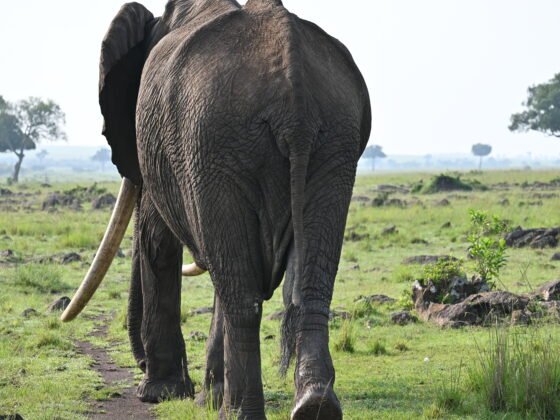
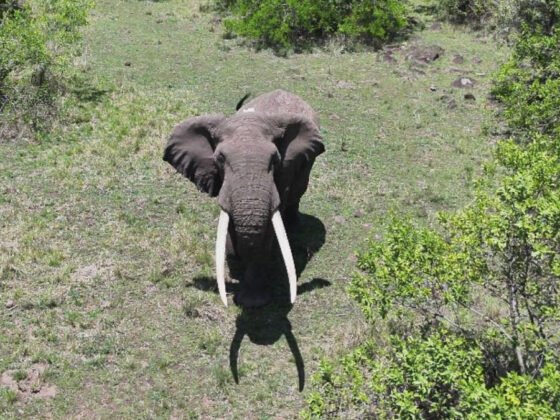
- large elephant herds
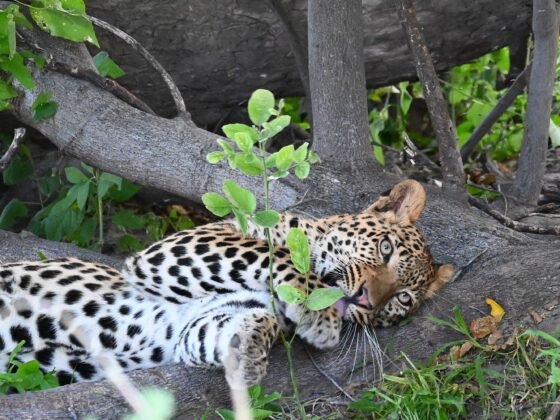
- lion, leopard and cheetah
- African wild dog
- buffalo, giraffe and zebra
- a wide range of antelope, including sitatunga
- prolific birdlife, especially in the Delta
Because visitor numbers are carefully controlled, sightings often feel quieter, calmer and more natural.
When to visit
Peak season: July to October
Dry, clear conditions with wildlife concentrating around remaining water, particularly from August to October. Cool nights and warm days. This is the busiest and most popular time, with peak rates, so early booking is essential.
Green season: December to March
Hotter, with dramatic afternoon showers. The landscape is lush, migrant birds arrive, and many animals give birth. Wildlife viewing can still be rewarding, but sightings are more challenging due to thicker vegetation and wider dispersal. In contrast, this is the best time to visit the Kalahari salt pans.
Shoulder season: April, May, June and November
These are transition months. From April through June, floodwaters arrive in the Okavango and transform the landscape. Long grass in April and early May can make sightings tricky, but wildlife increases steadily, and June can be an excellent option before peak rates begin.
November is usually the hottest month but can offer excellent wildlife viewing; as soon as the rains break, big herds of elephant and buffalo start to disperse.
Key safari regions, and how they differ
The Okavango Delta (including Moremi)
The Okavango Delta is one of Africa’s most remarkable ecosystems, flooding from around May or June and creating a mosaic of channels, islands and floodplains.
- Private concessions allow night drives, walking and off-road exploration.
- Moremi Game Reserve offers strong Big Five sightings but with stricter park rules.
- Water-based safaris reveal the quieter species that thrive among the channels and reeds.
Many travellers spend around six nights in the Delta, splitting their stay between two or three contrasting camps to experience both land and water environments.
Chobe National Park
Chobe is world-famous for its elephant population. In the dry season, large herds gather along the river, creating an unforgettable spectacle. River cruises offer superb wildlife and bird viewing.
Because Chobe can be accessed by road, it is generally more affordable and can be busier than private concessions. It works well as an add-on or as an introduction to Botswana.
Travel further west toward the Forest Reserve or Linyanti and you reach quieter areas with excellent predator viewing.
The Kalahari and salt pans
The desert regions offer a completely different safari experience.
- The Central Kalahari Game Reserve feels remote, wild and atmospheric, particularly after the rains.
- The Makgadikgadi and Nxai pans deliver zebra migrations, flamingos, wide open horizons and extraordinary night skies.
These areas are at their best during or just following the ‘Green’ season (December to March). From July to October wildlife is very widely dispersed.
Getting there and around
Most visitors fly via Johannesburg, connecting to Maun or Kasane.
From there, travel to camps is usually by light aircraft. It is both practical and memorable, giving wonderful aerial views of the wilderness.
- Soft bags only, usually a total 20 kg allowance (including hand luggage and cameras).
- Laundry is normally included, so packing light is manageable.
- Chobe can also be accessed by road and combines easily with Victoria Falls.
What a Botswana safari really feels like
Botswana safaris run at the pace of nature, not the pace of a timetable.
You might glide quietly at dawn through papyrus channels, follow lions across a floodplain, watch wild dogs preparing to hunt, or fall asleep to hippo grunting outside your tent.
It is immersive, thoughtful and deeply restorative.
Conservation, and why it matters here
Botswana has invested heavily in conservation-minded tourism. Large wilderness areas remain protected, and privately managed concessions help to limit environmental impact.
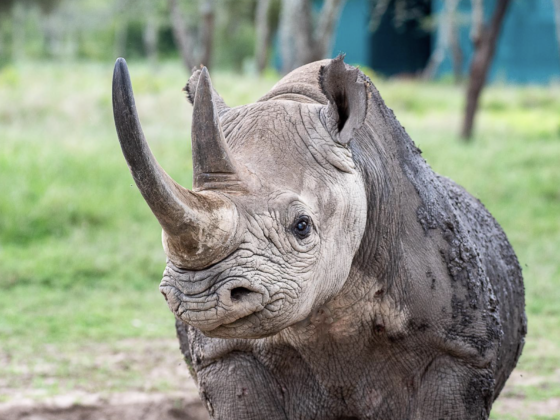
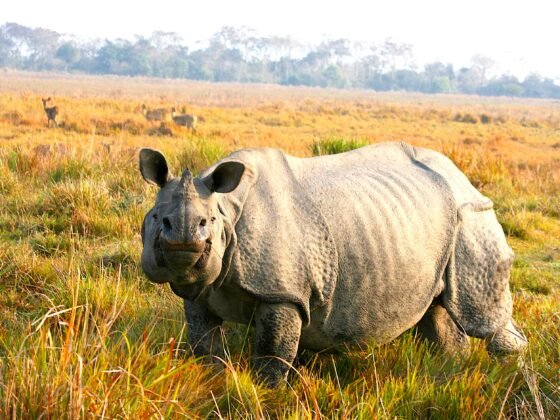
Endangered species such as black rhino and African wild dog have benefitted from this approach.
Through Explorers Against Extinction we have supported conservation work in Botswana. Travel, when done responsibly, plays a genuine role in that story.
What does it cost?
Small camps, remote locations and light aircraft flights all contribute to the cost of a Botswana safari. You are paying for exclusivity, a high-quality, low-density experience, and protection of the environment.
Travel outside the peak months and rates are often lower. You’ll find example itineraries with pricing on our website.
Safaris here are typically all-inclusive, meaning guiding, activities, meals and most drinks are covered. Your holiday costs are largely settled before you travel, with only tips and incidentals on top.
So, is Botswana “best”?
For travellers who value wilderness, privacy, varied activities and meaningful conservation, Botswana is a fantastic choice.
But the right safari is always the one that fits you. Our role is to help you weigh landscapes, wildlife priorities, comfort levels and budget, and then match them to the right itinerary.
Ready to explore Botswana?
Whether you are imagining a classic Okavango Delta journey, a desert-and-delta combination, a safari that includes Victoria Falls, or something more adventurous, we can help shape it.
All trips arranged through our trusted network are ATOL protected. Explorers Against Extinction receives a small referral commission at no extra cost to you, supporting our conservation work.
Get in touch to start planning your Botswana safari.
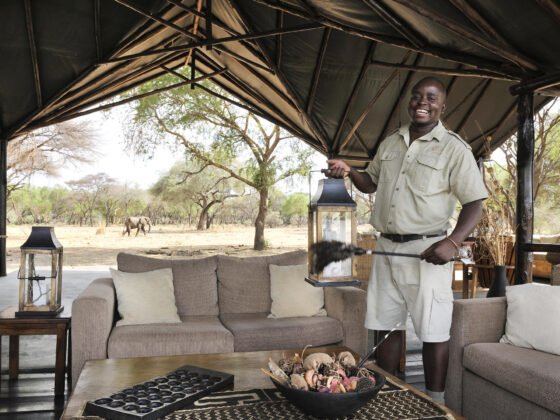
Image: Little Vumbura