Origins: When the Crisis Was Clear
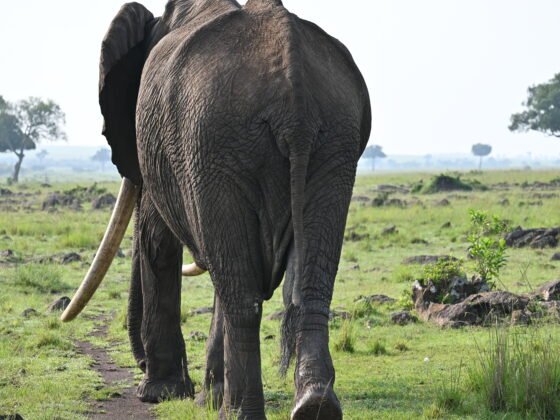
In 2015, elephants were in crisis.
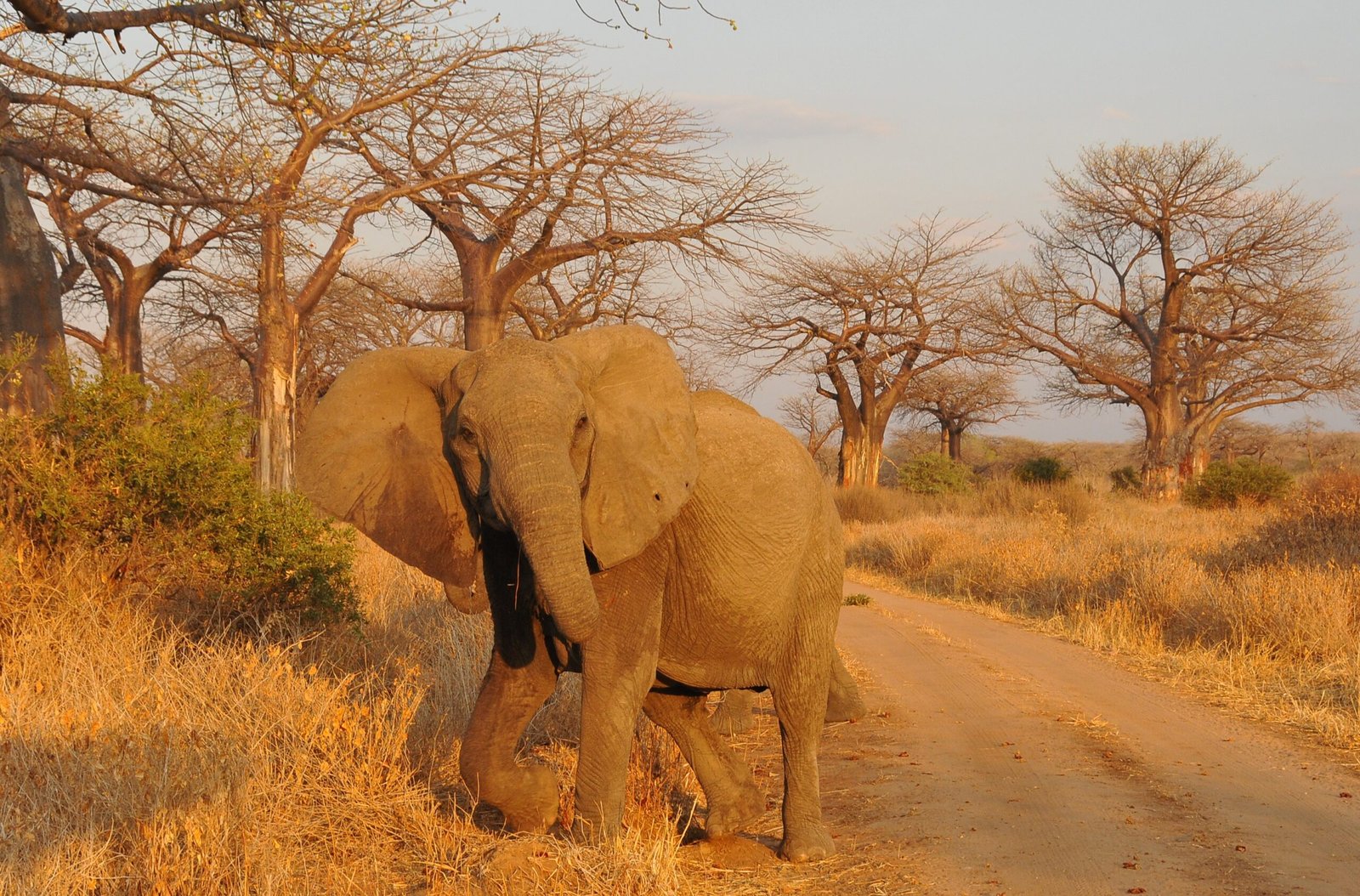
Across Africa, tens of thousands were being killed each year for their ivory. Well-organised criminal networks were driving an unprecedented poaching epidemic, and images of carcasses left to rot across savannah and forest landscapes had become grimly familiar. Protected areas were under siege, and rangers were risking, and losing, their lives in defence of wildlife.
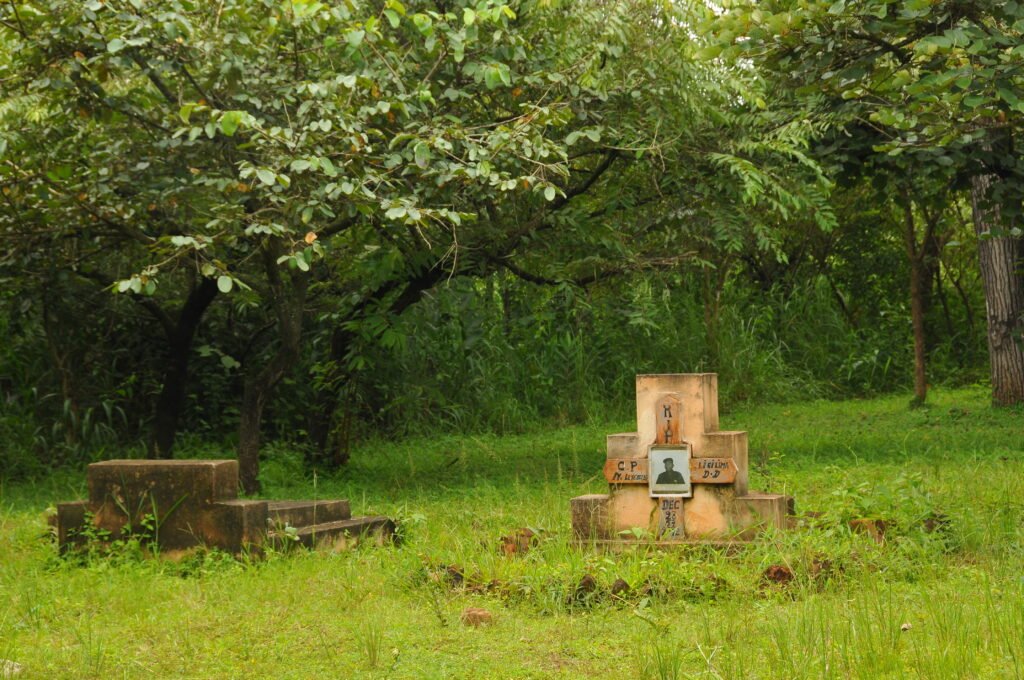
For us, as a safari specialist established in 2000, this was not an abstract issue. Poaching, insecurity and the impact on local communities were unavoidable conversations, heard repeatedly in camps, vehicles and villages across Africa. Travel had given us a front-row seat to what was being lost.
It was against this backdrop that Explorers Against Extinction’s journey with elephant conservation truly began in earnest.
Our first major elephant-focused fundraiser supported Save the Elephants, based in Kenya. In 2015, we donated $23,000 USD, a modest sum in the context of a continental crisis, but a pivotal moment for us.

As STE co-founder Iain Douglas-Hamilton wrote in a letter to us at the time:
“With thanks to support such as yours, 2015 may prove a turning point in the ivory crisis that we have been battling for the last seven years.”
That early fundraiser did more than raise money. It showed us what was possible when a community comes together around a shared cause.
Ten years on, that initial $23,000 has grown into more than $565,000 USD donated to conservation projects across 30 countries, and it was that first elephant appeal that set the trajectory.
It also sowed the seed for what would soon become Sketch for Survival.
Poaching at Its Peak

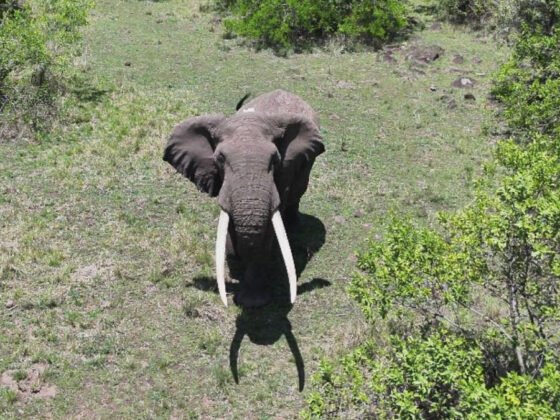
The Great Elephant Census revealed a 30% decline in African savannah elephant populations between 2007 and 2014. The year 2011 is often cited as the peak, with as many as 40,000 elephants killed in a single year.
By 2015, it was estimated that one African elephant was being lost every 26 minutes on average. That equates to more than 20,000 elephants a year.
Project support during this period focused on anti-poaching and support for rangers on the frontline.
We also launched merchandise, including shopping tote bags, featuring the average number of elephants lost each day to poaching. These simple messages helped keep the crisis visible and urgent.
Policy shifts helped to slow the numbers.
China’s announcement of a domestic ivory trade ban, which came fully into effect in 2017 and 2018, alongside the destruction of ivory stockpiles, contributed to a reduction in poaching rates. However, the threat did not disappear.
Awareness, Art and Action
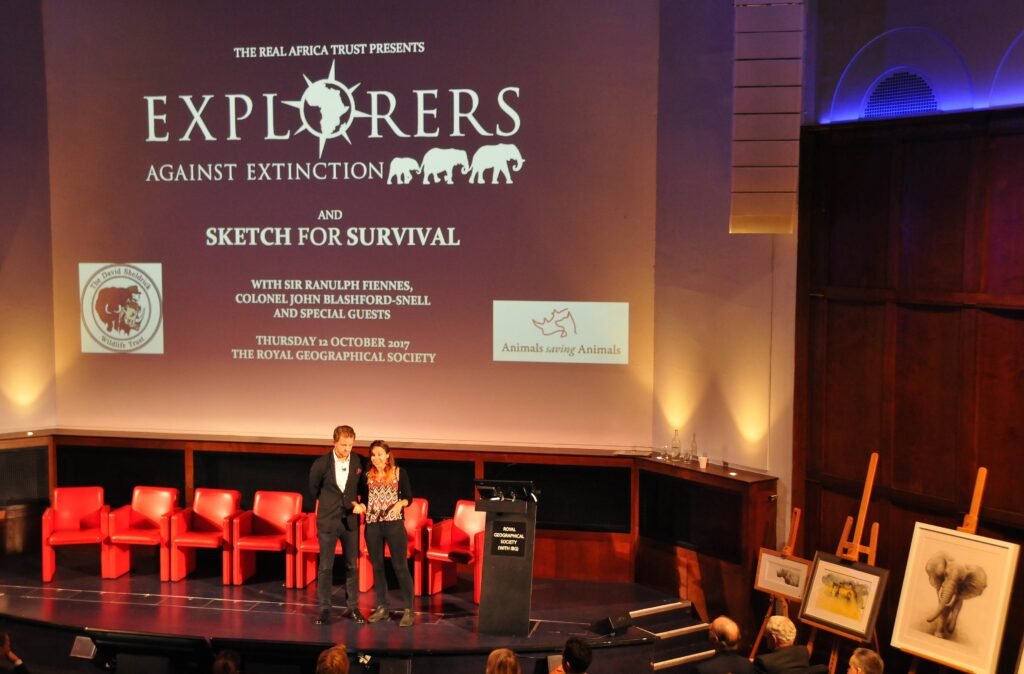
In 2017, Explorers Against Extinction formally emerged, alongside the launch of Sketch for Survival, featuring a collection of 26 minutes wildlife sketches donated by artists and celebrities, and other artworks.
Art became a powerful conservation tool, not only to raise funds, but to connect people emotionally with species at risk, including elephants.
During these years, our elephant support extended to projects focused on wildlife protection, rescue and rehabilitation/release, including work with:
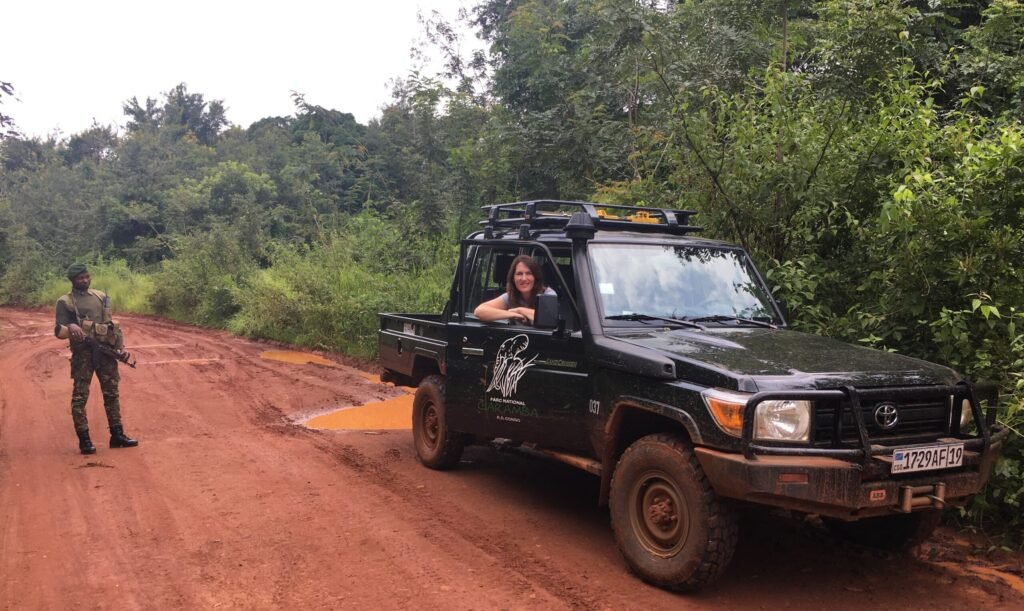
African Parks in Garamba National Park, where elephant numbers collapsed from 20,000 to just 1,200 over a 50 year period.
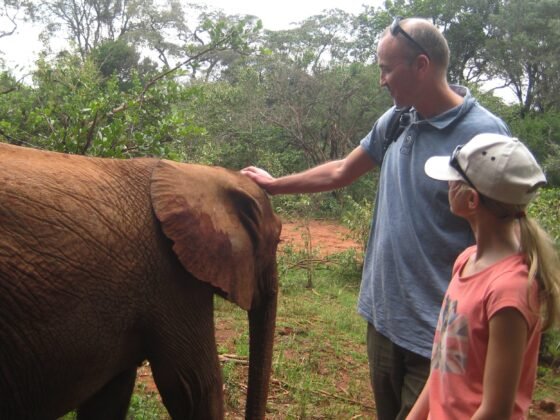
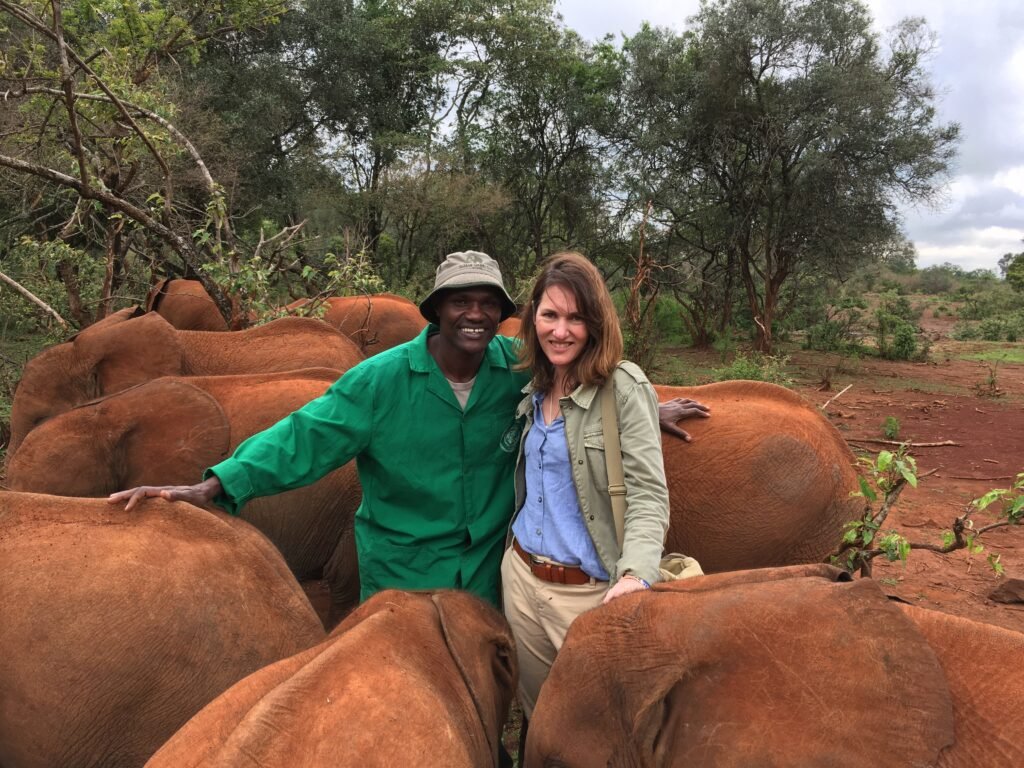
Sheldrick Wildlife Trust, whose work rescuing, rehabilitating and releasing orphaned elephants (and other wildlife) became a symbol of hope during the darkest years of the poaching crisis.
In addition to caring for elephants orphaned due to poaching, SWT also mitigate human–elephant conflict situations, and are on hand to attend accidents linked to hazards such as wells, or step in when natural causes leave an orphan.
These partnerships reflected the realities on the ground. Elephants needed protection, rangers needed support, and orphaned calves needed specialist care.
While poaching remained a threat, another challenge was accelerating.
A War of Space: Human–Elephant Conflict

By the early 2020s, a significant shift was underway.
In some regions, anti-poaching efforts had helped stabilise or even recover elephant populations. However, success brought new challenges. Expanding elephant numbers, shrinking habitats and growing human populations led to a rapid escalation in human–elephant conflict.
Our support for the Mara Elephant Project in 2022 marked a turning point. This work focused not on stopping poaching, but on coexistence.
Between 2016 and 2022, the Mara Elephant Project recorded a 268% increase in crop damage incidents, with elephant deaths from conflict outpacing those from poaching. That figure has continued to rise.
It became imperative to focus on conservation solutions that enable people and elephants to live side by side. We were the first organisation to fund MEP’s ‘experimental farm’ initiative.
Pandemic Pressure: When Poaching Changed Shape
The COVID-19 pandemic exposed another layer of vulnerability.
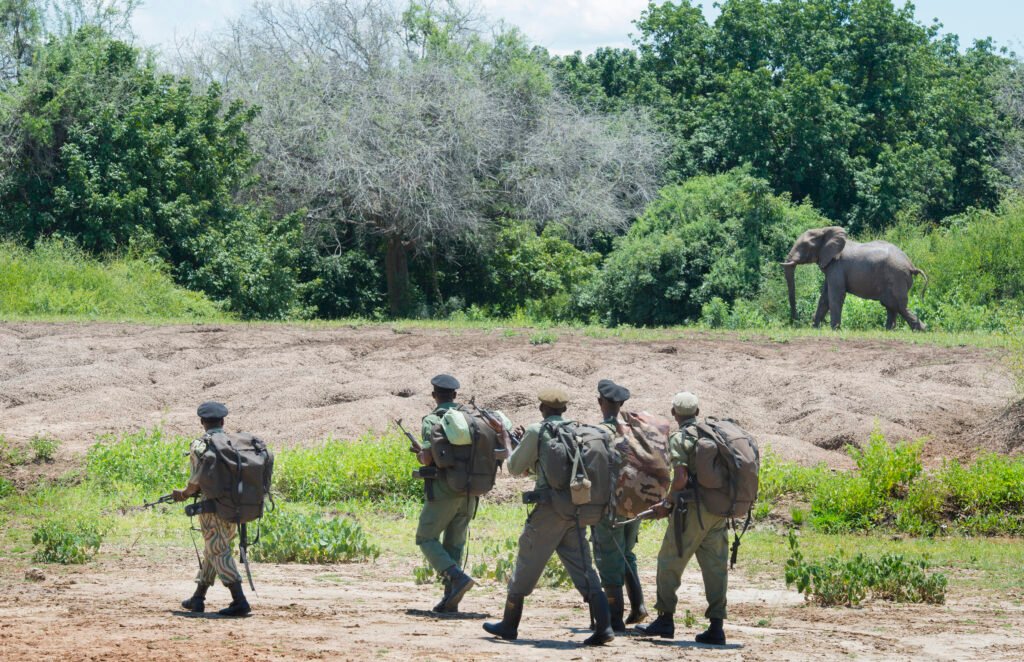
In 2020, we partnered with Conservation Lower Zambezi. At the height of the pandemic, they reported finding elephant carcasses with tusks intact. Partners also recorded an increase in the snaring and killing of wildlife, including elephants, driven by food insecurity and the collapse of ecotourism.
Our response focused on people as much as wildlife. We funded a community scout programme, creating local employment while strengthening protection and building tolerance at a time of widespread hardship.
It reinforced a critical lesson. Conservation cannot succeed without livelihoods.
Elephants and Climate Change
Climate change is now compounding existing pressures on elephants and people.
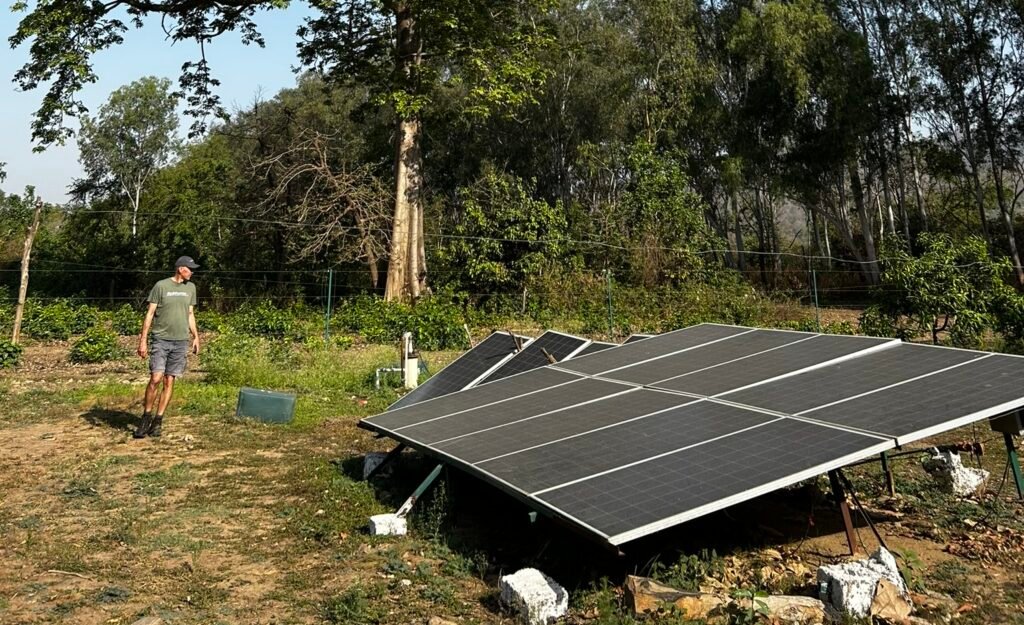
In parts of India, rising temperatures and increasingly prolonged dry seasons are reducing access to water and forage. In Amangarh, where summer temperatures regularly exceed 40 degrees Celsius, seasonal water bodies are drying earlier each year. Elephants rely on access to water, not only for drinking but to regulate body temperature and maintain herd health.
As water sources disappear, elephants are forced to travel further and closer to human settlements, increasing the risk of conflict. Supporting habitat protection, water security and community tolerance is becoming an essential part of elephant conservation in a warming world.
Forest Elephants and the Hidden Front Line
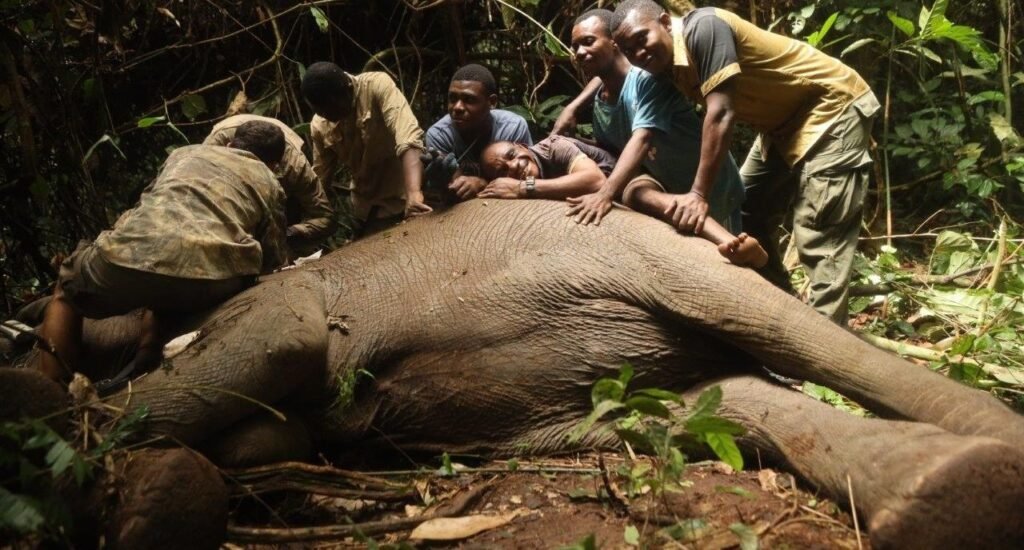
Not all elephant conservation takes place on open savannahs.
In Central Africa, forest elephants face intense pressure from poaching and habitat loss, often far from public view. Over the years, we have supported work in these remote landscapes, including:
Dzanga-Sangha Protected Area, Central African Republic, supporting forest elephant collaring and monitoring.
Chinko, Central African Republic and Garamba, DRC through a genomics programme in partnership with African Parks and Stanford University.

Here, conservation increasingly relies on monitoring and science, from population genetics to satellite collaring, alongside continued protection. Understanding where elephants move, how populations are connected, and how they respond to pressure is now as vital as patrols on the ground.
Elephants as Keystone Species
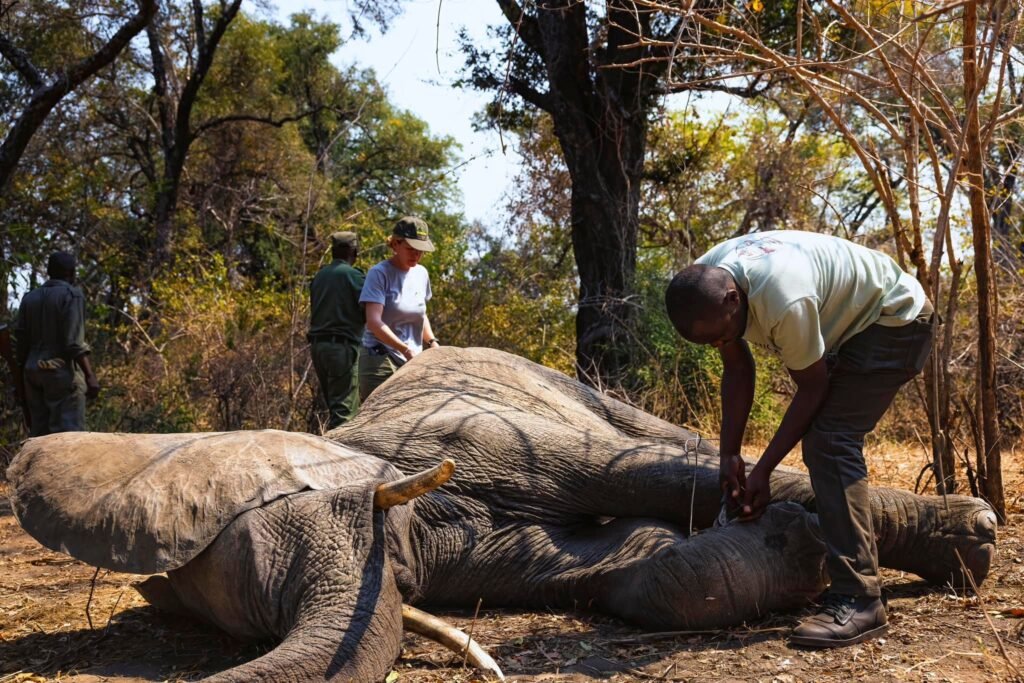
Elephants do not exist in isolation.
They are keystone species, shaping ecosystems through seed dispersal, habitat creation and water access. Protecting elephants safeguards entire landscapes and countless other species.
Projects we’ve supported such as wildlife rescue work and snare removal in the Luangwa Valley reflect this broader systems-based approach.
Elephants are also economically vital. Research linked to the Sheldrick Wildlife Trust suggests a living elephant can generate over $1.6 million in tourism revenue during its lifetime, around 76 times more than the value of its ivory. Ecotourism supports communities, while poaching enriches criminal networks.
Asia: Elephants Living Alongside People
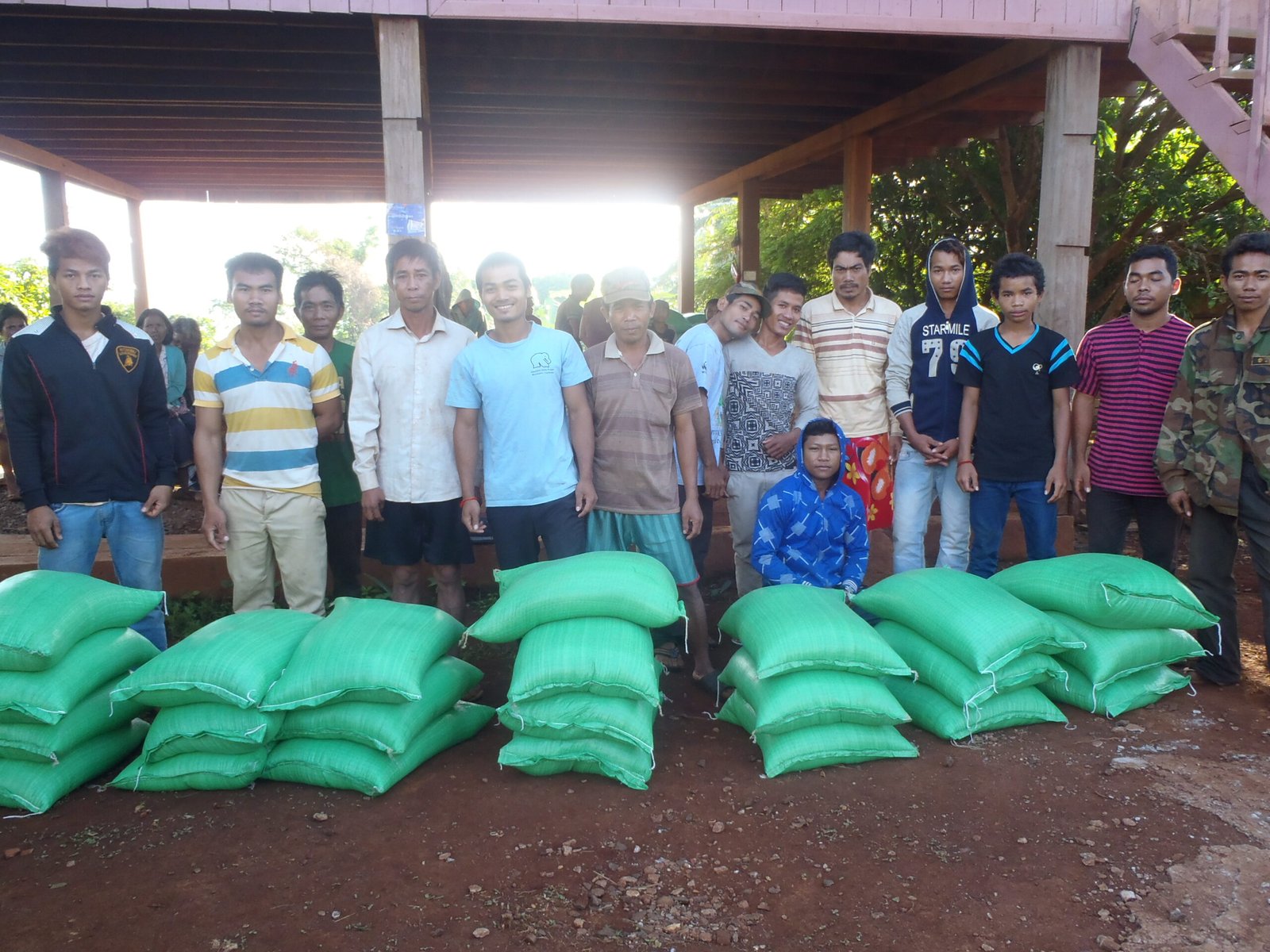
In Asia, elephants face a different reality.
Habitat fragmentation, dense human populations and rapid development mean many elephant populations survive in isolated pockets, often in close proximity to people. Asian elephants also have a long history of human use, and many captive elephants continue to experience poor welfare.
Our support in Asia has focused on ethical alternatives, including work with the Elephant Livelihood Initiative Environment in Cambodia. ELIE provides sanctuary for rescued elephants while supporting local communities through innovative livelihood models, including payment in rice in return for access for the elephants to the community forests.
Looking Ahead
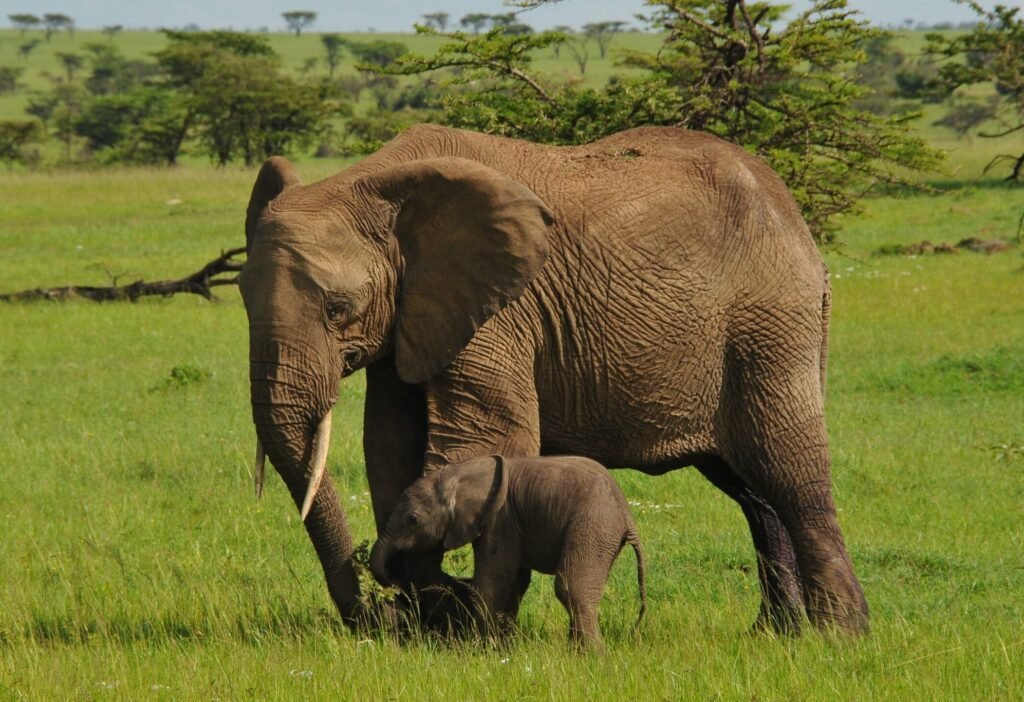
Ten years on, the challenges facing elephants are more complex than ever.
Poaching has not disappeared. Human–elephant conflict is escalating. Climate change adds further pressure. But conservation has evolved, and so has our approach.
From emergency protection to coexistence, from awareness to long-term resilience, elephants remain central to why Explorers Against Extinction exists.
As we look ahead to 2026 and beyond, this decade of experience continues to shape how we choose partners, which projects we support, and how creativity can drive meaningful conservation impact.