When people think about wildlife conservation expeditions, they often picture remote landscapes, dedicated researchers, and moments of rare beauty in the field. What’s less visible is the long chain of logistics that must be in place before anyone sets foot in a rainforest, desert, or savannah.
Behind every successful conservation mission is a layer of preparation that can be just as critical as field skills: visas, permits, identification documents, and compliance with country-specific regulations. When these details go wrong, expeditions can be delayed or cancelled entirely.
Conservation work begins long before the journey
For conservation teams, photographers, and volunteers, international travel is not a luxury, it’s a necessity. Fieldwork often spans multiple countries, each with its own entry requirements, documentation standards, and timelines.
While large organizations may have dedicated staff handling paperwork, smaller teams and independent researchers often manage these tasks themselves. A single missing document or non-compliant visa application can mean lost funding, missed seasonal windows, or reduced time in the field.
The underestimated role of documentation
Visas, research permits, press credentials, and NGO registrations all share a common requirement: accurate, compliant identification documents. Photo specifications vary widely by country and agency, and requirements are often stricter than people expect.
In practice, many conservation workers only discover issues at the final stages of an application. Fixing them can involve re-submitting paperwork, visiting physical photo studios, or delaying travel plans, adding stress and unnecessary costs.
Digital tools that help generate visa-compliant passport photos can reduce this friction. Platforms such as online visa photo services for international travel allow travelers to prepare compliant ID photos remotely, helping applications move forward without last-minute surprises.
Why small delays have big consequences
In conservation work, timing matters. Field seasons are short. Weather windows are narrow. Animal migrations don’t wait for paperwork to catch up.
A delay of even a few weeks can mean:
- Missing critical observation periods
- Reduced data quality
- Additional travel costs
- Lost opportunities for local collaboration
When teams are forced to rebook flights or reschedule field access due to administrative issues, the environmental and financial costs add up quickly.
Reducing barriers for conservation teams and volunteers
Lowering logistical barriers doesn’t just help experienced professionals—it also makes conservation work more accessible to volunteers, early-career researchers, and photographers contributing their skills to conservation projects.
Streamlining travel preparation allows teams to focus on what truly matters: protecting species, supporting local communities, and gathering data that informs long-term conservation strategies. Even small efficiencies—like preparing country-specific visa and ID photos online—can have an outsized impact.
For organizations coordinating international teams, recommending practical tools such as passport and visa photo preparation tools for conservation travel can help participants avoid common administrative pitfalls without increasing the workload for project organizers.
Conservation is more than what happens in the field
Wildlife conservation is often judged by what happens on the ground, but success depends just as much on the unseen systems that support it. Thoughtful preparation, clear documentation, and accessible tools help ensure that conservation efforts aren’t derailed before they even begin.
By acknowledging and improving the logistical side of conservation work, we can help more people contribute effectively, turning good intentions into meaningful action where it matters most.
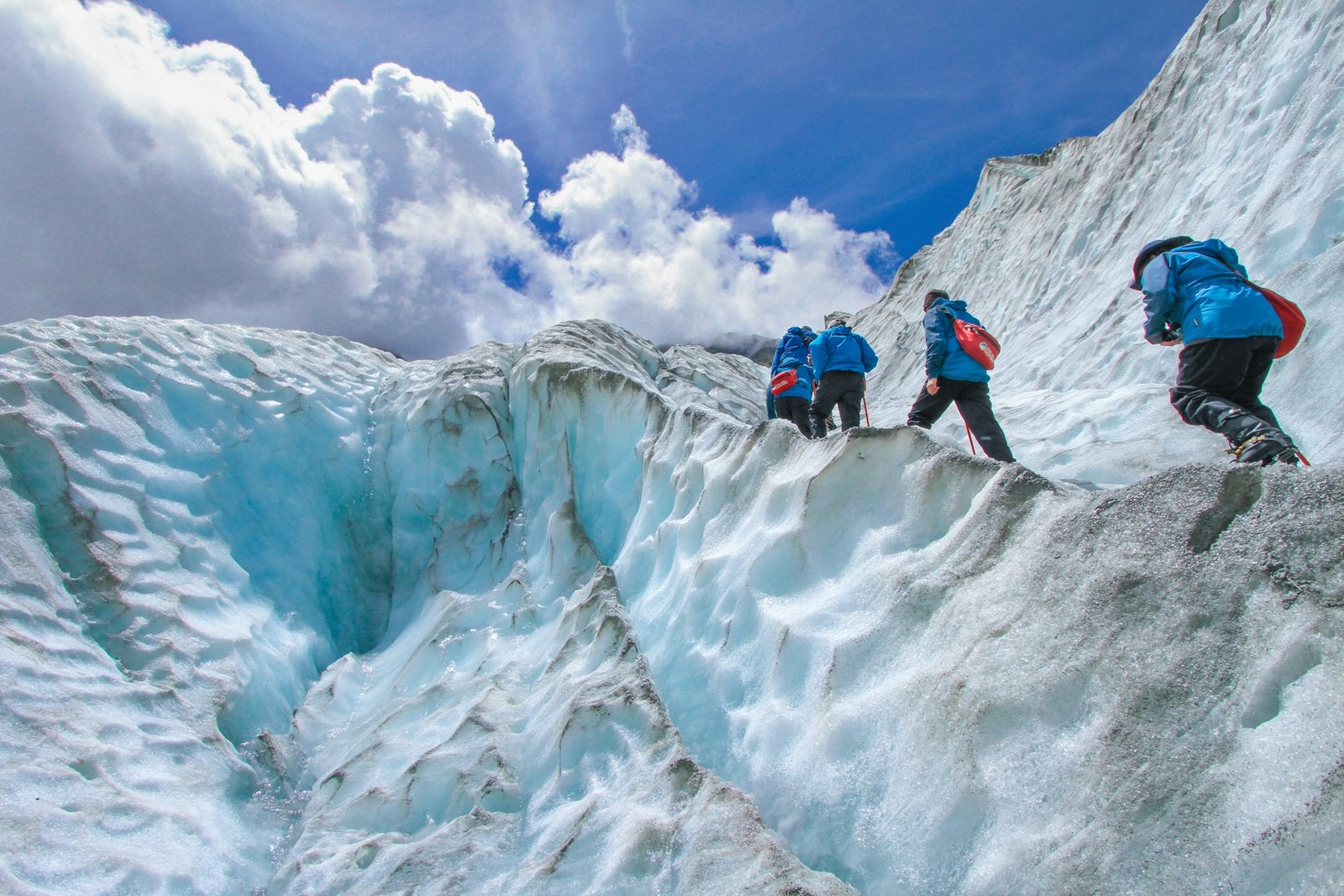
Photo by Jackman Chiu on Unsplash