Elephants are often described as icons of the wild, symbols of Africa and Asia’s great landscapes. But their importance goes far beyond their size, intelligence, or emotional complexity. Elephants shape ecosystems, influence water and vegetation patterns, support biodiversity, and underpin conservation economies across vast regions.
Protecting elephants is not about saving a single species in isolation. It is about safeguarding landscapes, livelihoods, and ecological processes that sustain wildlife and people alike.
Elephants as ecosystem engineers
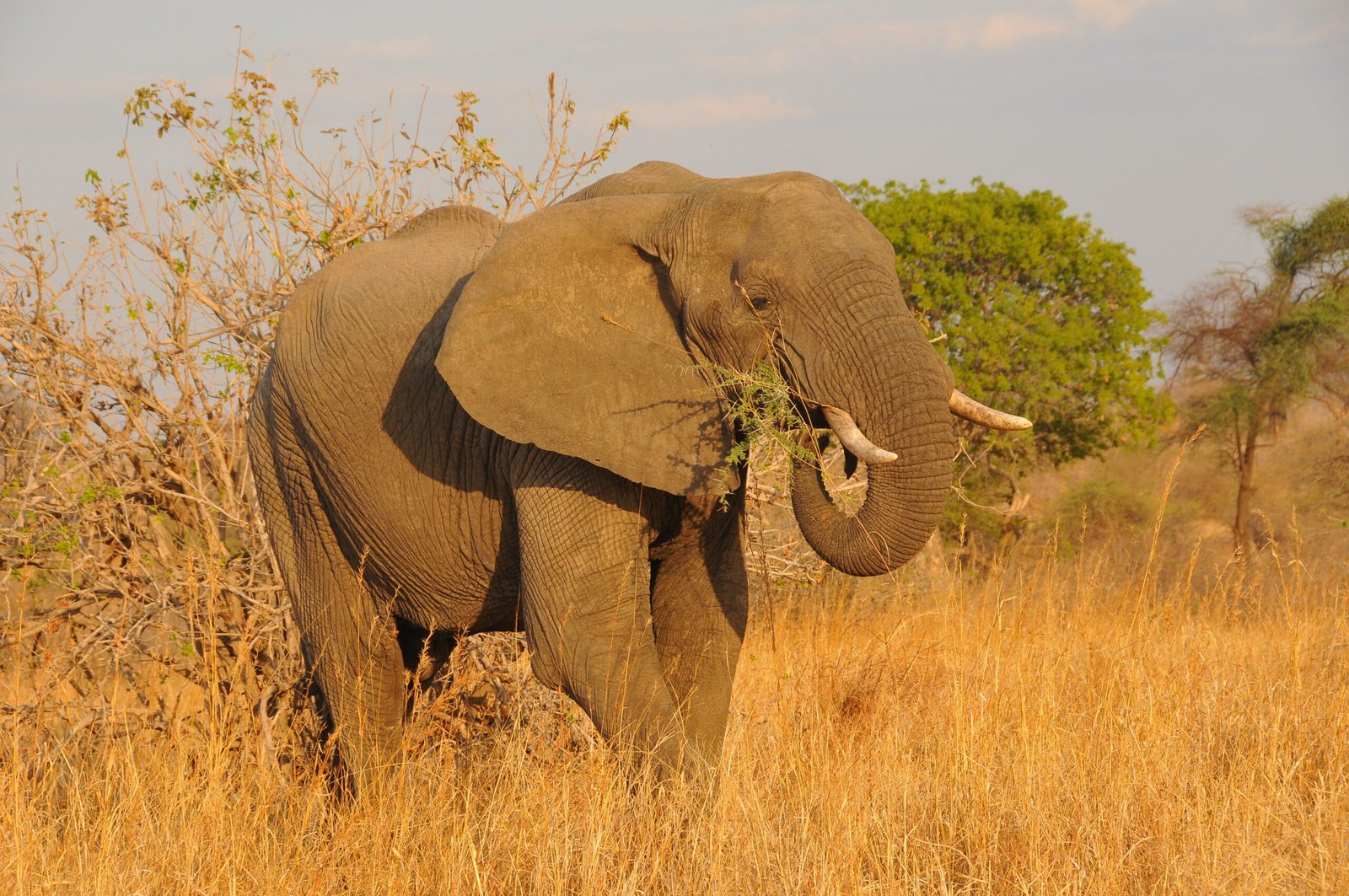
Elephants are a classic keystone species. Their daily movements and feeding behaviour actively shape the environments they inhabit.
By breaking branches, uprooting shrubs, and feeding on woody vegetation, elephants prevent savannahs from becoming closed woodland. This maintains a mosaic of habitats that supports a wide range of species, from insects and birds to grazing herbivores and the predators that depend on them.
In forest ecosystems, elephants play an equally critical role. They disperse seeds over long distances, often many kilometres from the parent tree, depositing them in nutrient-rich dung. Several large forest tree species rely heavily on elephants for seed dispersal. Where elephants disappear, forest composition changes, regeneration slows, and biodiversity declines.
When elephants are lost, ecosystems do not simply lose a species. They lose a process.
Water, movement, and resilience
Elephants influence access to water across dry landscapes. During the dry season, they dig into sandy riverbeds to reach underground water, creating access points used by many other animals. Their well-worn paths become natural corridors, linking habitats and allowing wildlife to move safely across large areas.
These patterns of movement are increasingly important as climate change alters rainfall and resource availability. Elephants require space and connectivity to adapt. When those conditions are in place, entire ecosystems are more resilient.
Intelligence, memory, and social structure
Elephants live in complex social systems, centred around matriarch-led family groups. The experience of older females is vital, guiding groups to seasonal resources and safe migration routes.
This social intelligence also makes elephants vulnerable. The loss of matriarchs through poaching or conflict can destabilise family groups for decades. Conservation that protects elephants must also protect social structure, continuity, and knowledge passed down through generations.
Elephants and the conservation economy
Elephants are central to wildlife tourism across Africa and parts of Asia. In many countries, they are among the most economically valuable wild species, drawing visitors whose spending supports protected areas, local employment, and community development.
Well-managed ecotourism linked to elephants generates long-term income that far outweighs the short-term gains of illegal exploitation. In regions where elephants are valued as living assets rather than liabilities, tolerance increases and coexistence becomes possible.
Protecting elephants is therefore not only an ecological priority, but an economic one.
Threats facing elephants
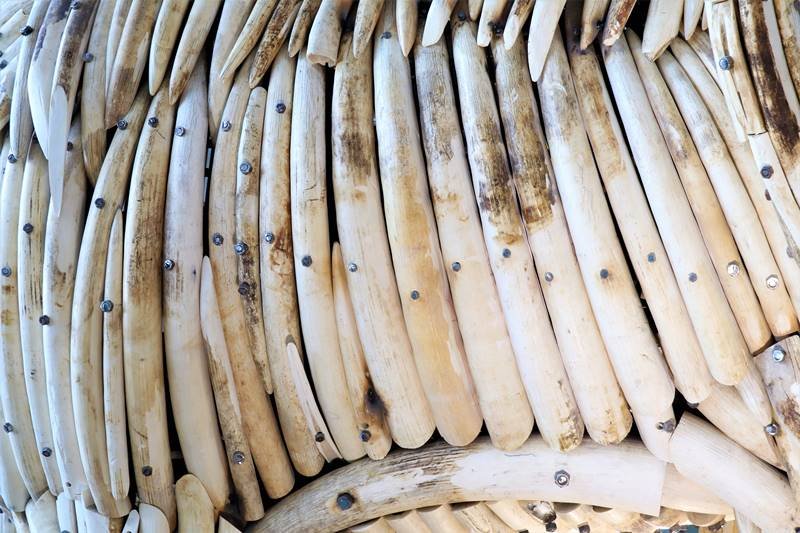
Despite their importance, elephants face sustained and overlapping pressures.
- Habitat loss and fragmentation reduce access to food, water, and migration routes.
- Human-elephant conflict increases as people and elephants compete for space and resources.
- Poaching and illegal wildlife trade continue to impact populations, particularly where governance and enforcement are weak.
- Climate change intensifies droughts and disrupts seasonal patterns that elephants rely on.
While some populations are stable or recovering in well-protected areas, others remain in serious decline. Conservation success is uneven and always vulnerable without long-term commitment.
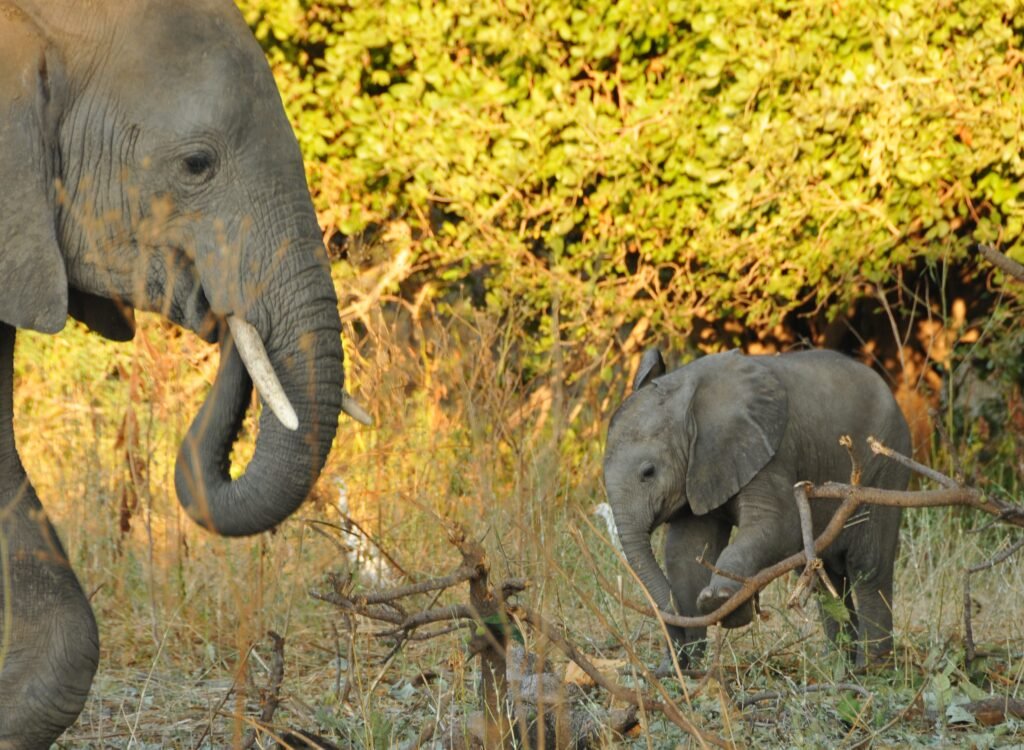
Elephant facts at a glance
Species of elephant
There are three recognised species of elephant, each facing different conservation challenges:
- African savannah elephant (Loxodonta africana)
IUCN Red List: Endangered - African forest elephant (Loxodonta cyclotis)
IUCN Red List: Critically Endangered - Asian elephant (Elephas maximus)
IUCN Red List: Endangered
Elephant populations
- Around 415,000 African elephants remain today, down from an estimated 1.3 million in 1979.
- The majority are savannah elephants, found across 23 African countries.
- Approximately 140,000 of Africa’s remaining elephants are forest elephants.
- An estimated 65 percent of all forest elephants live in Gabon, making the country globally important for their survival.
- Forest elephant populations have declined by more than 80 percent over three generations.
- Asia is home to an additional 40,000 to 50,000 elephants, spread across 13 countries, often in highly fragmented landscapes.
Elephant lifespan and reproduction
- Elephants are long-lived, with lifespans similar to humans, often 60 to 70 years.
- Females give birth roughly once every four to six years, following a 22-month pregnancy, the longest of any land mammal.
- This slow reproductive rate means populations recover very slowly from losses caused by poaching or conflict.
Elephant social structure
- Elephants live in matriarchal family groups, led by the oldest and most experienced female.
- Knowledge held by matriarchs, including migration routes, water sources, and responses to danger, is critical to group survival.
- Disruption to these social structures, particularly through the loss of older individuals, can have long-lasting impacts that extend well beyond individual deaths.
Elephants and people
- Across much of their range, elephants share space with growing human populations.
- Where land use planning, tolerance, and mitigation measures are in place, coexistence is possible.
- Where they are not, conflict can escalate rapidly, often with serious consequences for both people and elephants.
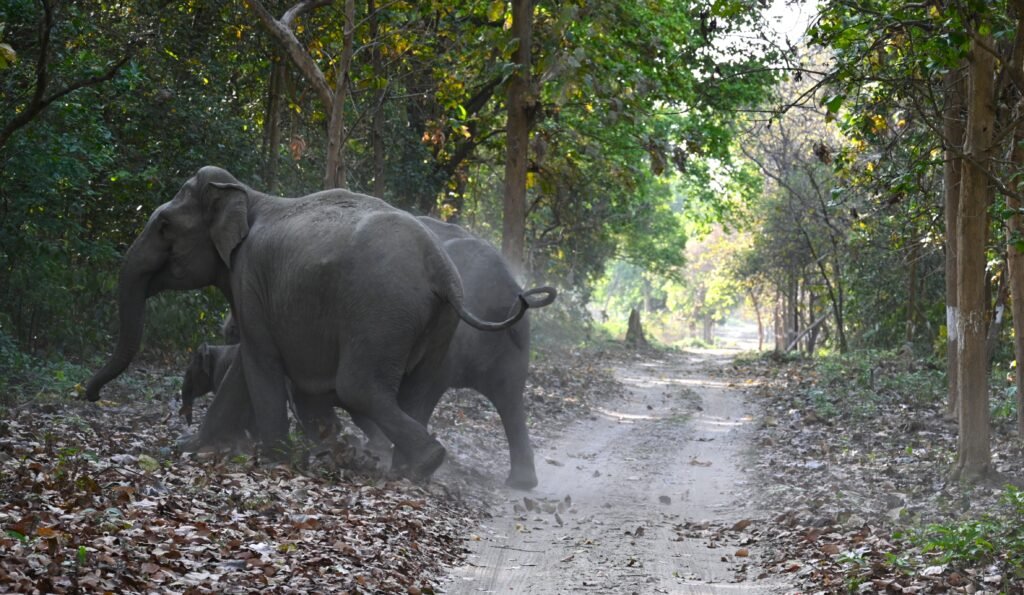
Elephants and community-led conservation
Elephants share landscapes with people. Long-term protection depends on local communities being partners in conservation, not bystanders.
Community-led projects that support coexistence, provide employment, invest in education, and give people a stake in conservation outcomes are among the most effective ways to protect elephants. When communities benefit directly from wildlife, tolerance increases and conflict decreases.
This approach recognises that conservation is as much about people as it is about wildlife.
elephants and Explorers Against Extinction
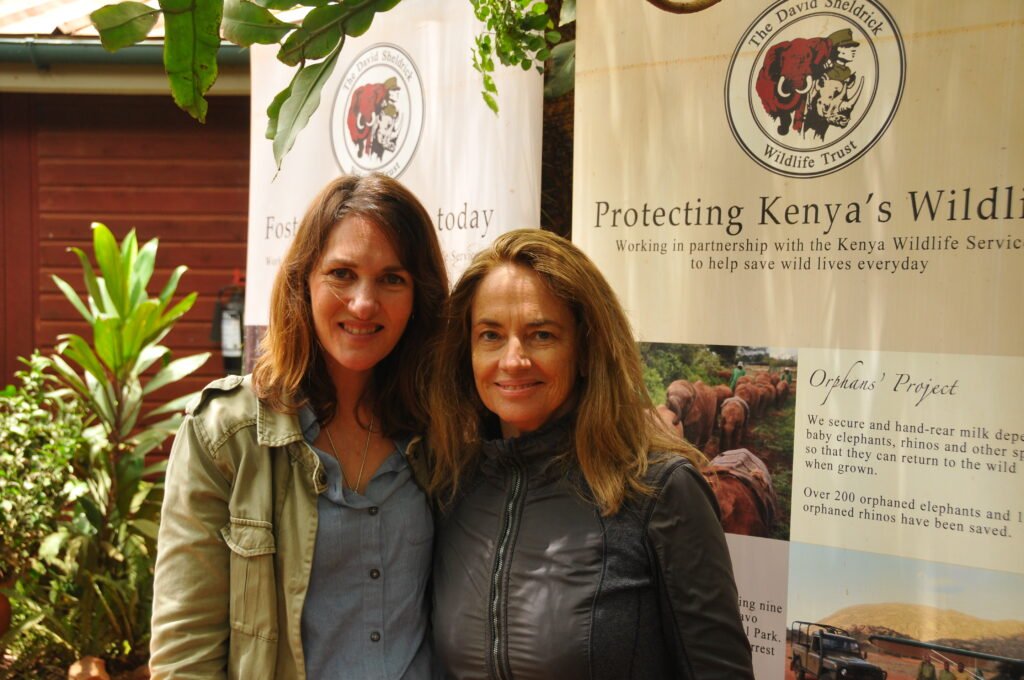
Elephants have been central to Explorers Against Extinction since the charity’s earliest days.
Our first major fundraising campaign in 2015, launched at the height of the elephant poaching crisis, supported Save the Elephants and helped raise awareness at a critical moment for the species. Since then, we have worked with a wide range of partners, supporting elephant conservation through anti-poaching initiatives, human-elephant conflict mitigation, scientific research, and monitoring.
Our work is shaped by first-hand experience in the field and a clear understanding that elephants cannot be protected in isolation. Effective conservation depends on healthy ecosystems, engaged communities, and long-term commitment.
Through a combination of project support and creative fundraising, we aim to deliver tangible impact on the ground while building wider understanding of why elephants matter.