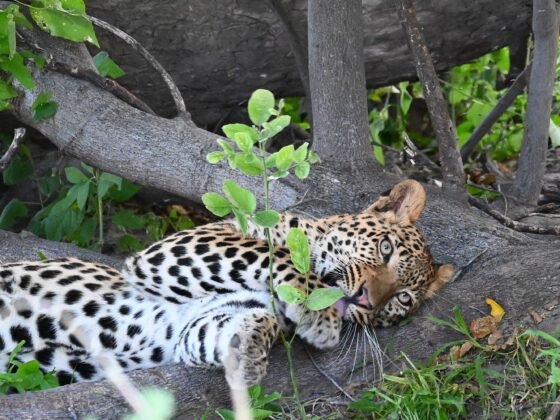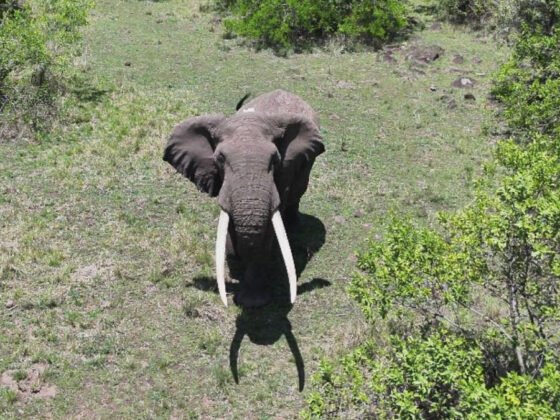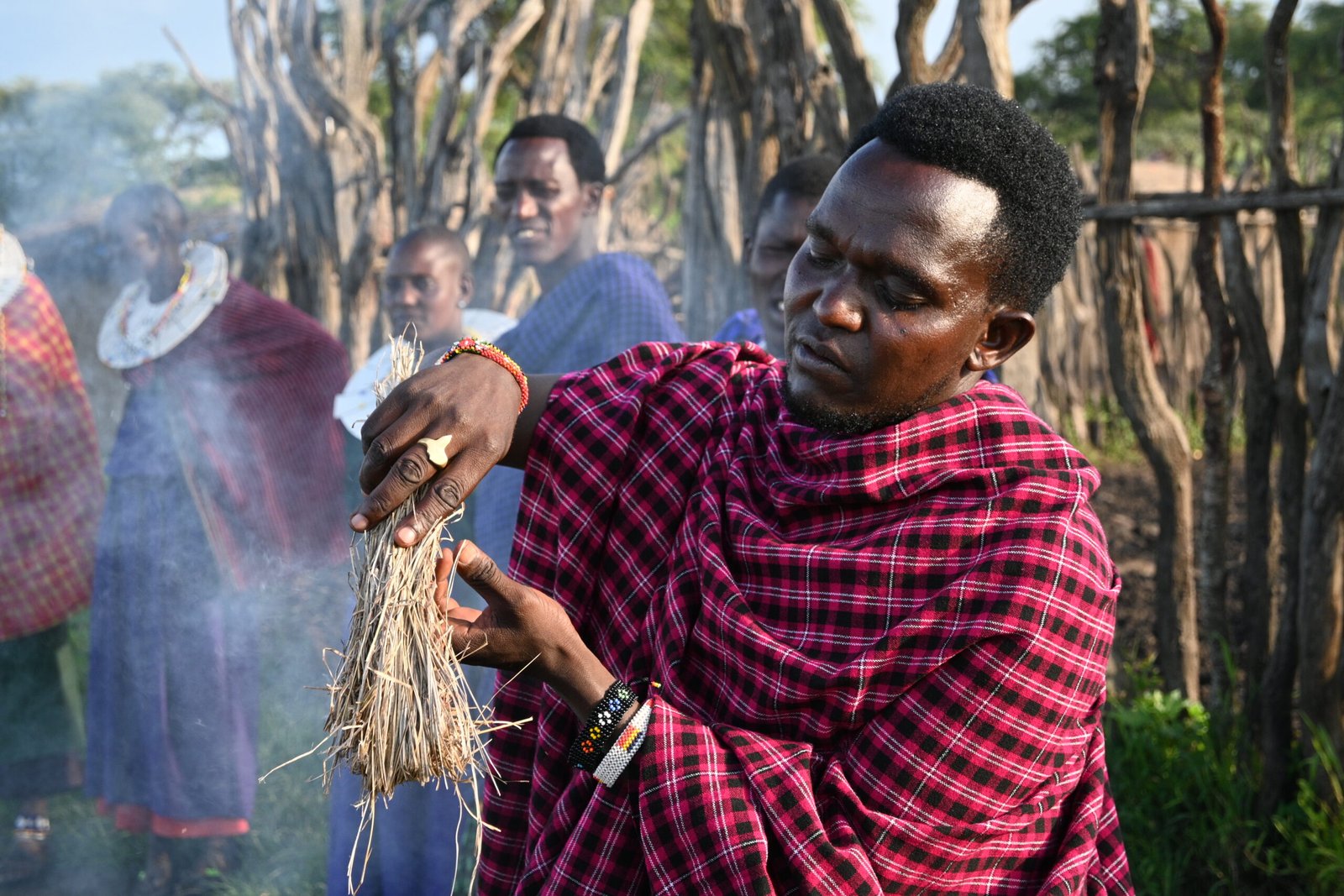
While game drives remain a cornerstone of the safari experience, modern safari travel offers far more variety. From walking and paddling to flying, sailing, and sharing time with local communities, there are many ways to engage with wild places.
Here are just some of the experiences that can shape a safari holiday.
Game Drives
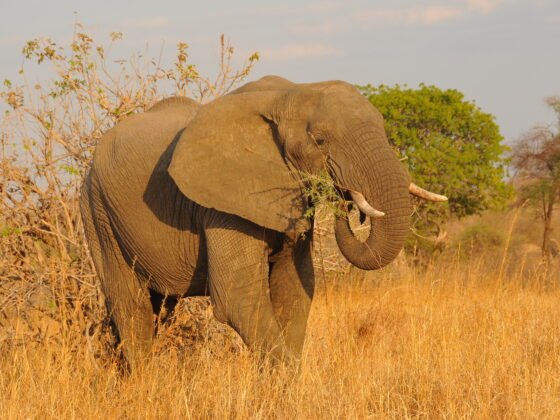
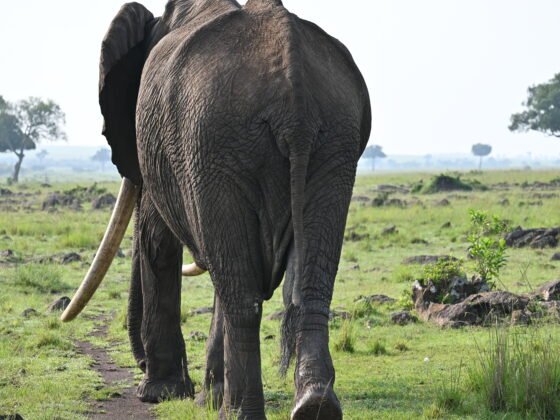
Game drives are the classic safari experience. Whether by day or at night, they offer access to large areas and the chance to see a wide range of wildlife, often at close quarters. For most travellers, game drives will make up a significant proportion of time spent on safari, forming the backbone around which other activities are built.
Walking Safaris and Primate Treks
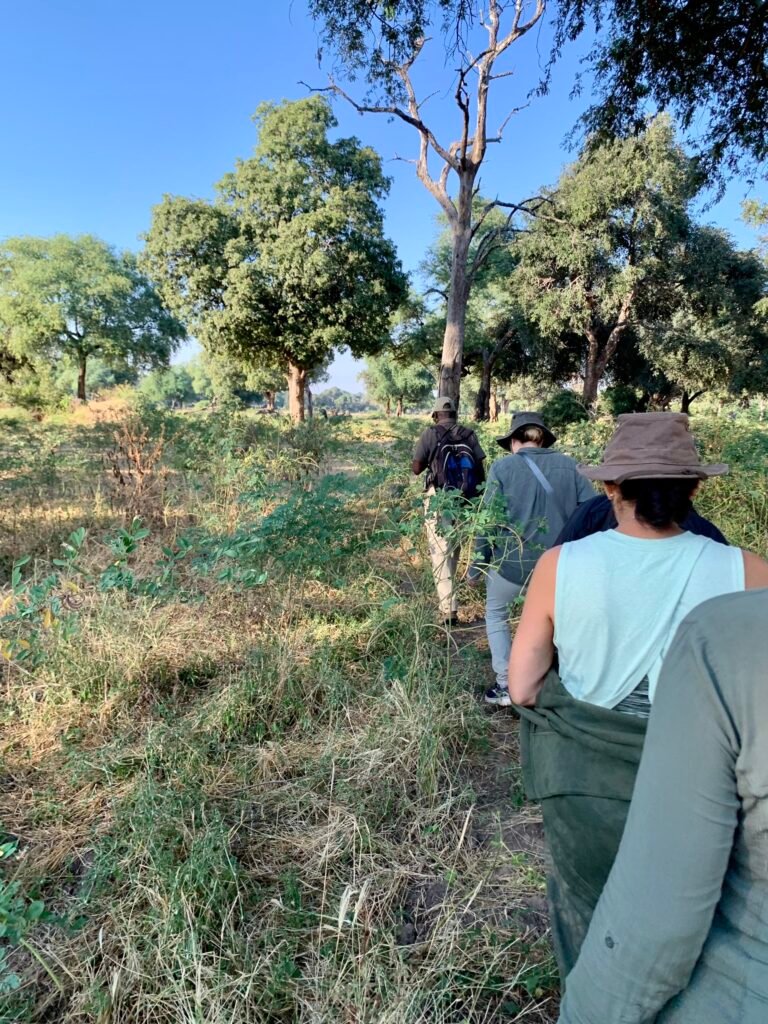
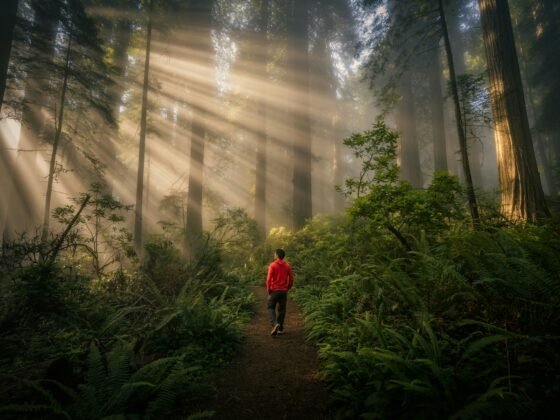
Walking brings a completely different perspective. On foot, attention shifts to tracks, plants, insects, and the smaller details of an ecosystem, while still offering thrilling wildlife encounters.
This category also includes specialist chimpanzee and gorilla treks in Rwanda, Uganda, and Tanzania. These guided forest walks provide powerful encounters with our closest relatives and are often physically demanding but deeply memorable.
Time in the Hide
Hides offer a unique opportunity to sit quietly and let wildlife come to you. From traditional log-pile and waterhole hides to treehouses and discreetly designed container hides, these spaces allow extended observation of animal behaviour at close range.
Time in a hide rewards patience and offers a slower, more immersive way to experience wildlife, often revealing interactions that are missed on the move.
Water-Based Safaris
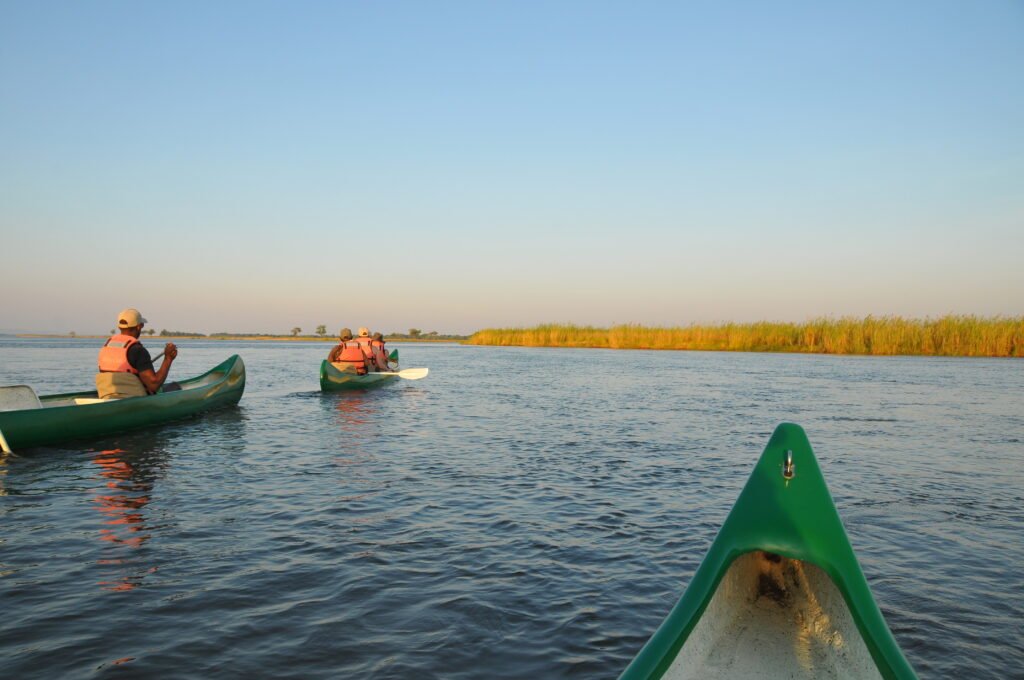
Rivers, lakes, deltas, and the ocean open up a very different way to explore, whether you are whale watching, searching for sitatunga, or looking for an adrenaline-fuelled adventure.
- Canoe and rafting safaris offer close-to-the-water encounters.
- Mokoro excursions provide a peaceful way to explore Botswana’s waterways.
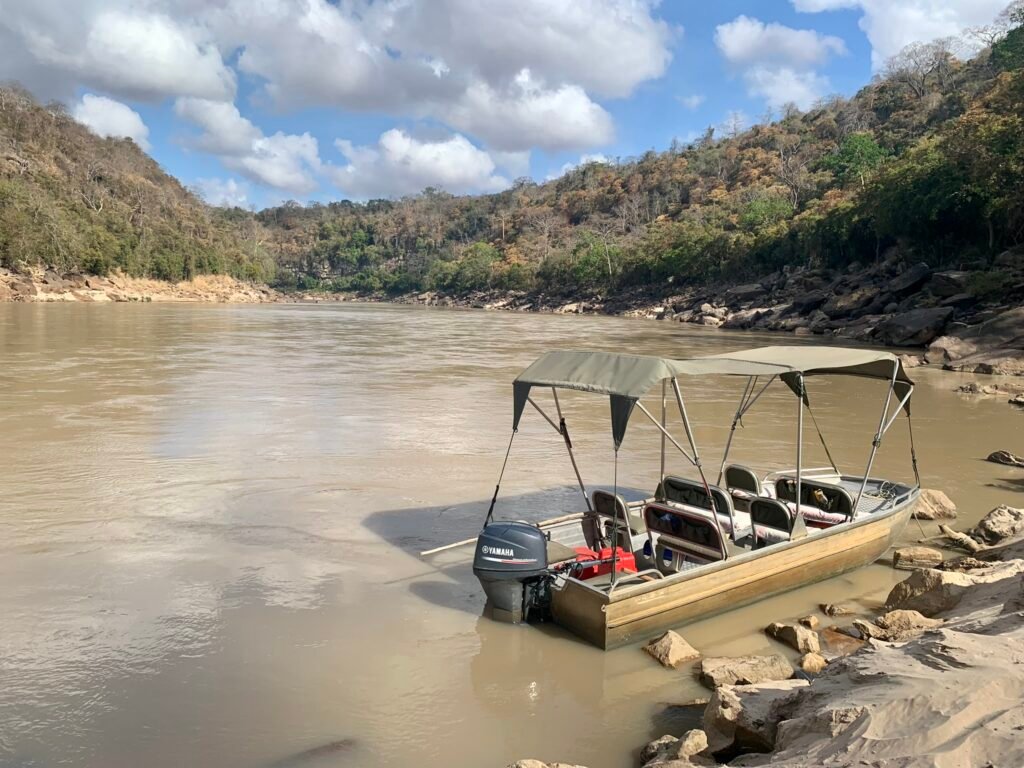
- Motor boats allow access to deep and remote channels.
- Dhow sailing and traditional boats add a cultural and historical layer in coastal regions.
Wildlife seen from the water often behaves very differently, offering fresh insight into familiar species.
Riding Safaris
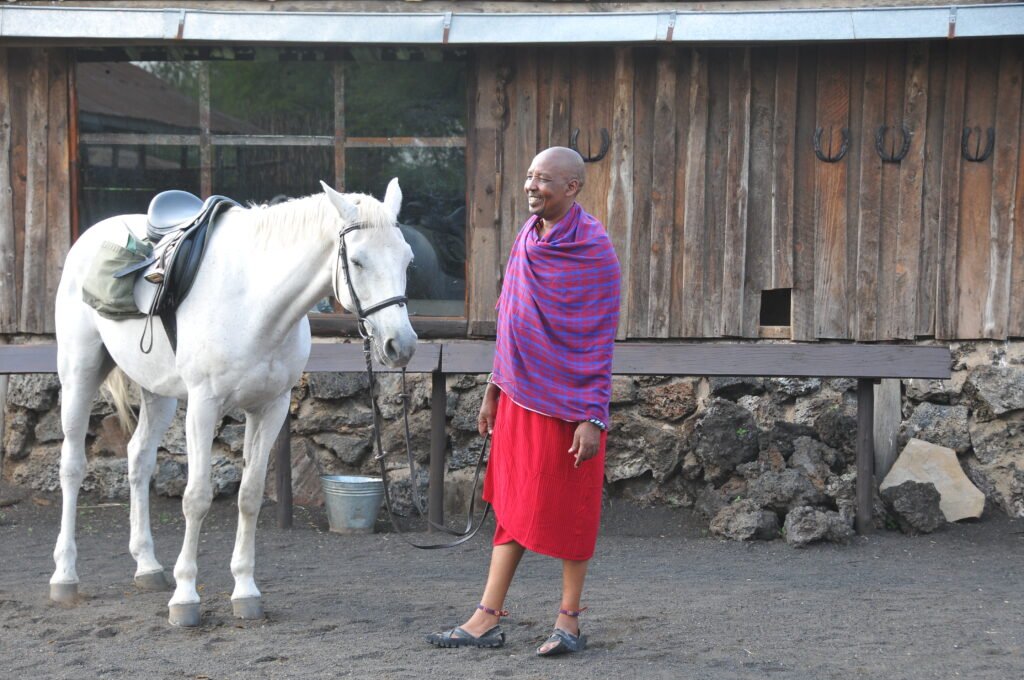
Exploring on horseback, camel, or by bicycle adds pace and freedom.
- Horseback safaris allow riders to move fluidly through open landscapes.
- Camel trekking offers a slower, traditional way to travel in arid regions.
- Cycling safaris suit active travellers seeking a strong sense of journey.
Each creates a close connection to the landscape and a feeling of travel rather than observation.
Flying Experiences
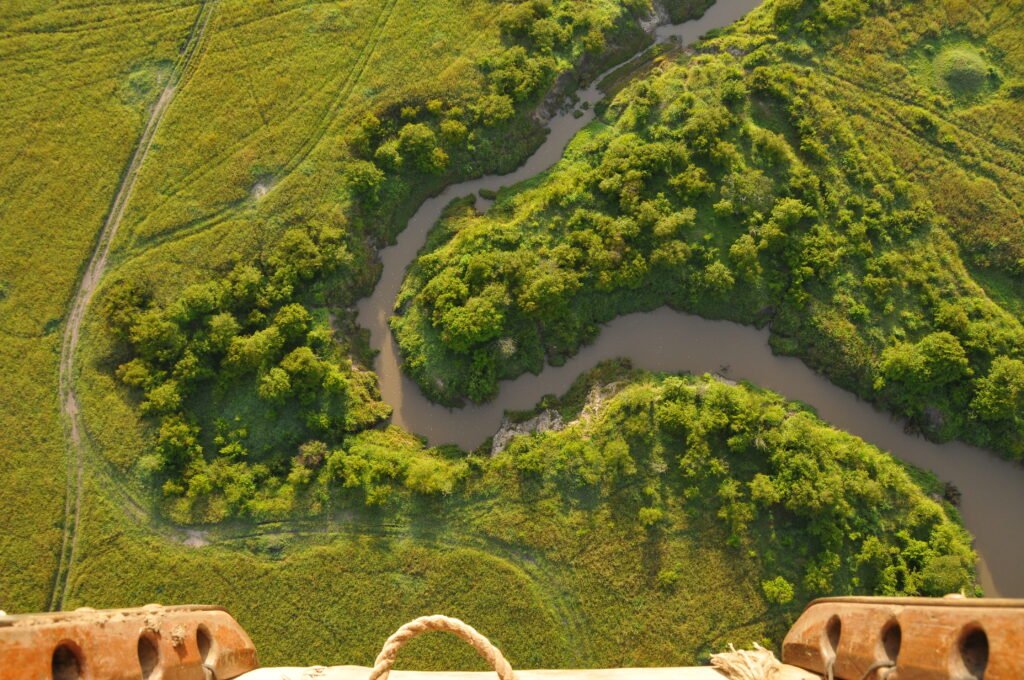
Seeing a landscape from the air adds scale and context.
- Hot air balloon flights offer a silent, drifting view at sunrise.
- Light aircraft flights reveal patterns of rivers, plains, and forests.
- Helicopter flights provide access to remote areas and dramatic terrain.
These experiences are often brief but unforgettable.
Marine and Water Activities
In coastal regions and island destinations, safari can extend below the surface.
Swimming, snorkelling, and diving reveal coral reefs, manta rays, whales, and rich marine biodiversity, offering a powerful contrast to land-based wildlife encounters.
Cultural Experiences and Community Visits
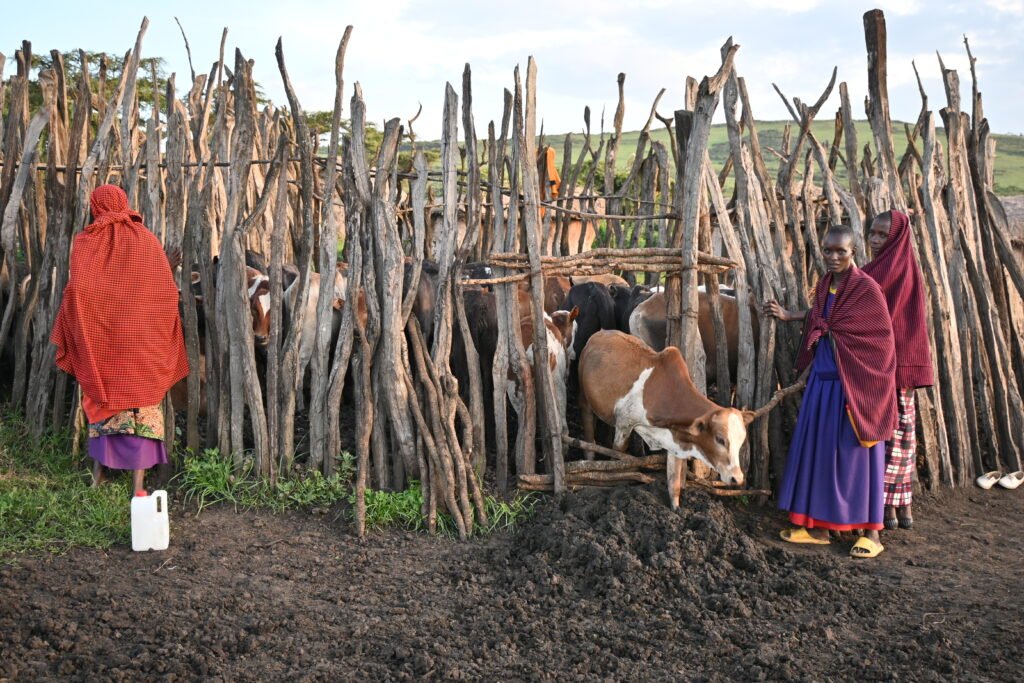
Time spent with local communities provides essential context.
Visits may include villages, schools, markets, or traditional homesteads, often guided by people who live and work in the area. When thoughtfully managed, these experiences foster understanding and support local livelihoods.
Conservation Activities and Project Visits
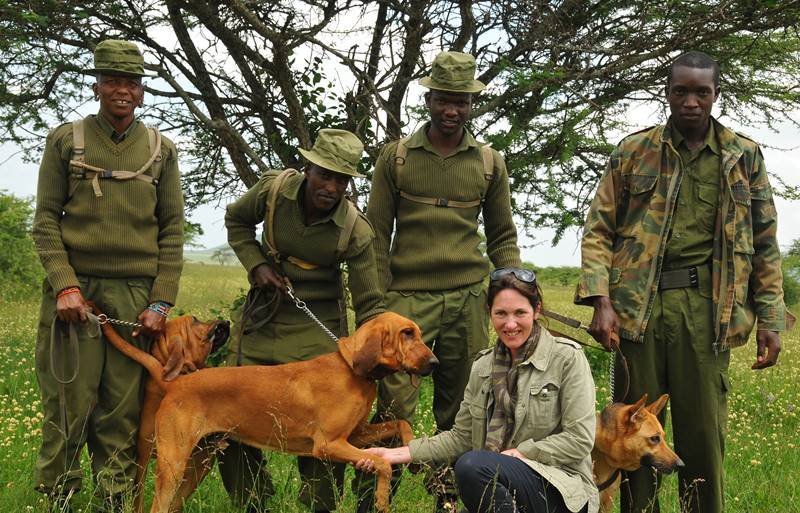
Some safaris offer the opportunity to engage directly with conservation work.
This may include visits to research projects, ranger posts, monitoring programmes, or community initiatives, offering insight into what happens behind the scenes and why long-term protection matters.
Birdwatching
For many travellers, birds are a highlight rather than a side note.
Specialist birding safaris focus on diversity, behaviour, and seasonal movements, often rewarding patience with extraordinary sightings across varied habitats.
Catch-and-Release Fishing
Catch-and-release fishing can be incorporated into some safari itineraries, particularly along rivers and lakes. When responsibly managed, it offers a relaxed and immersive way to spend time on the water.
Stargazing
Far from city lights, night skies become a feature in their own right.
Stargazing, guided astronomy sessions, and simply sitting around a fire beneath vast skies are often among the most quietly memorable safari moments.
Wellness and Slow Time
Wellness experiences are increasingly woven into safari travel.
Yoga, massage, meditation, and unstructured time allow travellers to slow down, reset, and absorb their surroundings rather than rush through them.
Junior and Family Programmes
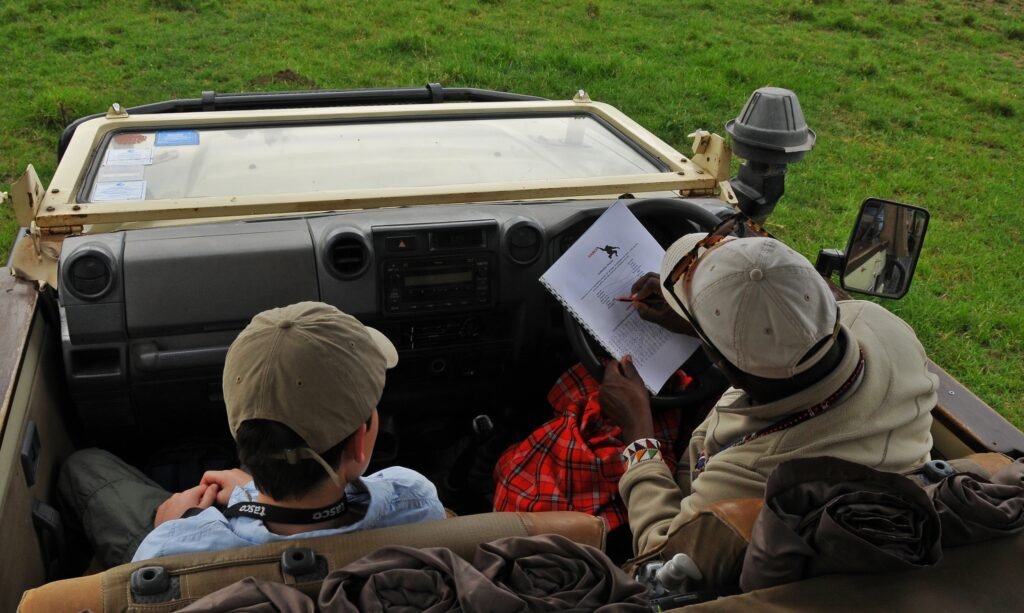
Many safari camps offer junior ranger or “little warrior” programmes designed to engage younger travellers through tracking, storytelling, conservation games, and hands-on learning.
These activities turn safari into an educational adventure and help foster early connections with nature.
Bush Dining and Sundowners
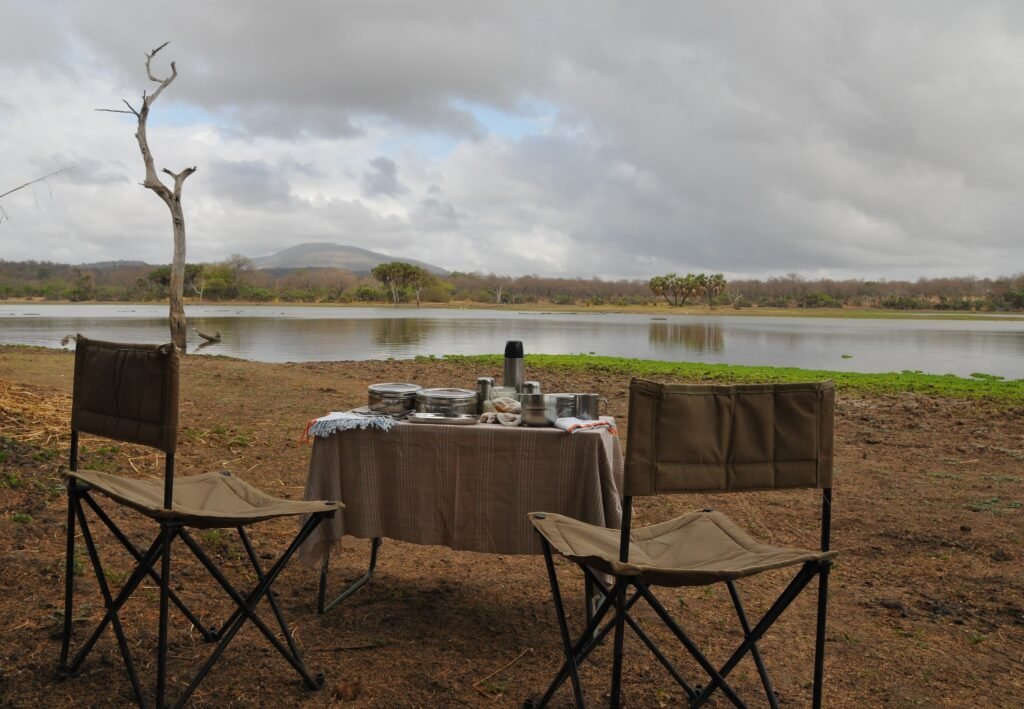
Dining outdoors is part of the safari experience.
Bush breakfasts, picnic lunches, and sunset drinks in scenic locations create moments that combine landscape, wildlife, and atmosphere, often becoming highlights in their own right.
Sleep Outs, Fly Camping, and Mobile Safaris
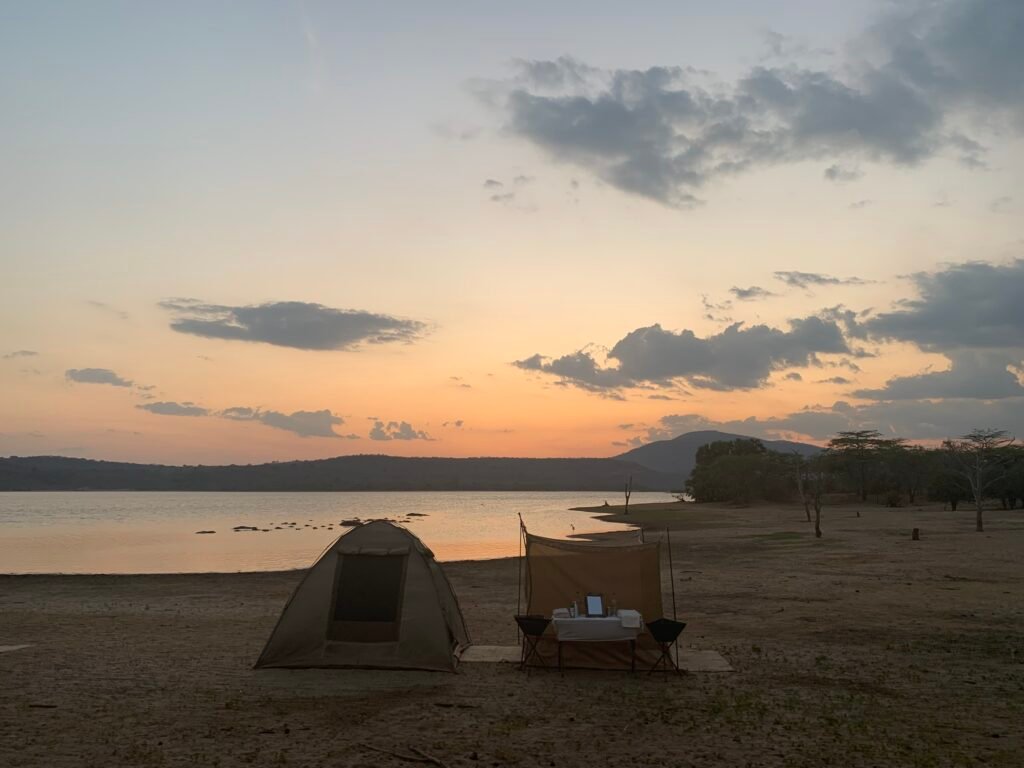
Fly camping offers stripped-back, temporary camps set up in remote locations, often for one or two nights. Sleep-out decks extend this idea, allowing guests to spend the night under the stars with minimal structure and maximum immersion.
Mobile safaris move between locations, following wildlife or seasons, offering variety without sacrificing depth.
A safari shaped around you
A safari does not have to follow a single format. The most rewarding itineraries combine different activities, balancing pace, comfort, adventure, and purpose.
Whether on foot, on water, in the air, or simply sitting still and watching the world unfold, safari travel offers countless ways to connect with wild places.