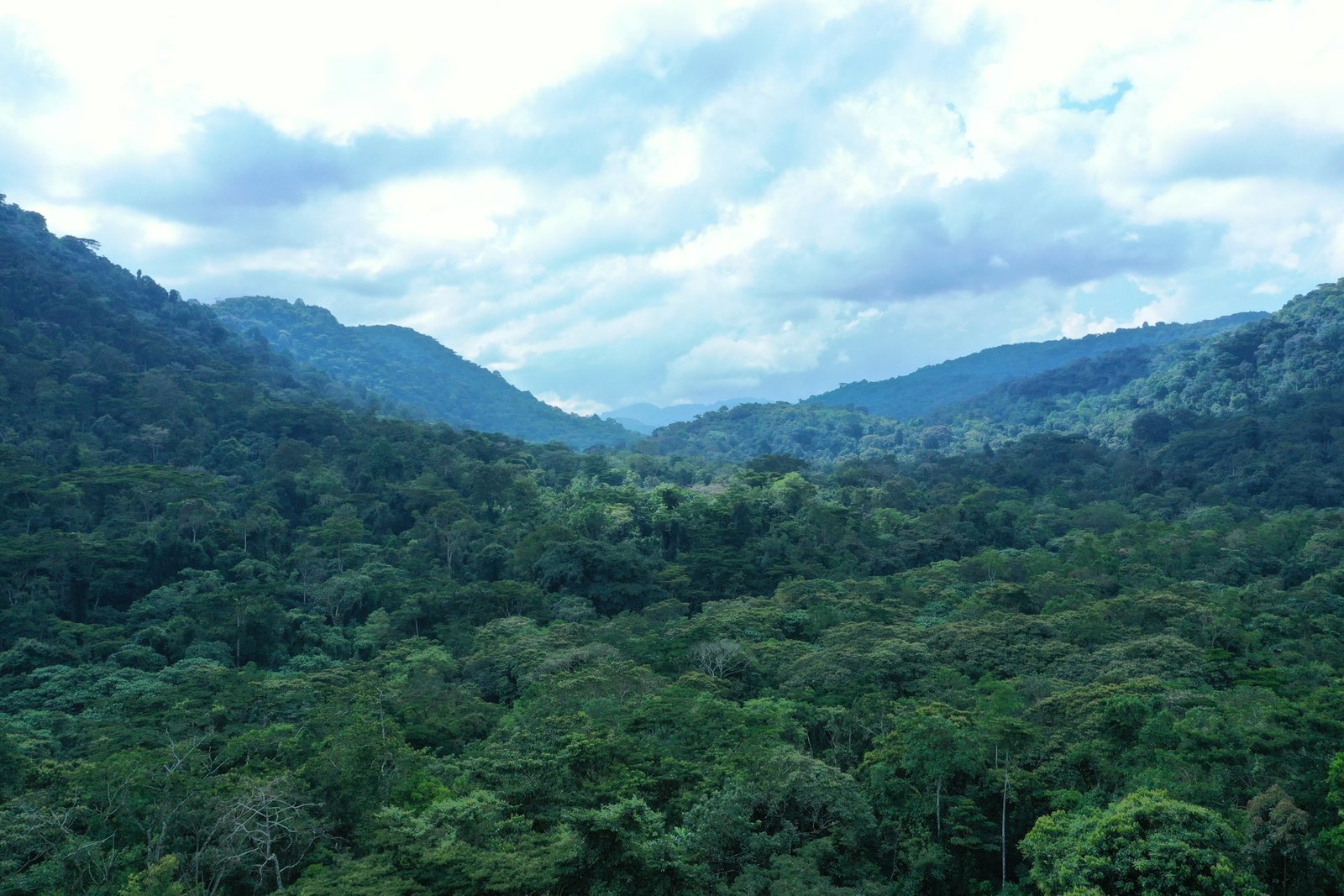
When it comes to conservation, Uganda is often highlighted as a strong example thanks to its unique model. To achieve a successful conservation story, there is a cost involved. Uganda, like any nation, has its own conservation model or approach. And one important question conservationists may need to answer is “what happens when conservation can’t rely on government budgets alone?” With its unique model that emphasizes balancing ecological preservation with economic development, Uganda offers a practical example for other states (destinations) seeking to protect their natural resources.
it has always been stated that tourism is one of the mechanisms that supports conservation financially when government budgets fall short. Tourism plays a significant role, especially in revenue generation that sustains local economies, job creation, and also supports conservation efforts.
According to David Guthrie, the founder of A Tent With a View, he stated that the thought of no tourism is a terrifying one for habitat conservation. This follows when a question was asked about what would happen if everyone stopped travelling. Uganda as a destination is currently testing a new partnership model/strategy between the government & a private partners that could play a critical role as a compelling blueprint for others to adapt.
Why Uganda Required a New Conservation Model
The new conservation model is significant for wildlife protection in Uganda’s national parks, forest reserves and other protected areas. Uganda currently has more than 9 million acres of land set-aside for conservation that is managed and operated by Uganda Wildlife Authority (UWA) as well as the National forestry Authority (NFA). This translates to 16% of Uganda’s territory, inclusive of 2.1 million acres in the currently ten gazetted national parks and 3.7 million acres in forest and wildlife reserves.
Uganda is also encountering intense conservation pressures due to continued illegal hunting of wildlife for bush meat and trade. Poachers are capable of setting between 100 and 140 snares per day and usually spend most of their time inside the parks.
The main reason is to obtain financial support which makes poaching a lucrative venture in Ugandan parks, according to Jonathan Wright, founder of Wildplaces. According to him, Murchison Falls National Park alone has an estimated of USD 35 to 40 million, which the commercial bush meat trade could generate. Poaching is highlighted as the prime practice that is impacting the parks and implicates the efforts by UWA to protect wildlife, including lions, pangolins, elephants, and more.
The impact is huge, resulting into decline in predator population. He added that over 50 lions have been killed in the space of 5 years, and this has been done by just 3-4 skilled poachers. The cost is involved in managing such practices, and according to Tumwesigye, constant financial support is needed for conservation to thrive. The cost covers car services, law enforcement, salaries, ranger support, ranger posts, and food facilitation.
Government funding alone doesn’t cover the needs of conservation in remote areas where tourism activities are conducted. And some protected areas such as Semuliki National Park and Toro-Semuliki Game Reserve can’t even receive up to 100 visitors in a year, yet UWA still requires ensuring conservation activities continue, including deploying officers, patrols, and more. The financial gap is persistent & structural, with UWA depending largely on tourism revenue, yet most protected areas need protection, some of which generate little revenue. It is from such an imbalance that Uganda searched for a new strategy and a more resilient model.
How the Partnership Started
History has it that Uganda depended on bilateral aid from the World Bank & the European Union. When these funding sources dropped, wildlife suffered as well. The new conservation strategy is intended to solve the inconsistent funding for conservation. The idea emerged from the presidential initiative. The initiative was shared during the meeting between the president and the invited select private-sector operators with the aim to assist strengthen conservation countrywide.
The private-sector team conducted a survey countrywide with a focus on those that are most remote, least supported landscapes, have limited active management capacity, and no history of tourism. These included Kyambura Wildlife Reserve, Toro-Semliki Wildlife Reserve, and Southern sector of Murchison Falls National Park.
According to Wright, the emphasis wasn’t to replace UWA but instead to reinforce its operations. The intention was to join forces to deploy the privately raised funds directly to frontline priorities.
Following the series of meetings with UWA, NGO boards, and government leaders, the Wild Places Conservation Foundation- the operation started a year ago. The initiative ensures accountability and credibility with meetings already conducted with high-level board, including former prime minister –Rt Hon. Dr Ruhakana Rugunda, Her Worship Gladys Kamasanyu (Chief Magistrate in the Uganda Wildlife Court), & Ms Priscilla Butagira –special presidential assistant, plus conservation experts from Uganda & UK.
What is in the field so far
Within a year, the foundation was able to collect 1 million US dollars from tourism activities to facilitate the conservation practices and high-impact needs. In addition, about 6 new ranger posts have been built, and 7 have been upgraded in the 3 protected areas. The teams have been provided tractors and all-terrain cars to facilitate ranger operations and field transport. The financial support was used to support rangers with anti-poaching gear, smartphones for mapping and monitoring purposes.
With the initiative already active, the lion population has shown signs of recovery, with 35 cubs estimated to have been recorded.
Scaling the conservation model in Uganda (countrywide) and the world at large
To extend the model, there is a need for increased funding from the government to UWA. There is also a need for a policy shift that enables conservation participation as a condition for new tourism concessions.
Additionally, Uganda should also consider setting firm conditions on the number of lodges a particular protected area can accommodate, how safari cars approach wildlife, & visitor interaction with wild animals.
Emphasis was put on the need for a 5–10-year plan to prevent hotel clustering and unregulated construction. Rather than building on the same site repeatedly, authorities could open new, less-visited areas to enable growth in tourism without overwhelming the landscapes/wildlife.
Conclusively, the new conservation model in Uganda may not entirely solve everything the sector is facing, but when tourism, conservation, and government interests align, the end results can be transformative.