Australia spans a vast and varied landscape, and understanding it means moving through very different environments. One week might follow coastal roads lined with small surf towns, while the next shifts inland, where distances lengthen, and towns become few and far between.
With careful route planning, even the more remote regions remain surprisingly accessible. Flights, sealed highways, and well-marked trails make it possible to connect regions that feel worlds apart.
Here’s how to make the most of an adventure in the Land Down Under.
Tailored Wilderness Journeys Across the Continent
Getting across Australia takes more than picking destinations on a map. Distances are significant, and the difference between a rushed trip and a well-paced one often comes down to how routes are connected.
Flights between cities like Darwin, Alice Springs, and Adelaide are common starting points, but once on the ground, it becomes about linking drives that follow a logical flow. The Stuart Highway, for example, runs through the centre and connects remote stops that rarely get featured on standard itineraries.
It helps to try tailor-made Australia holidays that map out realistic travel times while also opening access to lesser-known conservation areas, especially for those aiming to shape a more considered and well-paced route. This approach works particularly well when combining regions such as Kakadu National Park and Arnhem Land, where permits and local guidance are essential. It’s not only about convenience but also about reaching places that aren’t always accessible through independent travel.
Urban starting points still play a role. In Sydney, moving between Circular Quay, The Rocks, and the Royal Botanic Garden gives a quick orientation before heading outward. From there, routes tend to branch, either following the coast or cutting inland, depending on how much ground someone wants to cover.
Marine Diversity on the Great Barrier Reef
Most journeys to the Great Barrier Reef begin in Cairns, and the layout of the city plays a role in how smoothly things run. The Esplanade follows the waterfront and serves as the main departure point for reef tours, while streets like Shields Street and Abbott Street link accommodation areas to the marina. It’s a compact setup, making early morning boat departures easy to manage.
Out on the reef, locations like the Agincourt Reef or the outer sections near Ribbon Reefs offer clearer water and less sediment than inshore areas. Operators usually head further out for that reason. Snorkelling here offers regular sightings of parrotfish, reef sharks, and sea turtles, but what stands out is the well-structured access. Mooring points are fixed to prevent anchor damage, and guides help keep groups within defined zones.
Back on land, the Cairns Botanic Gardens and nearby Centenary Lakes give a quieter way to understand the region’s ecosystems. Boardwalks run through mangroves and freshwater wetlands, showing how closely these systems connect to the reef itself.
Ancient Geological Wonders of the Red Centre
Alice Springs sits at the centre of most Red Centre routes, and its layout reflects that. Todd Street cuts through the middle of town, with access to supplies, gear shops, and transport. From here, Larapinta Drive heads west toward the West MacDonnell Ranges, where short walks lead into places like Simpsons Gap and Ormiston Gorge.
Further out, Uluru and Kata Tjuta require a longer drive or a short flight, but once there, getting around is relatively straightforward. The base walk around Uluru follows a defined track, passing waterholes and rock art sites that remain culturally significant. Rangers often provide context on-site, shaping how visitors understand the landscape. It’s more than a geological formation; it forms part of a living cultural system.
Sunrise viewing areas are set slightly back from the main rock, usually along the road leading in from Yulara. The spacing helps manage foot traffic and protects sensitive areas. Even with visitors around, the scale of the place tends to hold its own.
Coastal Sanctuaries Along the Great Ocean Road
The Great Ocean Road starts just outside Melbourne, typically from suburbs like Torquay, where the coastline begins to shift from city edges to open stretches. The road itself closely follows the shoreline, but there are regular inland detours worth taking, especially around Great Otway National Park.
Stops like Lorne and Apollo Bay break up the drive naturally. In Lorne, Mountjoy Parade runs along the water, while inland roads lead toward Erskine Falls. Apollo Bay has a more open layout, with the harbour sitting just off the main road and access to coastal walking tracks nearby.
Further along, the Twelve Apostles draw most of the attention, but smaller sites like Gibson Steps and Loch Ard Gorge often give a clearer view of how the coastline is changing over time. Paths are marked, and viewing platforms are positioned to reduce erosion, which makes it easier to move between stops without straying into protected areas.
Pristine Rainforest Systems of the Daintree
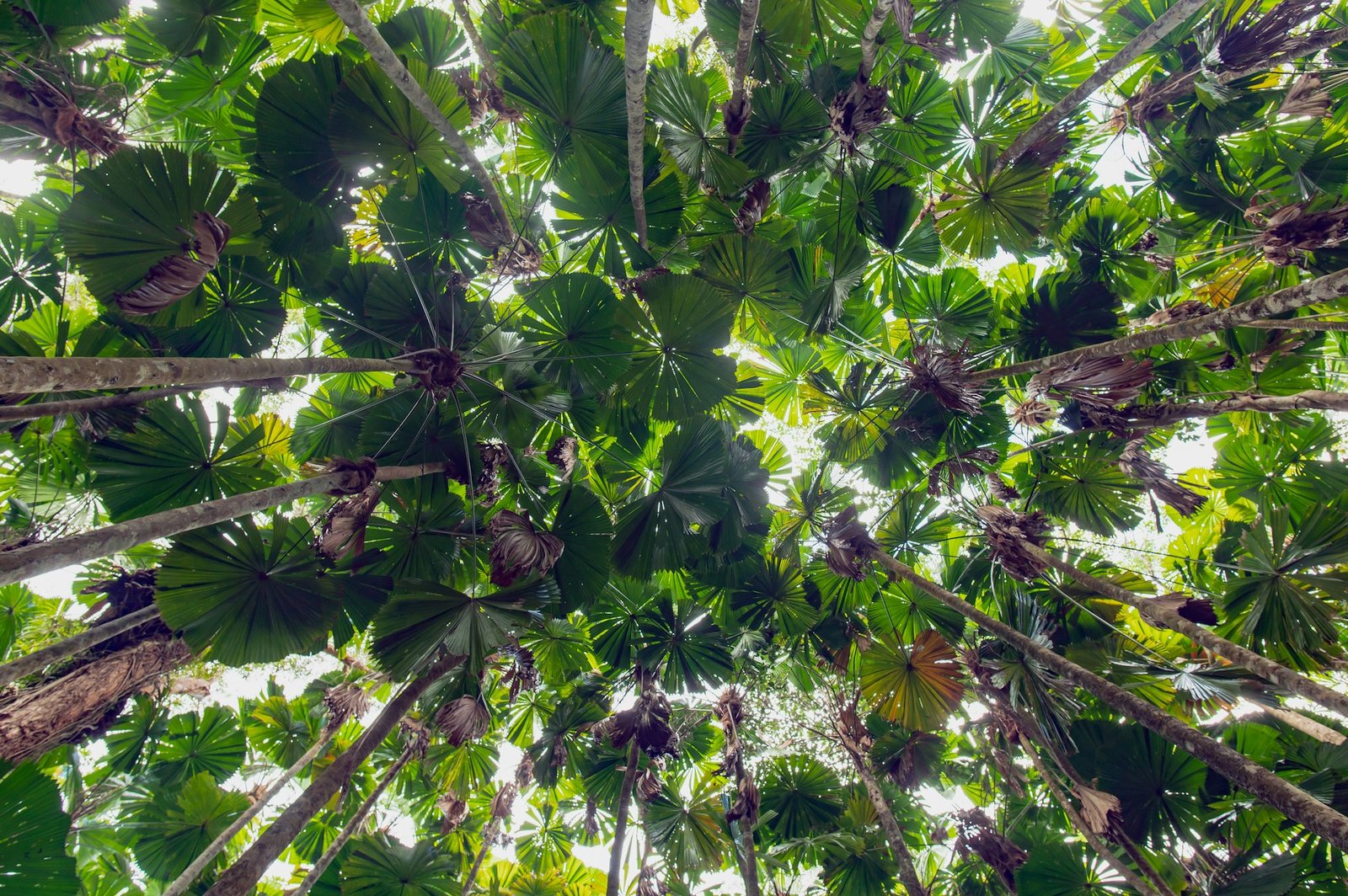
North of Cairns, the Daintree Rainforest begins just after the Daintree River crossing. The ferry itself runs continuously during daylight hours, linking the sealed road from Mossman to a region where infrastructure becomes more limited. Once across, Cape Tribulation Road moves through dense forest with only occasional clearings.
Boardwalks, such as the Dubuji Walk and Marrdja Walk, provide access into the rainforest without damaging root systems. These paths pass through mangroves, lowland forest, and higher canopy sections within short distances. Wildlife isn’t always obvious, but cassowary signs appear regularly, and sightings do happen, especially near fruiting trees.
Cape Tribulation marks the point where the rainforest meets the reef. There’s no built-up foreshore, just a narrow strip of sand and dense vegetation behind it. Walking tracks branch off from the main road, leading into quieter sections where the forest feels less managed. Access is controlled in parts, particularly in areas linked to conservation programmes, which helps protect species that rely on these habitats.
Which frontier will you explore next?
Australia doesn’t fit a single pattern, which is part of what makes it so rewarding for travellers seeking more than one kind of experience. Moving between regions means adjusting to different conditions, whether that’s coastal humidity, dry inland heat, or dense rainforest cover. What connects it all is how these places are managed, with clear efforts to balance access and conservation. For those willing to move between them, the country offers a range of environments that feel distinct, yet remain connected through well-planned routes and shared ecological priorities, leaving the choice of frontier entirely open.
Photo by David Clode on Unsplash