Most people have heard of South Luangwa, and for good reason. It is one of Africa’s most rewarding safari destinations, whether you’re visiting for three or four nights as part of a longer itinerary, or spending a week or more combining contrasting camps across different areas of the park.
South Luangwa offers excellent game densities, a wide choice of lodges and camps, and a broad range of activities, from game drives to walking safaris. It also combines easily with time on the Zambezi at one of the river lodges near Livingstone, or with a short hop to Lake Malawi for a relaxed beach extension. For the vast majority of safari travellers, South Luangwa is a fantastic choice.
For repeat visitors, or those who have travelled widely in Africa and are looking for something more remote, and immersive, North Luangwa National Park offers a different experience.
Why North Luangwa?
North Luangwa remains largely unchanged by modern tourism. With a limited road network, very few vehicles, and just a handful of small, seasonal camps, the park offers a safari shaped by wilderness rather than infrastructure.
Wildlife densities are lower than in South Luangwa, but populations are recovering, and animals are less habituated to vehicles. Encounters feel more tentative, which adds a different level of excitement to daily activities.
What makes North Luangwa different?
Several factors set North Luangwa apart from its more famous neighbour to the south:
- Exceptionally low visitor numbers, with no mass tourism or lodge clusters
- Minimal infrastructure, with fully off-grid, low-impact camps
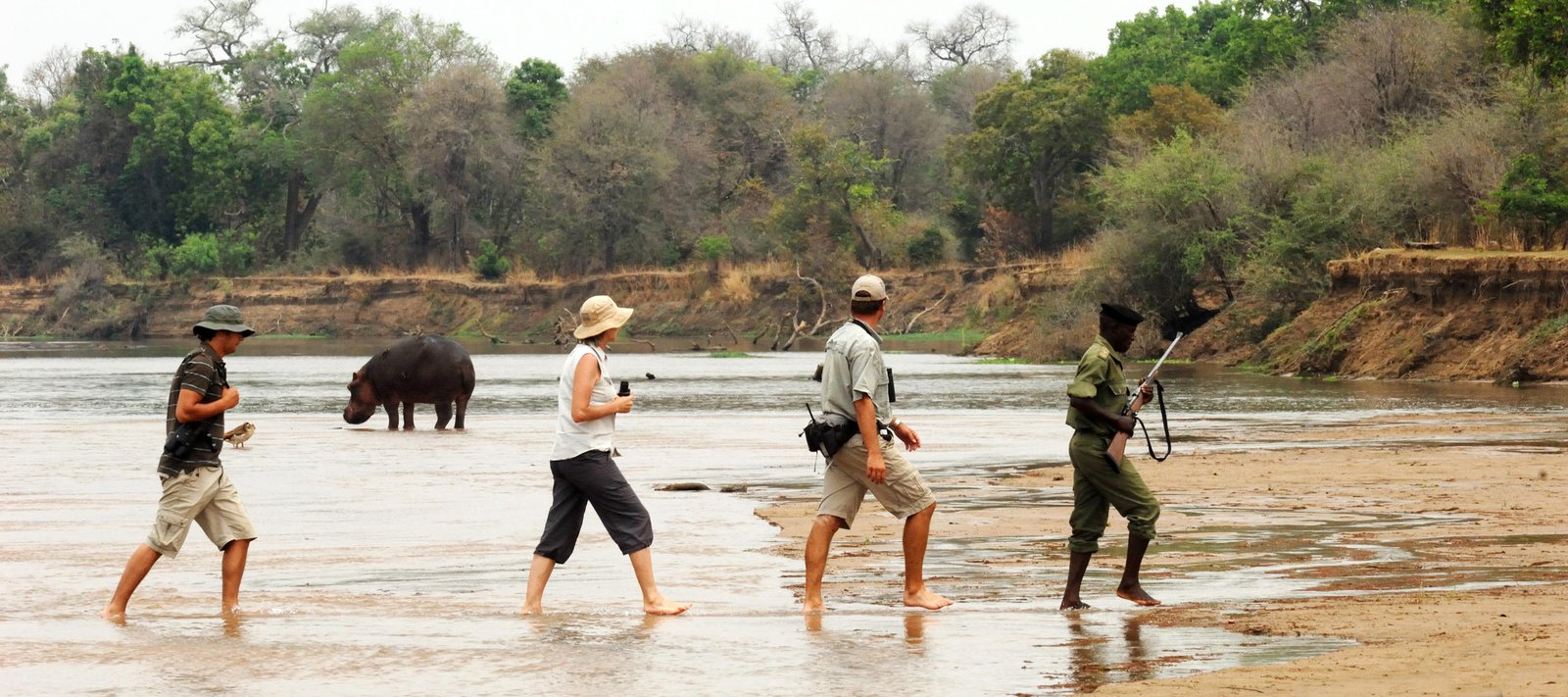
- A strong walking safari focus, particularly along the Mwaleshi River
- The Muchinga Escarpment, extending into the western edge of the park and creating greater topographic diversity
- A significant black rhino conservation programme, unique within the Luangwa Valley
Around one quarter of North Luangwa National Park extends into the Muchinga Escarpment, bringing woodland, hills, and escarpment habitats that contrast with the open valley floor and support particularly rich birdlife.
Four of the six perennial tributaries of the Luangwa River flow through the North Luangwa ecosystem, making this section of the valley vital to the wider river system. The Mwaleshi River is a defining feature. Game drives are permitted only on the north bank, while the south bank has no roads at all, making it one of Zambia’s finest walking safari environments.
Wildlife and conservation
North Luangwa plays an important role in Zambia’s conservation story.
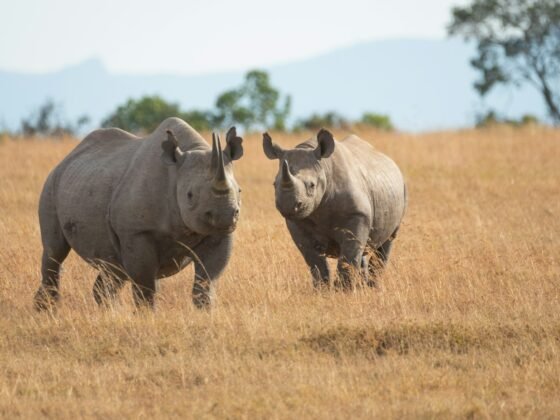
The park is home to a carefully protected black rhino population, reintroduced in 2003 with five animals, followed by a further ten in 2006. These rhinos have been protected within an intensive protection zone for more than 20 years. Sightings are never guaranteed, but their presence represents one of Zambia’s most significant conservation successes.
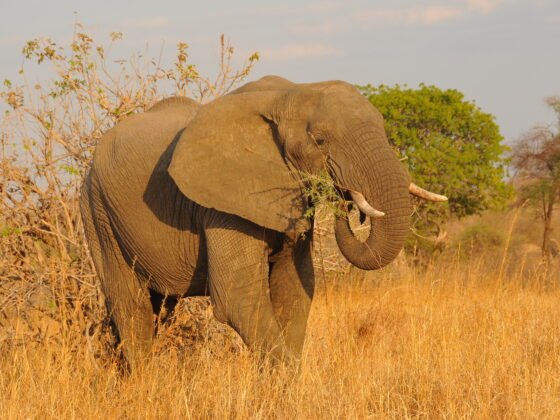
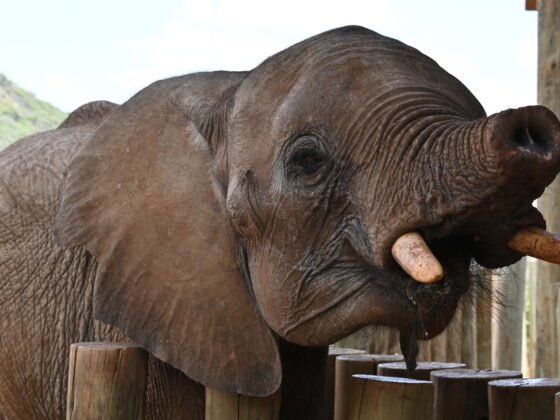
Elephant numbers have also recovered strongly following the heavy poaching of the 1970s and 1980s, thanks in large part to the work of organisations such as the North Luangwa Conservation Programme (NLCP). NLCP established the Rhino and Elephant Protection Unit (REPU), a rapid response team that patrols core areas of the park and targets known poaching hotspots.
The conservation philosophy here is simple: protect key flagship species, and the wider ecosystem benefits.
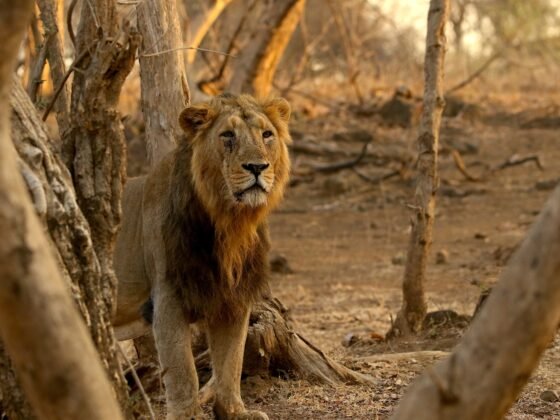
In addition to elephant and rhino, North Luangwa supports healthy populations of buffalo and lion, occasional wild dog, and species more commonly seen in the north of the valley, including eland, Lichtenstein’s hartebeest, Crawshay’s zebra, and Cookson’s wildebeest. Thornicroft’s giraffe, endemic to the Luangwa Valley, are gradually expanding their range northwards.
Birdlife is excellent, particularly along rivers and in escarpment habitats.
The safari experience
Walking safaris lie at the heart of North Luangwa. Often following the Mwaleshi River, walks are led by highly trained guides and scouts, allowing guests to read tracks, understand ecosystems, and experience the bush at ground level.
Game drives are also available, allowing more extensive exploration of the park, but the emphasis remains on slow, deliberate travel rather than covering distance.
This is a destination that suits travellers looking for something remote, exciting, and genuinely adventurous.
Where to stay
Accommodation in North Luangwa is intentionally limited.
The national park itself offers four rustic campsites forming the Amatololo Loop (operating from July to October), along with a small number of community tented camps in the adjoining Game Management Areas.
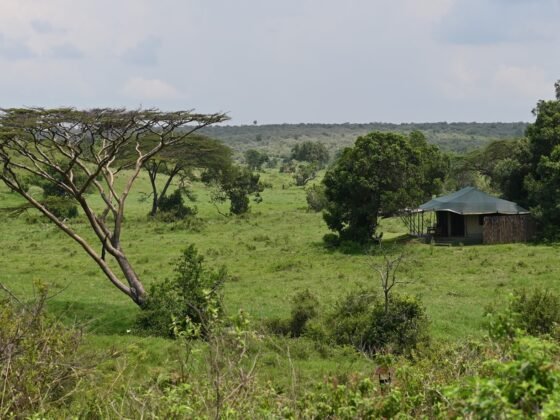
In addition, there are a handful of privately owned, low-impact camps located in prime areas of the park. These include:
Takwela Camp
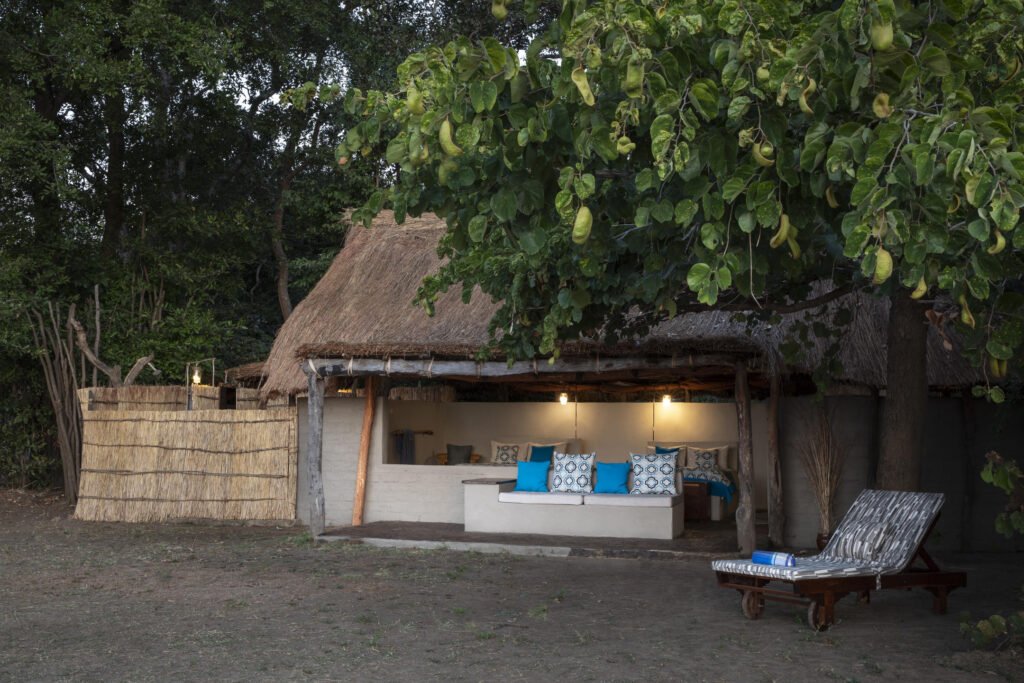
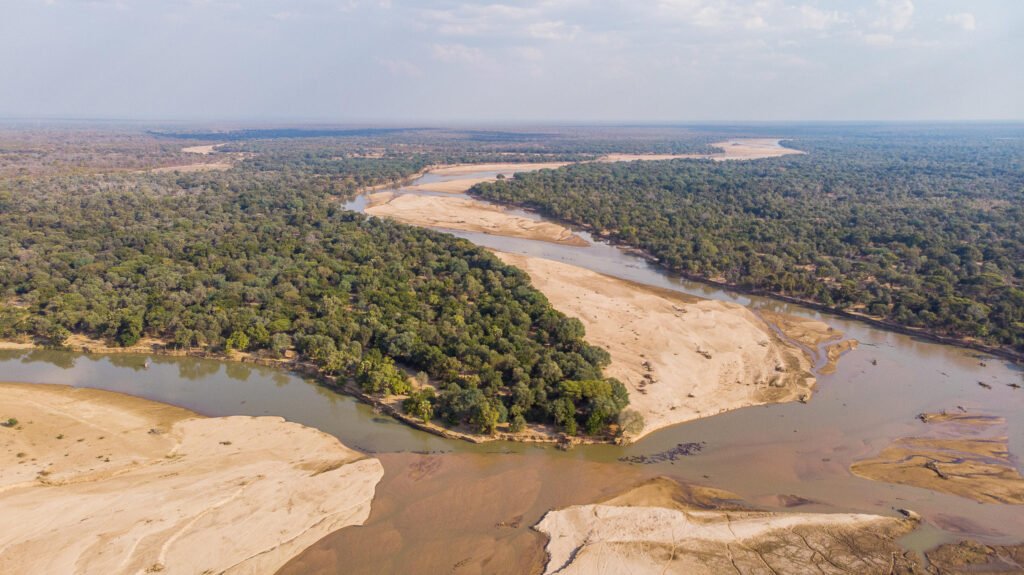
Takwela Camp is a small, seasonal camp with four en suite, open-fronted chalets, set in a spectacular location at the confluence of the Mwaleshi and Luangwa rivers. The camp offers a blend of walking safaris and game drives and was established in 2019. Access is via light aircraft from Mfuwe (or Lukuzi when combining with Tafika Camp in South Luangwa) to Mwaleshi airstrip, followed by a game drive and river crossing into camp.
Mwaleshi Camp
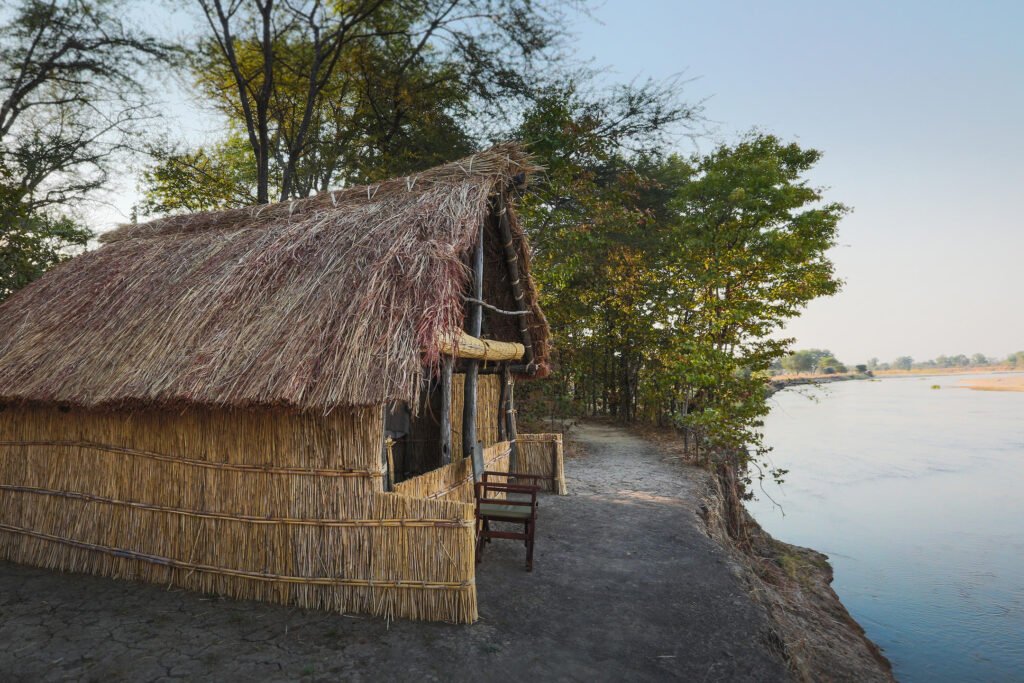
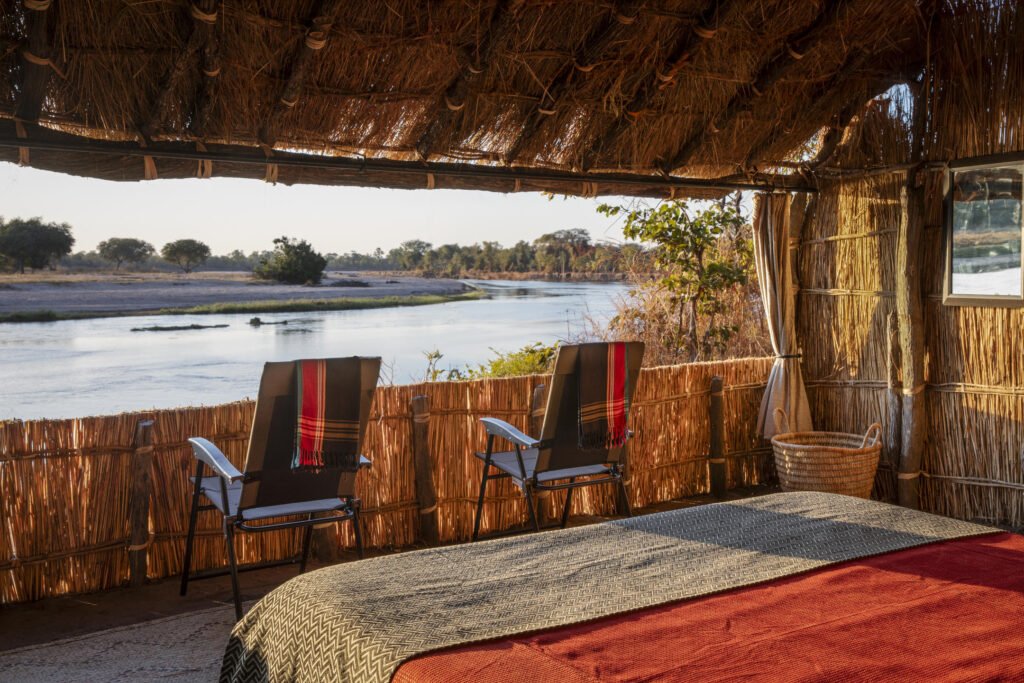
One of North Luangwa’s original camps, Mwaleshi Camp offers four thatched en suite chalets, positioned on a scenic bend of the Mwaleshi River within the rhino sanctuary. The camp focuses exclusively on walking safaris, exploring the roadless south bank of the river. No game drives are offered. Guests often combine Mwaleshi with sister camp Takwela, walking the 10km stretch of river between the two. Access is via light aircraft to Mwaleshi airstrip, followed by a short game drive.
Kutandala Camp
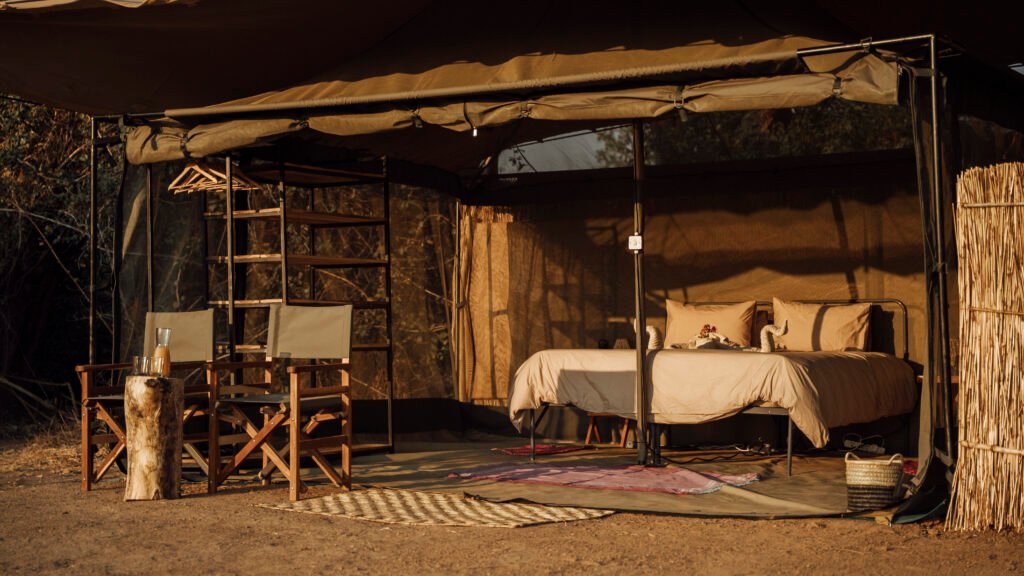
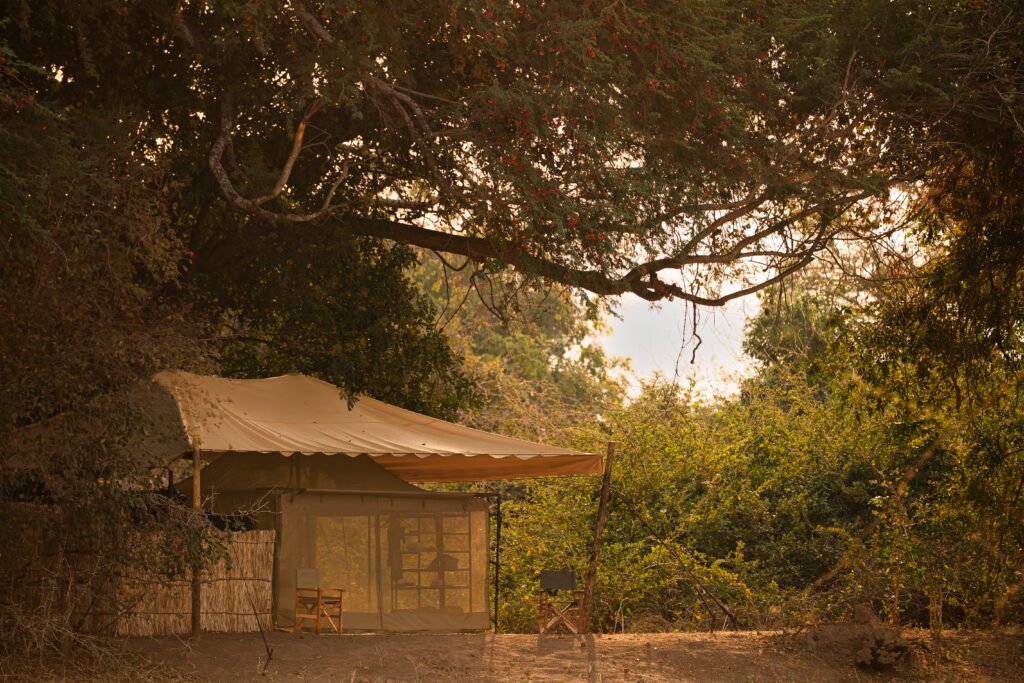
Kutandala Camp is an owner-run bush camp opened in 2025, with five en suite guest tents set in riverine forest along the Mwaleshi River in the heart of North Luangwa. Activities include both game drives and walking safaris. Access is via light aircraft from Mfuwe to Lubonga airstrip.
All of these camps are off-grid and solar powered, and dismantled at the end of the dry season, ensuring they leave a very light footprint.
When to go
The safari season in North Luangwa typically runs from June to October, with conditions becoming progressively drier and wildlife concentrating around rivers.
Early season offers greener landscapes, fewer visitors, and cooler temperatures, while later months deliver classic dry-season conditions. October can be hot and may be less appealing for those planning a serious walking safari.
As with all wild places, conditions vary year to year, and flexibility remains key.
Getting there
Reaching North Luangwa is part of the adventure. Most itineraries involve a light aircraft flight from South Luangwa, followed by a game drive and, in some cases, a short river crossing into camp by canoe or on foot.
The journey itself reinforces just how far removed the park is from mainstream safari routes.
Who is North Luangwa best for?
North Luangwa suits:
- Experienced safari travellers
- Keen walkers
- Those seeking quiet, remote wilderness
- Travellers who value conservation and low-impact travel
It may not suit:
- First-time safari goers wanting guaranteed sightings
- Those seeking luxury facilities or connectivity
For some travellers, combining South and North Luangwa offers the best of both worlds: game-rich landscapes in the south, followed by deep wilderness and walking safaris in the north.
Why it still matters
In an era of increasingly busy safari destinations, North Luangwa stands as a reminder that less can be more. Carefully managed tourism here helps protect vast landscapes, supports local communities, and keeps one of Africa’s most important wilderness areas truly wild.
Explore more, or enquire about a safari to Zambia here>>
All bookings support Explorers Against Extinction at no additional cost to you.
Image at top: Walking at Mwaleshi Camp (Remote Africa Safaris)