The Serengeti National Park in Tanzania is one of Africa’s most iconic safari destinations, covering nearly 15,000 square kilometres. With over 350,000 visitors annually, it remains one of the most sought-after wildlife experiences in the world. The park is home to the legendary Great Migration, abundant predator sightings, and some of the most spectacular landscapes in Africa.
Driving north from the Ngorongoro Conservation Area (NCA) in the south to the Mara River on the Kenya border showcases a beautiful transition in landscapes.
Here’s a breakdown of the key areas of the Serengeti, their pros and cons, and what to expect in terms of topography, wildlife, and safari based on my experiences.
1. Ngorongoro Conservation Area & Southern Serengeti – Calving Season & Predator Action
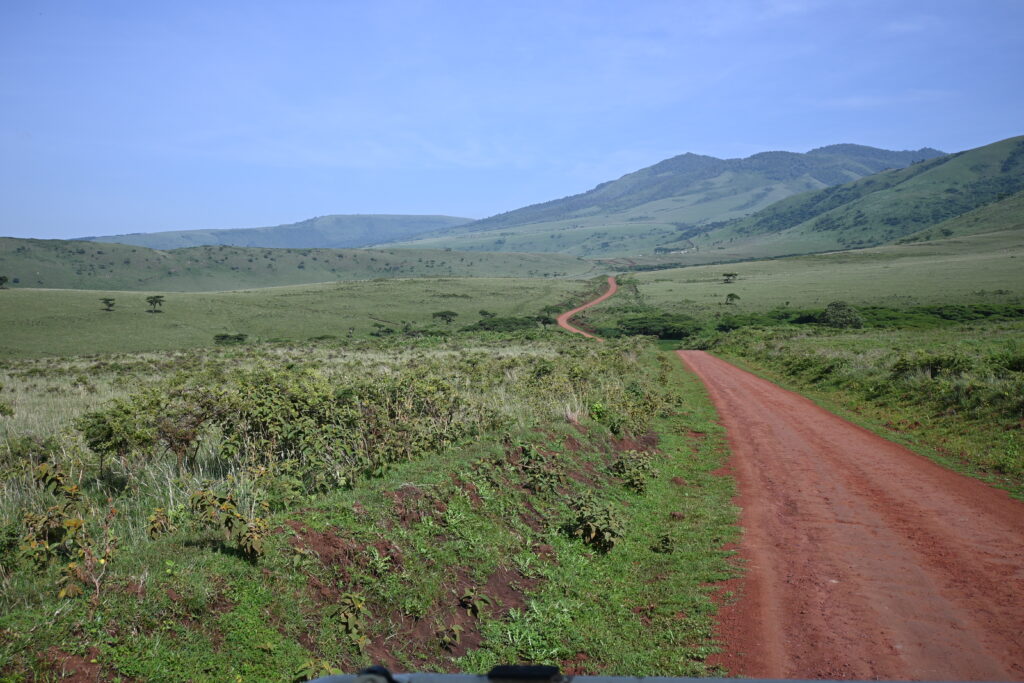
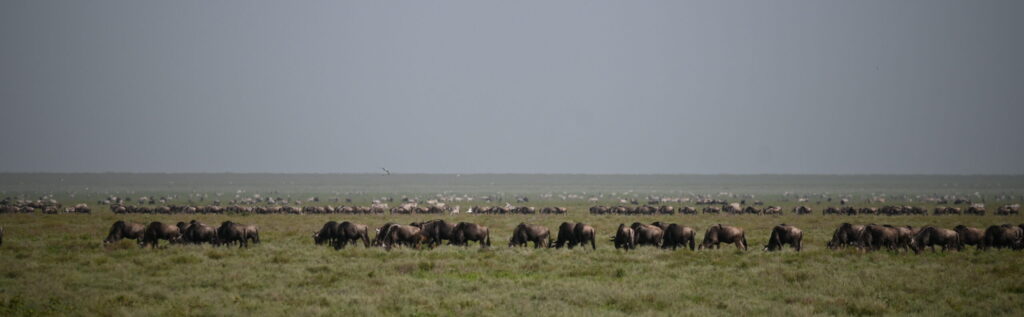
Topography & Landscape
As you descend from the Ngorongoro Crater, the landscape shifts from rolling hills and acacia woodlands to vast, open grasslands—the reason the Serengeti is named ‘Endless Plains‘ in the Maasai language.
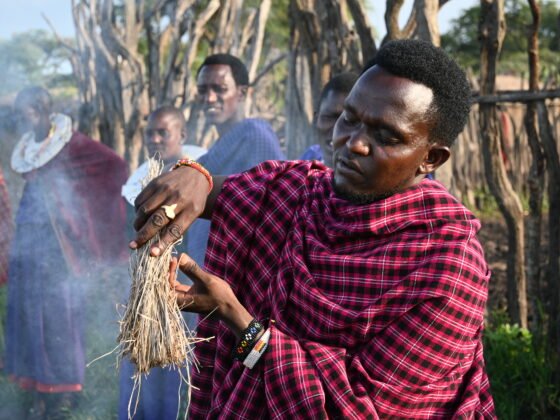
The Ngorongoro Conservation Area (NCA) allows co-existence between Maasai pastoralists and wildlife, making it one of the few places in Africa where you’ll see Maasai herders grazing livestock near herds of zebra and wildebeest. You’ll notice the Maasai settlements gradually disappearing as the NCA transitions into the Serengeti. The only other tell-tale sign is some white marker posts along the boundary.
The south-western region has three key sections:
- Ngorongoro Conservation Area (NCA) – Offers both wildlife and cultural experiences and the chance for visitors to experience the iconic Ngorongoro Crater.
- Ndutu (Lake Masek area) – Most accessible and busiest area during calving season because the lakes provide the main source of water. There is also plentiful lodging options for visitors at various price points.
- Kusini Plains (west) – More remote, with fewer more high quality lodgings and much lower vehicle densities.
You may find this Serengeti map useful.
Wildlife & Best Time to Visit
From December to March, thousands of wildebeest calves are born in just a few weeks, attracting predators like lions, cheetahs, hyenas, and jackals. Around one in three calves born will survive to maturity.
Pros & Cons
✅ Best for predator action, calving season, and vast open plains.
✅ Easily combined with a Ngorongoro Crater safari.
❌ Seasonal – best from December to March but expect high vehicle densities in peak areas, and pressure on mammal sightings.
❌ Few permanent camps, mobile camps are the best option.
Best Way to Experience It
Stay in a small mobile camp that follows the migration—these camps move position 2 or 3 times a year to always be close to the herds. In the south, Kusini has fewer lodges/camps and is therefore quieter than Ndutu. Try Alex Walker’s Serian Serengeti South mobile, or Nomad’s Serengeti South Camp #1.
2. Central Serengeti – Wildlife All Year Round
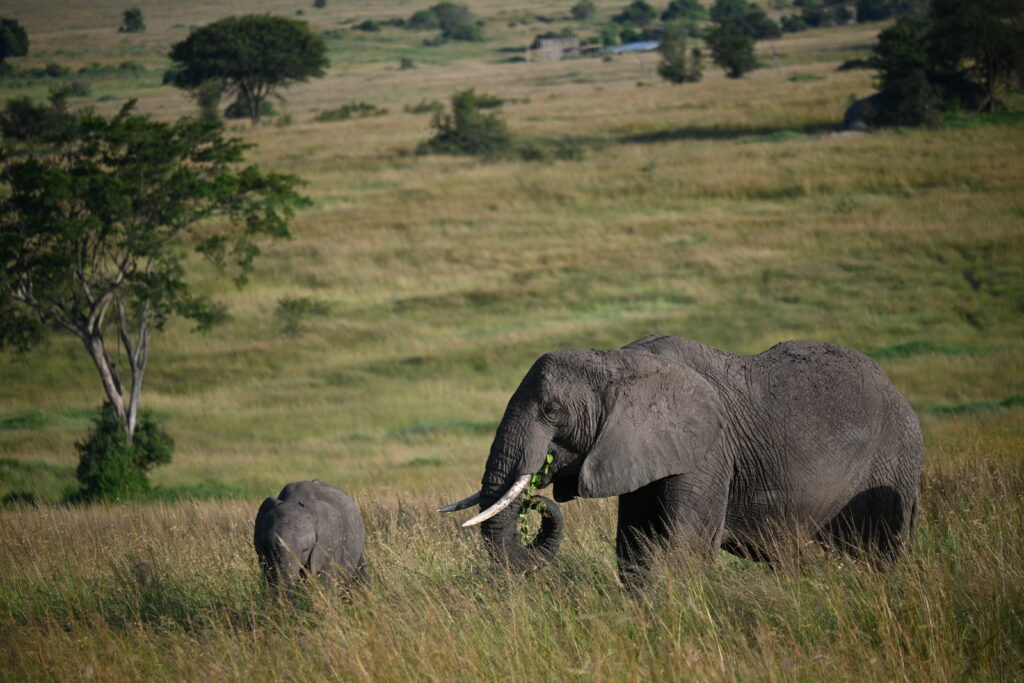
Topography & Landscape
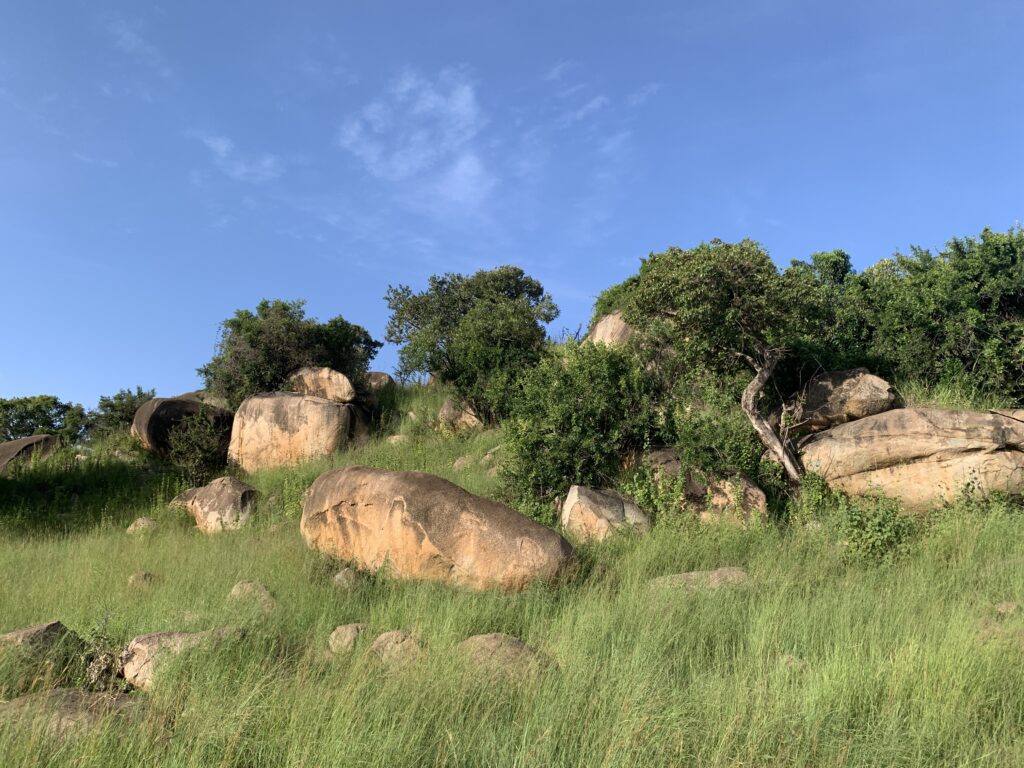
The Seronera Valley is a mix of savannah, riverine forests, and granite kopjes (rocky outcrops), creating a stunning backdrop for safari.
Wildlife & Best Time to Visit
This region has excellent wildlife viewing year-round, particularly for:
- Big cats (lions, leopards, cheetahs) around the kopjes.
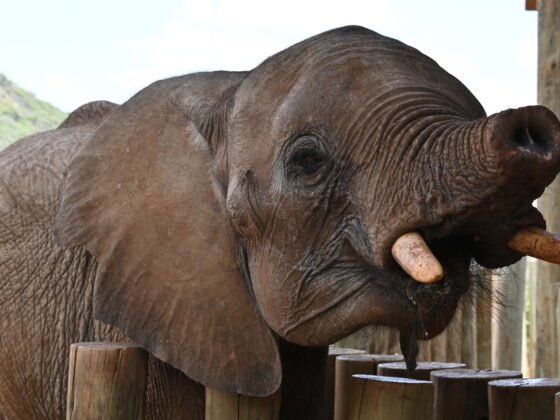
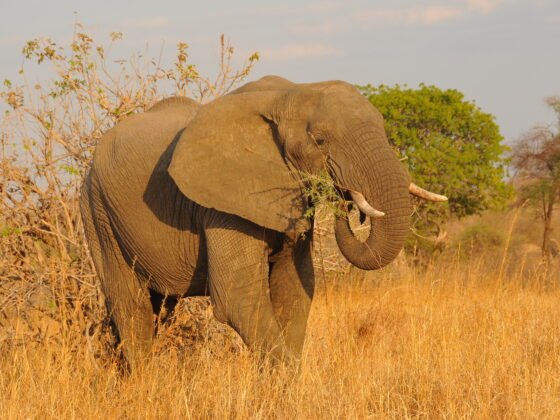
- Plains game like zebra, giraffe, and elephant.
Pros & Cons
✅ Great for first-time safari-goers and year-round game viewing.
✅ Variety of accommodation, from budget to luxury.
❌ Can be busy in peak season with lots of vehicles due to the concentration of lodgings.
Best Way to Experience It
Stay in a lodge or tented camp near Seronera providing easy access to diverse habitats.
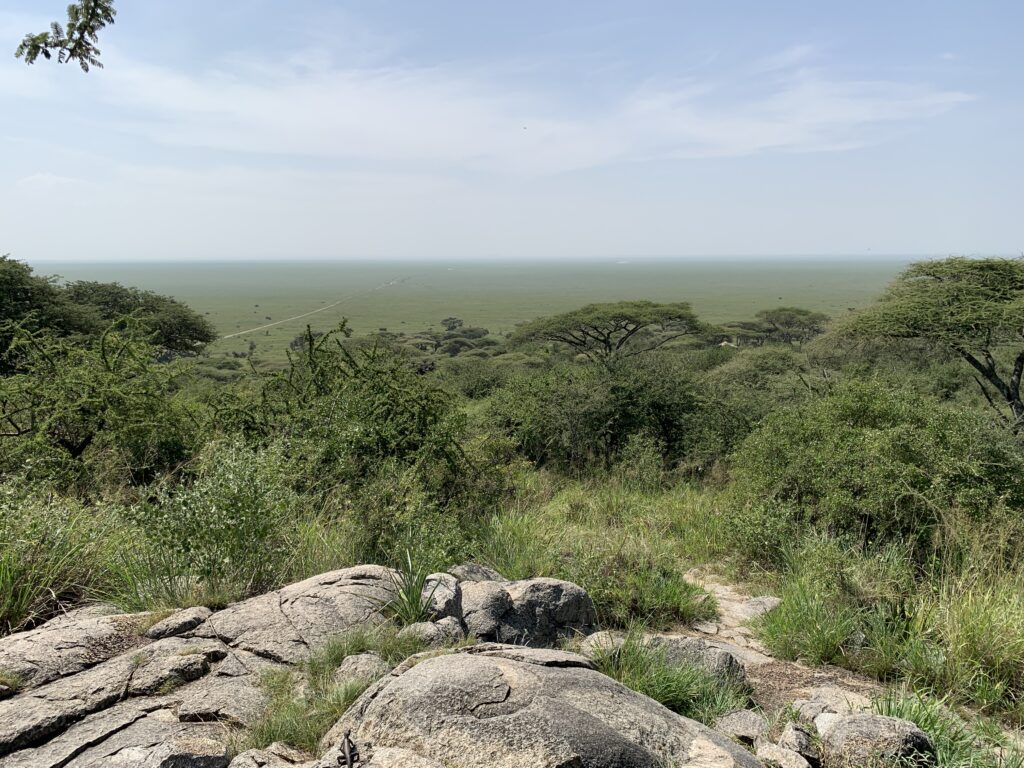
3. Eastern Serengeti – Remote & Exclusive Safari
Topography & Landscape
The Namiri Plains are a mix of rolling grasslands and seasonal rivers, creating the perfect hunting ground for cheetahs.
Wildlife & Best Time to Visit
This is one of the best places to see cheetahs in action, because of the wide open plains and also because this area was once a cheetah conservation zone closed to tourism.
Pros & Cons
✅ Less crowded, offering a more intimate safari.
✅ Best area for cheetah sightings.
❌ Fewer permanent lodges so more expensive
Best Way to Experience It
Stay in a small, eco-friendly tented camp like Asilia’s Namiri Plains.
4. Western Serengeti – The Migration Corridor & River Safaris
Topography & Landscape
The Western Corridor features woodlands, acacia thickets, and the Grumeti River, home to some of Africa’s largest crocodiles.
Wildlife & Best Time to Visit
Between May and July, the Great Migration crosses this region. The Grumeti River provides the first big test for young wildebeest before they face the more challenging Mara River further north. The Mara River is more dramatic because it is much wider with steep banks.
Pros & Cons
✅ Unique river-based wildlife experiences.
✅ Fewer crowds than Central or Northern Serengeti.
❌ Lower wildlife densities outside migration season.
Best Way to Experience It
Stay in a lodge along the Grumeti River for river safaris & guided walks.
5. Northern Serengeti – The Great Migration River Crossings
Topography & Landscape
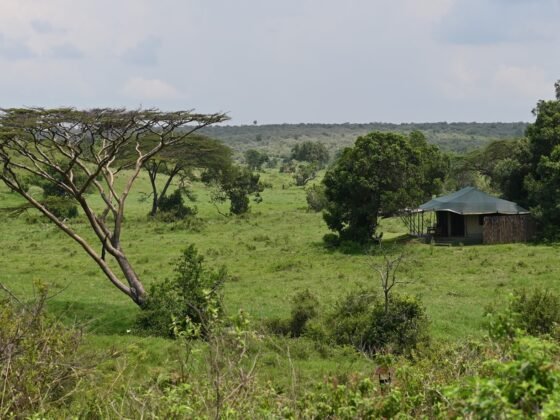
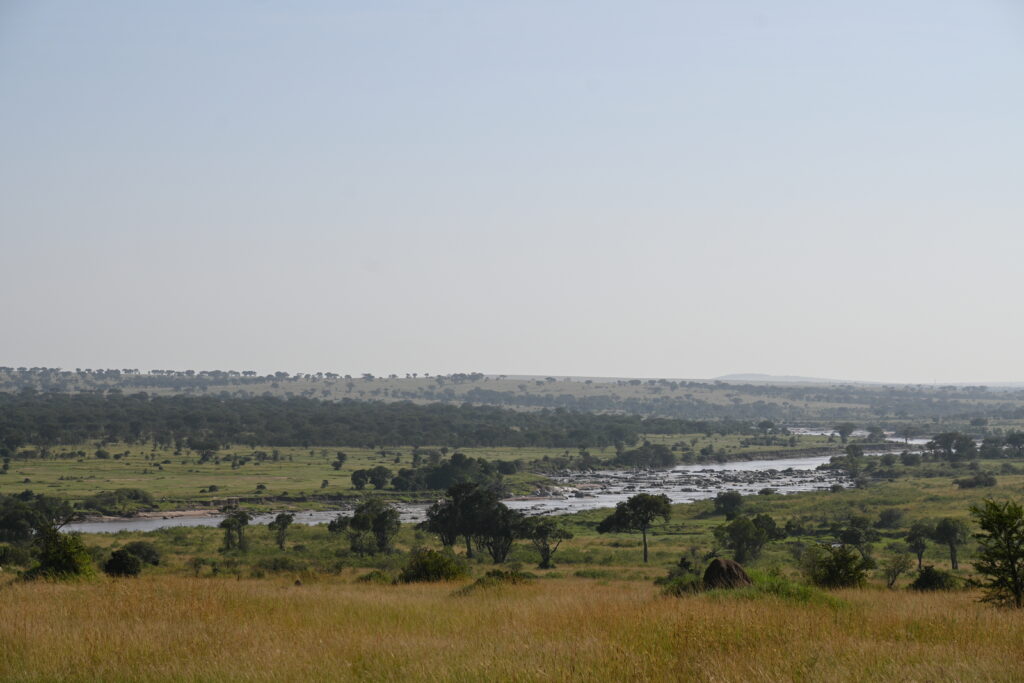
A mix of rolling hills, riverine woodlands, and beautiful kopjes leading to the Mara River.
Wildlife & Best Time to Visit
From July to October, this is THE place to witness the Mara River crossings. As a unique wildlife spectacle, the river crossings draw a crowd and prices peak.
Out of migration season, this area is a wild paradise with fewer visitors and some attractive lower rates at really fabulous lodges. Wildlife sightings can be more challenging between January – March because the grass is long and lush after the short rains (November time), providing lots of cover for wildlife. However, it is still possible to see a wide variety of species amidst a stunning landscape. Many properties close during the long rains in April/May.
Pros & Cons
✅ Best for Great Migration river crossings.
✅ More remote and exclusive wth small high quality camps.
❌ Higher costs compared to other areas.
Best Way to Experience It
Stay in a luxury lodge or mobile camp near the Mara River.
6. Private Conservancies Bordering the Serengeti
A private conservancy stay offers a more exclusive willdife experience because visitor numbers are strictly limited and you don’t get any day traffic. Private reserves include:
- Mwiba Reserve (South) – Luxury, low-impact safaris.
- Singita Grumeti (West) – Private, ultra-luxury safari villas.
These areas allow night drives, walking safaris, and off-road game viewing—not permitted in the National Park.
Serengeti Visitor Statistics, Fees & Lodging Options
- The Serengeti receives 350,000+ visitors annually.
- There are over 100 lodges and camps, ranging from budget camping to ultra-luxury lodges. These range from small camps – the smallest is Asanje Grumeti in the Western Corridor with just three tents – to large hotel-style lodgings. The largest property (at time of writing) in the Serengeti is the Four Seasons (72 rooms & 5 villas) followed by the Serengeti Sopa Lodge (73 room).
- All visitors pay the Tanzania National Parks Authority (TANAPA) fees which includes a park entry fee of $70 per person, a concession fee of $60 per person and 18% tax, so a minimum of $153 per person per 24 hour stay (plus your accommodation/travel). Additional fees are also payable for vehicles, transiting the park and certain activities. Based on February 2025. Rates vary according to season of travel.
Final Thoughts: How to Choose the Best Serengeti Experience

For:
✔ year-round wildlife: Central Serengeti
✔ Great Migration river crossings: Northern Serengeti (July-October)
✔ calving season & predators: Southern Serengeti (Dec-March)
✔ river safaris & fewer crowds: Western Serengeti
✔ remote, exclusive safaris: Eastern Serengeti
No matter which region you choose, the Serengeti is an iconic destination, offering wonderful wildlife encounters. In our view, for the very best experience of the Serengeti, it is a good idea to combine contrasting areas.
👉 Ready to plan your Serengeti adventure? Let us help you choose the perfect safari! We can provide independent advice and book all your arrangements, with the benefit of ATOL bonding, through our expert travel network.
Image at top: Northern Serengeti in February – lions on kopje