Health, packing, luggage rules, tipping & what to expect
A safari is one of the most rewarding travel experiences you can have, but it’s also very different from a conventional holiday. From light aircraft luggage rules to early morning starts and the realities of tipping, a little preparation goes a long way.
This practical guide covers the essentials including health, baggage, what to pack, and how tipping works on safari, so you can travel with confidence and focus on what really matters: being out in the wild.
Health & wellbeing on safari
Safari destinations are often remote, which is part of their magic, but it also means you need to take responsibility for your own health planning. This is best done at least 3 months in advance (Ideally more), as it can take time to organise vaccinations. Specialist travel vaccination centres are often faster than a GP, but the service will cost more. NHS GPs usually offer some vaccinations free of charge.
Before travelling, check the latest guidance on vaccinations, malaria prevention and destination-specific advice. We most often use Travel Health Pro, which is a good starting point.
Key things to consider:
- Vaccinations & malaria – requirements vary by country and even by region
- Travel insurance – make sure it covers remote medical evacuation
- Heat & hydration – safaris often involve long hours outdoors
- Personal medication – bring more than you need, in your hand luggage
Safari camps are well practised at handling minor issues, but serious medical facilities may be many hours away. Planning ahead is essential.
Water

Rules vary from place to place, but as a general guide, assume that tap water is for washing, while filtered, bottled or treated water is for drinking and cleaning teeth.
Many camps provide a reusable water bottle on arrival and will explain where the camp water station is located. In your room or tent, you will usually find bottles or flasks of drinking water provided. These are replenished regularly.
Always follow the guidance given by your camp.
Safari luggage rules: why soft bags matter
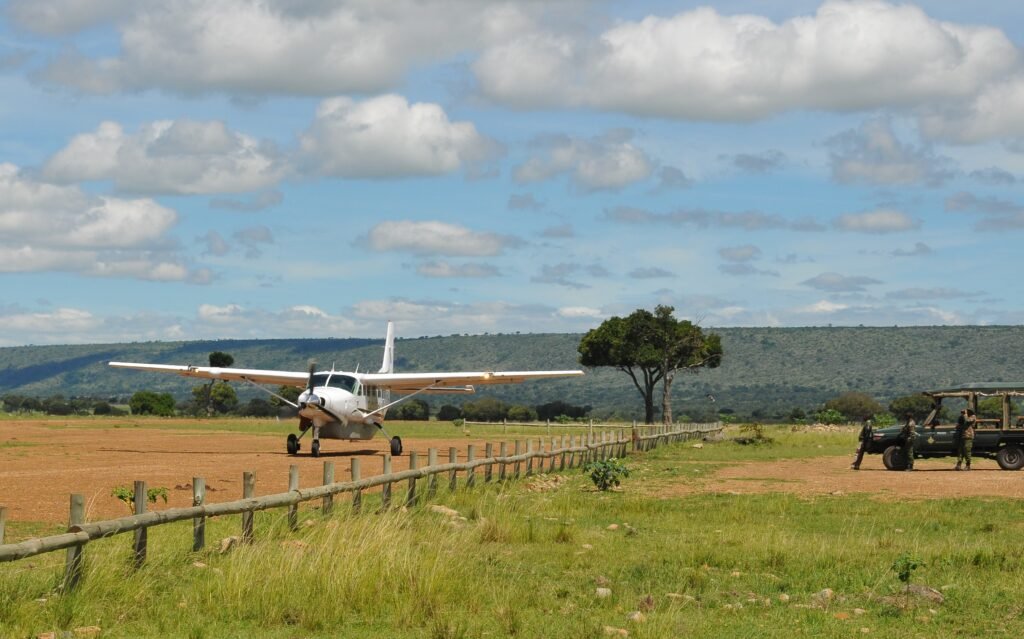
One of the biggest surprises for first-time safari travellers is luggage restrictions, but they exist for very good reasons.
Many safaris involve light aircraft flights to bush airstrips. These planes have strict weight and balance limits, and luggage needs to fit into the small hold beneath the aircraft. Space on board is limited: when you board, hand luggage is usually placed in a net at the rear of the plane, and you take essentials such as your camera and water bottle to your seat.
Typical rules include:
- Soft-sided bags only – no hard cases or rigid frames. This helps maximise space in the hold.
- No wheels – they add weight, can be damaged, and don’t allow for compact packing.
- Weight limits – usually 15kg–20kg per person, including hand luggage and camera equipment.
- In East Africa, the limit is usually 15kg including hand luggage.
- In Southern Africa, it can sometimes be more generous – for example 15kg for hold luggage plus up to 5kg for hand luggage – but always check in advance.
Why this matters:
- Soft bags can be moulded into small aircraft holds
- Weight limits ensure safe take-off and landing
- Overweight bags may be delayed or left behind
Many small fly-in safari camps include laundry in their package, making it easy to pack a capsule wardrobe. The main exception is ladies’ underwear (for cultural reasons). Detergent is usually provided in your bathroom so you can hand-wash these items.
What to pack for safari
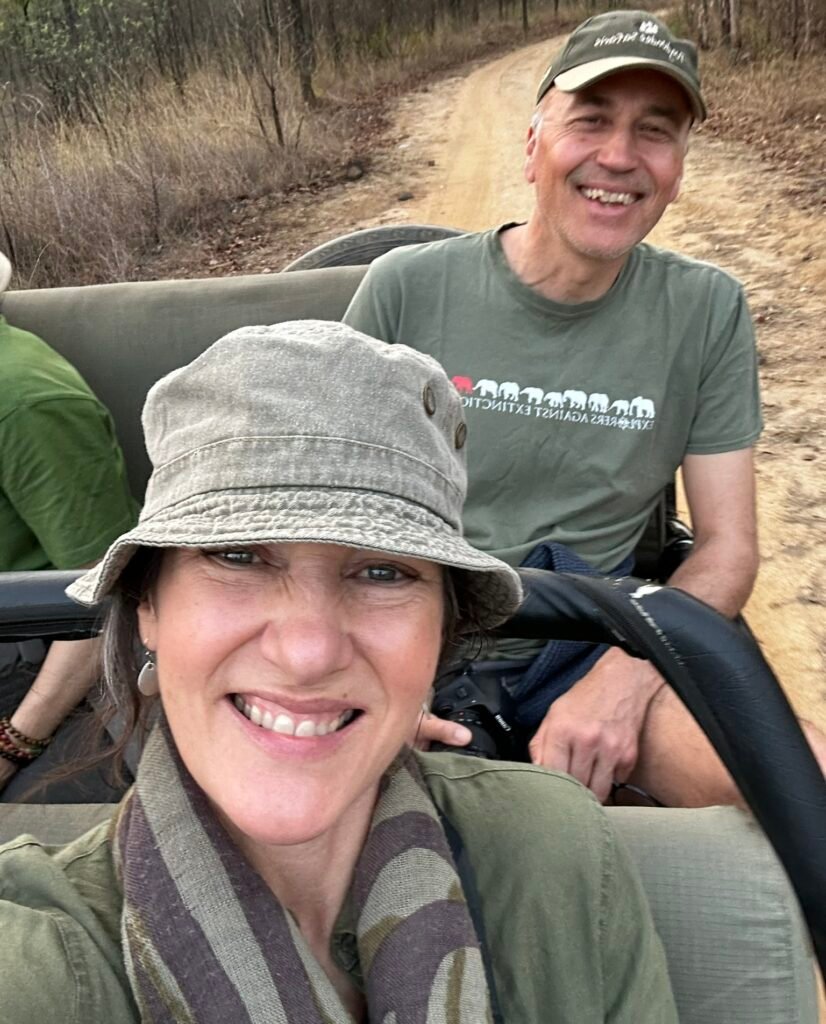
Safari packing is about function, comfort and blending in, whether in Asia or Africa.
Clothing
For safari activities
- Neutral colours: khaki, olive, green, beige/cream, brown, grey
These colours help you blend in and not alarm the wildlife, and they also disguise dust! Avoid military camouflage, white or bright colours. - Limit blue and black by day, as they can attract tsetse flies
- Layers – mornings can be cold, even in Africa. Dress like an onion. Remember a hat.
- Lightweight windproof and fleece
- Comfortable trousers and shirts. Collars/sleeves are good for sun protection
- Closed walking shoe or boot for activities
For camp
- Clean, comfortable evening clothes
- Long sleeves, trousers and socks are recommended to help protect against insect bites
- A warm layer for cooler evenings
- Sturdy sandals, trainers, mules or clogs
Acacia thorns make light work of flip-flops – I speak from experience. During a site inspection in northern Kenya in 2016, a camel acacia thorn went straight through my sandal and embedded itself in the ball of my foot. Not only was it extremely painful, but the thorn released a nasty toxin that caused my foot and lower leg to swell. A local poultice helped draw out some of the toxin, but I needed several visits to the doctor back in the UK to fully resolve it. Be warned.
Essentials
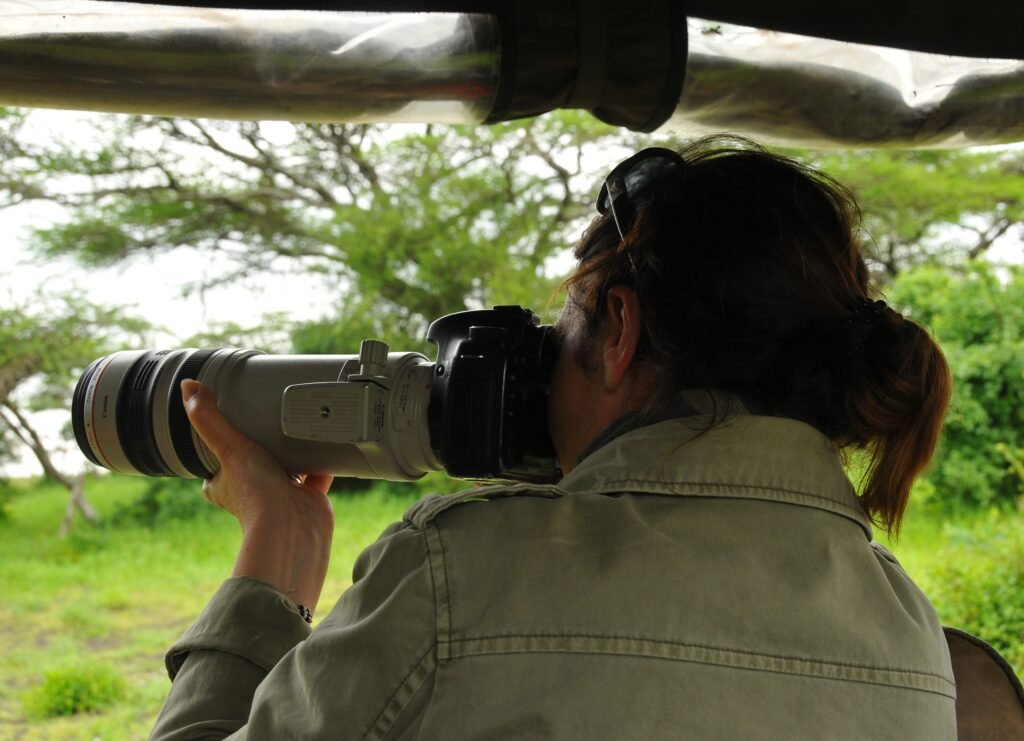
- Hats – one for warmth and one for sun protection
- Buff or scarf (for dust, sun, wind or morning chill)
- Sunglasses
- Binoculars – one of the most valuable items you can bring (guides will usually have some in the vehicle)
- Camera – a lens of 200mm or more is ideal. A dust cover is also recommended
- Sunscreen and insect repellent
- Small daypack/bag for game drives
- Chargers, adapters and spare batteries (depending on destination and kit)
Many safari camps run on solar power. Charging facilities may be available in your tent or room, but more commonly there are charging stations in communal areas. There is generally not enough power for hairdryers so be prepared to let the wind style your hair. Fly-in camps usually provide shampoo, bodywash and conditioner.
Packing light is not only practical – it’s part of responsible safari travel.
Money
In most safari destinations, US dollars are widely accepted, including for tips. South Africa is the main exception, where the South African rand is used.
You may also want to carry a small amount of local currency for incidentals, especially if you are extending your stay on the coast or spending time in cities. This can usually be obtained on arrival at the airport from an ATM or bureau. Local currency can also be used for tipping.
Tipping on safari: what’s expected?
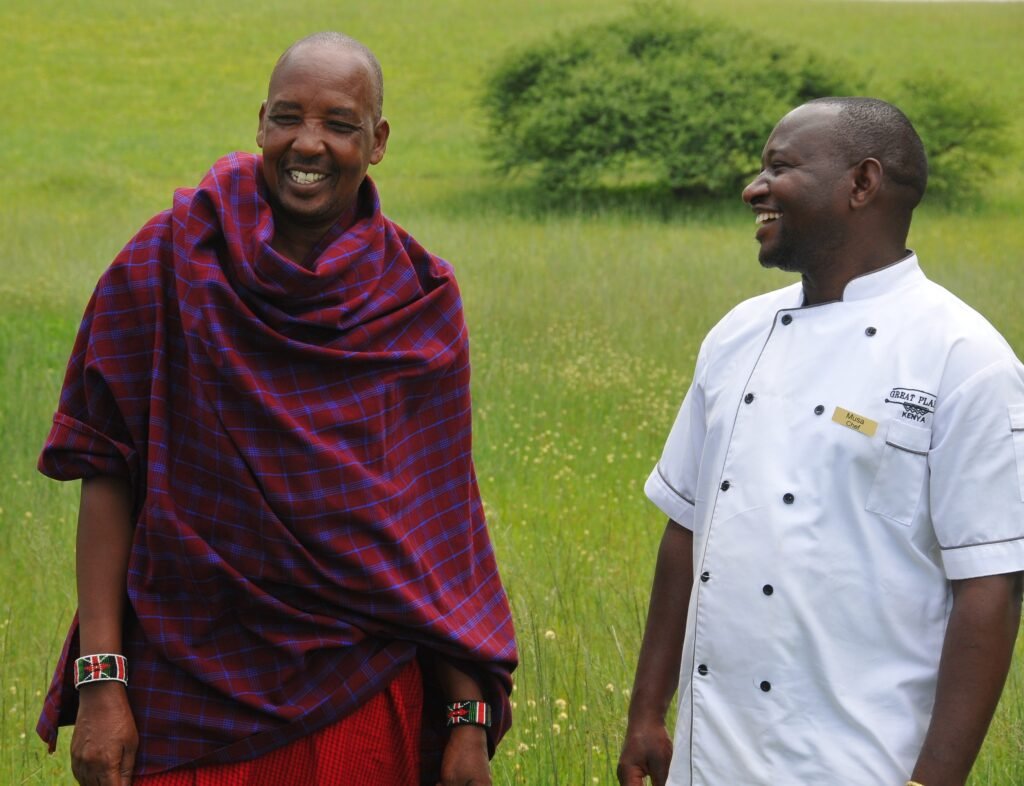
Tipping is one of the most frequently asked safari questions – and understandably so.
Tipping is a well-established part of safari culture and a meaningful way to recognise the skill and effort of the people who make your experience exceptional. However, tipping is always discretionary.
As a general guideline (minimum levels):
Your safari guide
US$10–20 per guest, per day
Usually given directly to your guide, often with the traditional “secret handshake” at the end of your stay.
Camp staff
US$5–10 per guest, per day
Normally placed in a communal tip box and shared among housekeeping, kitchen and behind-the-scenes staff.
Specialist guides (canoe, mokoro, boating activities)
US$5–10 per person, per day
Given directly to the specialist guide if you’ve spent time with them.
These figures represent a baseline, not an obligation. Many guests choose to tip more if service has been exceptional or if they’ve spent extended time with a particular guide.
If in doubt, you can always ask your travel provider for guidance.
A final word
With a little preparation, you’ll arrive relaxed, informed, and ready to enjoy one of the most remarkable holiday experiences in the world.
Explore Safaris with Explorers Against Extinction>>
All bookings made through our expert travel network support on the ground conservation at no additional cost to you.