Trekking in Nepal goes beyond altitude and scenery. The country’s main routes cut through working villages, protected landscapes, and regions where tourism directly shapes daily life.
For travellers who want their journey to mean something beyond ticking off a route, Nepal offers a rare balance. Community-run lodges, conservation areas, and long-established trail systems make it possible to travel responsibly without overcomplicating the experience.
This guide focuses on approaching the Himalayas with awareness, practical choices, and respect for the people and wildlife who live there. It’s for travellers who want the walk to matter as much as the view.
Essential Guide: Planning an Ethical Trek in Nepal
An ethical trek in Nepal starts with understanding how the trekking system works on the ground. Many of the classic routes, including the Annapurna Circuit and trails within Sagarmatha National Park, are supported by permit fees that fund conservation and local services.
Choosing licensed local guides and porters ensures wages stay within the region and workers are insured and properly equipped. In Kathmandu, several trekking agencies are locally owned and operate year-round, not just during peak seasons.
Travellers who try trekking in Nepal for the first time often realise that many parts of the experience are connected, even if that isn’t obvious at first. Trails, villages, guides, and local services depend on one another, and tourism supports far more than the walk itself. Ethical planning also means matching the route to local capacity. Regions like Langtang Valley have rebuilt steadily since the 2015 earthquake and welcome trekkers who respect limited infrastructure. Staying in small teahouses rather than pushing for remote camping reduces pressure on fragile alpine ground and keeps income flowing to families who rely on trekking seasons.
Respecting Nature: How to Minimise Your Environmental Impact
Nepal’s high-altitude environments show damage quickly. Plastic waste, poorly managed toilets, and trail erosion are ongoing challenges, particularly on popular routes like the Everest Base Camp trail.
Responsible trekkers carry refillable bottles and use water purification rather than buying single-use plastic bottles at altitude. Many villages now have safe water stations, often supported by local NGOs. Staying on established paths matters more than it sounds, as shortcuts can damage grazing land used by yaks and goats.
Firewood use is another issue that often goes unnoticed. In higher regions, trees are scarce, and collecting wood can affect slope stability as well as local ecosystems. Teahouses that rely on solar power or gas for cooking help reduce pressure on nearby forests.
Choosing these lodges, even when they’re fairly basic, can make a tangible difference. In places like the Annapurna Conservation Area, small decisions like this add up over time and play a real role in long-term conservation.
Local Connection: How to Feel Like One of the Locals
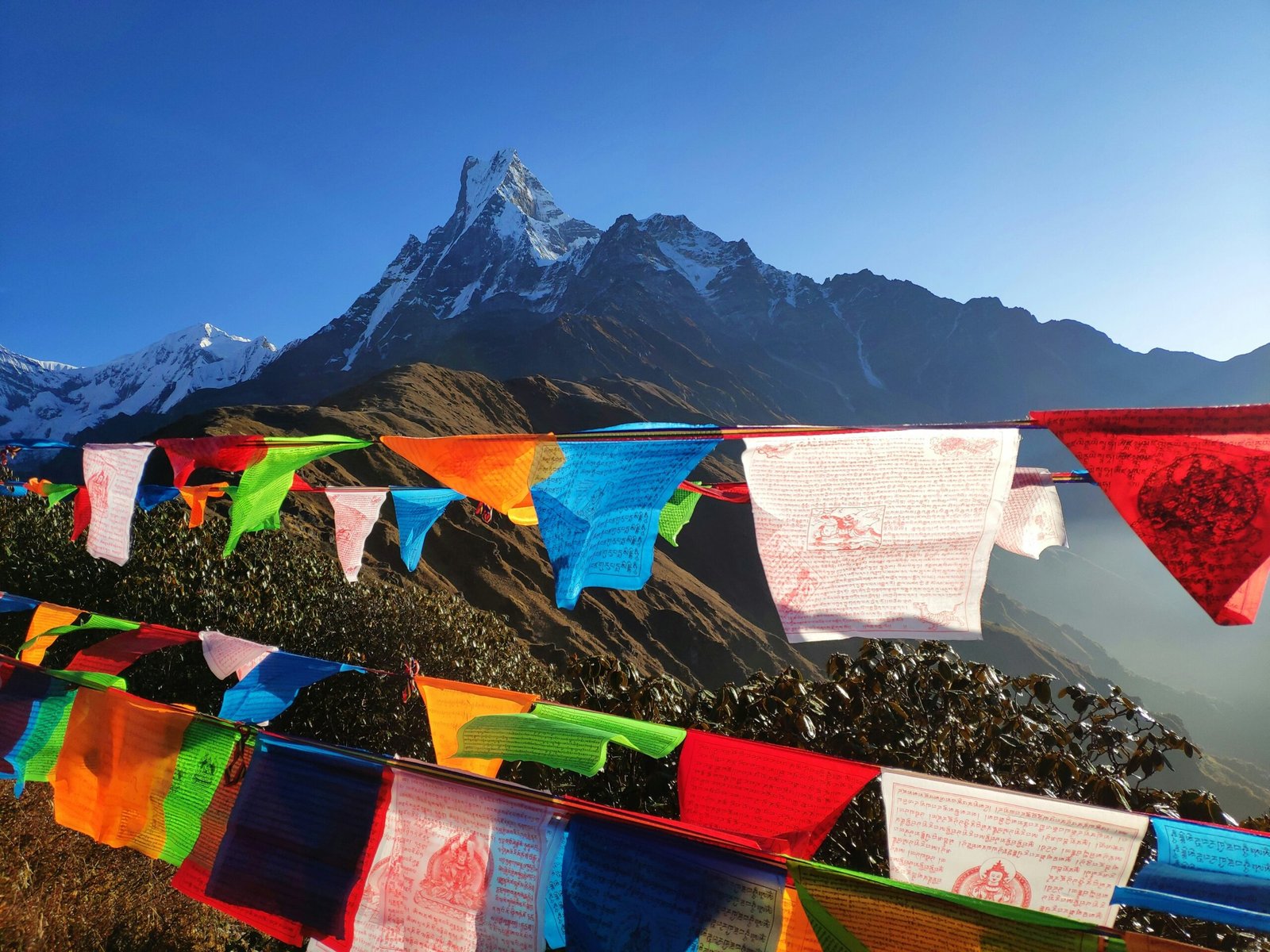
Feeling connected on a Nepal trek doesn’t come from forcing interactions. It usually happens naturally in villages where trekkers stop for lunch or overnight stays. In places like Manang or Namche Bazaar, daily life continues around the trekking trade. Schools run in the mornings, prayer flags are replaced when they fray, and farmers move livestock through the same trails used by trekkers.
Basic cultural awareness goes a long way. Learning how to greet people properly, understanding why shoes are left outside certain buildings, and respecting monastery rules all signal consideration.
In areas with strong Buddhist traditions, such as villages near Tengboche Monastery, walking clockwise around stupas and mani stones is a small but meaningful gesture. Eating local dishes like dal bhat supports village kitchens and introduces travellers to food designed for altitude work, not visitors’ expectations.
Wildlife Awareness: Protecting the Himalayas’ Rare Species
The Himalayas are home to species that are rarely seen but constantly present. Snow leopards, red pandas, Himalayan tahr, and musk deer all inhabit trekking regions, often moving at dawn or dusk. While sightings are rare, the impact of human presence is not.
Noise, off-trail walking, and feeding wildlife disrupt fragile behaviour patterns. Responsible trekkers treat wildlife observation as passive, not interactive, and accept that not seeing animals is often a sign of a healthy ecosystem.
Protected zones like Chitwan National Park show what long-term conservation can achieve, but mountain regions rely more heavily on community protection. Many villages participate in wildlife monitoring schemes and compensation programmes for livestock losses. Supporting these areas through legal permits and local services helps fund that work.
Choosing guides trained in wildlife awareness also reduces accidental disturbance. The goal isn’t to turn a trek into a safari. It’s to move through habitats without leaving a lasting trace, even when the animals themselves remain out of sight.
Responsible Gear: Packing Sustainably for High-Altitude Trails
Gear choices have a real impact in Nepal, especially at altitude, where waste management is limited. Durable, repairable equipment is more responsible than lightweight items designed for short-term use.
Renting gear in Kathmandu or Pokhara reduces the demand for imported products and supports local outfitters who maintain equipment season after season. Many shops now stock down jackets and sleeping bags rated for Himalayan conditions, not generic cold-weather use.
Clothing choices matter too. Natural fibres and long-lasting synthetics perform better over repeated wears and washes. Packing fewer items that serve multiple purposes reduces porter loads and fuel use along the trail.
Solar chargers work well on exposed routes and cut reliance on lodge generators. Even small items like biodegradable soap make a difference when water sources are shared by an entire village.
Ready to enjoy your trip to the Himalayas?
Purpose-driven trekking in Nepal isn’t a separate category of travel. It’s a way of approaching routes that already exist, with more attention to how choices affect people and landscapes. From conservation-funded permits to community-run lodges and wildlife protection efforts, the system works best when travellers engage with it thoughtfully.
The Himalayas don’t need to be sold or dramatised. They need visitors who understand their role within a living environment. For those willing to walk with awareness, Nepal offers something increasingly rare: a journey where the trail, the communities along it, and the wider ecosystem are inseparable parts of the same experience.
Image: Unsplash, Samjay Hona