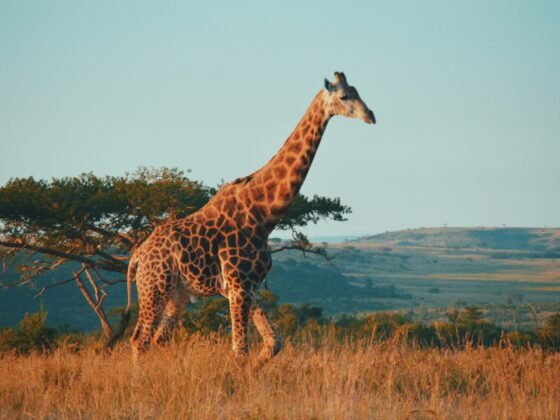
Reducing Carbon Footprint While Exploring Natural Habitats
Traveling to places rich in wildlife and biodiversity is a privilege that comes with responsibility. Today more than ever, travelers are becoming aware of how their choices impact ecosystems, animal habitats, and climate conditions. Choosing eco-friendly transportation is one of the most effective ways to reduce your environmental footprint while still enjoying meaningful experiences in nature.
Group Transportation Over Multiple Cars
Rather than ten people taking ten separate cars, one shared vehicle dramatically reduces pollution. When groups use a single minibus or coach with a professional driver instead of multiple rental cars, emissions and ecological impact are significantly lower. Companie with best customer rating is 8Rental wich can support this approach by providing group-friendly transportation options, reducing vehicle frequency in fragile regions.
Understanding the Impact of Transportation on Wildlife

Many sensitive ecosystems suffer from direct and indirect environmental pressure caused by transportation. Multiple individual cars entering protected regions create:
- noise pollution
- exhaust emissions
- road congestion
- stress to animals
- habitat disruption
Every vehicle has an effect and reducing the number of vehicles is the first step in lowering overall impact.
Choosing Low-Emission Travel for Wildlife Destinations
More destinations now encourage (or require) environmentally mindful transport, including:
Electric Buses and Shuttles
Many national parks and natural reserves have introduced electric or hybrid buses to reduce emissions.
Cycling and Hiking for Short-Distance Movement
When possible:
- ride a bike
- walk
- use wildlife-friendly trails
These are zero-impact options that immerse travelers directly in nature.
Train Travel Instead of Domestic Flights
Train travel emits significantly less CO₂ per passenger than short-haul flights. European rail networks make this a very practical choice for wildlife-friendly travelers.
Respecting Sensitive Habitats While Traveling
Wildlife-conscious travelers should follow these best practices:
- avoid honking or loud noise near animal habitats
- never drive off designated roads
- use lower speeds in wildlife-crossing zones
- respect temporary closures in breeding or migration seasons
- avoid night driving in natural areas when animals are active
Reducing stress for wildlife is just as important as reducing emissions.
Supporting Local and Conservation-Oriented Initiatives
Many eco-reserves reinvest sustainable tourism revenue back into conservation efforts. Choosing:
- eco-certified tour providers
- licensed guides
- conservation-based travel companies
These help protect local species and ecosystems while ensuring your trip produces net-positive benefits.
Eco-friendly travel is not about giving up comfort or convenience. It is about making thoughtful choices that minimize environmental harm and respect the habitats we are fortunate to visit. Whether hiking through protected forests, observing marine life, or journeying into remote biodiversity zones, traveling responsibly ensures that wildlife can continue to thrive.
By prioritizing group travel, low-emission vehicles, electric transportation, and respectful mobility practices, wildlife-conscious travelers become part of the conservation effort rather than the disturbance.
Image: Unsplash, JD Photos