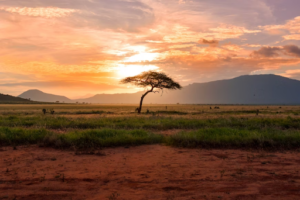
In recent years, there has been a growing global awareness of the impact of tourism on local communities, cultures, and natural environments. Ethical tourism, also known as responsible travel, has emerged as a powerful concept that aims to minimise the negative effects of tourism while maximising its positive contributions. One area where ethical tourism plays a crucial role is in elephant conservation. In this blog post, we will explore how responsible travellers can make a difference in promoting ethical practices and contributing to elephant conservation efforts. But before we delve into that, let’s address the first step in any travel plan: obtaining a visa. But first of all get your Kenya visa, a country renowned for its commitment to wildlife conservation.
Source: Damian Patkowski, Unsplash
Ethical Tourism and Elephant Conservation
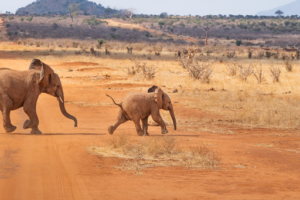
Elephant conservation and ethical tourism are increasingly interwoven as tourists look for more ethical and environmentally friendly methods to interact with wildlife. Numerous organisations and projects have been launched to encourage moral behaviour and aid in elephant conservation efforts as a result of the need to safeguard these magnificent animals. Supporting ethical travel and elephant conservation can have a big positive influence on local ecosystems, communities, and individual elephants as well as on both. Initiatives for responsible tourism frequently collaborate closely with local communities, creating job opportunities and generating economic advantages that encourage conservation and deter destructive behaviours.
Source: Pixabay
Choose Ethical Elephant Experiences
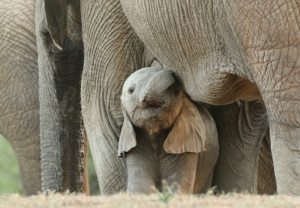
When it comes to interacting with elephants, it’s important to select ethical experiences that prioritise the well-being and natural behaviour of these animals. Avoid activities that involve riding elephants or unnatural performances. Instead, opt for reputable sanctuaries and conservation centres that prioritise the elephants’ welfare and provide educational experiences.
Source: Pixabay
Support Local Communities
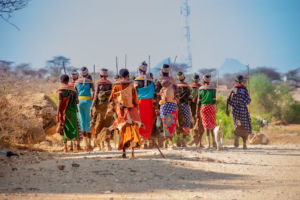
Responsible travellers can make a positive impact by supporting local communities that are actively involved in elephant conservation efforts. By staying in community-run lodges or booking tours with local guides, you directly contribute to the local economy and empower communities to protect elephants and their habitats.
Source: Ken Kahiri, Unsplash
Educate Yourself and Others
Take the time to learn about the challenges elephants face and the efforts being made to protect them. Educate yourself and share your knowledge with others, both during your travels and in your own community. By raising awareness, you can inspire more people to make ethical choices and support elephant conservation.

Source: Christin Hume, Unsplash
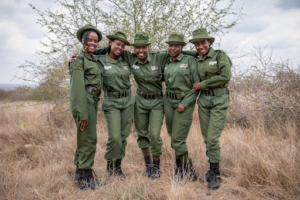
Contribute to Conservation Organizations
Many reputable organisations and initiatives are dedicated to elephant conservation. Consider donating to these organisations or participating in volunteer programs that directly contribute to the protection and well-being of elephants. Your contributions can help fund research, conservation projects, and community outreach programs.
Source: International Fund for Animal Welfare, Unsplash
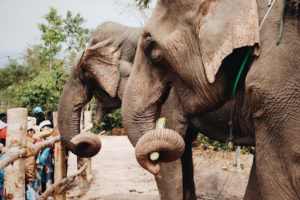
Promote Sustainable Tourism Practices
Responsible travellers have the power to promote sustainable tourism practices that minimise environmental impact and support local conservation efforts. Choose eco-friendly accommodations, practise responsible waste management, and respect local customs and traditions. By being mindful of your actions, you can help preserve the natural habitats that elephants rely on.
Source: Irene Grace Tolentino, Unsplash
As responsible travellers, we have a responsibility to promote ethical practices and contribute to the conservation of elephants. By choosing ethical elephant experiences, supporting local communities, educating ourselves and others, contributing to conservation organisations, and promoting sustainable tourism practices, we can make a positive impact. Let us embrace the principles of ethical tourism and be mindful of our choices to ensure a future where elephants thrive in their natural habitats.