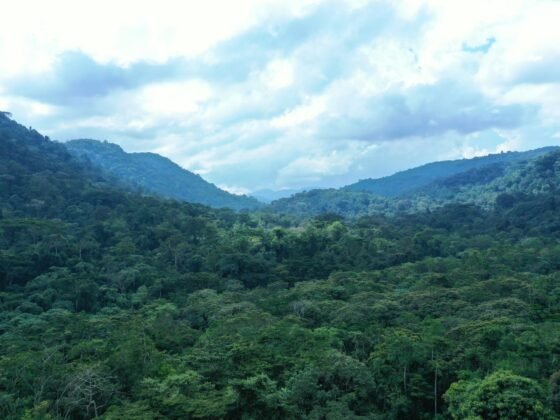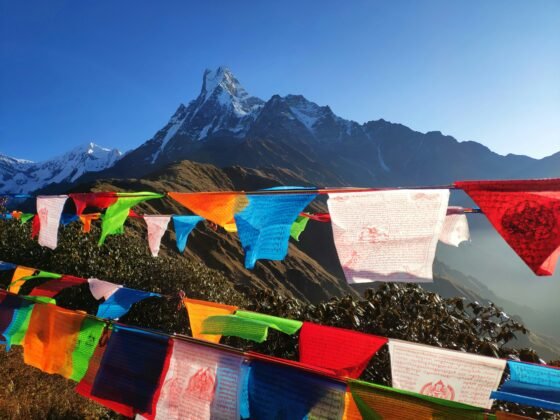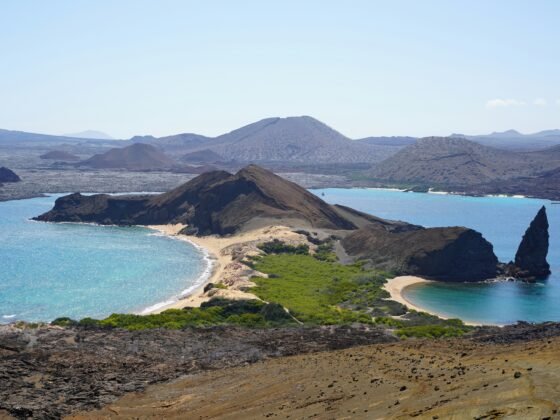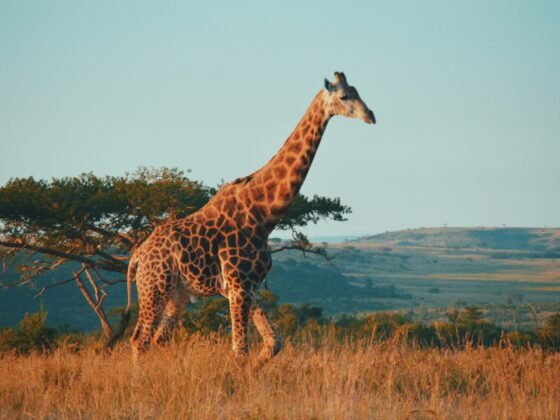
There’s something awe-inspiring about the extremes of our world. One day you’re surrounded by silence, just wind, trees, and the soft rustle of wildlife. The next, you’re in a bustling city alive with sound and light, neon reflecting off rain-slick streets. Both moments are beautiful, both fleeting, and both worth remembering.
Traveling from wilderness to cityscapes reminds us that our planet is full of contrast. From the serenity of nature to the chaos of urban life, each place tells its own story. And if you love photography, these shifts between quiet and chaos are where magic happens.
Seeing Beauty in Opposites
Contrast is what makes photography powerful. The golden glow of a sunrise against dark mountain peaks. The sharp shadows of skyscrapers glowing under a neon sign at midnight. The stillness of a forest after rain compared to the pulse of a crowded street market.
Learning to capture contrast is about more than just lighting, it’s about emotion. The calm you feel in nature highlights the thrill of the city, and vice versa. When you photograph both sides of the world, you begin to appreciate their balance.
According to Statista, travel and nature photography make up nearly 35% of all photography-related content shared online, reflecting our collective fascination with both the untouched and the man-made.
From Forest Trails to Urban Skylines
Every traveler knows that the transition from wilderness to city life can be jarring but also deeply rewarding. In the wild, your senses heighten to the sounds of rustling leaves or distant animal calls. In the city, your focus shifts to movement, rhythm, and energy.
Here’s how to embrace both worlds:
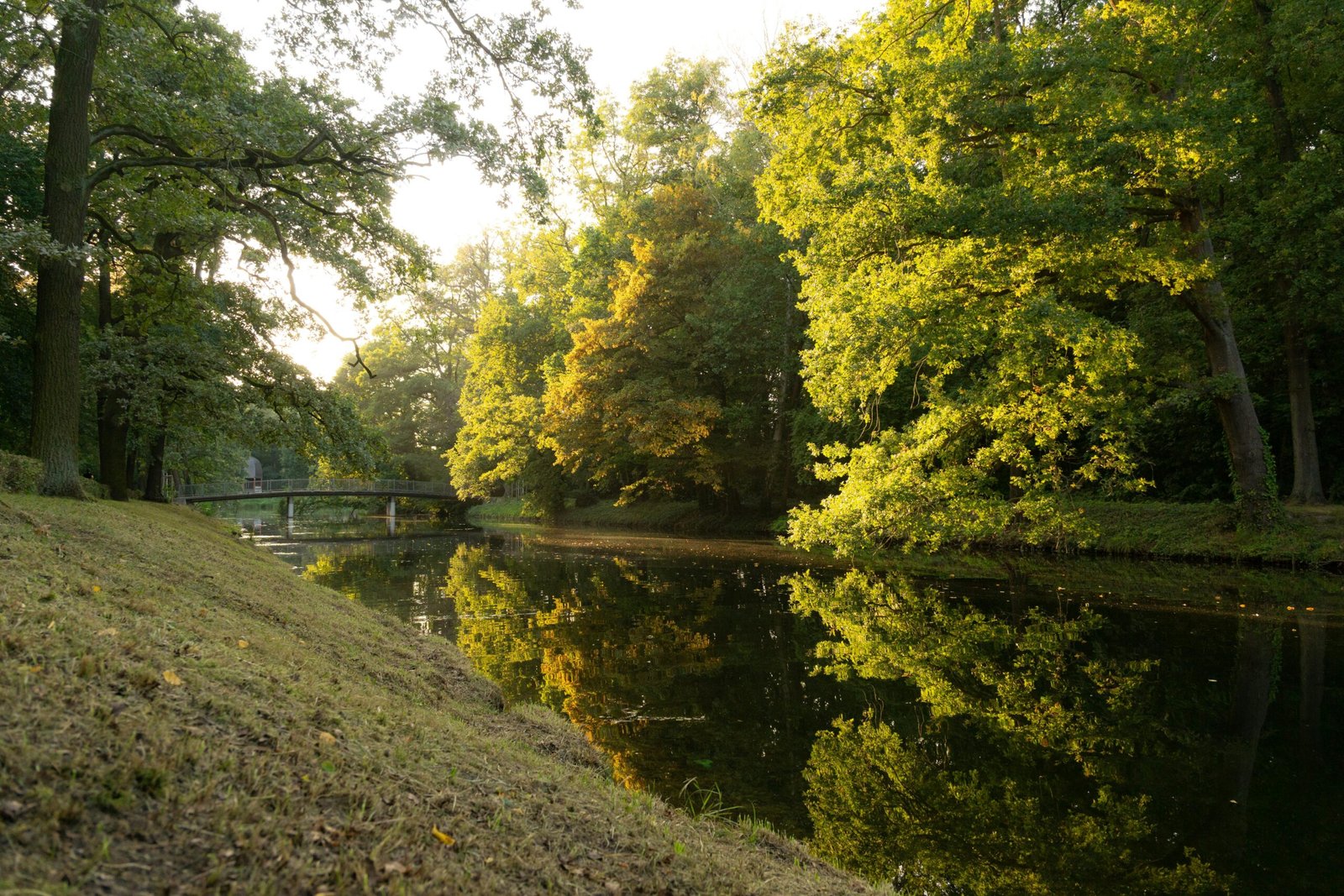
- In the wilderness: Focus on textures and natural light. Early morning and golden hour provide soft tones that bring landscapes to life.
- In the city: Embrace symmetry, reflections, and artificial light. Streetlights and neon add character that nature can’t replicate.
- At the edge of both: Small towns or rural markets often blend these two worlds—capture how nature and humanity coexist.
The contrast between these environments helps you grow as a photographer and storyteller. You start to see not just places, but patterns. How nature inspires architecture and how cities mimic natural flow.
Tools and Techniques for Capturing Contrast
You don’t need a professional camera to capture stunning contrasts. The key is observation and timing.
- Play with light: Use the golden hours in nature, and embrace artificial light at night in cities.
- Experiment with angles: Get low to the ground in forests for depth, then go high in cities for wide perspective.
- Edit thoughtfully: Adjust contrast and color saturation to bring out the natural difference between the wild and the urban.
- Focus on emotion: A still lake and a crowded square can both evoke peace, excitement, or wonder depending on your framing.
Even smartphones today can handle low-light city scenes or high-detail landscapes beautifully. It’s all about how you use them.
Keep Your Memories Alive
Every traveler knows the bittersweet feeling of returning home with hundreds of photos sitting on a memory card. Those moments where fog is rising off the jungle canopy, the glow of city lights after rain, deserve to live somewhere more permanent.
Creating custom photobooks is a perfect way to preserve your adventures. You can pair the raw beauty of nature with the dynamic energy of cities, creating a visual story of contrasts. Think of it as a travel diary in pictures. A reminder of where you’ve been, what you’ve seen, and how each place made you feel.
Designing your own photo book also helps you slow down and reflect. It’s a creative process that lets you relive the moments you captured and share them with others in a tangible, meaningful way.
The Art of Balance
As travelers and explorers, we often chase extremes. The highest peaks, the busiest cities, or the remotest corners of the earth. But the magic often lies in how those worlds complement each other. After days in the wilderness, city lights feel alive. After nights in the city, the sound of a river feels like peace.
Capturing that contrast is more than photography, it’s a reminder of balance. The world isn’t just wild or urban; it’s both, constantly shifting and reflecting its beauty in every form.
So next time you’re out exploring, take a moment to appreciate both ends of the spectrum. The wilderness that humbles you and the city that inspires you. Then, let your camera tell the story of both.
Image: Pexels, János Csatlós