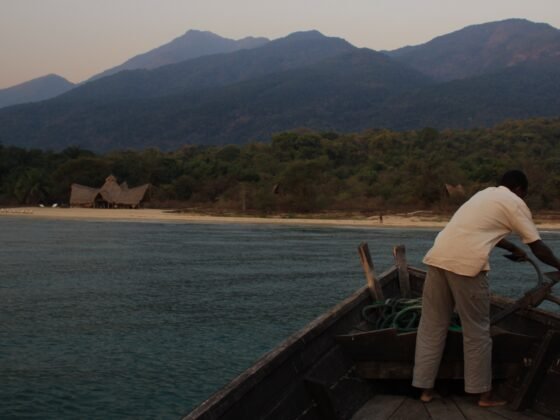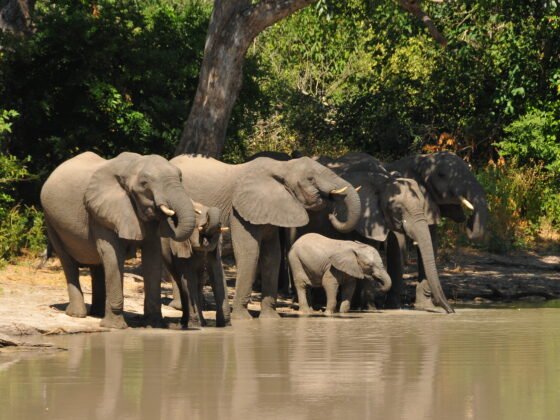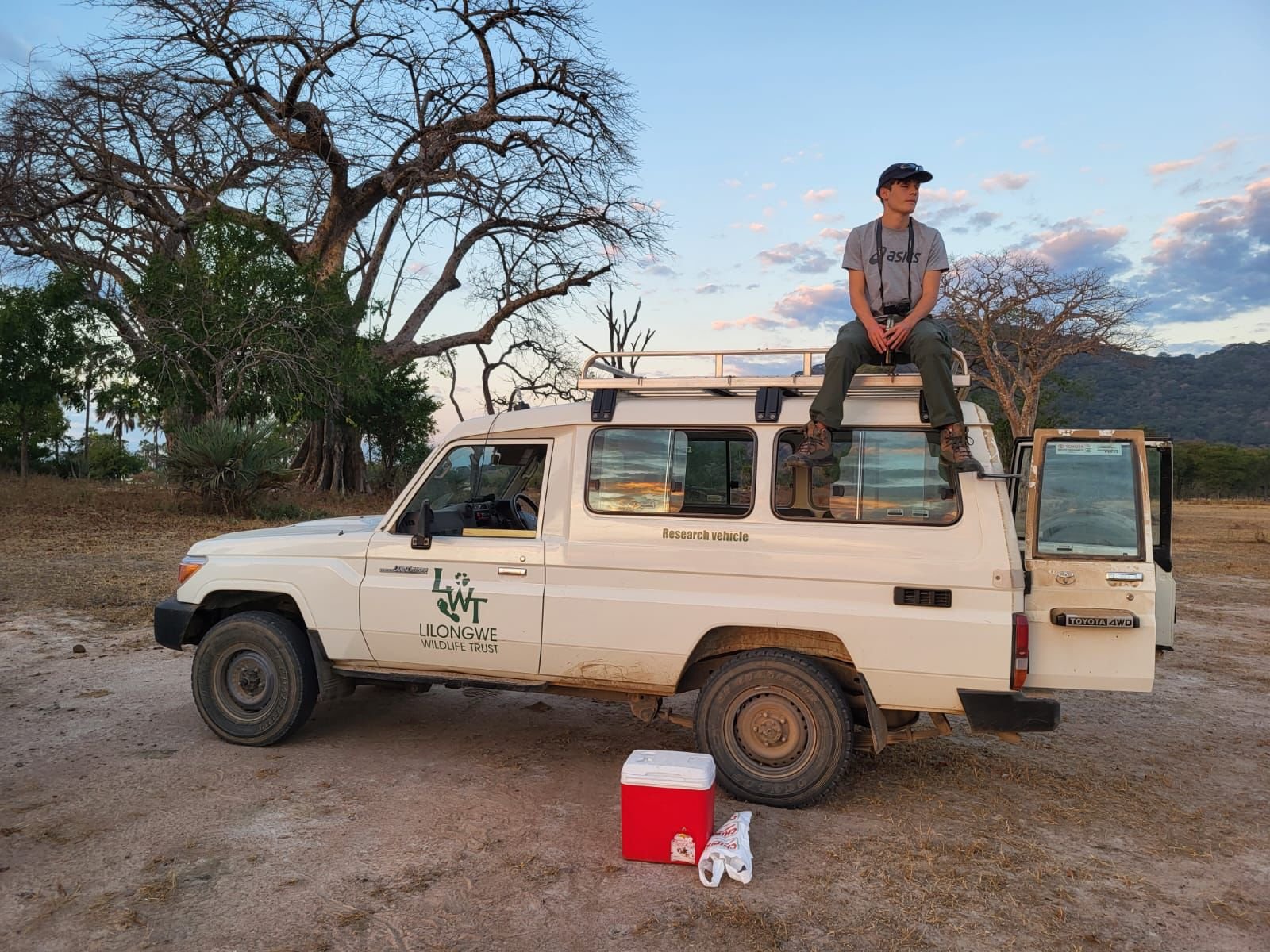
A gap year can be a life-changing opportunity. It’s a chance to step outside the classroom, explore the wider world, and gain real-world skills before moving on to higher education or employment. Done well, a gap year builds confidence, independence, and cultural understanding while also having the potential to contribute to meaningful conservation or community projects.
Why Take a Gap Year?
A gap year offers:
- A unique chance to see the world.
- Time to develop independence and life skills.
- Opportunities to contribute to conservation or community projects.
- Space to reflect and prepare for the next step, whether that’s university, college, or work.
Different Styles of Gap Year Travel
a) Travel + Volunteering Programmes
A great starting point for young explorers, these offer structure, social connections, and a taste of independence. Well-known names include:
- The Mighty Roar
- African Impact
- Intrepid’s 18–29s trips
- G Adventures
These programmes combine travel and adventure with group bonding.
Some programmes also support ethical tourism and community-based initiatives.
b) Skill-Based Conservation & Science Programmes
For those keen to gain deeper field experience in ecology, marine science, or conservation research, there are specialist organisations such as:
- Operation Wallacea – Conservation science expeditions
- WiseOceans – Marine conservation and education
- Biosphere Expeditions – Wildlife research with local scientists
- SEED Madagascar – Community-led conservation and marine research
- Global Vision International – Conservation, education, and health projects
- Frontier – Terrestrial and marine research
- Coral Cay Conservation – Marine and rainforest protection
- Earthwatch Institute – Global citizen science projects
- Marine Conservation Philippines – Dive-based reef conservation
- CREA (Panama) – Tropical ecology and research
- Raleigh International – Blended expeditions with community, conservation, and trekking
c) Independent Travel / Backpacking
Travelling solo or with a friend requires planning and maturity but offers unparalleled freedom. Many young travellers start with a supported group programme before transitioning to independent exploration.
The most rewarding gap years often blend different approaches – a mix of structured volunteering, skill-building, and independent travel.
Choosing the Right Programme
- Prioritise skill-building: Look for experiences that teach you something (wildlife monitoring, guiding, diving, languages, teaching) rather than focusing purely on the social element.
- Research thoroughly: Some programmes use “conservation” as a marketing term but deliver very little impact so look out for red flags.
- Check credentials: Is it a registered NGO? Does it work with local scientists and communities?
- Read reviews & blogs: Speak to alumni and ask what a typical day looks like.
Red Flags in Gap Year Experiences
- Lack of Transparency
- Vague websites with little detail about daily activities.
- No clear explanation of where your money goes (programme vs. admin vs. local community).
- No Local Involvement
- Projects designed and run solely by overseas operators with little to no input from local communities or scientists.
- Programmes that treat locals as passive recipients rather than partners.
- “Conservation” as a Buzzword
- Activities marketed as conservation (e.g. cuddling animals, bottle feeding wildlife) that are actually harmful, or unnecessary.
- No connection to recognised research, national parks, or local NGOs.
- Animal Exploitation
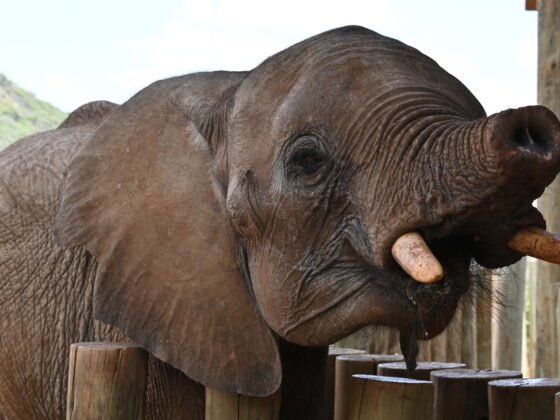
- Direct contact with wild animals (playing with cheetah cubs, posing with elephants).
- Wildlife kept in poor conditions or bred for tourism.
- Excessive Fees with No Breakdown
- High programme costs without a clear financial breakdown.
- Lack of evidence that fees support conservation or local livelihoods.
- No Safeguarding Policies
- Missing or vague policies on health and safety, safeguarding, or emergency procedures.
- No pre-departure training or support for mental health and wellbeing.
- Unrealistic Promises
- Programmes that guarantee “life-changing experiences” but provide no evidence of impact.
- Overly short trips advertised as making a “huge difference” – real conservation takes time.
- Poor Reviews or No Independent Feedback
- Lack of independent testimonials or alumni blogs.
- Negative reviews mentioning disorganisation, lack of support, or questionable ethics.
✅ Tip: A good programme will be transparent, ethical, and embedded in the local community, with clear links to conservation science or development goals.
Practical Travel Tips
- Healthcare: Book vaccinations early. Don’t forget a dentist check-up.
- Travel Insurance: Essential – make sure it covers the activities you’ll be doing.
- Documents: Photocopy and store digital versions.
- Packing: Use packing cubes; consider a water purifier (e.g. Water2Go).
- Money: A Monzo or similar card is useful abroad.
- Safety: Enable location sharing (Life360) and download What3Words.
- Life skills: Basic cooking, laundry, and budgeting go a long way.
⚠️ Disclaimer: This guide is provided for general inspiration. While we have listed many reputable organisations, Explorers Against Extinction has not personally verified each programme. Please carry out your own research: read independent reviews, check credentials, and understand exactly what is included before committing.
Final Thoughts
Taking a gap year is a bold and rewarding step. Whether you choose to dive into coral conservation, support wildlife monitoring, or trek across a continent, the journey will shape your future.