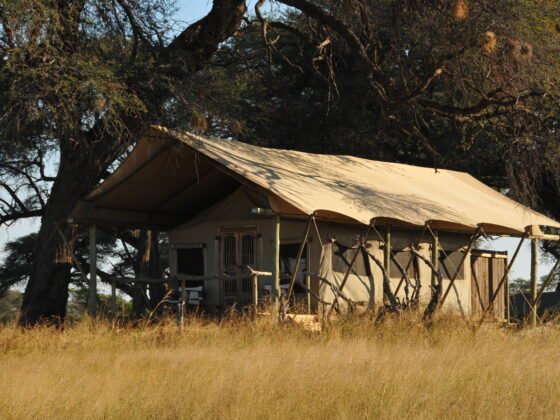
Namibia is a land of contrasts, home to some of Africa’s most dramatic landscapes as well as offering the chance to see unique wildlife. From the towering red dunes of the Namib Desert and the game-rich plains of Etosha to the rugged Skeleton Coast, this vast country offers an unforgettable adventure. Below, we explore Namibia’s key regions, each offering a distinct experience.
Namib Desert
The Namib Desert is one of the world’s oldest and most photogenic deserts, stretching along the country’s Atlantic coastline. The most famous area is Sossusvlei, where colossal sand dunes—some over 300m high—rise against a backdrop of deep blue skies. Highlights include:
- Dune 45 & Big Daddy: Offering incredible sunrise views, these are two of the most climbed dunes.
- Dead Vlei: A hauntingly beautiful white clay pan scattered with dead camel- thorn trees.
- Sesriem Canyon: A narrow gorge carved by the Tsauchab River – an incredible sight.
- Coastal Towns: Swakopmund and Walvis Bay offer adventure activities such as sandboarding, quad biking, and boat cruises to see seals and dolphins.
Tip: The Kulala Conservancy is very well placed for access to Sesriem. The vast NamibRand Nature Reserve home to the Wolwedans lodges is another wonderful option for those keen to embrace a desert experience and to enjoy the dark sky reserve.
Etosha National Park
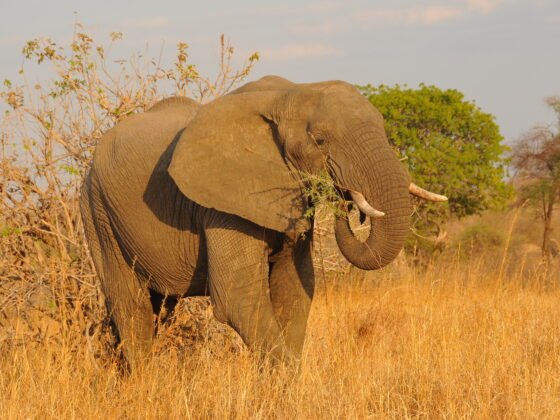
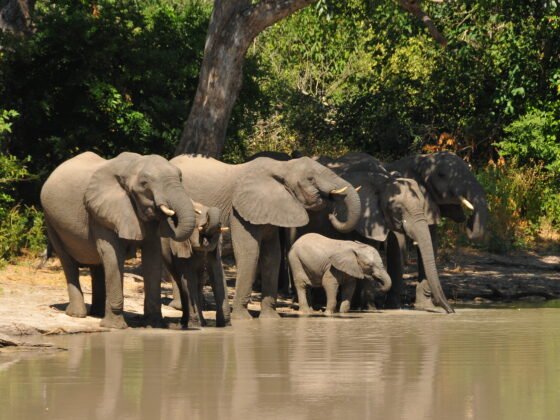
One of Africa’s greatest wildlife parks, Etosha is a must-visit for safari lovers. Dominated by the vast Etosha Pan, the park is home to an array of wildlife, including elephants, lions, leopards, rhinos, and large herds of plains game. Highlights include:
- Waterhole Game Viewing: waterholes offer exceptional sightings, particularly during the dry season when wildlife gathers.
- Self-Drive & Guided Safaris: The park is accessible to self-drive safaris with well-maintained roads and signposted waterholes. Alternatively there are some excellent camps/lodges and private conservancies bordering the national park offering a more traditional fully guided experience.
- Unique Wildlife: Look out for the rare black-faced impala and desert-adapted species.
Tip: Wildlife viewing is best durng the dry winter months from May to October. June to August is optimum and offers cooler temperatures, but be prepared for chilly nights and early mornings by taking lots of layers. October can be dusty.
Damaraland
A starkly beautiful region of rugged landscapes, rocky mountains, and ancient valleys, Damaraland is a cultural and wildlife treasure trove. Highlights include:
- Twyfelfontein: A UNESCO World Heritage Site, home to some of Africa’s best-preserved rock engravings.
- Desert-Adapted Elephants & Rhinos: Specialised tours offer the chance to see these incredible animals.
- Brandberg Mountain: Namibia’s highest peak (2573m), home to the famous ‘White Lady’ rock painting.
Tip: Desert Rhino Camp in the Palmwag Concession collaborates with Save the Rhino to offer tracking of desert-adapted black rhino. Desert Rhino Camp is part of the luxurious Wilderness portfolio of camps/lodges.
Skeleton Coast
The Skeleton Coast is one of the most desolate and eerie landscapes in Africa, where shipwrecks, windswept dunes, and dramatic cliffs meet the wild Atlantic Ocean. Highlights include:
- Cape Cross Seal Colony: One of the world’s largest Cape fur seal colonies.
- Shipwrecks & Coastal Beauty: Explore the haunting remains of old ships along the coastline.
- Remote Luxury Lodges: Stay in exclusive, fly-in lodges for an unparalleled wilderness experience.
Tip: For a really special experience consider incorporating remote Kaokoland which stretches all the way from the Hoanib River Valley to the Kunene River, on the border with Angola.
Fish River Canyon
Often compared to the Grand Canyon, Fish River Canyon is Africa’s largest canyon and a hiker’s paradise. Highlights include:
- Hiking the Fish River Canyon Trail: A challenging but rewarding 5-day trek (seasonal – permit required).
- Viewpoints at Hobas: Spectacular views from the main viewing points.
- Ai-Ais Hot Springs: A perfect place to relax after a long day of exploring.
Tip: Lodges and camps in this area offer day treks into the canyon. Although the canyon is spectacular, it’s a good 2 day journey by road from Windhoek so is generally only included in longer itineraries.
Caprivi Strip
This lush, riverine region is a stark contrast to Namibia’s arid interior, offering an entirely different experience. Highlights include:
- Bwabwata, Mudumu & Nkasa Rupara National Parks: Excellent for birdwatching, with some good game too (although not on the same scale as Botswana).
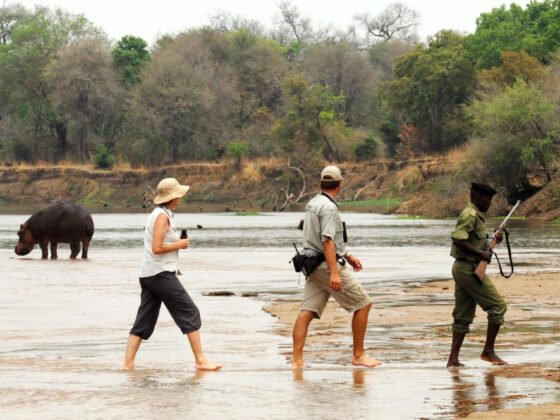
- Boat Safaris: Explore the Kwando, Chobe, and Zambezi Rivers by boat.
- Fishing: The Caprivi Strip is known for its tiger fish – the best time for fishing is during the Green Season November – April.
Tip: For optimum willdife viewing (and better road conditions) travel during the dry season May – October. For birdwatching and fishing the Green Season is best, from November to April.
Waterberg Plateau & Okonjima
The Waterberg Plateau is an ecological haven, rising dramatically from the surrounding plains and offering excellent hiking and conservation experiences. Nearby, Okonjima is home to the AfriCat Foundation, a sanctuary for big cats. Highlights include:
- Guided Hikes & Nature Trails: Discover the diverse flora and fauna of the plateau.
- Cheetah & Leopard Tracking: Visit Okonjima for up-close encounters with these big cats.
- Diverse Wildlife: Roan and sable antelope, buffalo, and white rhino can be found in the area.
Tip: A good way to break the journey between Windhoek and Etosha – offers some lovely walking, and a chance for rest and relaxation.
When to Travel to Namibia
Namibia is a year-round destination, but the best time to visit depends on your interests:
- May to October (Dry Season): This is the best time for wildlife viewing, as animals gather around waterholes. Cooler temperatures and minimal rainfall make it ideal for safaris and outdoor adventures.
- November to April (Green Season): The landscape transforms with lush greenery and occasional thunderstorms. Birdwatching is at its peak, and this period offers fewer crowds and more affordable accommodation.
Image: Damaraland Camp