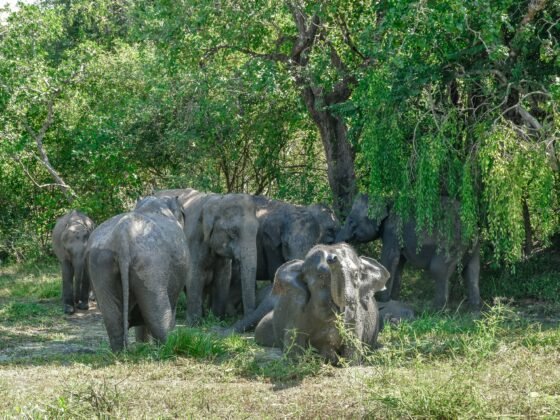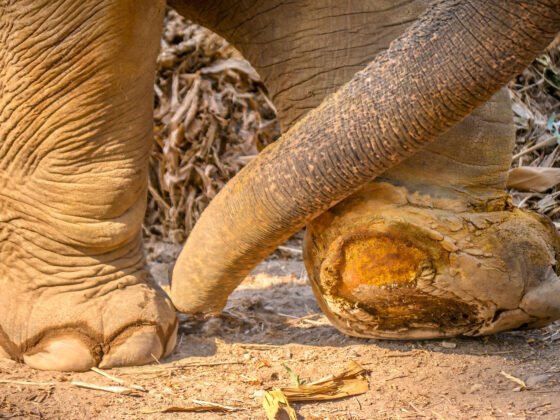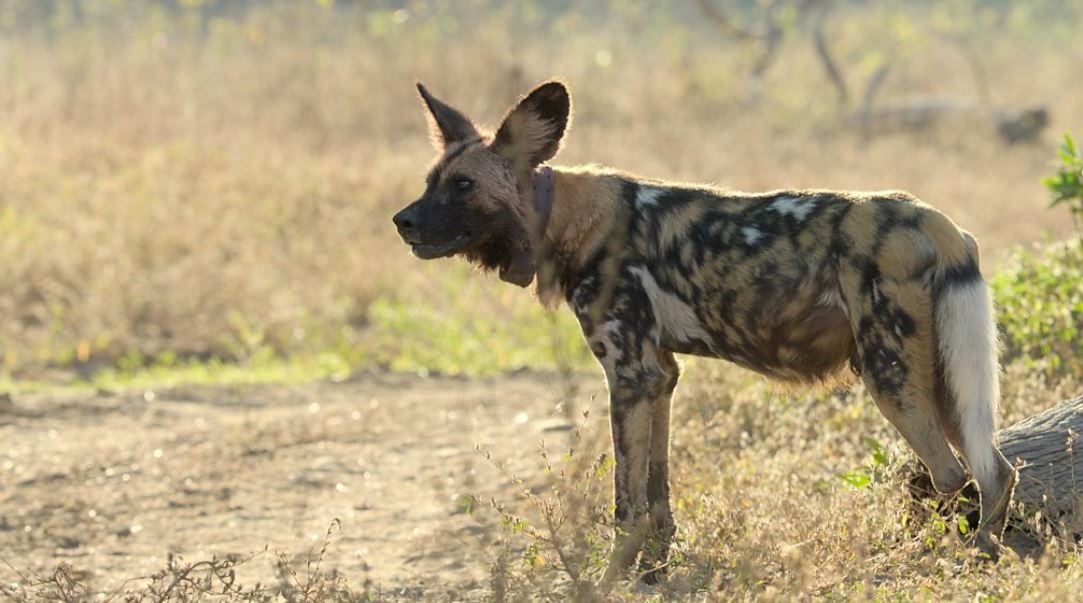
Filmed over four years and focusing on the Nsefu Sector in South Luangwa National Park, the BBC series Kingdom follows Africa’s apex predators through shifting seasons, scarce resources and moments of extraordinary resilience. Beautifully observed and quietly powerful, it captures the realities of life in one of Africa’s great wildlife landscapes.
I make no secret of the fact that Zambia has long been one of my favourite safari destinations. My first visit was during October/November 2002, to South Luangwa. During five nights in the park the rains arrived, transforming the landscape almost overnight and giving relief from the intense heat, accompanied by the booming chorus of bullfrogs.
I remember being blown away by the quality of the night drives. Seeing leopard and hunting behaviour added a whole new level of excitement. And then there was the unforgettable sight of a family of elephants casually strolling through reception at Mfuwe Lodge, into the garden to pluck mangoes from the tree. It was an eventful introduction to this special place.
Two decades on, my relationship with South Luangwa has only deepened.
Today, through Explorers Against Extinction (EAE), we actively promote South Luangwa as a wildlife travel destination where responsible tourism directly supports protection, research and local livelihoods. It is not only one of Africa’s finest safari parks, it is also a living conservation landscape that EAE supports through additional fundraising and partnerships on the ground.
Conservation Partnerships in South Luangwa
EAE has been proud to support frontline conservation efforts in the Luangwa Valley:
- In 2022, we partnered with Zambia Carnivore Programme (ZCP), supporting core field operations for cheetah and African wild dog conservation across three ecosystems in Zambia, including South Luangwa.
- In 2023, we partnered with Conservation South Luangwa (CSL), funding anti-snaring activities and wildlife rescue operations.
Together with the Department of National Parks and Wildlife (DNPW), these organisations form the backbone of South Luangwa’s conservation success, with responsible tourism playing a vital role in sustaining their work.
South Luangwa National Park: The Bigger Picture
Covering 9,050 square kilometres at the end of the Great Rift Valley, South Luangwa is easily accessed by flight from Lusaka into Mfuwe, followed by a short transfer to the park gate. Wildlife encounters begin almost immediately, with plentiful game and a wide choice of lodges and camps close to the river.
Venture further north or south into the deeper reaches of the park and the experience becomes increasingly exclusive – fewer vehicles, more space, and a stronger sense of immersion in the wilderness.
Most camps operate during the dry season, from May/June to October/November, when wildlife viewing is at its best. Some lodges remain open during the Green Season, largely within the central Mfuwe area where access is easiest.
Game drives, both day and night, are consistently excellent, while spending a few nights at a small seasonal bushcamp on a walking safari is highly recommended, offering a very different perspective on the landscape and its wildlife. You can easily spend a week exploring different areas of the park from contrasting camps/lodges, or combine time in South Luangwa with North Luangwa for a really exciting pairing.
Nsefu: Where the Kingdom Story Unfolds
Kingdom is set primarily in the Nsefu Sector, a beautiful area of South Luangwa located north of the main gateway at Mfuwe. While much of the park lies west of the Luangwa River, Nsefu (along with Luamfwa) sits to the east.
Vehicle density is notably lower here than in the central Mfuwe area, and accommodation in this region is limited to a handful of high-quality, immersive camps, including some of the park’s earliest walking camps, established in the 50s by Norman Carr (and now part of the Robin Pope Safaris portfolio).
With broad floodplains, oxbow lagoons and groves of evergreen mahogany and ebony trees, Nsefu is prime predator territory.
The area is particularly well known for:
- Strong lion prides
- One of the highest naturally occurring densities of leopard, with night drives offering excellent viewing opportunities
- Packs of African wild dogs
- Endemic species including Thornicroft’s giraffe, Cookson’s wildebeest and Crawshay’s zebra
- Exceptional birdlife, especially during the greener months, Southern carmine bee eaters can be seen nesting along the river in September.
Why Seasons Matter in South Luangwa
South Luangwa is profoundly shaped by the seasons, something Kingdom illustrates beautifully as animals adapt to extremes of water, heat and scarcity.
Green Season (November–March)
The rains transform the valley. Migratory birds arrive, prey species give birth, and predators adjust their strategies. This is a rewarding time for photographers and experienced safari-goers seeking fewer vehicles and lower rates. However, most small bushcamps are closed during this period, reopening in May or June, access is limited due to floodwaters, and sightings can be challenging as wildlife disperses over a wider area, and undergrowth is thick and lush.
Early Dry Season (May–July)
As floodwaters recede, wildlife concentrates along the Luangwa River and permanent lagoons. Temperatures are cooler, bushcamps reopen, and general game viewing improves all the while. Walking safaris resume as vegetation begins to thin.
Peak Dry Season (August–October)
This is South Luangwa at its most intense. Vegetation recedes, animals gather along the river, and predator pressure increases. September and October is also the prime season for African wild dogs, one of the park’s great highlights. October can get hot immediately before the rains break in November so this is soemthing to be aware of, particularly if you’re keen to do some walking.
Wild Dogs and the Power of Social Bonds
For many visitors, seeing African wild dogs is one of the most sought-after experiences in South Luangwa. Among Africa’s most endangered large carnivores, wild dogs range over vast distances and are deeply vulnerable to snaring and habitat fragmentation. Encounters can be elusive, which makes them all the more special.
Wild dogs typically den from May/June, and it is vital that this sensitive period is not disturbed. The alpha female usually emerges with the pups between late August and October, with sightings at their best during September and October as pack mobility resumes.
In 2024 in Zambia, ZCP intensively monitored and protected:
- 455 wild dogs from 39 packs and dispersing groups
- Conducted over 4,300 snare checks
- Rescued five wild dogs from snares across Zambia
The BBC Kingdom series brings this work to life. For deeper expert insight, ZCP CEO Matt Becker has written two outstanding BBC articles that complement the series:
They provide invaluable context for why long-term monitoring and protection are so essential.
Where to Stay in South Luangwa
South Luangwa offers a range of outstanding camps, each providing a different perspective. These include but are not limited to:
- Tena Tena – An elegant seasonal camp, excellently located for both game drives and walking safaris
- Tafika – A classic small owner-run bushcamp located in the north with additional wonderful walking camps, Big Lagoon and Chikoko Tree. See a sample 8 day trip on our Zambia page.
- Bilimungwe – Part of The Bushcamp Company’s collection of intimate southern sector bushcamps.
- Kaingo Camp – On the river’s west bank, known for superb guiding; also operates Mwamba. Both camps are featured in sample itineraries with prices here>>
- Kafunta River Lodge – Comfortable, well positioned, particularly for starting or ending exploration of South Luangwa, and offering good value.
- Luangwa Safari House – Ideal for private groups or families.
Many travellers also combine South Luangwa with:
- Lower Zambezi National Park for canoeing and river-based safaris
- Kafue National Park for scale and solitude
- Victoria Falls as a post-safari extension
Inspired by Kingdom?
If Kingdom has inspired you, we would be delighted to help you explore South Luangwa at the right time, in the right place, and with conservation at its heart.
Image: Flint, ZCP