The conservation world has lost one of its true giants.
We are deeply saddened to hear of the passing of Dr Iain Douglas-Hamilton CBE, whose life’s work transformed the way the world understands, studies and protects elephants. For more than half a century, Iain stood at the forefront of elephant conservation, combining rigorous science, passionate advocacy and a rare ability to bring people together around a shared cause.
An ethologist by training and an elephant man by instinct, Iain was among the first researchers to document elephant behaviour in depth, revealing their intelligence, social complexity and emotional lives. His early work in Lake Manyara National Park fundamentally changed public perception of elephants, replacing outdated views with an understanding grounded in respect and empathy.
Alongside this groundbreaking research, Iain’s career was defined by a series of conservation milestones that continue to shape elephant protection worldwide:
- Documented the scale and severity of elephant poaching in the 1970s and 1980s, providing the first clear scientific evidence of catastrophic population declines across Africa
- Played a key role in building the case for the 1989 international ban on the ivory trade, helping to turn science into global policy
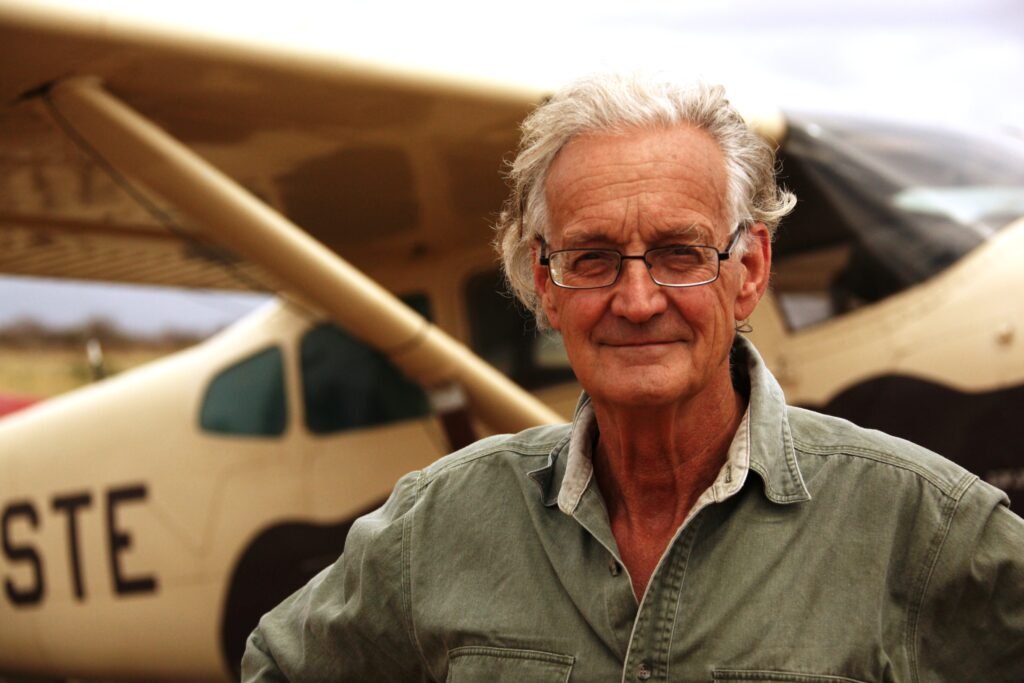
- Founded Save the Elephants (STE) in 1993 with his partner Oria Douglas-Hamilton, establishing one of the world’s leading elephant conservation organisations
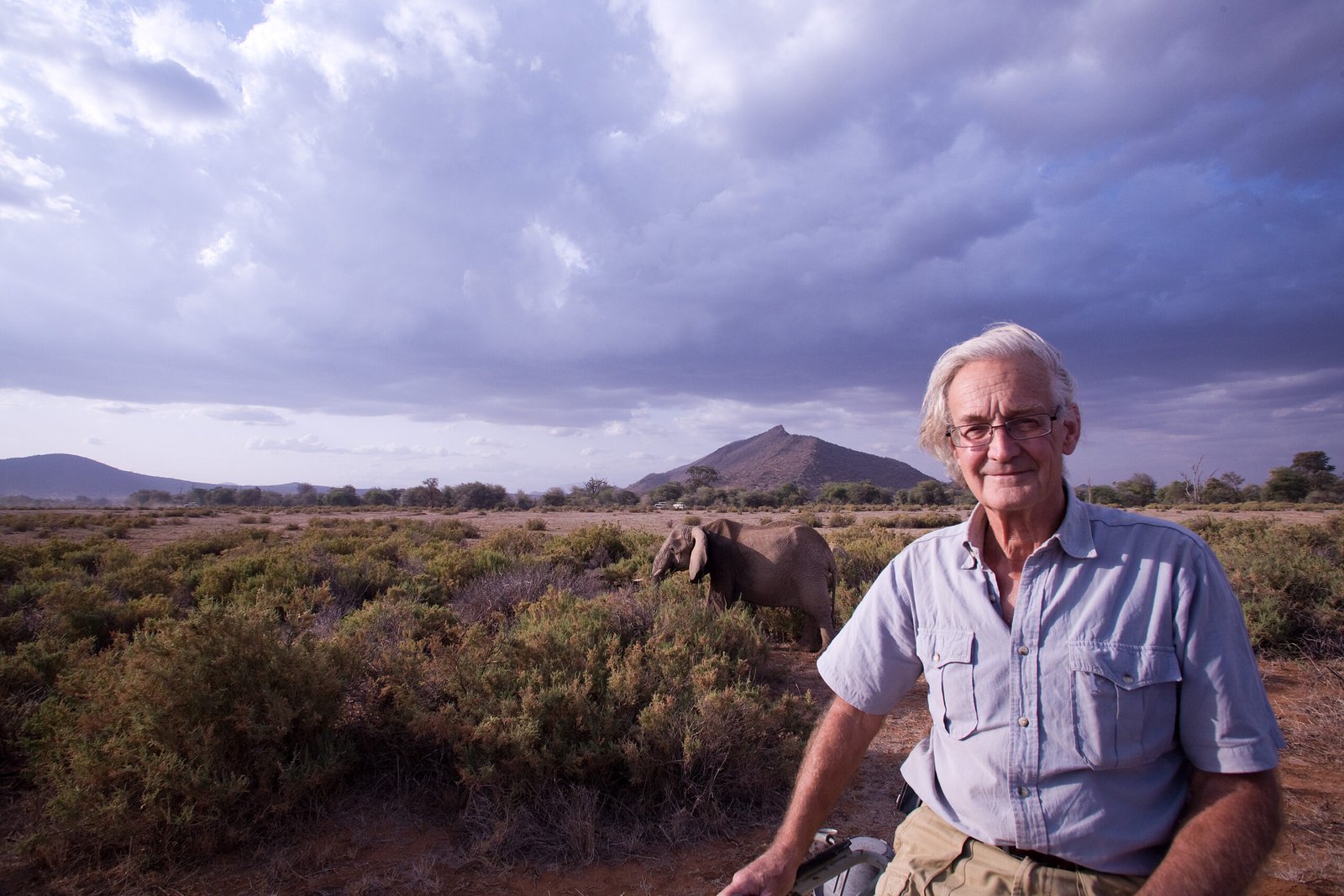
- Made the elephants of Samburu National Reserve the most studied elephant population in the world, with decades of continuous behavioural, demographic and social data
- Pioneered the use of GPS satellite collars to track elephant movements, revolutionising understanding of migration routes, land use and cross-border conservation needs
- Co-founded the Elephant Crisis Fund, providing rapid, targeted funding to frontline projects tackling poaching, trafficking and human–elephant conflict
Through STE, Iain championed science-led conservation that worked at scale, from tracking elephants across landscapes to exposing the realities of the ivory trade and promoting coexistence between elephants and people.
But perhaps Iain’s greatest legacy lies not only in data or policy shifts, but in people. He mentored generations of conservationists, championed African leadership, and consistently emphasised that elephants and people must have a future together. He was a bridge-builder, between science and storytelling, and conservation and community.
Explorers Against Extinction was fortunate to cross paths with Iain and support this work firsthand. In 2015, we first partnered with Save the Elephants to host an event at the Royal Geographical Society, with Iain’s daughter Saba Douglas-Hamilton as our headline speaker. The event was a resounding success, and through it we were proud to donate over $23,000 to support STE’s work.
Iain sent us a letter of thanks, which he signed off as follows:
“With thanks to support such as yours, 2015 may prove a turning point in the ivory crisis that we have been battling for the last seven years.
I am so heartened and grateful for the support that you’ve selflessly given to enable us to move closer to our joint goal of securing a future for elephants. Together we will reach that goal. With immense gratitude, Iain “
The following year, we were honoured to be invited to an event organised by Save the Elephants to celebrate Iain being awarded a CBE for services to conservation.
Iain Douglas-Hamilton leaves behind an immense legacy – one that lives on through his family, the Save the Elephants team, and the many conservationists he inspired.
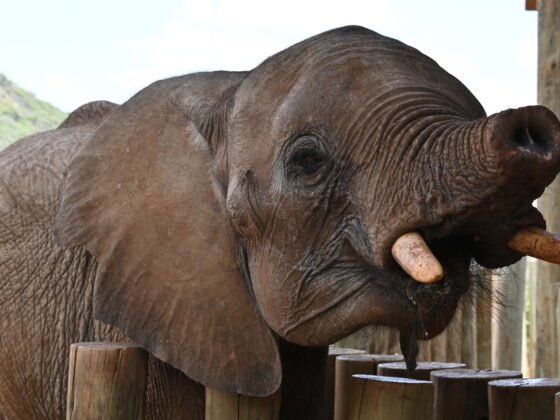
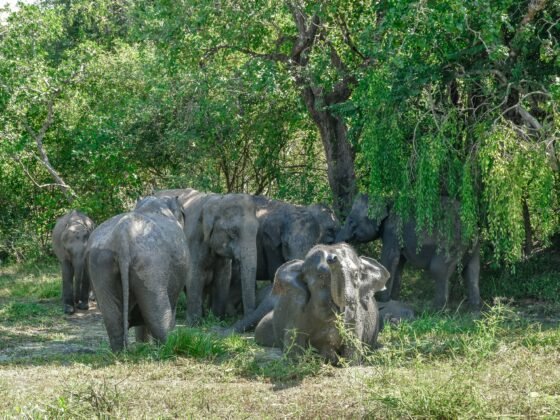
Image: courtesy of Save the Elephants, Lisa Hoffner