India is one of the most biologically diverse countries on Earth, home to everything from snow leopards in the high Himalaya to dugongs and dolphins along its coast. A single journey can reveal an astonishing range of species, habitats and cultures.
Yet India is also a country where conservation is constantly negotiated. Protected areas sit alongside villages, farms, railways and roads, and wildlife survival depends as much on people as it does on forests. For travellers, this creates an opportunity. Responsible wildlife tourism helps fund protection, supports local livelihoods and keeps vast landscapes intact.
Here are five of India’s most iconic wildlife experiences, each offering not only extraordinary encounters, but also a window into conservation in action.
1. Tigers in Central India
For most travellers, seeing a tiger in the wild is the defining wildlife experience in India. Central India remains the stronghold of the species, combining healthy populations with long-established national parks.
Bandhavgarh National Park is often considered one of the best places to see tigers, thanks to its relatively small size and high density. Sightings can never be guaranteed, but patient game drives through sal forest and grassland offer some of the best chances anywhere in the country.
Nearby Kanha National Park provides a different experience. Larger and more varied, it is celebrated for its conservation legacy and for protecting entire ecosystems rather than focusing on a single species. Tigers here share the landscape with barasingha, wild dogs, leopards and exceptional birdlife.
Tiger reserves like these protect vast tracts of forest, safeguarding water sources and carbon-rich habitats while supporting surrounding communities through regulated tourism.
2. One-horned Rhinos in Assam
India’s one-horned rhinoceros is one of global conservation’s great success stories. Once reduced to just a few dozen animals, the species has recovered through decades of protection.
The heart of this recovery lies in Kaziranga National Park, a UNESCO World Heritage Site set within the floodplains of the Brahmaputra River. Tall elephant grass, wetlands and forest islands create ideal rhino habitat, while seasonal flooding shapes the entire ecosystem.
Kaziranga is also home to wild buffalo, swamp deer, elephants and an extraordinary diversity of birds. Rhino conservation here is inseparable from the protection of floodplain landscapes, which are increasingly under pressure from climate change and development.
Beyond Kaziranga, rhinos are also found in Orang National Park, Manas National Park and Pobitora Wildlife Sanctuary, reinforcing the importance of maintaining a connected network of protected areas.
3. Asian Elephants and Shared Landscapes
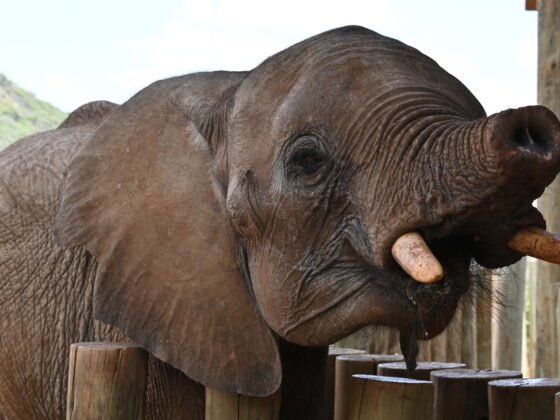
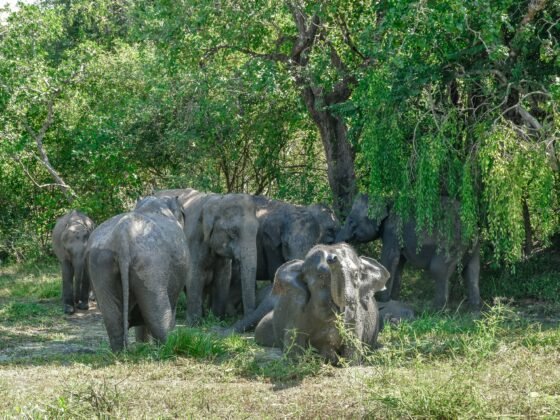
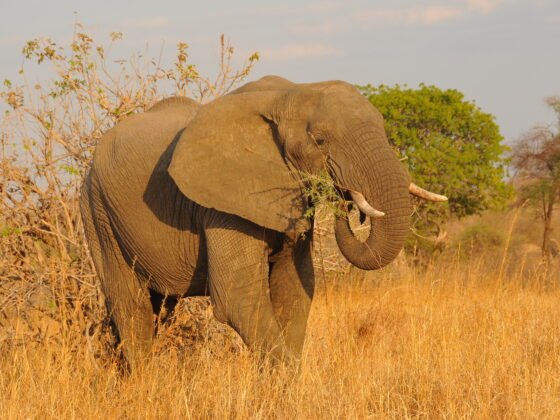
India is home to the largest population of Asian elephants in the world, but many live outside formal protected areas, moving through forests, farmland and villages.
In the north, Corbett Tiger Reserve offers one of the most accessible places for travellers to see elephants in forested landscapes. River valleys, sal forest and grasslands support large herds, alongside tigers, leopards and hundreds of bird species.
Further south, Bandipur National Park forms part of one of Asia’s most important elephant conservation landscapes, linked to neighbouring reserves by vital corridors. These connections allow elephants to move seasonally, reducing pressure on any one area.
Elephant conservation in India increasingly focuses on coexistence, maintaining corridors and reducing conflict, reminding travellers that protection does not stop at park boundaries.
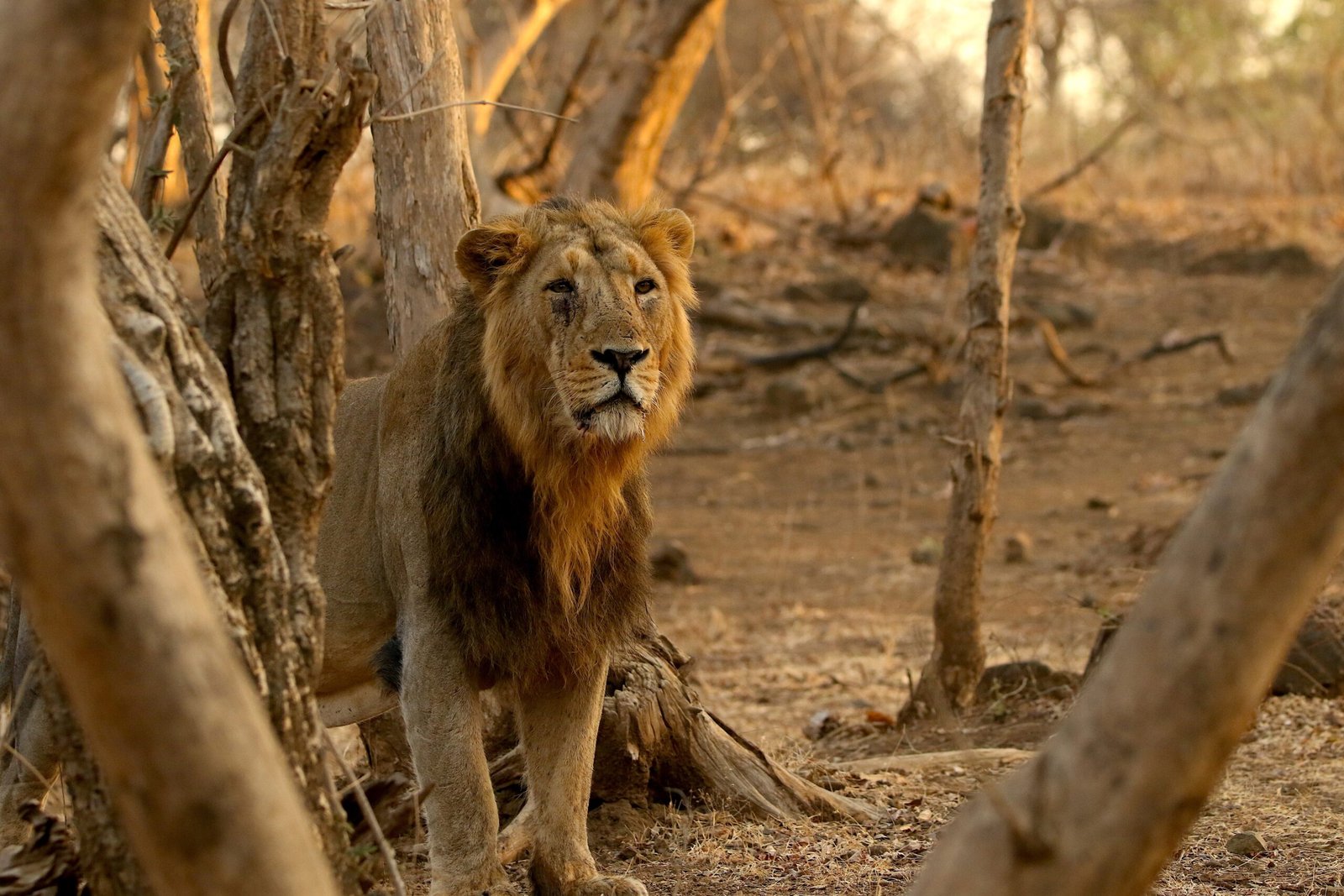
4. Asiatic Lions in Gujarat
The Asiatic lion is one of the rarest big cats in the world, found only in a single region of western India.
Gir National Park is the last remaining stronghold for this species. Dry forest, scrub and open grassland support a growing lion population that now extends beyond the park itself.
What makes Gir particularly compelling is the long history of coexistence between lions and local pastoralist communities. This relationship has played a critical role in the species’ survival, offering an important lesson in tolerance and shared landscapes.
5. Snow Leopards in the High Himalaya
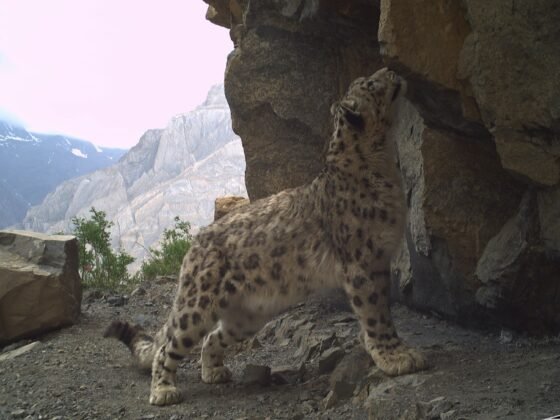
At the opposite end of India’s ecological spectrum lies the high-altitude deserts of Ladakh, where snow leopards roam some of the most dramatic landscapes on Earth.
Most journeys begin in Leh, the gateway to the region, before venturing into remote valleys where these elusive cats are tracked rather than chased. Encounters are never guaranteed, but the experience is as much about landscape, culture and patience as it is about sightings.
Snow leopard conservation in India is closely tied to community-based initiatives, supporting herders and promoting coexistence in fragile mountain environments increasingly affected by climate change.
Why Wildlife Travel Matters in India
Wildlife travel in India is complex. Protected areas are often busy, landscapes are heavily shared with people, and conservation operates within intense social and economic pressures. It is not always seamless, and it is not always quiet.
Yet these reserves remain vital refuges for some of Asia’s most iconic species. Visiting them offers insight into how wildlife survives in one of the most densely populated countries on Earth, and why long-term protection of habitat, corridors and water systems remains so important.
For travellers, the experience is as much about understanding context as it is about sightings. Choosing well-managed lodges with experienced guides, travelling outside peak periods where possible, and supporting responsible operators helps ensure that tourism continues to play a constructive role, even within a system that is far from perfect.
If you’re interested in travelling to India and exploring its wildlife with the right expectations and planning, get in touch to discuss an itinerary tailored to your interests.
Image: Asiatic Lion in Gir National Park