In 2026, Indonesia moved to ban elephant rides nationwide, one of the clearest policy signals yet that elephant tourism is entering a new era.
This is welcome news and a landmark welfare decision that has taken many years of advocacy, research and public pressure to achieve.
For decades, elephant rides were marketed as cultural experiences or bucket list encounters across Asia. But growing scrutiny has revealed uncomfortable truths about training methods, welfare standards and the long term impact of captivity.
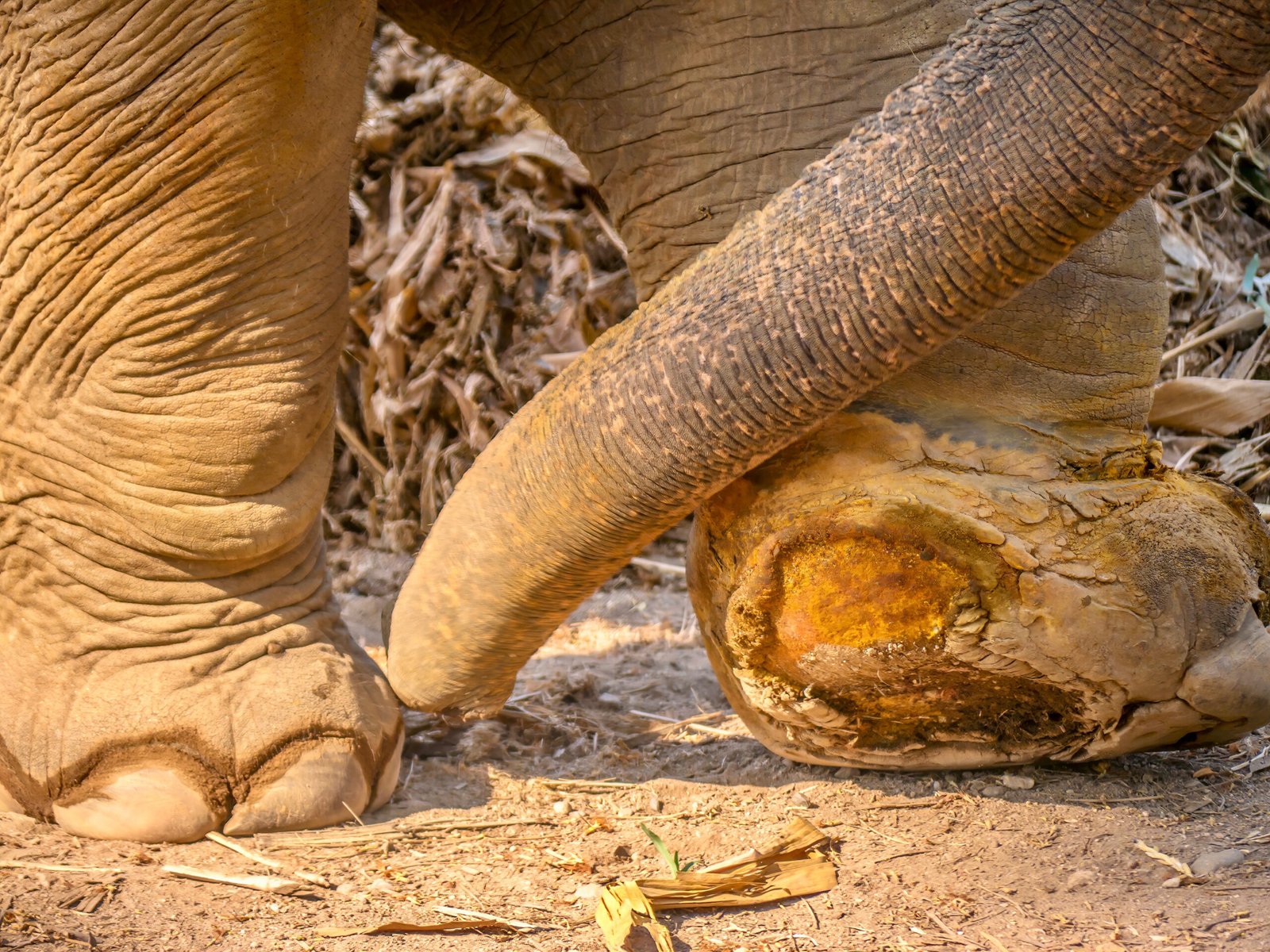
Many riding elephants have been subjected to harsh training practices designed to suppress natural behaviour and establish dominance. The welfare compromises do not end with training. Restricted movement, social isolation, inadequate environments and inappropriate working conditions can affect elephants physically and psychologically for decades.
The Indonesian ban marks a shift from voluntary reform to state level action. Indonesia is the first country in Asia to implement a nationwide prohibition on elephant rides.
There is hope that others will follow.
Why This Matters
Tourism shapes behaviour, not just of visitors, but of governments and operators.
Where demand exists, supply follows. When visitors question exploitative practices, industries change. When governments act, standards rise.
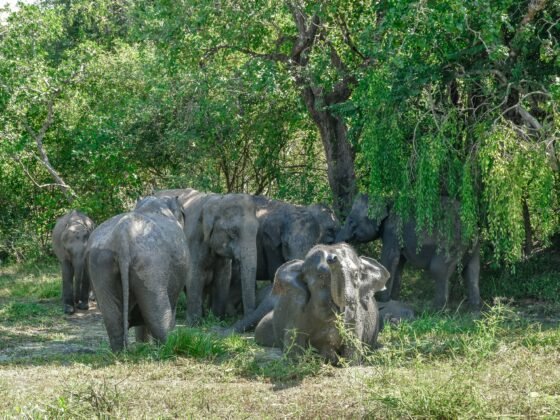
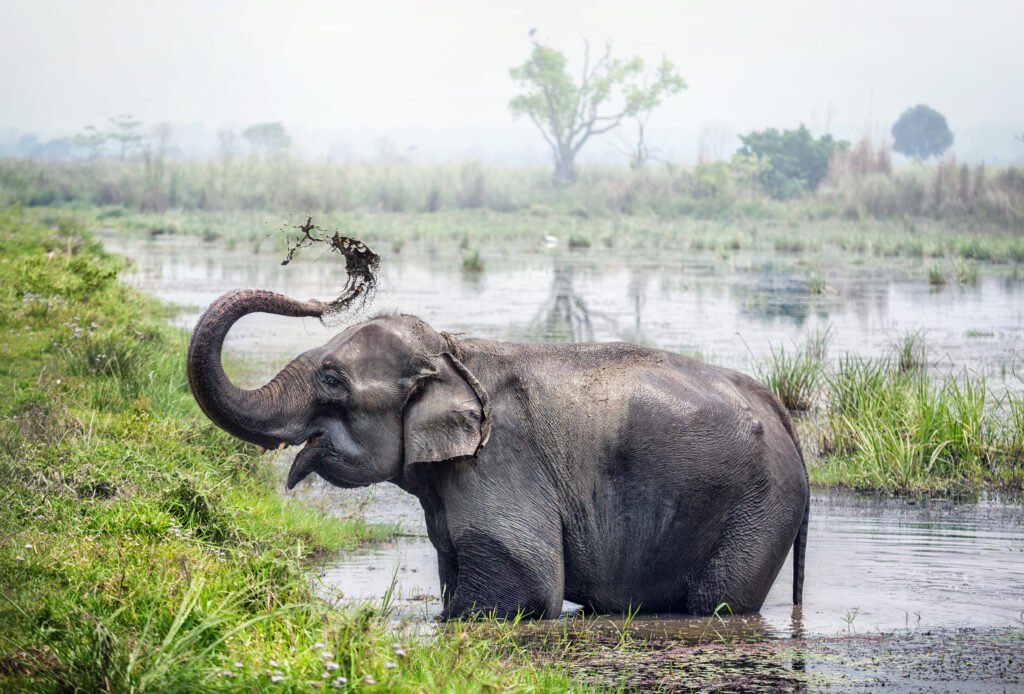
Sumatran elephants, one of three recognised subspecies of the Asian elephant, are listed as Critically Endangered. Fewer than 1,000 to 1,500 remain in the wild in Sumatra’s lowland forests. Habitat loss remains the primary threat, with more than half of suitable habitat lost in the last 25 years.
Captive tourism has long complicated the conservation narrative. Removing elephant rides from mainstream tourism reduces demand for exploitative systems and opens the door to alternative, welfare led models:
- Observation based experiences in natural habitats
- Forest tracking with expert guides
- Support for genuine, accredited sanctuaries
- Community led coexistence initiatives
Done well, tourism can be one of the strongest financial incentives for keeping landscapes intact. It can fund ranger patrols, support local employment and build political will for conservation.
This decision represents progress not only for Indonesia’s elephants, but for wildlife tourism globally.
Responsible Wildlife Tourism: What Should We Be Asking?
At Explorers Against Extinction, we promote responsible wildlife travel that prioritises welfare, conservation outcomes and local benefit.
Modern animal welfare science is often framed around five core domains: nutrition, environment, health, behaviour and mental state. Any wildlife experience should allow animals to live in species appropriate conditions, express natural behaviours and avoid fear, distress or unnecessary human interference.
In practical terms, travellers can ask:
- Is this animal observed in the wild, without chasing, luring or interrupting natural behaviour?
- If in captivity, is the venue accredited and focused on welfare rather than entertainment?
- Are animals free to move naturally and socialise appropriately?
- Is physical contact discouraged and performance based interaction avoided?
- Does my visit contribute to habitat protection or community conservation?
Responsible operators increasingly align with these principles. Many now refuse to support venues where wild animals are bred, traded or held purely for tourism, or where animals are forced to perform unnatural behaviours.
Wildlife experiences should centre on observation, education and respect.
A Wider Shift
Indonesia’s ban signals something bigger.
The next frontier is not only ending elephant rides. It is rethinking the demand for close encounters and wildlife as something to be consumed.
As travellers, we hold power. The experiences we choose to support shape markets. The standards we expect shape policy.
Social media plays a significant role in shaping expectations about wildlife encounters. We have all seen extraordinary clips: a lioness appearing to pass her cub to a passenger in a safari vehicle while a hyena circles; a mountain lion creeping into a tent to lie beside a camper; dolphins seemingly protecting a swimmer from shark attack. These moments are presented as authentic and spontaneous. But are they?
The rapid rise of AI generated and manipulated content, often shared without disclosure, is distorting public perception of how wild animals behave. It reinforces unrealistic expectations of closeness, compliance and spectacle. That narrative does not help conservation.
Pause before sharing a reel or liking a post. Ask whether the content reflects natural behaviour, responsible guiding and real conservation outcomes.
For conservation charities, travel companies and visitors alike, the direction of travel is clear. Wildlife experiences must prioritise welfare, science and habitat over entertainment.
This is not about removing wildlife from tourism. It is about redefining it.
The age of respect is just beginning.