Travelling to remote places always comes with a sense of responsibility. Today, many of the world’s most fragile ecosystems depend, at least in part, on carefully managed tourism to fund research, safeguard habitats, and provide stable income for local communities.
When journeys are thoughtfully designed, visitor fees help pay for park rangers, scientific monitoring, anti-poaching patrols, and education programmes that directly strengthen survival rates for endangered species.
For travellers who want their adventures to support conservation, the goal isn’t simply to tick off wildlife sightings. It’s to understand how tourism, when handled responsibly, can contribute to species recovery and long-term ecosystem restoration.
The destinations below demonstrate how time spent in wild landscapes can go beyond observation, becoming part of a broader effort to protect and sustain the natural world.
Exploring the High Arctic in Svalbard
The Arctic archipelago of Svalbard feels exposed in a way few places on earth do. Glaciers spill directly into deep fjords, seabirds crowd the sheer cliffs of Alkefjellet, and sea ice shifts daily depending on wind and temperature.
Most visitors explore Spitsbergen by small expedition vessel, travelling between landing sites by Zodiac to step onto tundra that supports reindeer, Arctic foxes, and brief bursts of wildflowers during the intense Arctic summer. Strict regulations govern group sizes and designated landing areas, ensuring that wildlife disturbance is kept to an absolute minimum.
The best way to find cruises to Svalbard is to choose responsible operators that work closely with local authorities, ensuring their itineraries align with environmental regulations and wildlife protection guidelines. Visitor fees and port charges contribute directly to conservation management, and many vessels host researchers who collect data on sea ice, marine mammals, and plastic pollution.
Part of the journey involves understanding how climate change is reshaping the Barents Sea, why polar bear movements are shifting, and how retreating glaciers in Isfjorden compare with historical maps. In this region, travel is inseparable from observation and ongoing scientific work.
Coastal Protection and Marine Life in the Galápagos
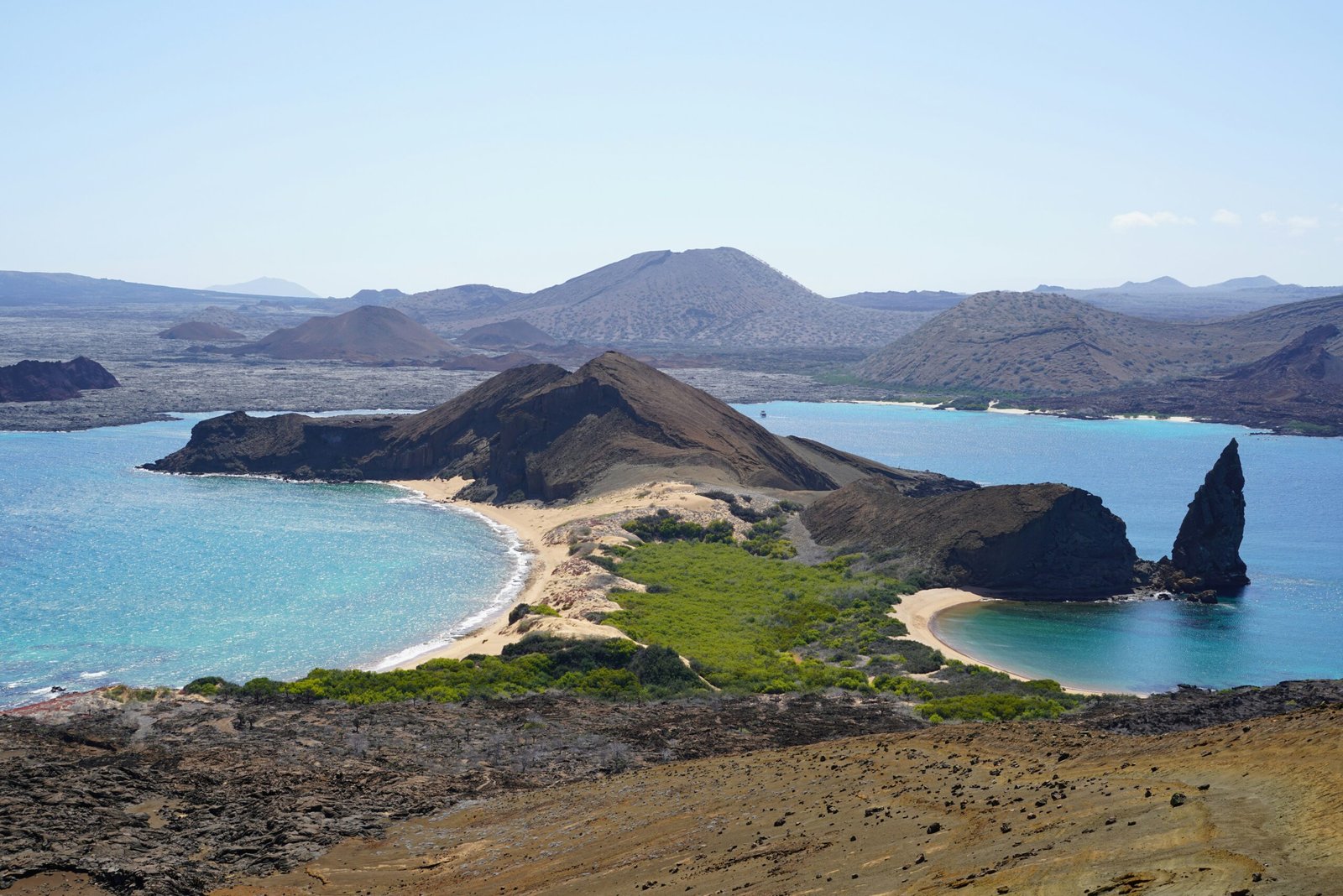
The Galápagos Islands operate under one of the most tightly controlled tourism systems in the world. Entry to the Galápagos National Park requires a permit, and certified naturalist guides accompany all excursions.
In Santa Cruz, visitors walk among giant tortoises in the highlands where breeding programmes have helped stabilise several subspecies. At Punta Espinoza on Fernandina, marine iguanas bask in dense groups, relying on cold, nutrient-rich currents that remain vulnerable to warming seas.
Snorkelling off Kicker Rock reveals reef sharks and green turtles in water that’s often cooler than expected. Boats must anchor in designated zones to protect coral and seabed habitats. Tourism revenue funds invasive species control and biosecurity checks that prevent new introductions from mainland Ecuador.
Travellers witness the practical side of conservation from the moment they arrive, with luggage inspections at the airport and boats disinfecting footwear between island landings. The procedures can feel stringent, yet they are precisely why wildlife populations here remain comparatively resilient.
Sustainable Safari Expeditions in Rwanda
In northern Rwanda, Volcanoes National Park protects one of the last remaining populations of mountain gorillas. Permits are expensive by design. A significant portion goes directly to park management and local community projects. Gorilla trekking groups are limited to eight people per family, and visits last one hour once contact is made. Rangers track movements at dawn, ensuring human presence doesn’t disrupt feeding or nesting behaviour.
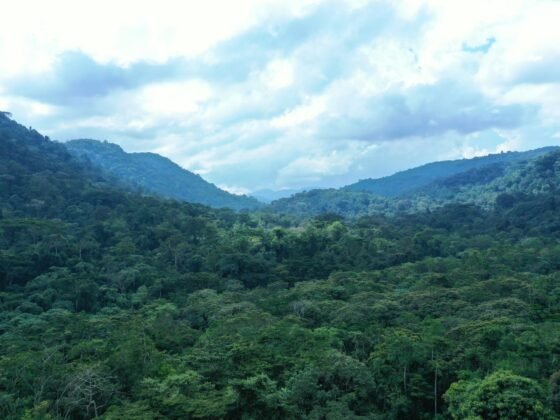
Those who explore with Rwanda safari holidays can combine gorilla tracking in Volcanoes National Park with visits to Nyungwe Forest, where a suspended canopy walkway threads through ancient montane rainforest, and Akagera National Park, which has successfully reintroduced lions and rhinos after years of absence.
Akagera’s recovery has been partly funded by tourism revenue and is managed in partnership with conservation organisations, creating a model where visitor interest directly supports ecological restoration.
Around Volcanoes National Park, village cooperatives receive a share of gorilla permit fees, helping to reduce poaching by linking wildlife survival to tangible local income. Communities see clear outcomes in the form of schools built, healthcare supported, and roads maintained through tourism revenue.
Community-Led Safari Initiatives in Kenya
In Kenya, the area surrounding the Maasai Mara has changed significantly over the last two decades. Alongside the main reserve, privately managed conservancies operate on land leased from Maasai landowners.
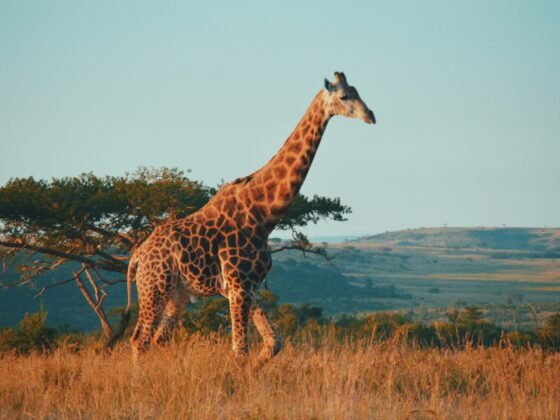
Tourism revenue goes directly to these communities, providing fixed payments that reduce the need for livestock grazing inside wildlife corridors. Smaller guest numbers mean fewer vehicles around cheetah sightings and better control over off-road driving.
In Amboseli, elephants move between the park and community land at the foot of Kilimanjaro. Conservation groups work with local leaders to manage human–wildlife conflict, installing predator-proof bomas and supporting ranger patrols that monitor illegal activity.
Visitors often meet conservancy rangers who grew up in the area and now protect it as trained professionals. Through these interactions, travellers begin to understand that safari is not simply about spotting lions. It is closely connected to land rights, access to education, community stability, and the long-term survival of species that depend on carefully managed ecosystems.
Preserving Biodiversity in the Amazon Rainforest
The Amazon Rainforest spans multiple countries, but areas like Peru’s Tambopata National Reserve show how conservation and tourism intersect. River journeys from Puerto Maldonado lead to lodges built on raised platforms to reduce flood impact.
Guides point out clay licks where macaws gather in the early morning, feeding on mineral-rich soil. Research stations operate nearby, studying jaguar populations and forest regeneration.
Community-owned lodges employ boat drivers, cooks, and field guides. Entrance fees and lodge partnerships support patrols against illegal logging and gold mining. Visitors see how fragile the system is when river levels drop or when forest edges show signs of clearing.
Some lodges collaborate with international NGOs to track biodiversity through camera traps and acoustic monitoring. Guests are sometimes invited to review camera footage themselves, transforming wildlife observation into a hands-on experience.
Which of these vital ecosystems will you choose to protect on your next expedition?
Responsible travel doesn’t mean avoiding wild places; it means choosing experiences that actively contribute to their survival. From Arctic research cruises in Svalbard to gorilla permits in Rwanda and community conservancies in Kenya, tourism can deliver direct financial support for rangers, habitat restoration, and species monitoring. While in the Galápagos and the Amazon, visitor fees fund tightly controlled conservation frameworks that safeguard fragile ecosystems.
For explorers concerned about extinction risk and long-term recovery, the question is not just where to go, but how their journey fits into a wider conservation effort. These regions demonstrate that well-managed expeditions can play a measurable role in protecting wildlife, and that sometimes the first act of stewardship is simply choosing the right way to visit.
Image: Unsplash, Heidi Bruce