Liwonde National Park & Majete Wildlife Reserve in Malawi are beacons of hope – their recovery and restoration over recent decades has been nothing short of inspiring.
From being riddled with snares and close to total collapse, both parks/reserves have been transformed. There has been significant infrastructure development, a complete overhaul of law enforcement, ranger training, scientific monitoring programmes put in place, and wildlife re-stocking on a mind-blowing level (5,000 animals/17 species moved to Majete).
Predator reintroductions (including cheetah, lion and wild dog) have been key. The impact of apex predators in a park/reserve cannot be under-estimated. Their re- introduction adds significant tourism value, contributing to the economy and the livelihoods of many local people who work in the park/reserve and in ecotourism.
Wild Dogs
Once roaming widely across Africa, wild dogs are now listed as an Endangered species with as few as 750 breeding pairs remaining.
Major threats include habitat loss, diseases like rabies and canine distemper, human/wildlife conflict and competition for prey with other predators.
Wild dogs roam over a vast area and this makes them particularly susceptible to snare injuries – snaring is often accidental with the traps intended for bush meat (antelope).
Re-introduction to Malawi in 2021
In 2021 African Parks together with the Malawi Department of National Parks and Wildlife (DNPW) and the Endangered Wildlife Trust re-introduced wild dogs to Liwonde and Majete. Wild dogs had not been seen in these parks for 60 years.
Six dogs were relocated from Mozambique to Majete, and eight dogs from South Africa to Liwonde in 2021.
The Alpha female of the Liwonde pack was pregnant at the time of arrival in Liwonde and went on to den successfully and have a healthy litter of nine pups.
Changing fortunes
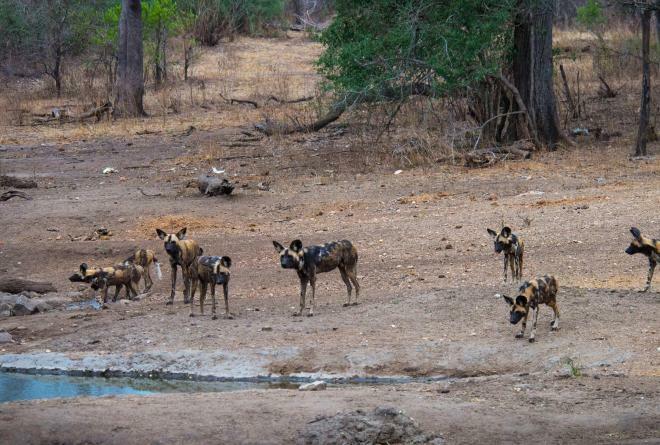
In 2022 the Majete pack denned, bringing their numbers to 15. The Majete pack took up a territory on a main tourist route and delighted visitors coming to the reserve. All six of the original adult wild dogs seemed to be thriving, which is an extraordinary achievement.
Meanwhile, the Liwonde pack was struck by tragedy.
In early November 2022 researchers could not pick up the signal on the collars of any of the Liwonde pack, now standing at 18 individuals.
A 2-day search using the data captured on previous days by the GPS collars, traced the dogs to the Mwalasi River.
The team found drag marks near the waterhole, and on the bank which eventually led them to the grim discovery of the dogs’ lifeless bodies.
One of the tracking signals had come from a deep hole by a termite mound. This is where the tracking collars, which had been cut off the dogs, had been thrown and buried in an effort to conceal them.
All 18 dogs had died from suspected poisoning.
To lose the whole pack of 18 in one go was a devastating blow to conservation efforts in Malawi.
It is likely that the dogs had died from drinking poisoned water (from the waterhole) but that they were not the intended target.
The press release from African Parks (Nov 2022) read:
“Preliminary reports indicate that some of the dogs had died in the river bed and been deliberately dragged away and hidden.There appeared to be no missing parts from the dogs which suggests that the poisoner had not intended to kill the dogs. It is likely that the poisoner was targeting birds or small game and upon realizing that the wild dogs had been killed, then decided to hide the carcasses and collars in an attempt to avert detection.”
The team were able to take samples and also to drain the waterhole so no other wildlife could be harmed. This is the first poisoning incident recorded in a number of years.
African Parks continues to provide comprehensive poisoning awareness training both with rangers and in communities surrounding the park.
The reintroduction of the wild dogs to Malawi has helped to build additional knowledge about the species, and the threats – this knowledge can be shared with other organisations.
The Majete pack continues to thrive in its new home. Just one of the original adults has been lost – passing away from natural causes in December 2022.
Images: Matthew Moon, African Parks
If you are interested in visiting Malawi then please visit our dedicated Malawi travelpages here.
The optimum time to travel to Malawi’s safari parks and reserves is during the dry season which stretches from April to October. You’ll find many camps/lodges close during the height of the rains in January and February.
We tailor every journey based on your interests and preferences so although the website will give you an overview and sample itinerary, it is always best to get in touch so we can discuss options more fully.
Wild dogs thriving in Majete Wildlife Reserve (Matthew Moon, African Parks)
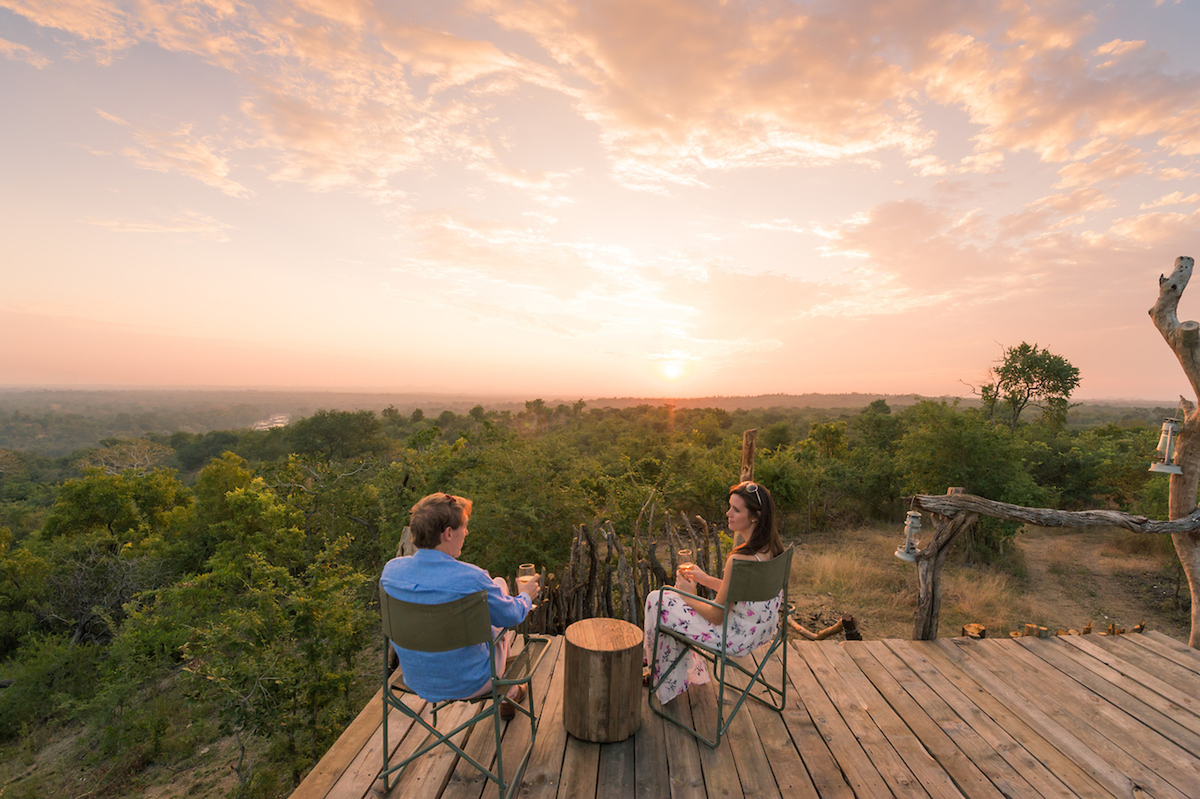
Mkulumadzi Lodge, Majete Wildlife Reserve – find out more.