Planning a safari in East Africa? You may have noticed that park fees are on the rise, especially in Kenya and Tanzania. These charges, paid in addition to your lodge or camp rates, can quickly add up, prompting criticism that safaris are now priced out of reach for all but the wealthy.
Park fees and conservation levies are your direct contribution to safeguarding wildlife, protecting habitats, and supporting the communities who live alongside them. They are a critical part of any safari.
Here’s a closer look at recent changes and how to navigate them.
Kenya’s New Fee Structure: What You’re Paying For
In 2024, the Kenya Wildlife Service (KWS) introduced a tiered pricing model across its protected areas. The most significant changes came in the Masai Mara National Reserve, where fees doubled:
- $200 per person per 12 hours (6am–6pm) in high season (July–December)
- $100 per person per 12 hours in low season (January–June)
So, a full day in the park during high season now costs $200 per person, before you even factor in accommodation or guiding.
The increase is largely a response to escalating visitor numbers and the pressures tourism places on the ecosystem: vehicle congestion, off-road erosion, and poor waste management. If you’ve flown over the Mara, you may have seen the web of unofficial tracks etched into the savannah – evidence of long-term impact.
While the Mara was the first to implement this pricing shift, other parks in Kenya are likely to follow suit with further increases, making it even more important for travellers to understand what they’re paying for.
While higher fees may deter some visitors, it’s worth noting that there’s still no cap on vehicle numbers. However, self-drive vehicles are now banned, a welcome change, as untrained drivers often ignore wildlife-viewing protocols, adding to pressure on animals and the environment.
For perspective, a day ticket to Longleat Safari Park costs around £45 ($60), and entry to London Zoo is around £35 ($46), without the scale, biodiversity, or conservation value of a protected African wilderness.
National Reserve vs. Conservancy: What Are You Paying For?

Kenya is a pioneer of the private conservancy model, which offers a more sustainable and exclusive approach to safari tourism. Conservancies like Mara North, Olare Motorogi, and Naboisho border the national reserve and play a vital role in conservation.
Guests staying in a conservancy typically pay a conservancy fee of $120–$130 per person per night, in addition to accommodation.
What does this cover?
- Community lease payments to local landowners
- Wildlife protection and anti-poaching patrols
- Habitat restoration and management
- Strict limits on tourism numbers to ensure low-impact safaris – one bed per 350 acres in Mara North, for example
What does this offer you?
- Small, low-density camps- typically 6 to 15 tents, with the smallest just 4 tents, and the largest around 34
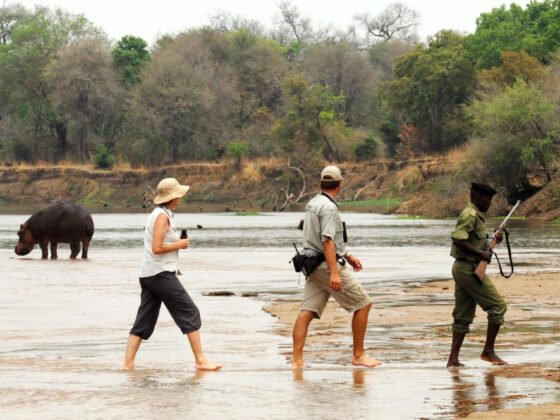
- Activities not permitted in the reserve, such as night drives, bush walks, and bush dining
- High-quality guiding and a more immersive experience
- Strong codes of conduct to protect wildlife
What about the National Reserve?
- A wider range of accommodation options, from lodges with up to 100 rooms, to intimate tented camps
- No cap on vehicles / visitor numbers
- More budget-friendly at the entry level, but less flexibility in activities and higher vehicle densities to be expected
When choosing between the two, consider your carbon footprint, crowding, wildlife impact, and the quality of experience.
You may pay more per night in a conservancy, but you’re paying for privacy and purpose.
Tanzania: Premium Pricing – But Is It Delivering?
Tanzania has long been more expensive than Kenya, largely due to a 20% VAT on tourism services. In 2024, a mandatory insurance fee of $44 per person was introduced, initially in Zanzibar and now across mainland Tanzania. While it covers medical evacuation and personal liability, many travellers already have private insurance and question the duplicate charge.
Concerns about value for money have grown after recent scenes from the Serengeti migration showed dozens of vehicles crowding river crossings. If international guests are paying premium fees, they rightly expect strict regulation and transparent use of funds.
The good news? Following the backlash, rangers have reportedly started managing crowding at key points along the Mara river – a positive step.
Southern Africa: Competitive Pricing, Strong Value
As East African fees rise, travellers are exploring southern alternatives.
South Africa
- Kruger National Park: ZAR 535 (~£22/$29) per day. Great value, though self-drive routes can get crowded.
- Sabi Sand (private reserve): ZAR 205 (~£8/$11) community levy, plus gate fees. Offers low-density sightings and exceptional guiding.
With strong infrastructure and a favourable exchange rate, South Africa remains attractive to UK visitors, though Kenya’s short, direct flight from London is still a major draw.
Zambia
- South Luangwa National Park: Entry fee is $25/day
- Conservation levies: $105–$120 per person per night at most lodges
These levies support initiatives like the Luangwa Conservation and Community Fund (LCCF). Many travellers report a sense of real impact and exceptional guiding quality.
The Debate: What Should a Safari Cost?
At its heart, this is a conversation about value, transparency, and ethics.
Conservation isn’t free. Rangers, community partnerships, infrastructure, and anti-poaching all need funding. But with rising costs, guests rightly want to know:
- Where is my money going?
- Is my presence having a positive impact?
- Do local communities benefit?
These are important, and increasingly frequent, questions.
Our Recommendations
We advocate for safaris that work for wildlife, people, and planet. To make your safari count:
Consider alternatives to high-density parks – e.g., swap Serengeti for Ruaha, or the Mara for Samburu
Support conservancies and lodges that reinvest in conservation and communities
Travel outside peak season – reduce pressure on wildlife and save money
Ask questions about ethics, transparency, and impact