I first went to Nepal over 40 years ago, backpacking around the sub-continent as an impressionable 18 year old. I’d run out of money so got a job with a trekking agency, helping pack tents and supplies for treks and expeditions. It was only board and lodgings but it allowed me to stay in Kathmandu for a couple of months and it started a love for the country I still have today.
Subsequently I’ve worked there for two years as a mountain guide, spent my honeymoon there, travelled with my family there and have written the Nepal Handbook for Footprint Guides. Explorers Against Extinction works with Red Panda Network in Eastern Nepal and is now working as an advisor on a large project there, happily giving me more excuses to visit one of my favourite places in the world.
I’m often asked for recommendations and advice and I’m happy to give it as best as I can. Below is a general overview itinerary that covers the highlights. If you’d like to visit this beautiful country, let me know your interests and available time and I’ll give you some ideas. You can reach me at robert@realworldconservation.org.uk
Nepal in depth
A top end 15 day journey from London to London
Nepal is often framed as a destination of extremes; the world’s highest mountains, vertiginous trails and journeys that test your physical limits. Yet for travellers seeking a more refined experience Nepal reveals a different character. This is a country of exquisite artistry, a layered belief systems, gentle hill walks and wildlife rich lowlands where it is entirely possible to travel in comfort while engaging deeply with place culture and landscape.
Its also blessed with some of the most friendly and hospitable people in the world. I’ve been invited into village homes and shepherd shelters to enjoy chang (a millet beer) or Tibetan tea on countless occasions.
A well designed 15 day itinerary allows you to experience Nepal’s most compelling regions without haste. It balances the cultural intensity of the Kathmandu Valley with time in the hills and mountains introduces a carefully chosen trek that suits your interests and fitness and finishes in the Terai lowlands where jungle and river replace rock and ice. The result is a journey that feels immersive rather than exhaustive, sophisticated rather than showy.
This London to London itinerary is designed for travellers who want Nepal’s greatest highlights delivered with care, private guiding where it matters, thoughtful pacing and accommodation chosen for atmosphere and setting rather than labels. It includes Kathmandu, Patan and Bhaktapur, Pokhara and Bandipur, a short Himalayan trek and a safari stay in Chitwan. It also explores alternative trekking options including Langtang and highlights Bardia National Park as a quieter more remote wildlife alternative for those with additional time.
When to travel
The best times for a top end Nepal journey are October to November and March to early May. The autumn offers clear mountain views and good. The spring offers beautiful rhododendrons and the colours of spring. Winter can be beautiful particularly in the Kathmandu Valley and lower trekking routes while the summer monsoon brings lush scenery but cloudier skies and occasional disruption. Some remote mountain areas are best accessed in the summer monsoon months so if these are a priority, this is the season to consider.
The route at a glance
- Kathmandu Valley. Four nights including Kathmandu, Patan and Bhaktapur plus the great stupas and temples.
- Bandipur. One night. A heritage hill town between the valley and Pokhara.
- Pokhara. Two nights. Lakeside calm and Himalayan views.
- Himalayan trekking. Four nights. Annapurna foothills or an alternative region such as Langtang.
- Chitwan National Park. Three night. Wildlife and river landscapes in the Terai.
- Return to Kathmandu and London
This structure can be easily adapted according to your interests and time available, such as an extra night in Pokhara, a different trekking region or an extension to Bardia for those seeking a more remote safari.
Days 1-5 The Kathmandu Valley art belief and living history
Arriving from London, Kathmandu can feel overwhelming if tackled head on. A top end itinerary begins with space a well-chosen hotel, a gentle first evening and time to acclimatise not just to altitude but to rhythm and bustle of the city.
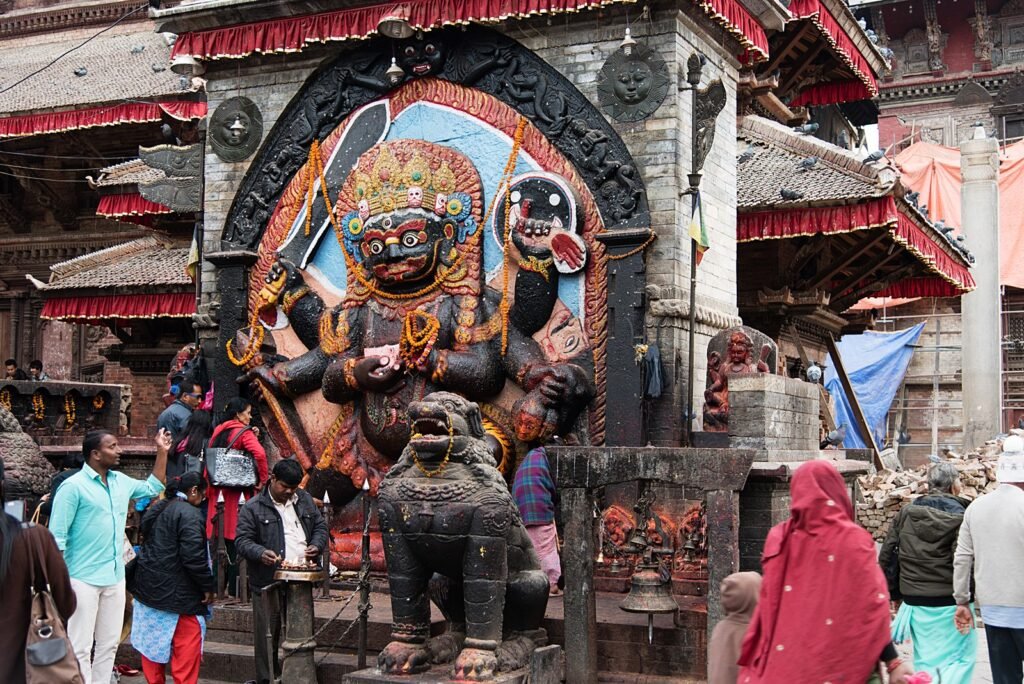
The heart of the valley is Kathmandu where centuries of royal ambition, religious devotion and prosperous trade have left an extraordinary architectural legacy. Begin with the old royal quarter at Durbar Square where temples and palaces sit beside everyday life. This is where private guiding comes into its own turning carved timber struts and gilded roofs into stories of gods kings and festivals. It is also home to the Kumari, the living princess.
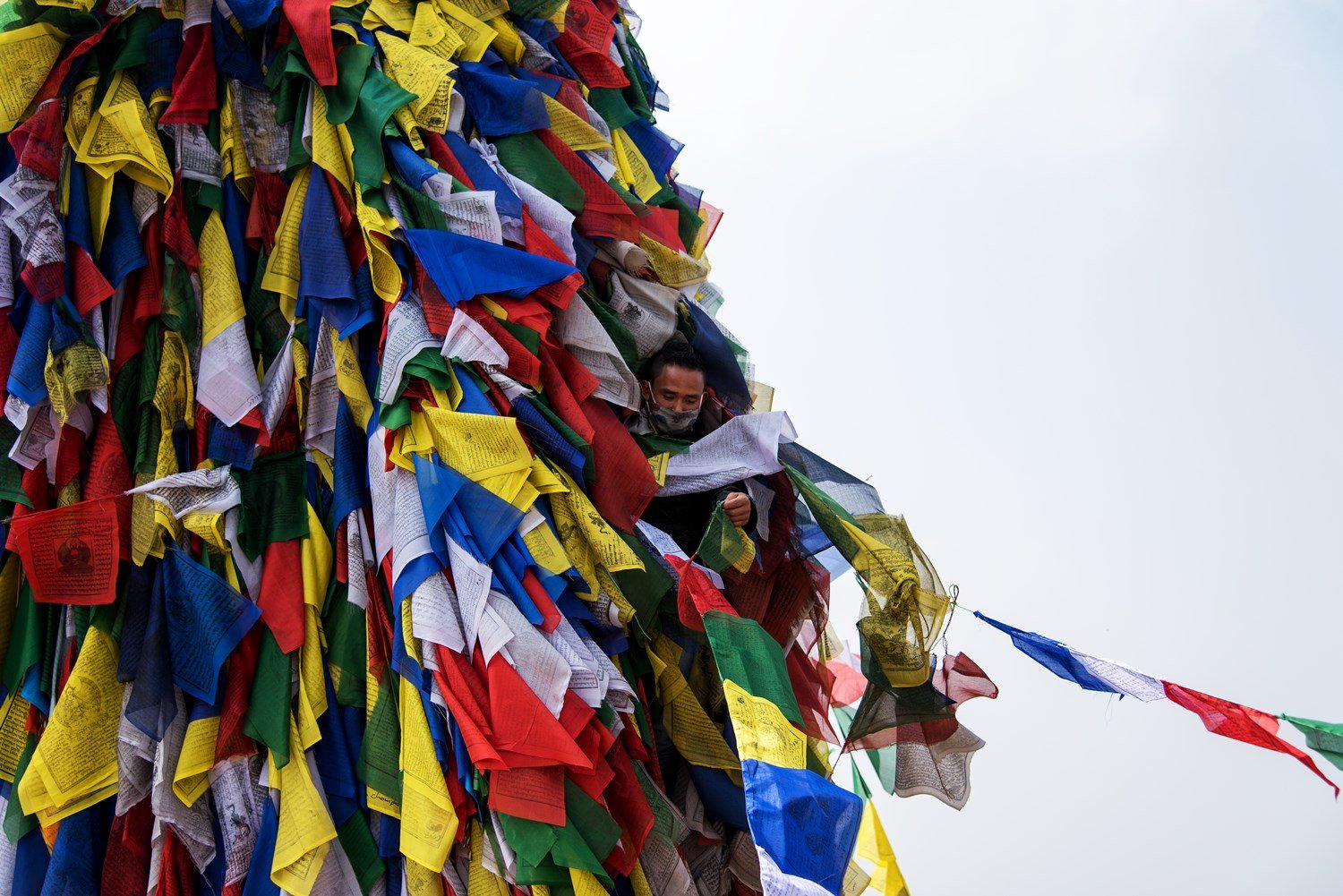
Beyond the old city, Kathmandu’s great sacred sites offer a powerful counterpoint. Swayambunath perched above the valley feels timeless at dawn or dusk and atmospheric all of the time. To get the full experience, climb the long staircase, lined with small shrines and stupas and patrolled by monkeys before entering the sacred precinct. Don’t miss Boudhanath’s vast stupa that anchors the Tibetan Buddhist community and provides one of the most evocative experiences in Nepal. Wander the small streets around the stupa to find small, unchanged alleyways and a host of Buddhist Monasteries. The third must-see destination is Pashupatinath, the scared cremation ground for Hindus on the banks of the Bagmati River.
A day in Patan, historically known as Lalitpur, is a study in craftsmanship. Its Durbar Square is smaller and more refined than Kathmandu’s ( with an excellent café in the gardens of the Royal Palace) and the surrounding streets are rich with workshops producing metalwork stone carving and textiles. Patan rewards those who linger whether in a quiet courtyard or a specialist gallery.
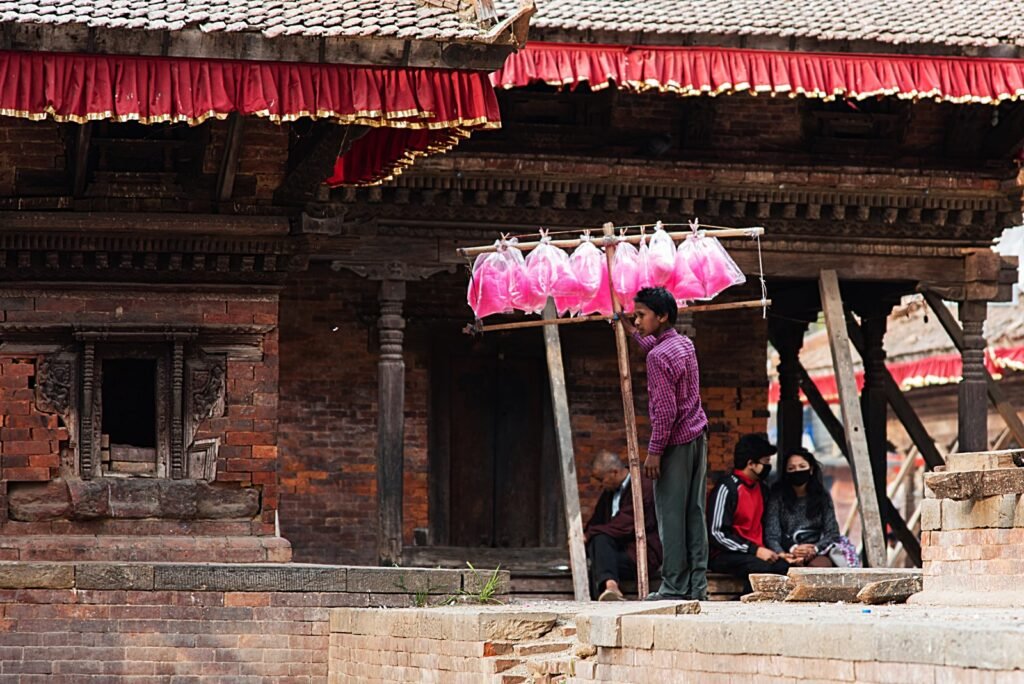
Bhaktapur completes the trio of former royal city kingdoms who competed to be the most powerful and refined and whose competition let to the wonderful monuments we now enjoy. Early morning is the ideal time to explore when the light is soft and the streets still belong to locals. Bhaktapur’s traditional streets, pottery square and brick facades feel closer to medieval Nepal than anywhere else in the valley.
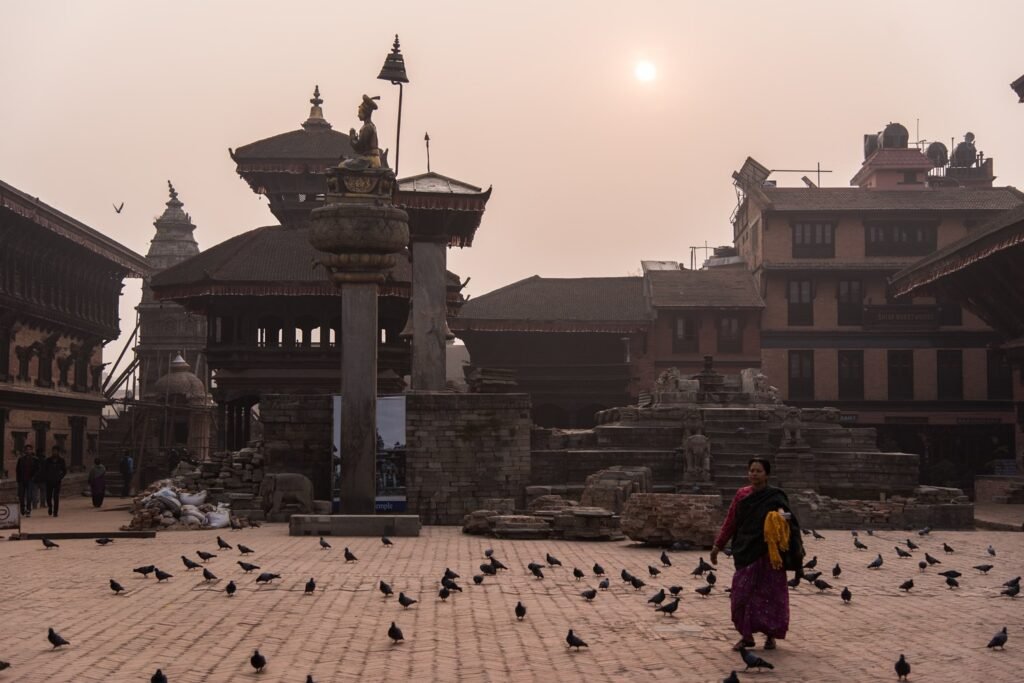
Evenings in the Kathmandu Valley are best kept relaxed with a traditional meal or a rooftop drink as prayer flags flutter against the skyline.
Day 6 Bandipur slowing the pace
Leaving the valley the road westwards winds through hills and river valleys. Rather than pushing straight on to Pokhara, pause in Bandipur a beautifully preserved Newari trading town set high above the highway.
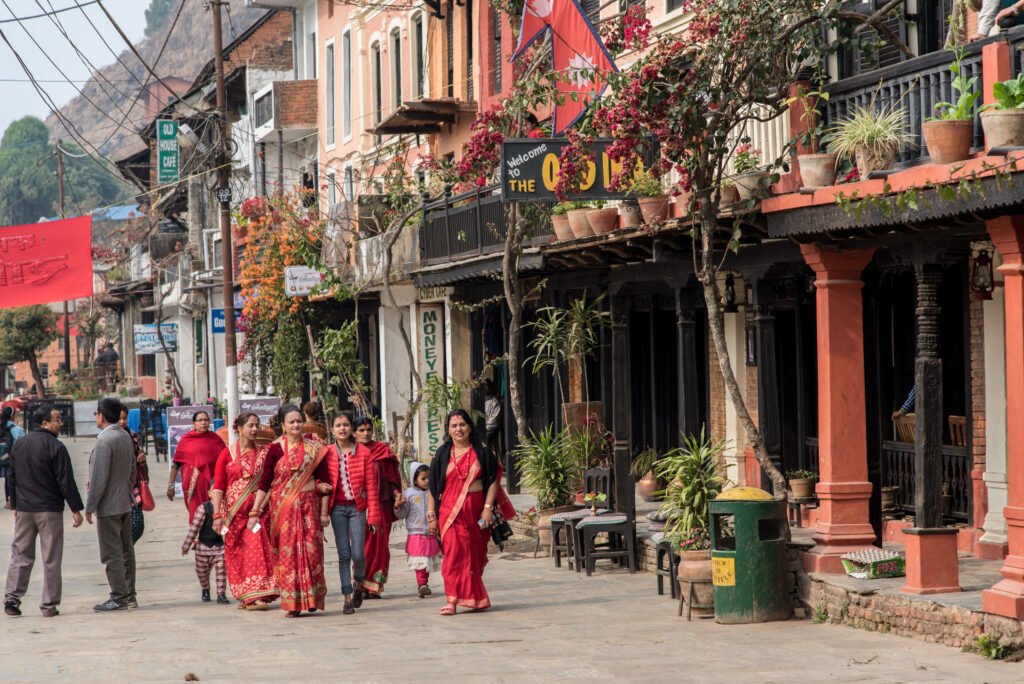
Bandipur’s charm lies in its simplicity. A single cobbled street lined with wooden balconies and shuttered windows encourages wandering without agenda. From the edge of town views stretch towards the Himalayan foothills. One night here is enough to reset the rhythm of the journey.
Days 7-8 Pokhara lakeside ease and mountain air
The drive continues to Pokhara, Nepal’s most laid back urban centre. Set beside Phewa Lake and backed by the Annapurna range Pokhara is the perfect place to relax before heading into the hills. If you want the views without the bustle, look at Tiger Mountain Lodge perched on a ridge high above the valley.
Mornings are often at their best. A sunrise visit to Sarangkot can deliver spectacular mountain views on a clear day while afternoons are ideal for boating, spa treatments or simply watching the reflections shift on the lake. Pokhara also offers gentle adventure for those who want it, from guided walks to paragliding.
This is also where trekking preparations are finalised. A good operator will ensure kit is checked routes are discussed and expectations aligned well before you take your first step on the trail.
Days 9-12 Trekking in Nepal choosing the right route
One of the greatest misconceptions about Nepal is that trekking must be extreme. In reality the country offers a remarkable range of walking experiences many of which are perfectly suited to travellers seeking comfort cultural depth and outstanding scenery without physical overload.
A four night trek is the sweet spot on a 15 day itinerary and there are several excellent options.
The Annapurna foothills
The most popular choice and for good reason as the Annapurna foothills offer classic Himalayan scenery with flexible routes and good lodge infrastructure. Walks typically pass through terraced farmland, rhododendron forest and Gurung villages with regular mountain views.
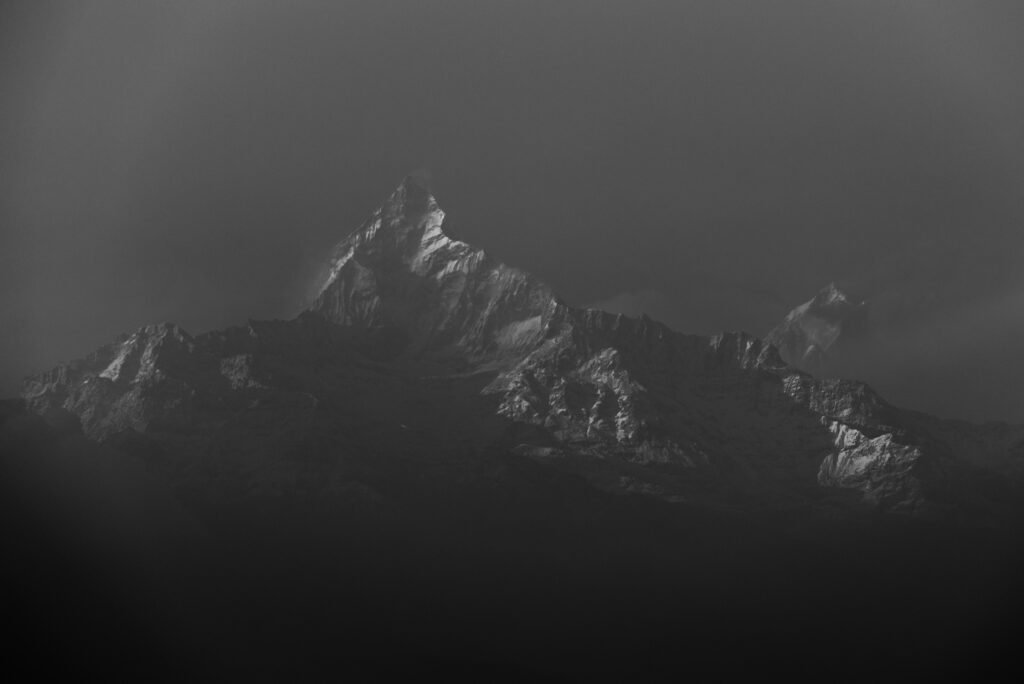
Days are deliberately manageable allowing time for photography, village encounters and long lunches. Lodges are chosen for comfort and position rather than proximity to the next trail marker and a private guide ensures the pace suits you.
Langtang Valley
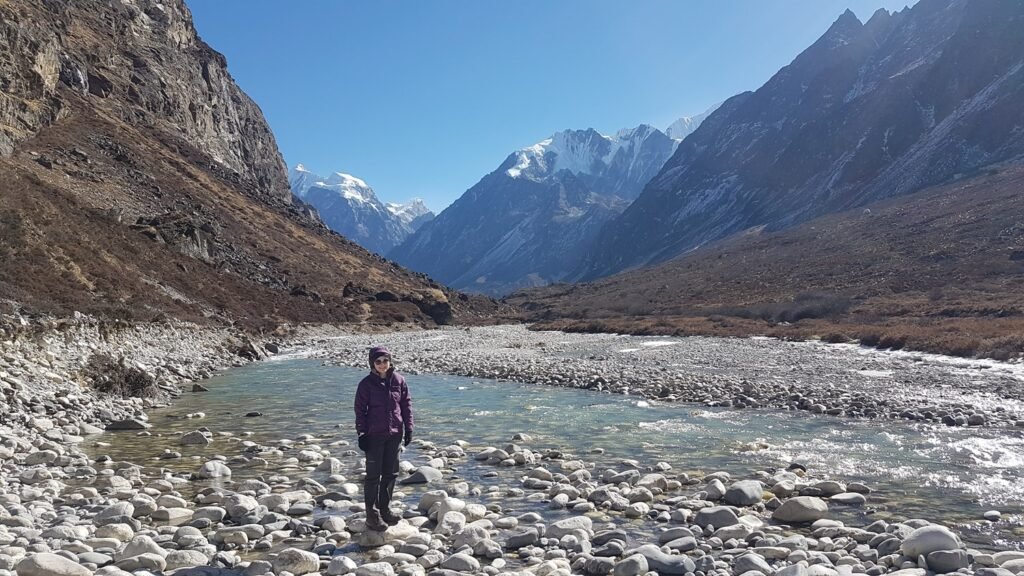
For travellers who want a slightly quieter trekking region, Langtang Valley is an excellent alternative. Located north of Kathmandu Langtang combines dramatic mountain scenery with Tamang culture and is reached without the internal flights required for some other regions.
Langtang was deeply affected by the 2015 earthquake and trekking here plays a direct role in supporting local recovery. The landscapes are wilder than the Annapurna foothills with glaciers wide valleys and high pastures, yet routes can still be tailored to suit moderate fitness levels.
Other options
Depending on interests and timing other short trekking options include the lower Everest region, reached by flight to Lukla, or gentle ridge walks around the Kathmandu Valley itself. The key is matching the route to your priorities; scenery, culture, solitude or ease of access.
Across all regions top end trekking is defined by logistics rather than luxury labels. Thoughtful pacing, strong guiding, good food and warm hospitality matter far more than thread count.

Day 13 From mountains to jungle
After completing your trek return to Pokhara and continue south into the Terai lowlands. The change in landscape is striking. Hills flatten, temperatures rise and the air grows heavy with moisture as forest replaces rock.
Your destination is Chitwan National Park, Nepal’s most famous wildlife reserve and one of Asia’s classic safari destinations.
Days 14-15 Chitwan wildlife and water
Chitwan’s appeal lies in variety. Riverine forest grassland and wetlands support a rich ecosystem and the pace of life slows to match the heat and humidity.
A well planned stay balances activities with rest. Early morning jeep safaris offer the best chance of wildlife encounters, while river excursions reveal crocodiles and prolific birdlife. Guided walks along the forest edge introduce the smaller details that often go unnoticed.

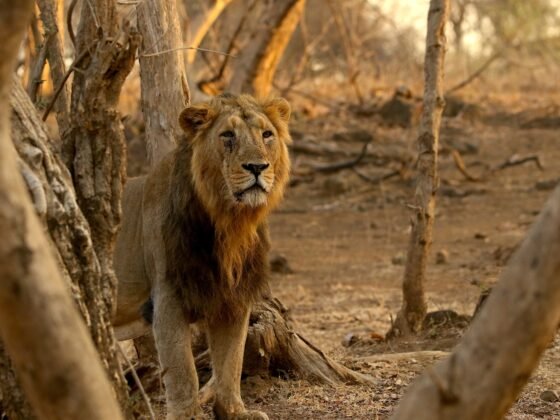
Chitwan is internationally recognised for its conservation success particularly with the greater one horned rhinoceros. Tigers are present too though sightings are never guaranteed and should be approached with patience and respect. There are also elusive sloth bears.
On the final day return to Kathmandu for your overnight flight back to London.
The alternative safari Bardia National Park
For travellers with extra time or a strong interest in wilderness Bardia National Park offers a compelling alternative to Chitwan. Larger, quieter and far less visited, Bardia feels genuinely remote. Lodges are simpler. The tranquility is more complete.
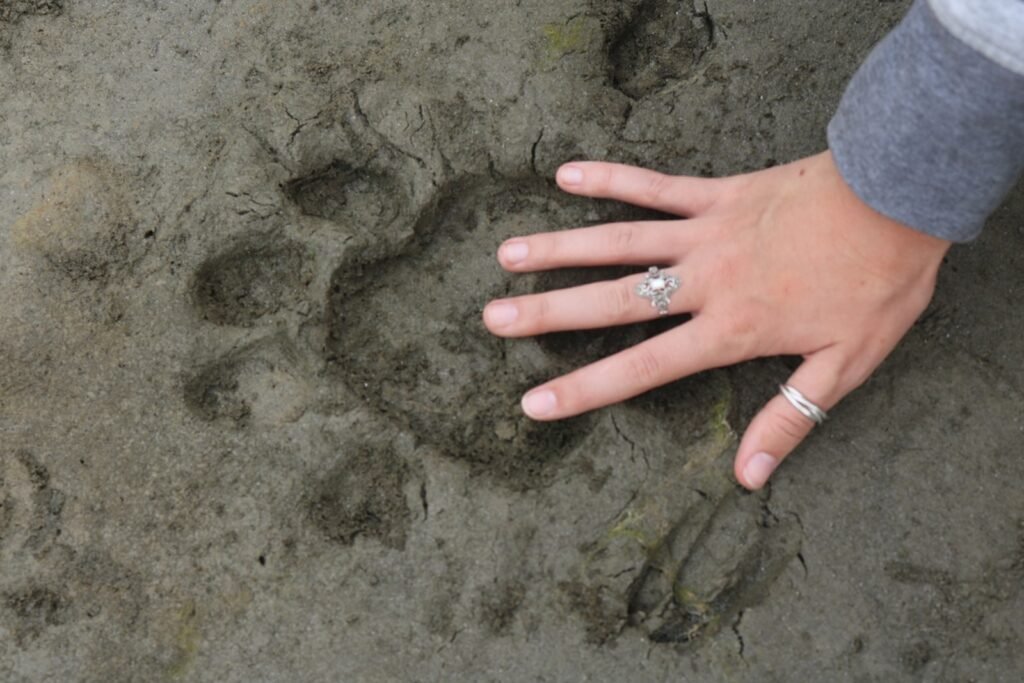
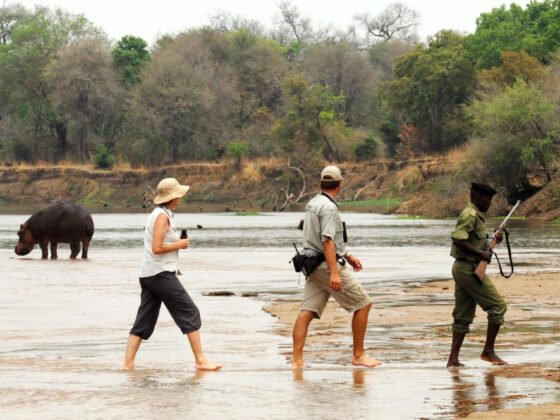
Reaching Bardia requires an internal flight to Nepalgunj followed by a road transfer but the reward is a deeper sense of isolation and excellent opportunities for wildlife tracking on foot and by vehicle. It suits those who prioritize safari over convenience and are happy to go further west.
The final word
Nepal’s greatest attraction is contrast. In just over two weeks you can move from medieval courtyards to Himalayan trails, from lakeside calm to jungle rivers.
If done well, a Nepal journey is not about “ticking off” a place but understanding it. It is about listening as much as looking, walking rather than rushing and allowing the country’s layers to reveal themselves gradually. For travellers willing to take this approach, Nepal offers not just memories but a perspective on life that people take away with them.