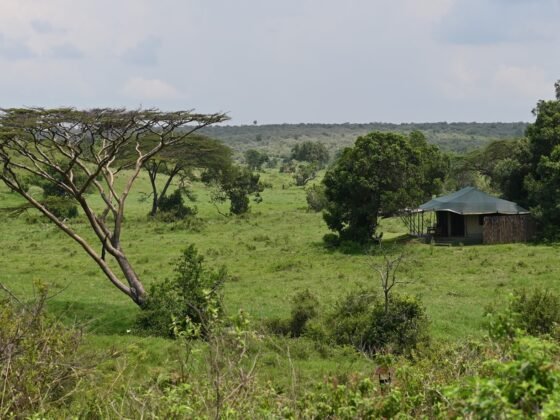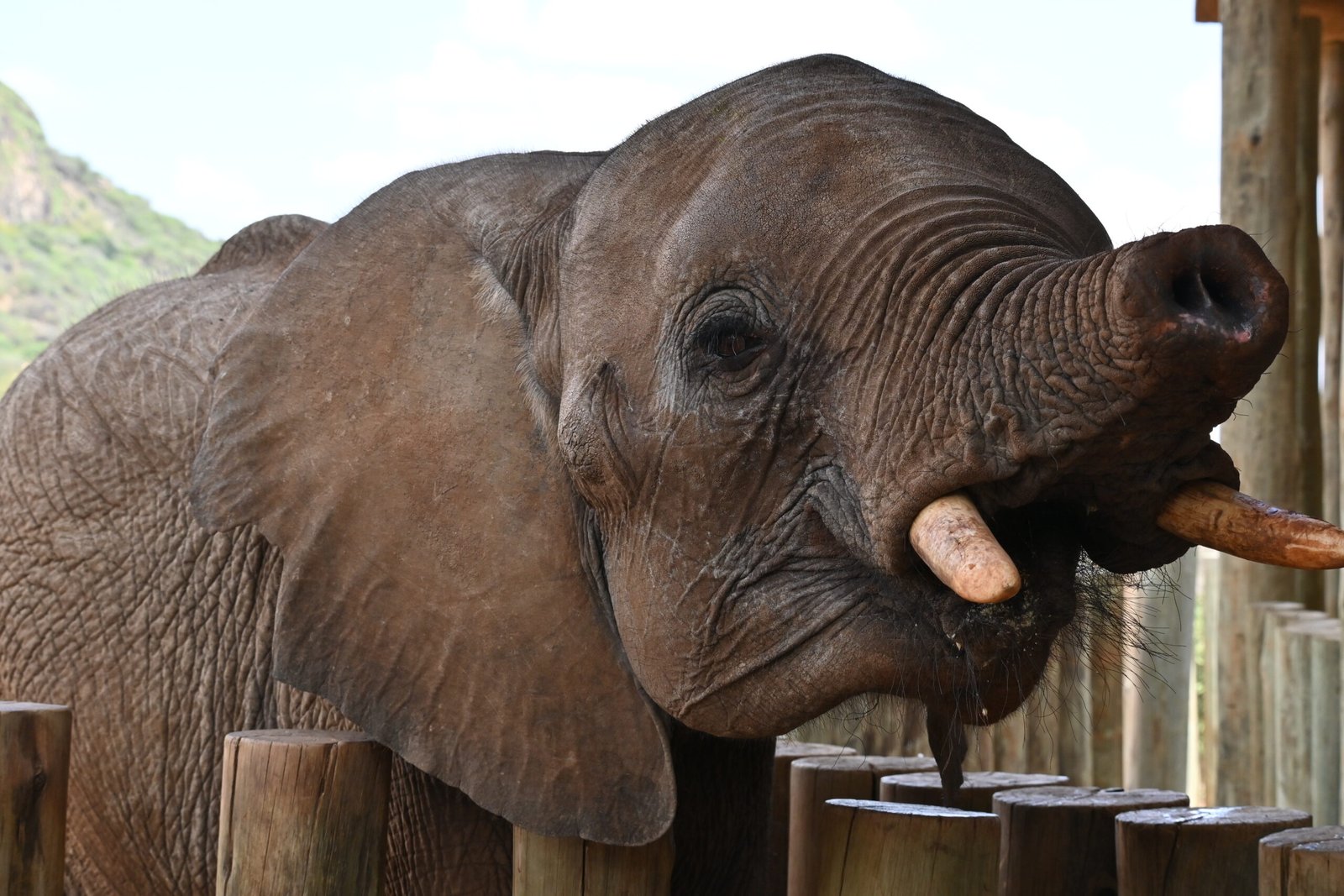
In the remote Mathews Range of northern Kenya, within the Namunyak Wildlife Conservancy, Reteti Elephant Sanctuary is quietly redefining what conservation can look like.
Reteti is the first community-owned and community-run elephant sanctuary in Africa, created to rescue orphaned elephant calves and, ultimately, return them to the wild.
When we visited in February, we arrived in time for the 3pm feed.
The enclosure was deserted. Long lines of milk bottles, each calf’s name scrawled in red pen, were lined up along the wall, just out of reach of curious trunks. The keepers, in dark green tees, began to assemble and then to sing.
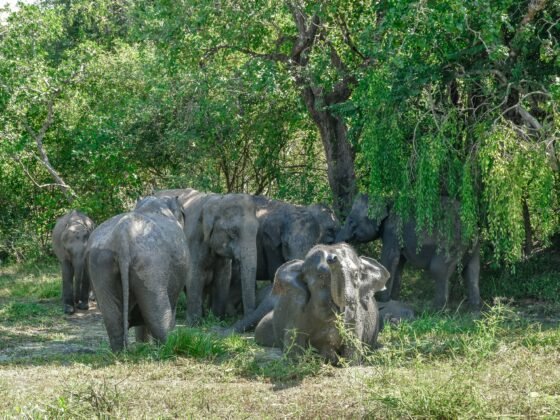
In a haze of dust and a thunder of feet, a long chain of elephants arrived.
Among them was Long’Uro.
The Special One
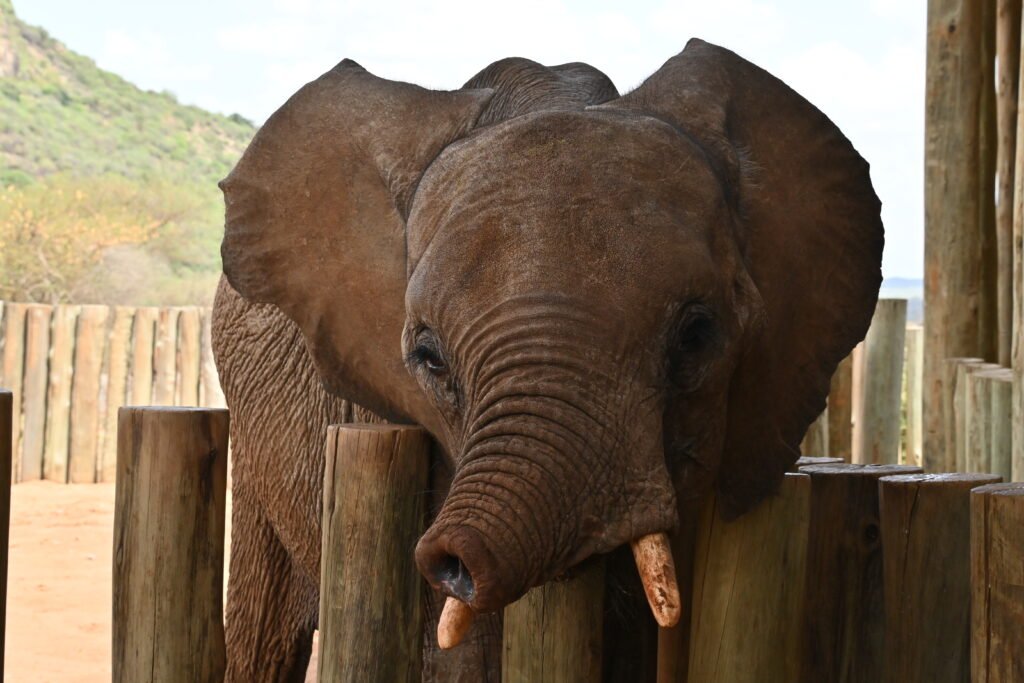
Long’Uro’s story is extraordinary.
Six years ago, in April 2020, rangers at Loisaba made an urgent call in the middle of the night to the Kenya Wildlife Service and the team at Reteti. A very young calf, no more than a month old, had been found trapped in a well.
He was in a devastating state.
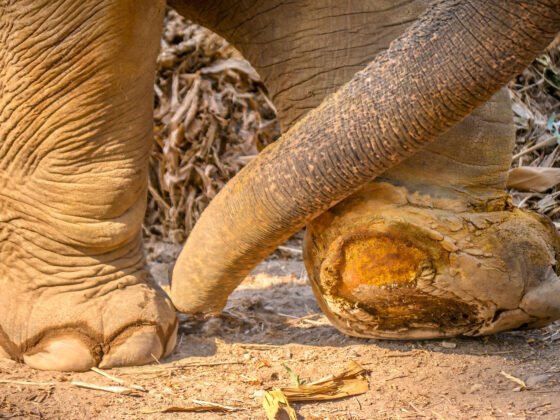
Attacked by hyenas, he had lost around two-thirds of his trunk. He was bleeding and crying in pain. There was no sign of his family.
When the veterinary team assessed him, the situation was so grave that they had to consider whether rescue was even viable.
Against the odds, Long’Uro was lifted from the well and transported to Reteti, where an extraordinary effort began. Under the care of Reteti’s dedicated keepers, led by Mary Lengees, and with specialist veterinary intervention, he received the treatment he needed to survive those first critical weeks and months.
Learning to Live Differently
An elephant’s trunk is essential for feeding, drinking, touching and communicating. To lose most of it is life-changing.
And yet, little Long’Uro has learned to adapt.
He has found new ways to feed and to drink independently. New ways to interact with the world around him, despite his shortened trunk and the loss of sight in his left eye.
It is a remarkable testament not only to his resilience, but to the patience and ingenuity of the team around him.
A Pioneer Behind the Scenes
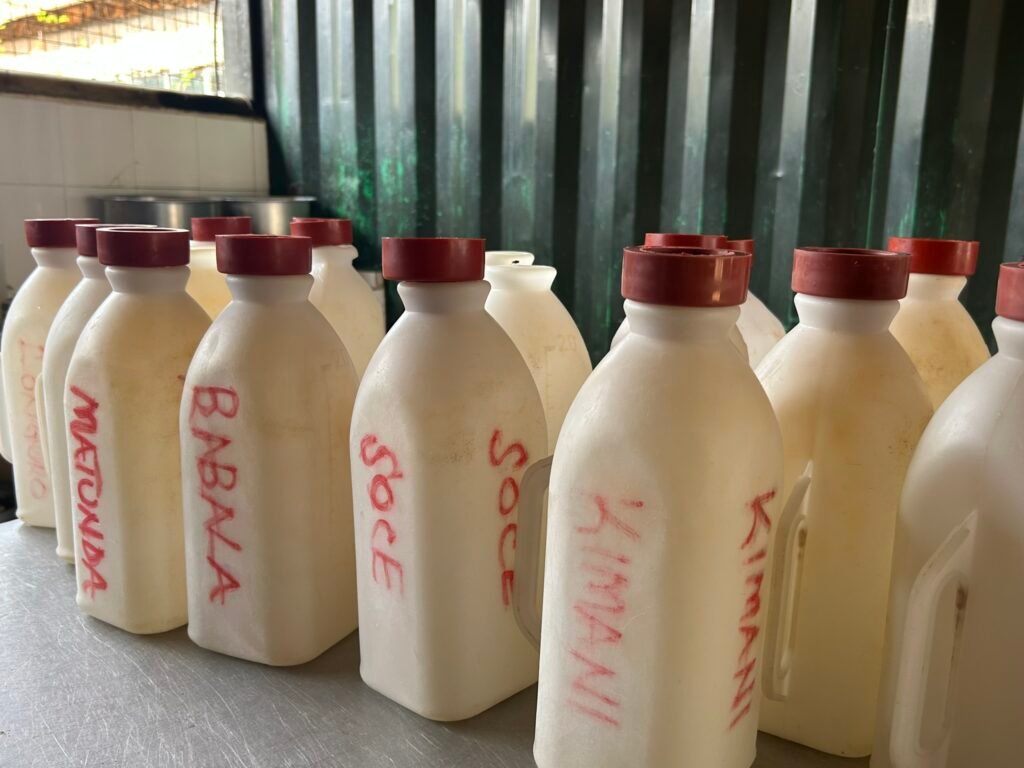
During our visit, we learned how Long’Uro played a key role in shaping how Reteti cares for its elephants.
He was one of the calves, alongside friends Sera and Lomunyak, who arrived at a similar time, involved in early trials of a new feeding approach developed during the pandemic, when imported milk formula became difficult to source. The team turned to locally sourced goat’s milk.
The results were transformative.
Goat’s milk, enriched with a blend of supplements such as honey, coconut oil, oats, probiotics and moringa, depending on the elephant’s needs, proved highly effective, supporting recovery, growth and overall health.
Long’Uro, Lomunyak and Sera did not just survive – they thrived.
From Innovation to Impact
What began as a practical solution has grown into something much bigger.
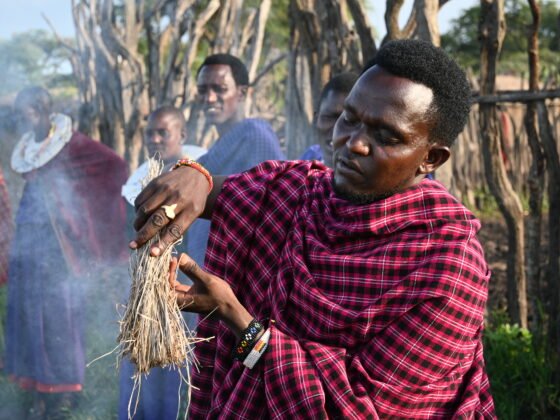
Reteti’s Milk to Market programme now supports 1,245 local Samburu women, who collectively supply around 680 litres of goat’s milk each day to the sanctuary. It creates income, strengthens community ties and embeds conservation within everyday life.
By switching to local supply, Reteti has reduced its milk budget by approximately $45,000 per month, while also significantly lowering its carbon footprint.
This is conservation working at its best: local, scalable and sustainable.
Why His Story Matters
There are many elephants at Reteti, each with their own story and many carrying emotional or physical scars.
But Long’Uro stands apart.
- He survived one of the most severe injuries imaginable
- He adapted to permanent physical challenges
- He contributed to a breakthrough in elephant care
- He helped underpin a community-based conservation model
Our Partnership with Reteti
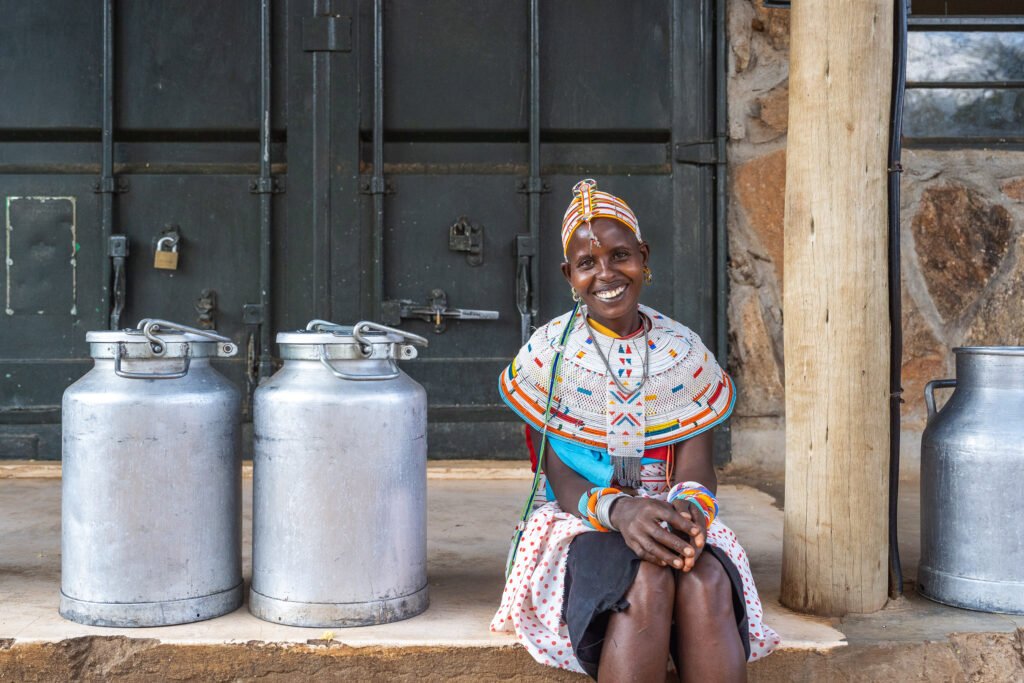
We are proud to support Reteti’s Milk to Market initiative.
The next step is practical.
To protect calf health and ensure long-term programme resilience, milk must be received, tested, pasteurised, cooled, and stored under strict hygienic conditions from the moment it arrives. We are fundraising for a new container-based milk handling and pasteurisation unit for the sanctuary.
It is a simple piece of infrastructure, but one with far-reaching impact, for the elephants and for the community behind them.
Looking Ahead
Reteti’s goal is always the same, to return elephants to the wild.
Long’Uro’s journey is still unfolding. But watching him now, strong, adaptable and increasingly independent, it is possible to imagine that future.
To date, 23 elephants have been successfully released back into Namunyak Conservancy, across four releases, with 2024’s historic release herd of 13 now more than 650 days wild.
Final Thought
Long’Uro’s story could easily have ended in that well.
Instead, it helped shape a model that is now supporting both elephants and people across Namunyak.
To support our partnership with Reteti and help bring the milk processing unit to life, please consider making a donation or placing a bid in our Big Elephant Auction.
If you’d like a first hand experience, it is possible to visit Reteti Elephant Sanctuary during a safari to Kenya. Please get in touch or visit our travel pages. All bookings support Explorers Against Extinction.