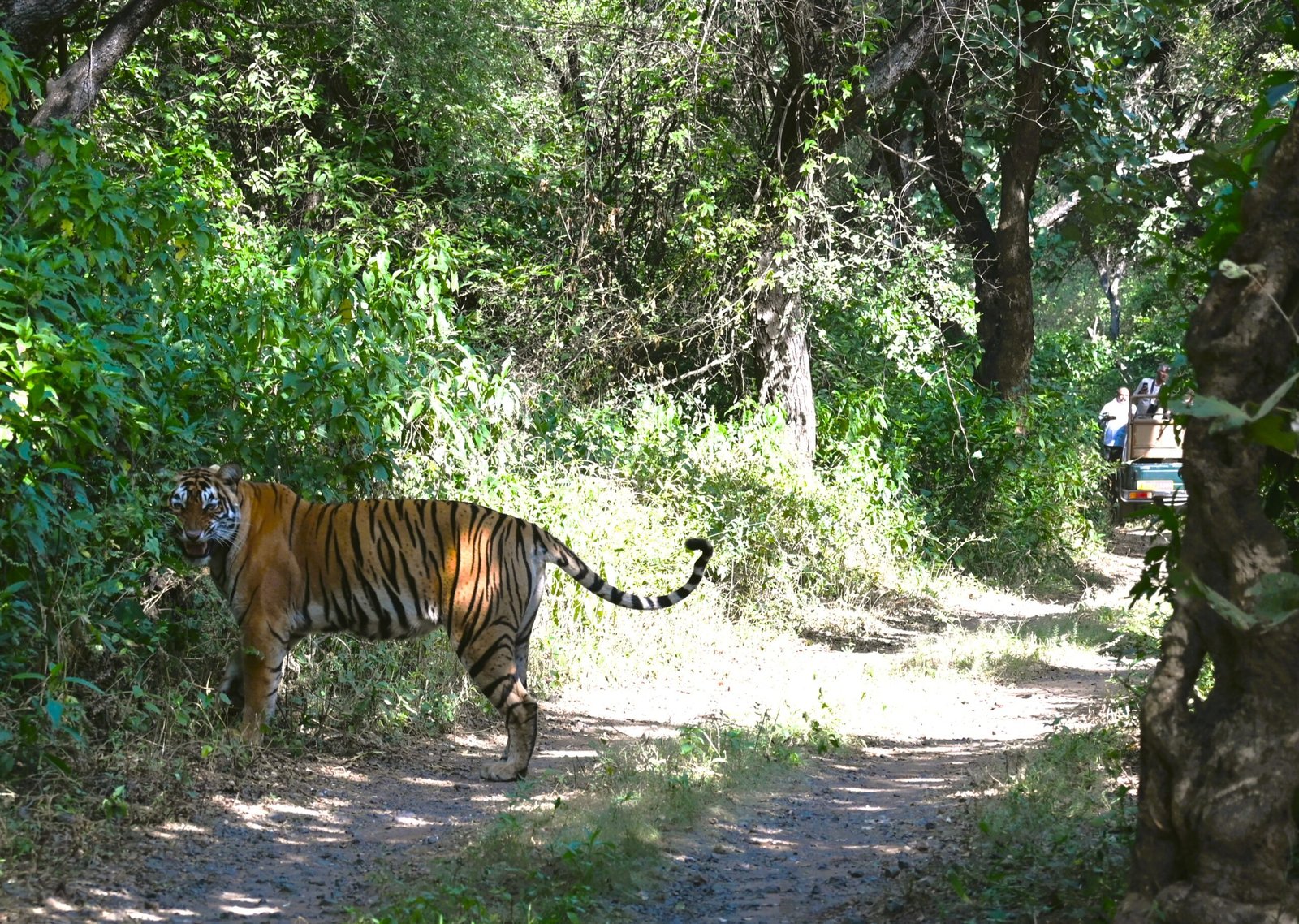
My stay at Utsav Camp, on the fringes of Sariska Tiger Reserve, will always stay with me for one simple reason: it was the first time I ever saw a tiger in the wild.
A Gentler, Rural Side of Rajasthan
Utsav Camp sits just beyond Sariska Tiger Reserve in Rajasthan, around four hours by road from Delhi or roughly two and a half from Jaipur. It makes an easy addition to a classic Rajasthan itinerary, but the atmosphere here could not be more different from the palaces, forts and frenetic cities that often dominate the state.
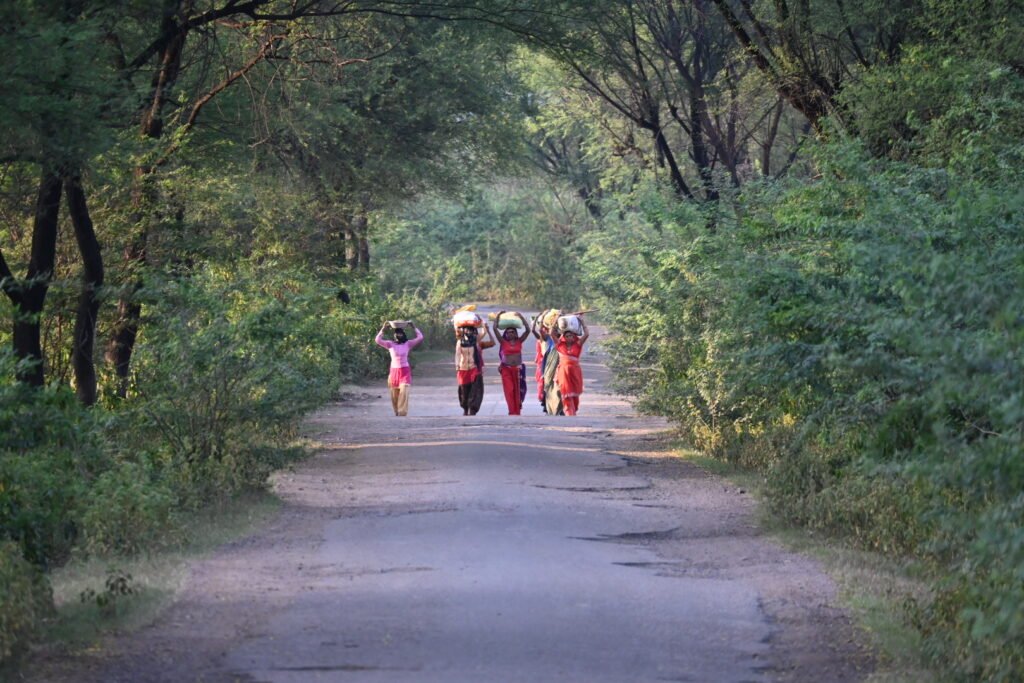
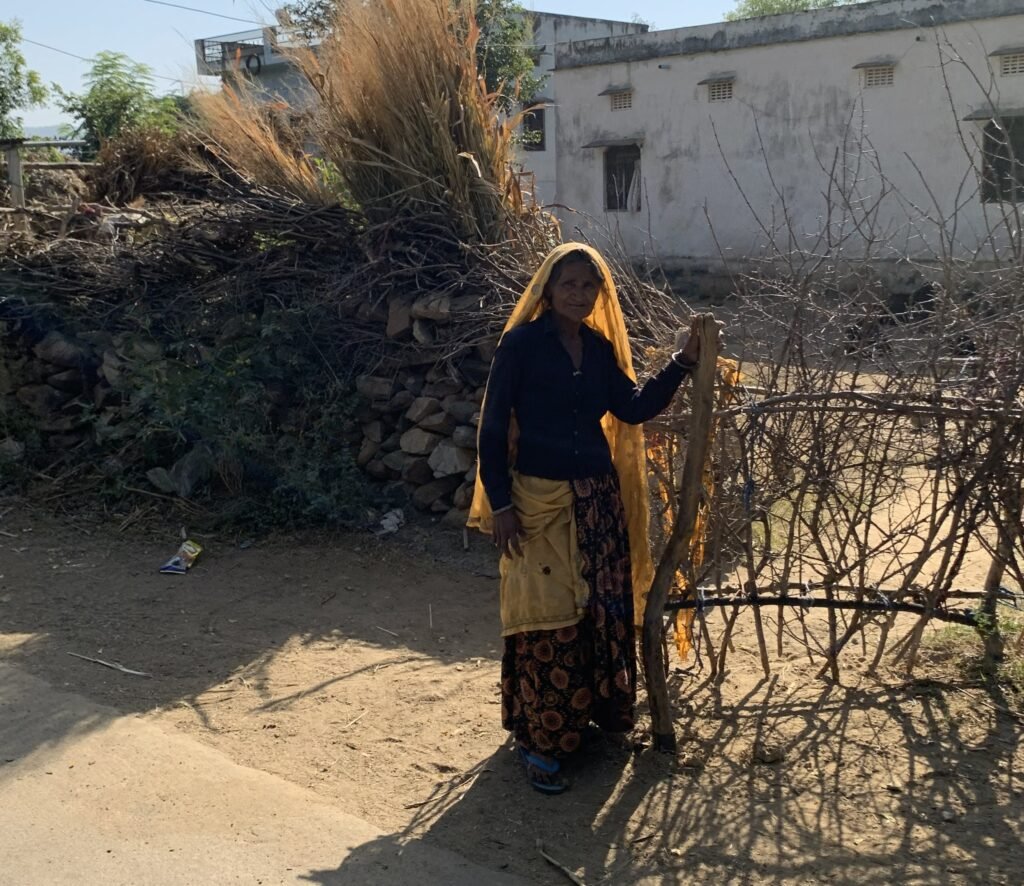
From the moment you arrive, the pace slows. The camp is surrounded by traditional villages, open countryside and the rugged folds of the Aravalli Hills. Just travelling to and from the reserve each day felt like stepping back in time, passing farms, seeing children playing alongside the road, and watching village life unfold much as it has for generations. If you’ve been to Ranthambore National Park, this feels like another world entirely.
Founded by naturalist Luv Shekhawat, Utsav Camp is built on land that was once barren and overgrazed. Over the years, it has been carefully rewilded, evolving into a small but thriving pocket of habitat that now supports birds, mammals and native plant species. This sense of quiet regeneration underpins the entire experience.
Staying at Utsav Camp, Sariska
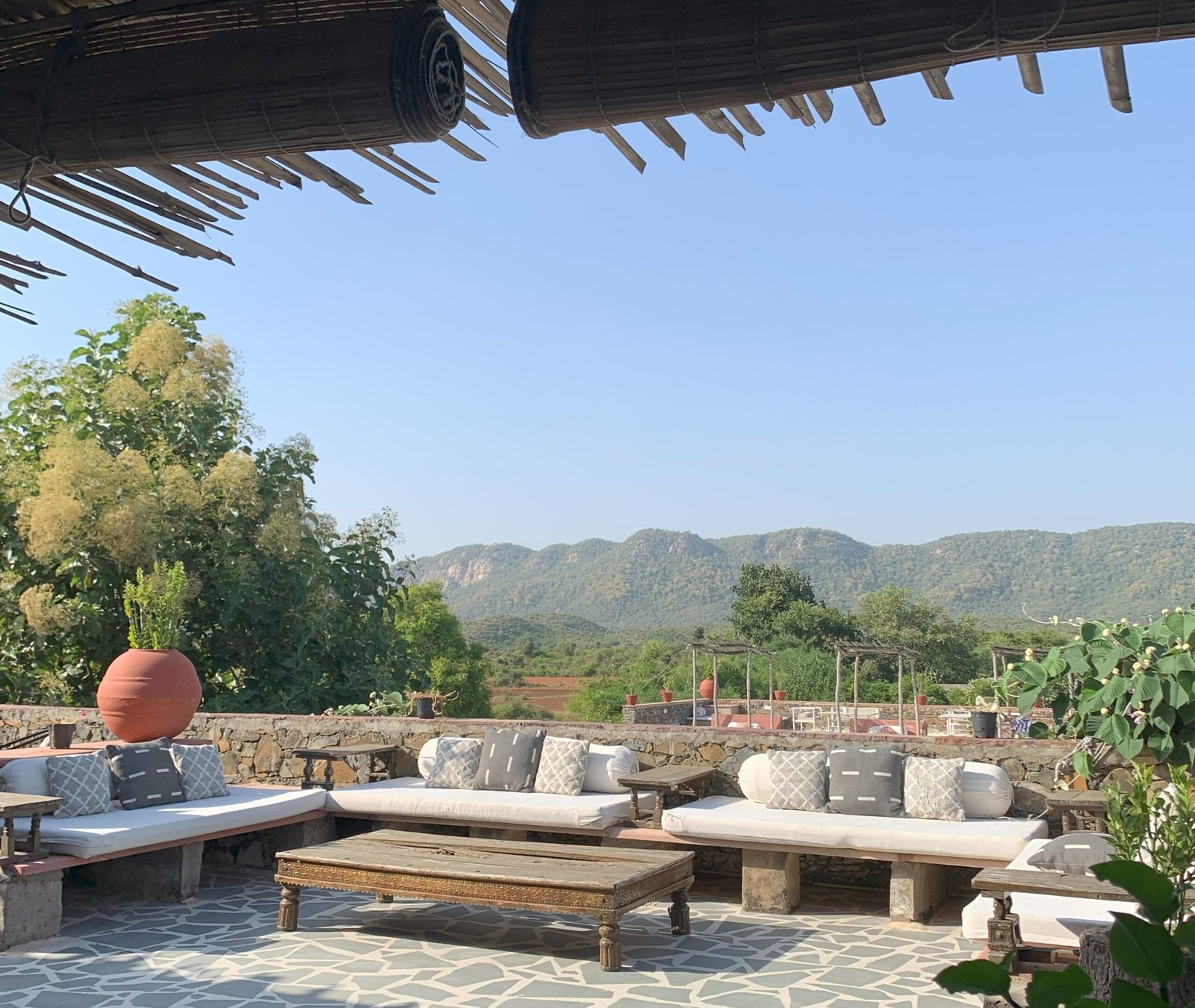
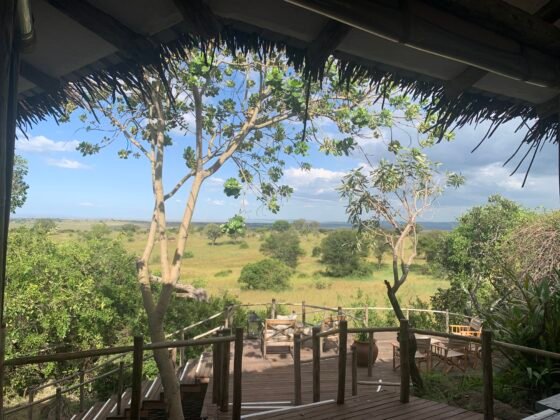
Accommodation is spread across nine stone cabins, each generously sized at around 900 square feet. Built using locally sourced materials, the cabins are simple but stylish, with large windows, Indian textiles, handcrafted details and private verandahs opening onto gardens.
Utsav Camp has recently expanded its offering with the addition of six Forest Villas and three Forest Bungalows. The Forest Villas are designed to offer enhanced comfort and panoramic views of the surrounding Aravalli hills, combining spacious living areas with a strong connection to the landscape.
Nature takes centre stage here. Facilities include a small infinity pool overlooking the countryside, along with a relaxed lounge area and library, ideal places to retreat between activities.
Sustainability is woven into the fabric of the camp. Solar power, rainwater harvesting and natural building materials all play a role, quietly reinforcing the ethos behind the project.
Exploring Sariska Tiger Reserve and the Aravalli Hills
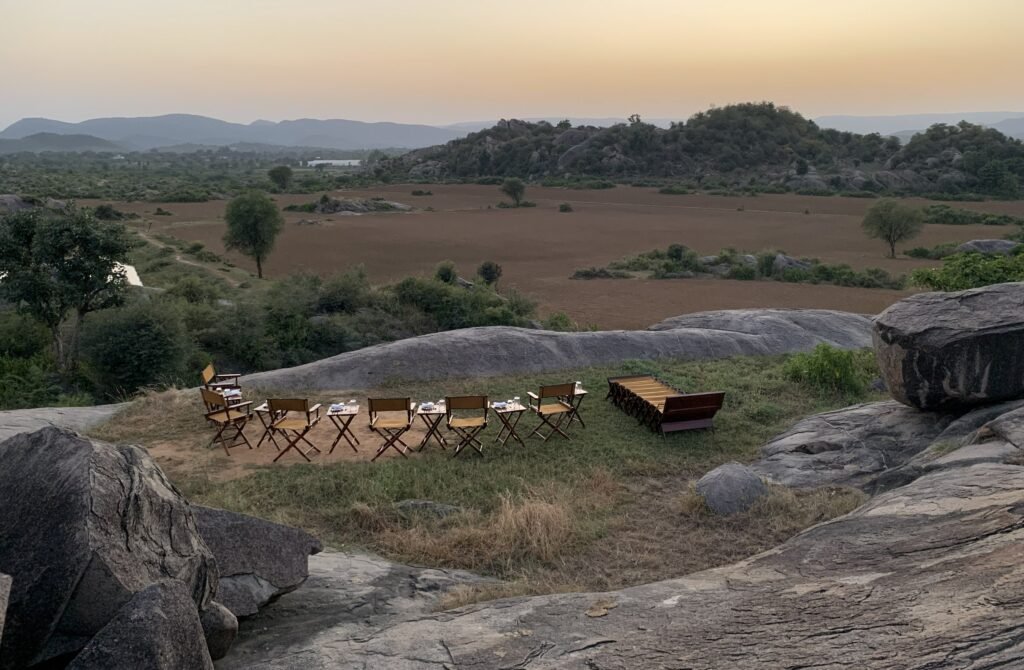
Days at Utsav Camp revolve around exploring the local area. Guided walks through the rugged Aravallis reveal a landscape shaped by time, weather and people. One personal highlight was the Hyena Trail, weaving through giant boulders in the soft afternoon light, and ending with sundowners up on the ridge. As the light faded, we scanned the rocks for leopard, content on this occasion simply to take in the vastness of the view.
Other pursuits include birdwatching, cycling and gentle hikes, offering insight into rural Rajasthan beyond the reserve boundaries.
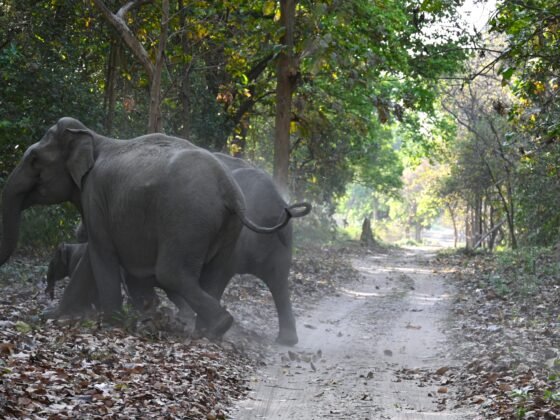
Wildlife safaris into Sariska Tiger Reserve are conducted in open ‘Gypsy’ jeeps, with the chance to see leopard, striped hyena, sambar, nilgai and a wealth of birdlife, and, if luck is on your side, a tiger.
We were fortunate enough to encounter ST-30, also known as Baghani II, one of Sariska’s newer tigresses. At the time, guides believed she might be pregnant, and in 2025 she was subsequently photographed by Chief Conservator of Forests (CCF) Sangram Singh, with three cubs, a hugely encouraging milestone for the reserve.
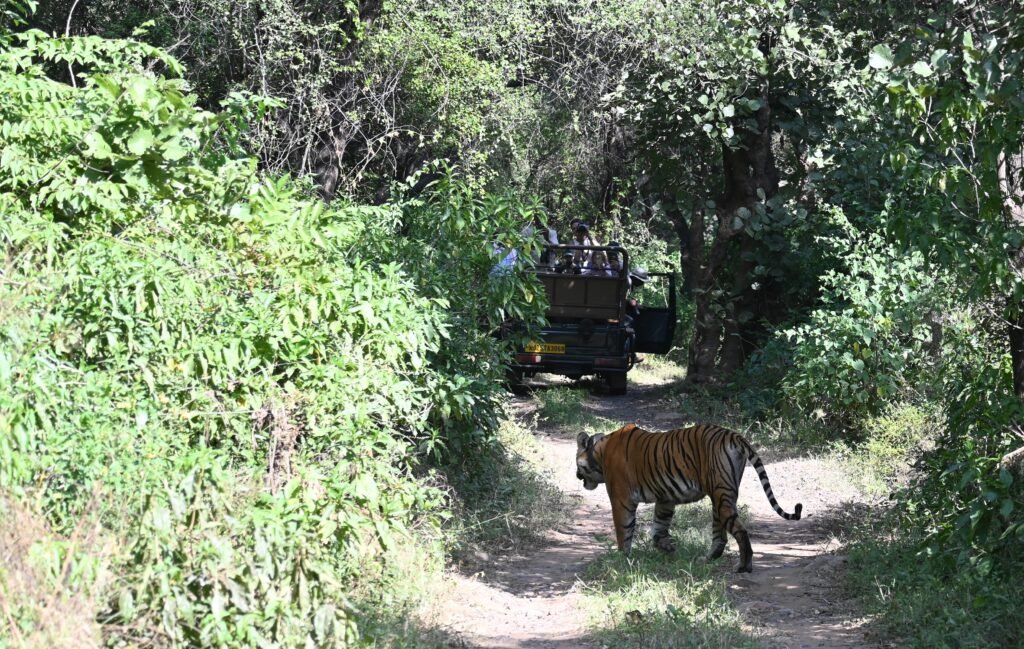
What made the sighting especially powerful was the context. Sariska had no tigers at all just two decades ago.
Once a royal hunting ground, Sariska became the first reserve in India to attempt tiger reintroduction after its population was wiped out. The translocation programme began in 2008, and today as many as 50 tigers roam the forest. Seeing one of them felt like a quiet conservation success story unfolding in real time.
Culture and History Around Sariska
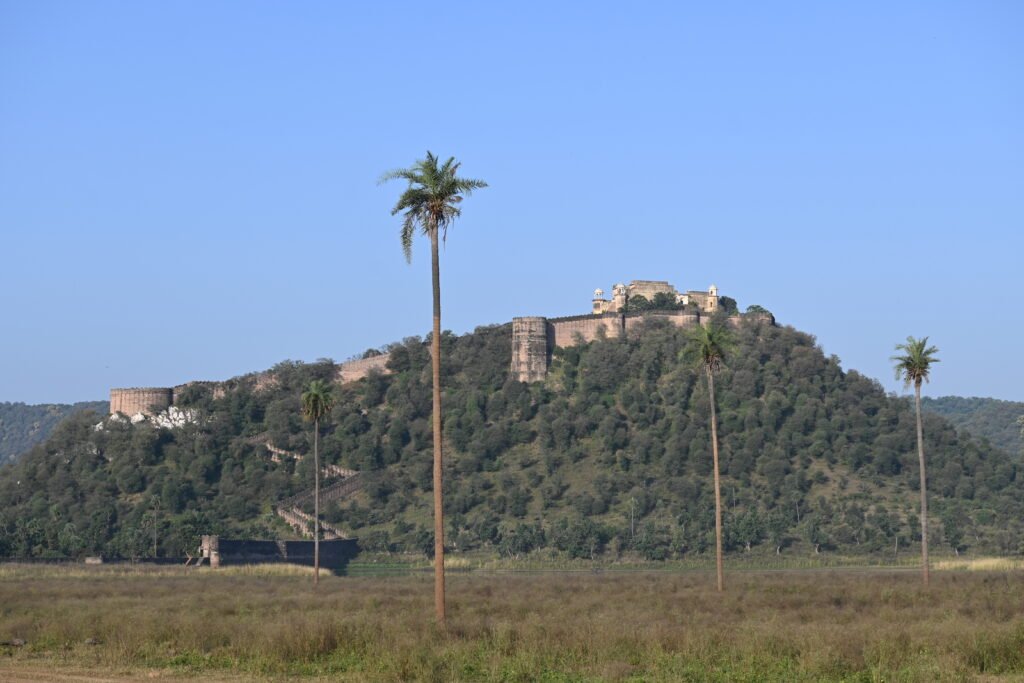
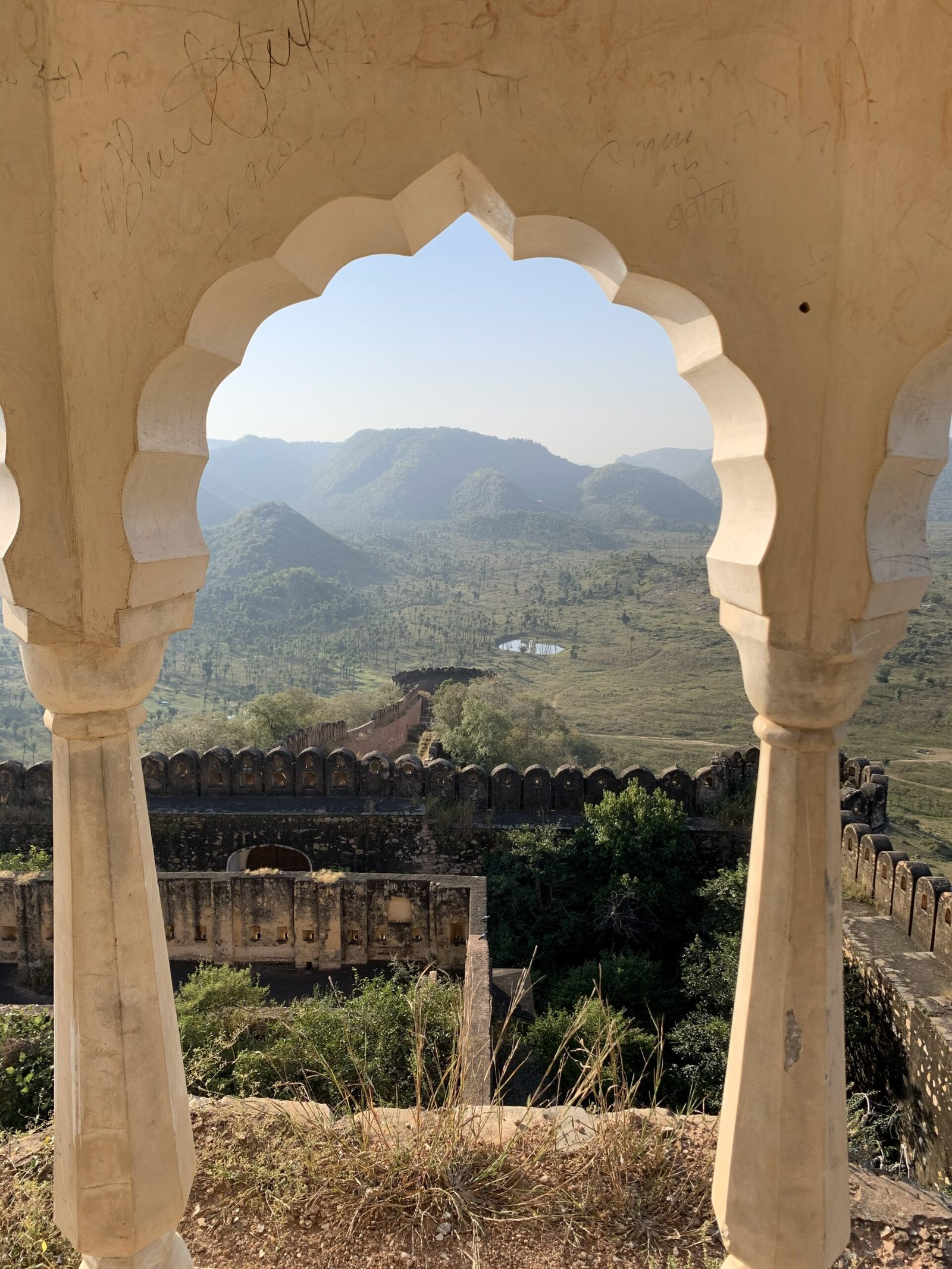
Sariska is not only about wildlife. Cultural excursions add depth to the experience, none more atmospheric than a visit to Kankwari Fort, a 17th-century ruin perched in the depths of the reserve. Abandoned and hauntingly beautiful, it has witnessed centuries of history, including the imprisonment of Mughal prince Dara Shikoh in 1658.
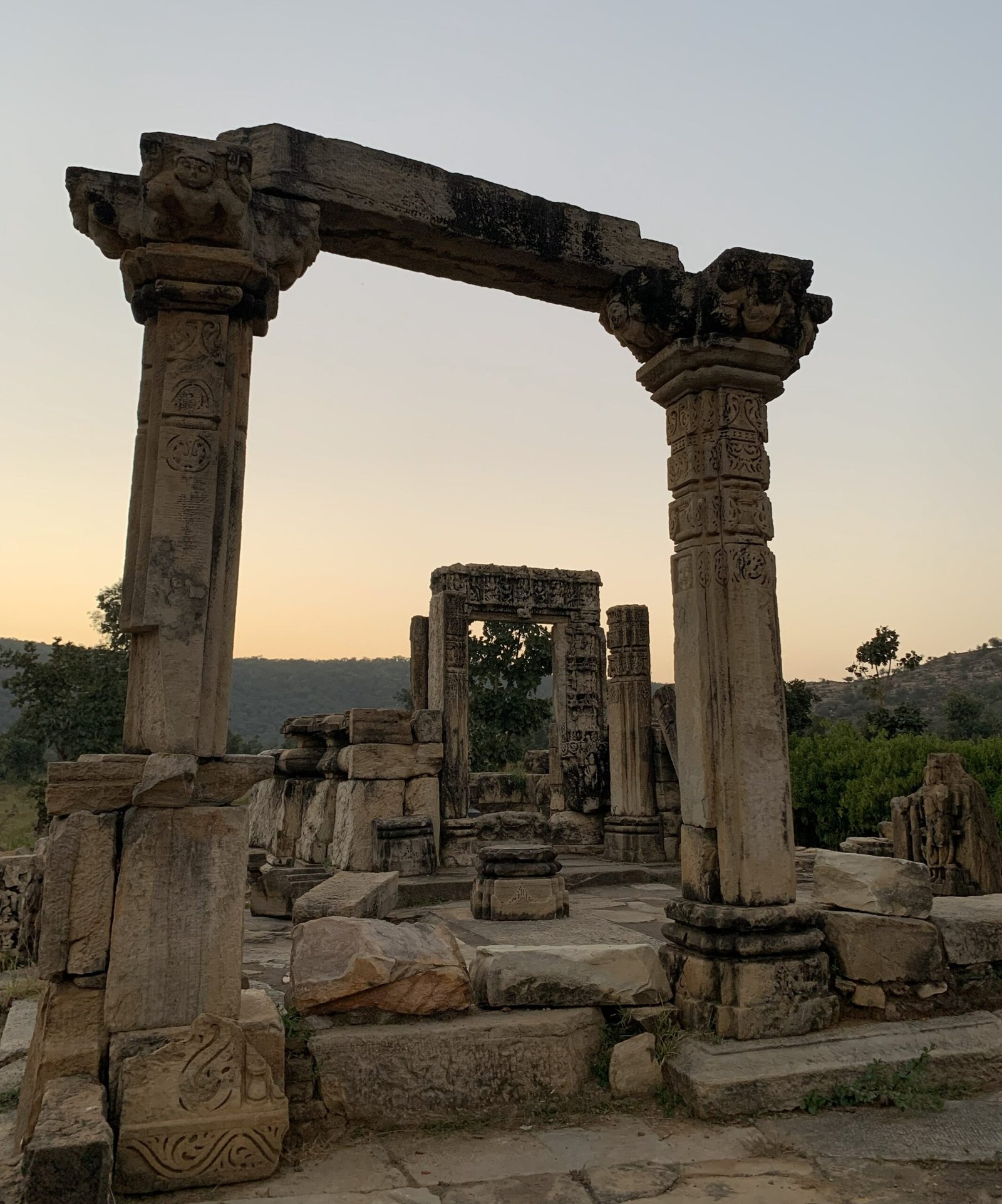
Equally memorable was a late-afternoon visit to the Neelkanth Temple complex, a scattered collection of more than 300 ancient shrines dating from the 6th to 9th centuries. Dedicated largely to Lord Shiva, the site was almost deserted when we visited, save for a few langurs and local children, lending it an unexpected sense of serenity.
Sacred Brahman cattle, with their distinctive shoulder humps, wander freely between the temples and forest edge, and it’s wise to give way when you encounter one.
Food and Hospitality at Utsav Camp
Meals at Utsav Camp are wholesome, fresh and thoughtfully prepared, with an emphasis on local, seasonal produce. Expect home-style Rajasthani dishes, many of them vegetarian, alongside simple international options. Lunches might be toasted sandwiches with chips and salad, while dinners are relaxed affairs rather than formal events.
Service is warm, if occasionally unhurried, adding to the feeling that time moves a little differently here.
Best Time to Visit Sariska Tiger Reserve
- October to March: Cooler temperatures, excellent for walking, birdlife and general wildlife viewing
- April to June: Hotter, but often the best time for tiger sightings
- July to September (monsoon): Lush scenery, but the tiger reserve closes during this period
Final Thoughts: A Place That Feels Unchanged by Time
Meeting Luv Shekhawat during my stay added an extra layer to the experience. He spoke about planting the trees on the land himself , beginning with fruit trees before transitioning to native species, guided by his grandfather, a former forest officer with deep ecological knowledge of the region.
That long-term commitment to rewilding is reflected everywhere at Utsav Camp. Combined with Sariska’s remarkable conservation story and the unhurried rhythm of life here, it creates something rare in modern travel.
Seeing my first wild tiger was unforgettable, but it was the feeling of the place, as though I had stepped back into a simpler, slower time, that proved especially enchanting.
Images: Sara White