Introduction: where it began
High in the cold desert of Spiti, where altitude, climate and terrain push life to its limits, one of the world’s most elusive predators moves largely unseen.
In 2022, Explorers Against Extinction partnered with the Nature Conservation Foundation (NCF) to support its High Altitude Program, focused on snow leopard conservation across the Western Himalaya. As part of this, we contributed funding towards an early phase of camera trapping.
“It’s quite amazing for us to look back at all that has happened over the past two years. The GHNP camera trapping really did become the seed for something much bigger.”
Vindhya Jyoti – Programme Manager, NCF
With our early support, an initial deployment of around 40 camera traps was carried out in the Sainj and Tirthan valleys of the Great Himalayan National Park (GHNP) during October–November 2023.
Since then, this work has expanded significantly. Across the wider study, 271 camera traps were deployed over 26,112 km², resulting in 262 snow leopard detections.
About snow leopards and the questions behind the project
Snow leopards live at low densities across vast, high-altitude landscapes, typically between 3,000 and over 5,000 metres. They are rarely seen, and much of what we know comes from tracks, signs and increasingly, camera traps.
This makes answering even basic questions difficult:
- How are snow leopard populations changing over time?
- What impact is conservation having?
- Which areas are most important – and where is intervention most needed?
Traditional studies often focused on smaller areas where snow leopards are easier to detect. While useful, this can overestimate populations when applied to larger landscapes.
This project set out to address that by studying snow leopards across a much broader and more representative landscape.
How the camera trap study was conducted
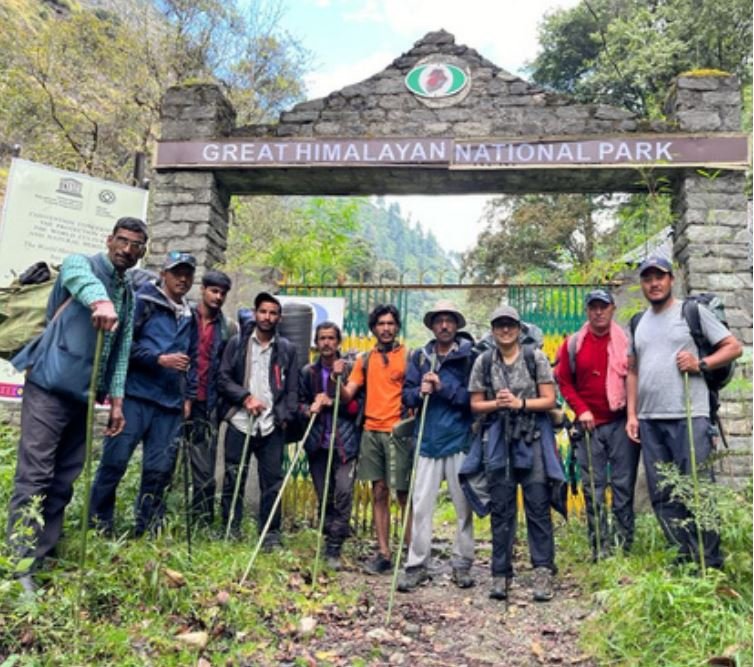
Researchers designed a large-scale camera trapping study covering multiple landscapes across Himachal Pradesh, including:
- Spiti (Tabo, Pin and Upper Spiti)
- Kinnaur
- Lahaul-Pangi
- Great Himalayan National Park (Sainj and Tirthan valleys)
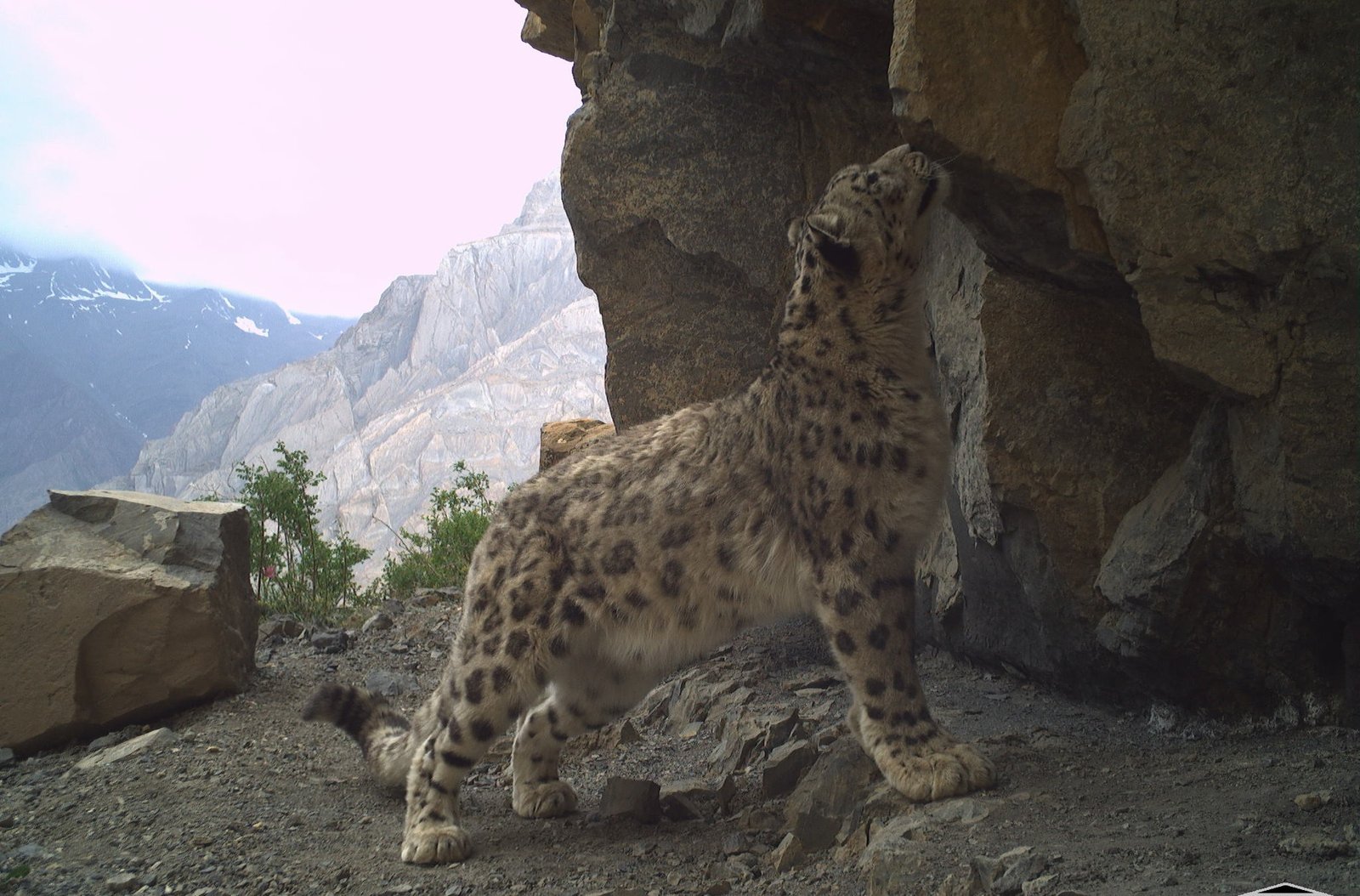
Camera traps were carefully positioned based on field signs such as scrapes, scat and scent markings, as well as terrain features likely to funnel animal movement.
Each site was monitored over a 60-day period, with cameras recording wildlife day and night.
To identify individual snow leopards, researchers used their unique rosette patterns, the arrangement of markings on the coat. These were examined across multiple parts of the body, including the flank, rump, shoulders and tail, to ensure each individual could be reliably distinguished, much like a fingerprint.
Only animals with clearly identifiable patterns across multiple areas were confirmed as unique individuals.
To move from sightings to population estimates, researchers used Spatially Explicit Capture–Recapture (SECR) models. These models combine camera trap detections with information about animal movement to estimate how many individuals are likely present across the landscape, including those not captured on camera.
Findings: what the cameras revealed
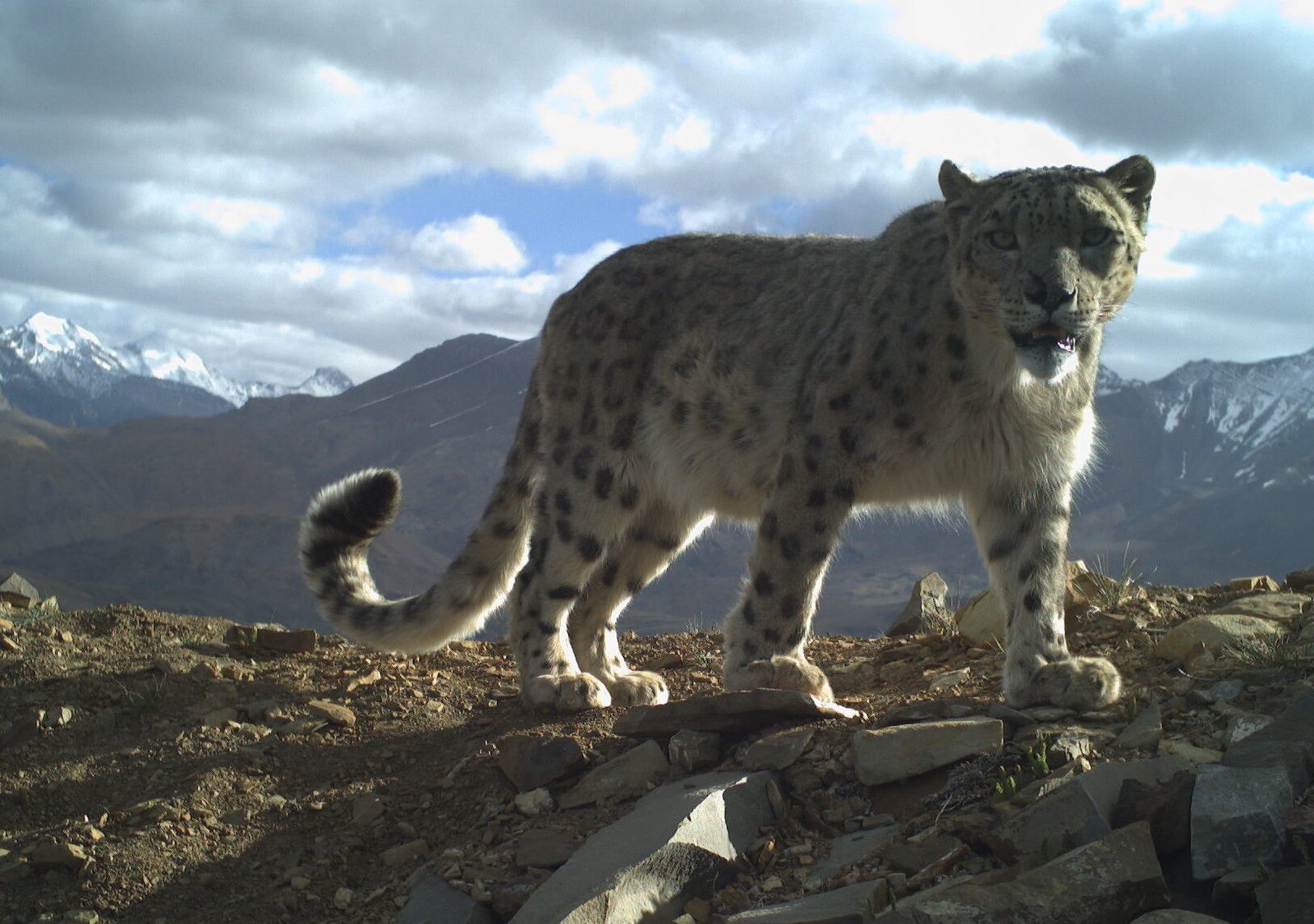
Across the study:
- 262 independent snow leopard detections were recorded
- 44 individual adult snow leopards were identified
In Spiti, the results underline its importance as a stronghold:
- Upper Spiti: 12 individuals
- Pin Valley: 8 individuals
- Tabo: 6 individuals
Using SECR modelling, researchers estimated:
- Approximately 83 adult snow leopards across Himachal Pradesh
- Confidence range: 67–103 individuals
In simple terms:
- 44 individuals were directly identified
- The true population is likely closer to 83
This distinction reflects both the scale of the landscape and the difficulty of detecting every animal.
What else the study shows us
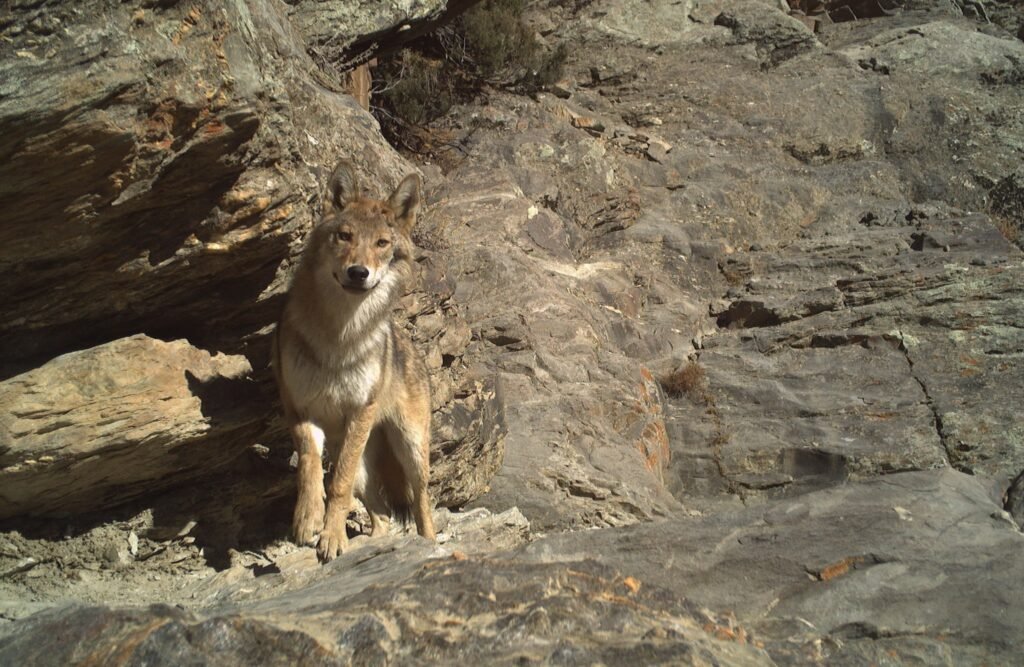
Camera traps do more than capture a single species, they reveal entire ecosystems.
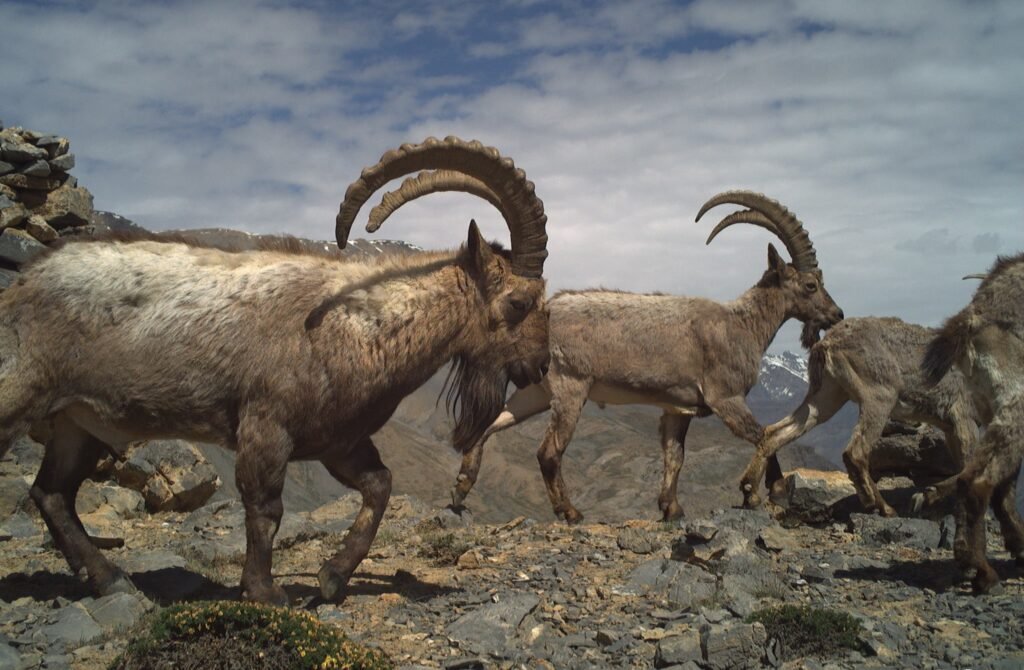
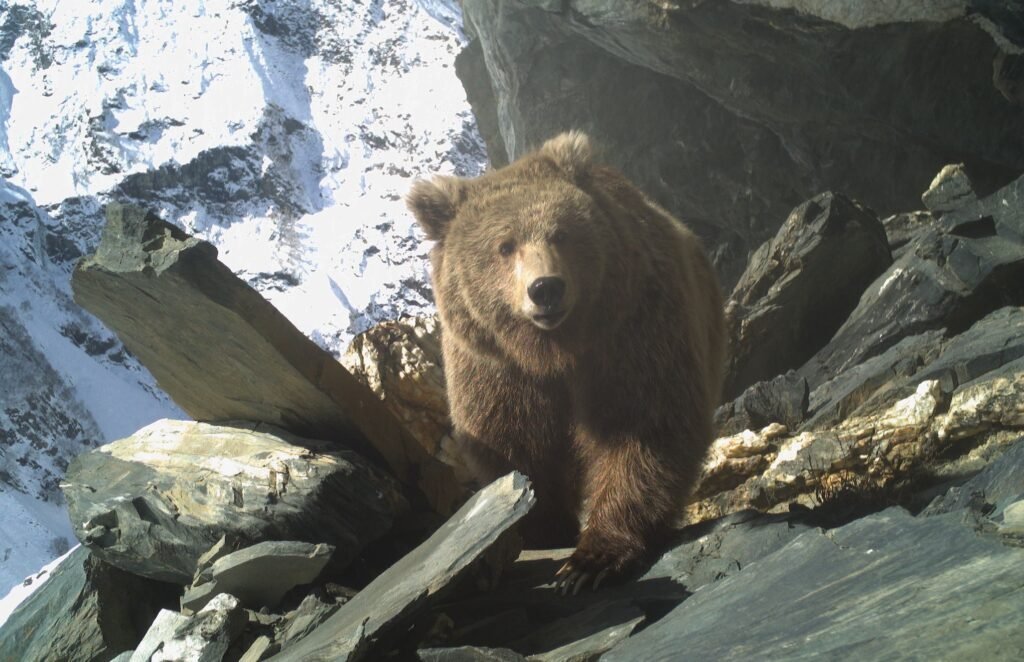
Alongside snow leopards, the study recorded a wide range of high-altitude wildlife, including:
- Himalayan wolf
- Brown bear
- Red fox
- Musk deer
- Himalayan ibex and blue sheep (key prey species)
- Yellow-throated marten and stone marten
Significantly, the study also produced:
- The first recorded sighting of Pallas’s cat in Himachal Pradesh
- The first photographic evidence of the woolly flying squirrel in the state
These findings highlight both the richness of these ecosystems and how much remains to be discovered.
The data also revealed important ecological shifts:
- Increased detections of common leopards, suggesting movement into higher altitudes
- Widespread presence of free-ranging dogs, posing risks through disease, predation and disturbance
Together, these insights help identify where conservation action is most urgently needed.
Spiti: a critical stronghold
The findings confirm that Spiti is one of the most important landscapes for snow leopards in India.
- Upper Spiti recorded the highest density
- Prey species remain relatively abundant
- Habitat remains connected across large areas
At the same time, the landscape is changing, reinforcing the need for ongoing monitoring and adaptive conservation.
Legacy: from a single project to wider impact
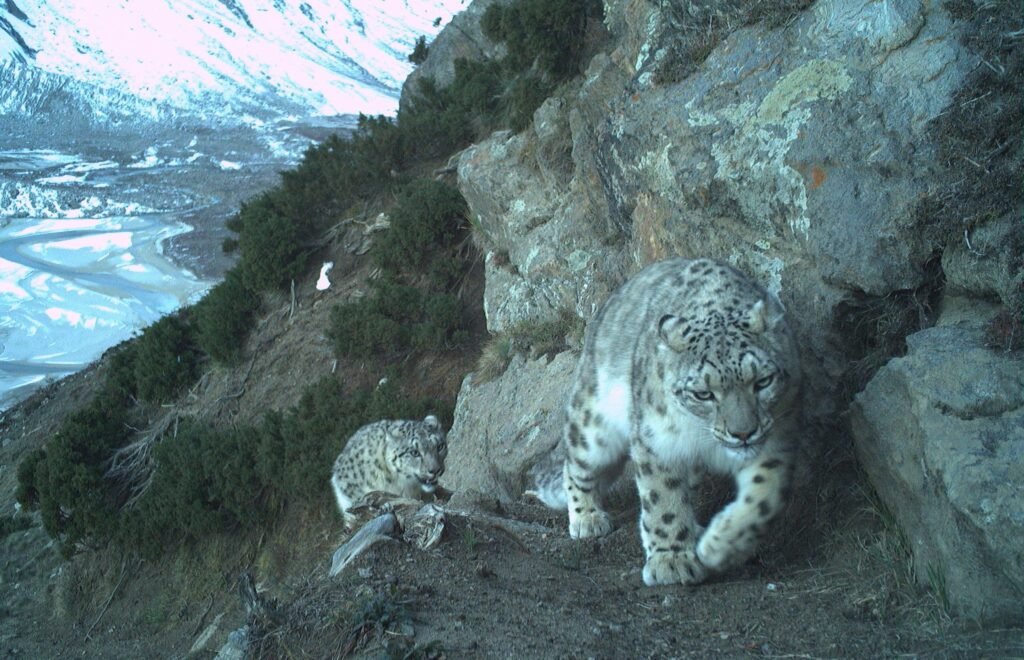
What began with camera trapping in GHNP has grown into something far more significant.
This work has:
- Contributed to a statewide snow leopard population assessment
- Covered more than 26,000 km² of habitat
- Helped establish a repeatable, science-based monitoring approach
- Provided a baseline for tracking population trends over time
What started as a focused contribution is now helping shape how snow leopards and other species are studied and protected across the wider Himalaya.
Thank you
From a small, early contribution to a much wider study, your support has helped bring one of the world’s most elusive species into clearer focus, and laid the groundwork for its future protection.
Image at top: Snow leopard – Himachal Pradesh Forest Department and Nature Conservation Foundation