Traveling as a family can be one of the most rewarding experiences you’ll ever have. From seeing wildlife up close to exploring new cultures and cuisines, kids learn more on the road than they ever could in a classroom alone. But for many parents, there’s a worry that long trips or frequent travel might mean falling behind academically.
The good news? Education doesn’t have to stop when you leave home. With a little planning, travel can actually enhance your child’s learning. Offering lessons in geography, history, problem-solving, and even empathy that last far beyond the school year.
Here’s how to keep your child’s education on track while nurturing their sense of adventure.
Make Learning Part of the Journey
Education doesn’t have to look like textbooks and homework. When you’re traveling, the world becomes your classroom. A visit to a local market can turn into a lesson in math and currency; a wildlife reserve becomes an ecology class in motion.
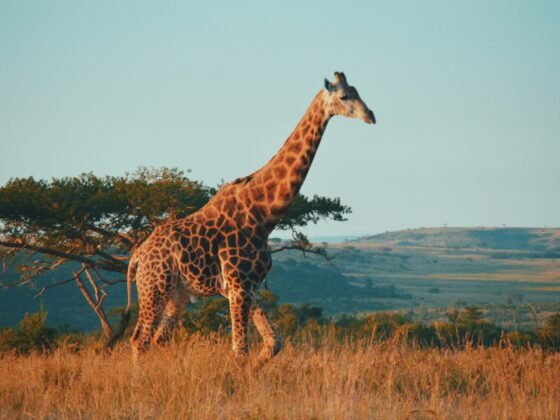
Encourage kids to ask questions, take notes, or keep a travel journal. Older children might enjoy taking photos or creating short videos to document their experiences. Even something as simple as spotting animals in their natural habitat can spark curiosity and a lifelong love for conservation, especially when traveling through places where preservation matters.
According to the U.S. Travel Association, more than 65% of parents believe travel offers educational benefits that formal schooling cannot. So don’t underestimate the power of hands-on exploration.
Tap Into Online Support
Technology makes it easier than ever to stay academically connected. Whether you’re gone for a few weeks or several months, digital tools can help fill any learning gaps.
If your child needs more structured guidance, you can find tutors who offer online sessions tailored to your travel schedule. Many tutoring platforms provide flexible learning plans designed for students on the go, focusing on key areas like math, reading comprehension, or language learning.
This combination of real-world education and online support ensures your child keeps pace while gaining confidence and global perspective.
Keep Core Subjects in Play
While travel provides incredible real-world learning, keeping up with core subjects like reading, math, and writing ensures a smoother transition back to school life. The key is to make it feel natural rather than forced.
Here are a few simple strategies that work:
- Reading time: Pack a few favorite books or download e-books for travel days.
- Math games: Use travel-related challenges such as budgeting meals, converting currency, or calculating distances.
- Writing prompts: Encourage kids to write postcards, blog entries, or short stories about their adventures.
- Science in action: Explore local ecosystems, national parks, or conservation centers.
- History lessons: Visit landmarks or museums, and talk about the people and cultures behind them.
These activities not only keep skills sharp but help kids see how education connects to the real world.
Make Home Base Feel Like a Classroom (Even on the Road)
Consistency matters to kids, even when they’re globe-trotting. Create a small “learning corner” wherever you stay. A designated space for reading, writing, or drawing. It doesn’t have to be fancy. A small table, some colored pencils, and a few books are enough to make learning part of the daily rhythm.
Adding small touches, like personalized coasters with maps, animals, or motivational quotes, can make that space feel special and inspiring. It’s a fun way to tie in a bit of personality and keep routines feeling cozy and familiar especially after long travel days.
Balance Fun and Focus
When you’re traveling, it’s tempting to pack every day with activities. But kids need downtime too, time to process what they’ve seen and learned. Build rest into your itinerary, whether it’s a quiet afternoon at a café or a slow morning sketching what you saw the day before.
This balance helps prevent burnout and keeps learning enjoyable rather than exhausting. Think of it as giving your kids the gift of curiosity without the pressure.
Final Thoughts
Traveling with kids isn’t about putting education on hold, it’s about expanding it. Every hike, museum visit, and conversation becomes an opportunity to learn and grow together. With the right mix of structure and spontaneity, your family adventures can fuel your child’s imagination and education all at once.
From finding flexible tutors online to creating cozy learning corners complete with custom coasters, keeping learning alive on the road doesn’t take much, just creativity, curiosity, and a little planning.
So pack the backpacks, grab the notebooks, and get ready for the best classroom on earth: the world itself.
Image: Pexels, Denon Studio