Whales are among the most awe-inspiring creatures on the planet. Their size, power, and grace stir something deep in us, reminding us of both the richness of our natural world and the fragility of marine ecosystems under pressure from climate change, plastic pollution, and overfishing.
For those lucky enough to travel, now is a great time of year for whale watching in Africa. From southern right whales and their calves in South Africa to breaching humpbacks off Mozambique, here are five destinations where travellers can enjoy unforgettable ocean encounters – and, crucially, where responsible tourism supports conservation and coastal communities.
1. Hermanus, South Africa – The Whale Watching Capital
Best time: June to November
Species: Southern right whales, humpbacks, and Bryde’s whales
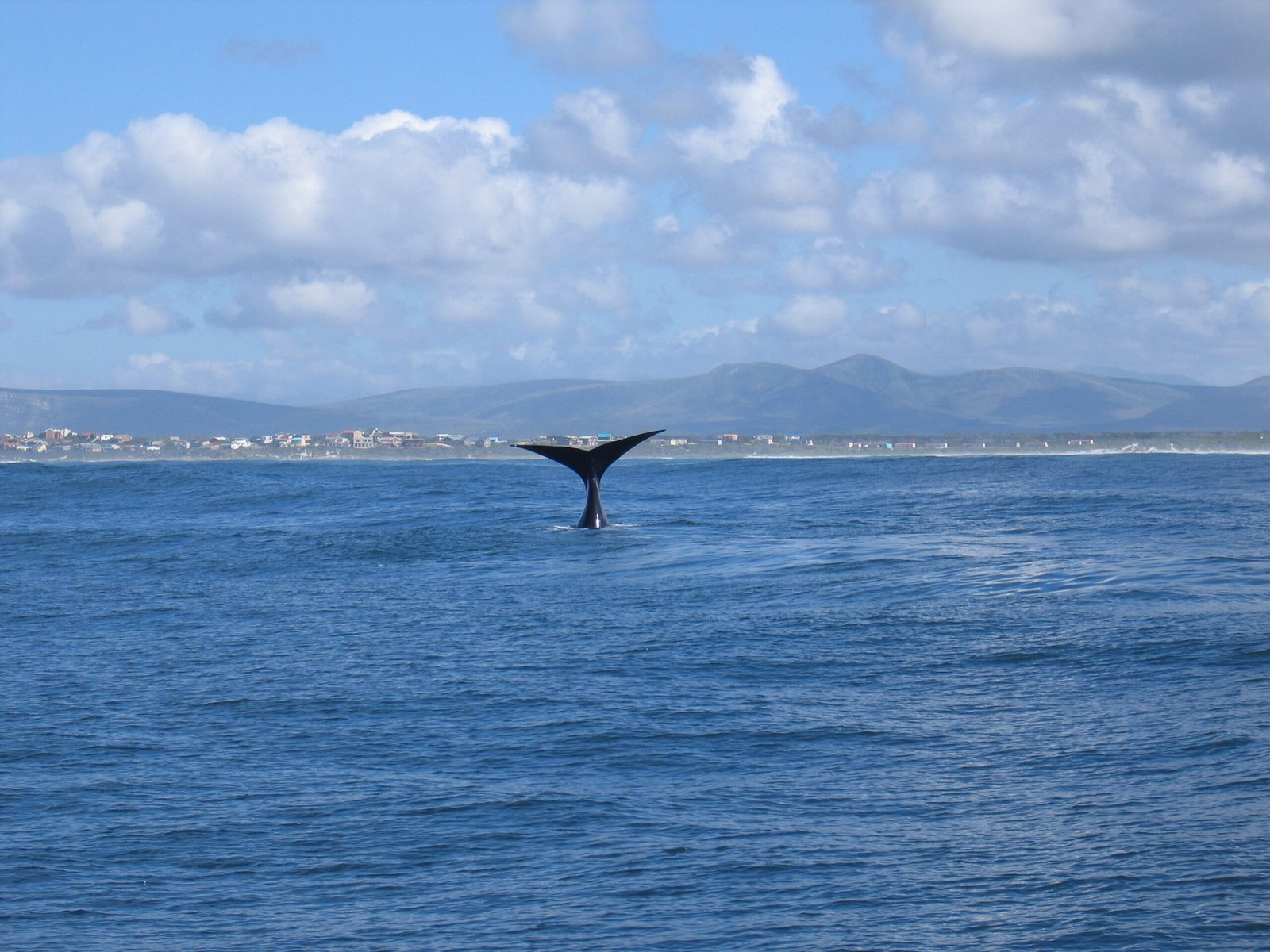
Just 90 minutes from Cape Town, Hermanus is world-famous for its southern right whales. These giants migrate during the Austral winter from Antarctica to calve and nurse in the calm waters of Walker Bay. Mothers and calves are often seen close to shore, with spectacular behaviours such as breaching, tail slapping, lob-tailing and spy-hopping visible from clifftop paths.
Walking the shore offers ample opportunity for whale watching but luxury lodges across the Walker Bay area, like Grootbos near Gansbaai, offer a range of activities to witness these behaviours, all under strict codes of conduct to minimise disturbance. These include boat trips and light aircraft flights.
2. Bazaruto Archipelago, Mozambique – Breaching Humpbacks
Best time: July to October
Species: Humpback whales (occasional southern right whales)
The turquoise waters off Mozambique’s Bazaruto Archipelago are a biodiversity hotspot. Humpback whales migrate north along the coast in winter, often breaching and fin-slapping with great energy as they travel in family groups. Calves can sometimes be seen learning these behaviours alongside their mothers.
Marine safaris are frequently led by community-based projects, ensuring local people benefit from sustainable tourism. Lodges such as Anantara Bazaruto Island Resort and Azura Benguerra Island Lodge offer guided boat excursions that prioritise ethical wildlife encounters.
For those keen to combine a traditional land safari with a marine adventure, Mozambique pairs beautifully with South Africa’s Greater Kruger or Tanzania’s southern parks. Both regions are at their best between July and October, making this an ideal time to experience game drives on land and whale watching at sea.
3. West Coast of Mauritius – Sperm Whales and Seasonal Humpbacks
Best time: July to November
Species: Humpback whales, sperm whales (year-round), spinner and bottlenose dolphins
Mauritius is one of the few places where sperm whales can be encountered throughout the year. These deep-diving giants occasionally surface in pods, sometimes displaying their iconic tail flukes before plunging back into the depths. During the southern winter, humpbacks migrate past the island, and you may witness breaching, spy-hopping and pectoral fin slapping. Spinner and bottlenose dolphins are also present.
Swimming with whales is prohibited in Mauritius to protect the animals.
Although an increasing number of operators now emphasise ethical viewing from boats, keeping encounters safe for both whales and watchers, it is always best to check reviews and credentials.
4. Watamu, Kenya – Emerging Hotspot on the Indian Ocean
Best time: June to October
Species: Humpback whales
Watamu, north of Mombasa, is part of a UNESCO Biosphere Reserve and is quickly emerging as one of Africa’s most exciting whale watching destinations. Each year, humpbacks migrate along the Kenyan coast, with acrobatic displays including breaching and tail-slapping often visible from boats.
While whale sharks and dolphins are also present in these waters, humpbacks remain the star attraction. Revenues from responsible tourism here support local marine patrols, research, and conservation initiatives.
5. Walvis Bay, Namibia – Cold Currents and Ocean Giants
Best time: October to December
Species: Humpback whales, southern right whales, and occasionally orcas
Fed by the nutrient-rich Benguela Current, Walvis Bay is alive with marine life. Seasonal visitors include humpbacks and southern right whales, with occasional orca sightings adding drama to boat trips. Breaching and tail flukes are the most common behaviours observed as these whales migrate along the Namibian coast.
Walvis Bay is also home to large colonies of Cape fur seals and abundant seabirds, but the whales are the main draw. Namibia has developed a strong eco-tourism framework, ensuring encounters benefit both wildlife and local livelihoods.
Responsible Whale Watching
Whale watching is one of the most memorable wildlife experiences a traveller can have, but it must be done responsibly. Overcrowded boats, intrusive approaches, and unregulated swim-with activities can cause real stress to marine mammals. Choosing licensed, conservation-minded operators is the best way to ensure your encounter helps, rather than harms, the whales.
At Explorers Against Extinction, we advocate for sustainable, responsible tourism – the kind that supports both wildlife conservation and local communities. By travelling thoughtfully, you can experience the thrill of whale watching while helping protect these giants of the ocean for future generations.