Recent scenes from the Serengeti, captured by wildlife guide Nick Kleer, have sent shockwaves through tourism circles and reignited the debate about whether wildlife tourism does more harm than good. The footage – showing vehicles blocking wildebeest crossings and tourists out of their vehicles – is disturbing. These scenes show a clear disregard not only for the wildlife but also for the experience of other guides and guests.
Sadly, this despicable behaviour is not new. The truth is, wildlife tourism can be a powerful force for conservation when done well, but in the wrong hands, it quickly turns into exploitation.
A Global Issue of Respect
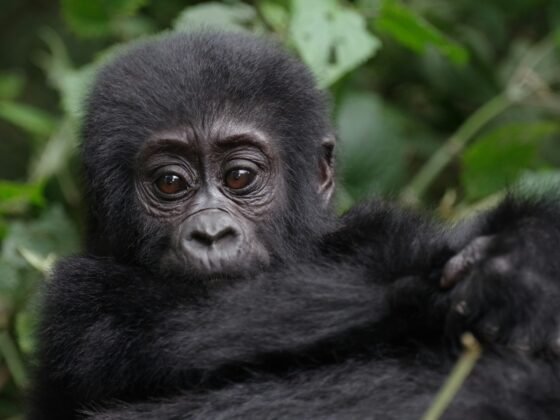
I’ve been fortunate to watch wildlife all over the world – from swimming with whale sharks and manta rays in Ningaloo, Australia, to seeing tigers in India, observing polar bears in Svalbard, and trekking to see gorillas in Bwindi. I’ve seen elephant seals on the Valdés Peninsula in Argentina, cruised with dolphins and whales in the Azores, and watched grey seals right here on the beaches of Norfolk.
The wildlife behaves much the same wherever you go. It’s the people who are the variable – and often, the problem.
Svalbard stands out as a place where the protocols are crystal clear, penalties are tough, guides are highly trained, and wildlife welfare is non-negotiable. In other places, I’ve witnessed a whole spectrum of behaviour, from guests ignoring guidance, or pressuring guides to get closer for a better photo, to guides driving dangerously or irresponsibly. In severe cases, wildlife becomes little more than a quick fix, a consumable – something to brag about over dinner, rather than a meaningful, patient encounter that fosters a real connection.
The Serengeti: What I Saw in February
Earlier this year, I travelled from the southern Serengeti, where the wildebeest were calving, to the northern Serengeti where it meets the Masai Mara. In February, those river crossing points in the north are blissfully quiet. It’s paradise. I have photos from points 6 and 7 showing what they look like out of season: serene riverbanks, untouched landscapes and wonderful birdlife.
I travelled with Nomad Tanzania. Our guide, Rem, over breakfast, explained the strict protocols followed during peak migration season in the Northern Serengeti by their guiding teams. Vehicles must stay well back near the treeline and wait, sometimes for hours, to avoid putting pressure on the herds. Only when the herds start to cross can they sneak forward, and never right down to the riverbank as recent images show.
Rem explained how vehicle positioning and movements on the riverbank can impact the wildebeest and how important it is to give them space and time. In my experience, Nomad Tanzania prioritises guide training – the quality of their driving and knowledge is excellent. This standard will of course vary from one operator to another.
Even outside the migration, vehicle crowding in national parks/reserves – from Africa to India – can be a big issue. In the southern Serengeti, I counted 17 vehicles surrounding a single cheetah and her cub. We chose not to stay and be part of it, but that’s an easy choice for me. I’ve been on safari many times and have had the privilege of seeing cheetah. For a first-time visitor, the pressure to ‘see it all,’ often in just a few days, can be far greater, and the guide will be fully aware of this. We set off in the opposite direction and enjoyed a memorable encounter with three lionesses without another vehicle in sight.
Choice and Responsibility
Going back to the recent scenes in the Serengeti – everyone plays a part. Guests have a choice. Guides have a choice. At some point, the moral compass must kick in and both must take responsibility. Agents also play a vital role in managing guest expectations right from the very first enquiry. Meanwhile, authorities must enforce the rules to ensure wildlife and wild spaces are protected.
Locally based guides/operators are stewards of the land, responsible for how it is introduced to their guests. Many guides are excellent and deeply passionate conservationists. However, some, like those called out in Nick Kleer’s Instagram post, lack training and experience, and give the profession a bad name by prioritising quick wins over responsible behaviour.
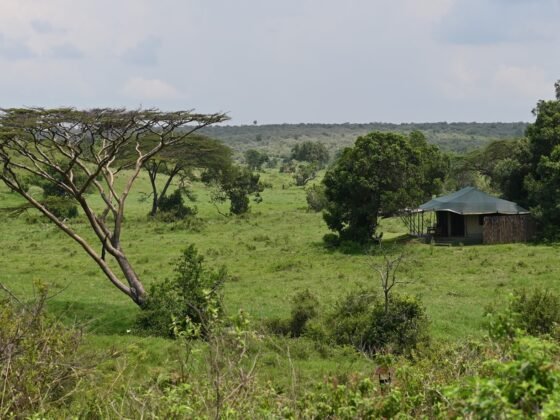
It’s worth noting that in East Africa, experiences can vary depending on where you go. Private concessions and reserves often have far stricter protocols than national parks as well as limiting visitor numbers. With highly trained guides and a cap of two or three vehicles at any one sighting, the experience is high quality and low impact. This not only improves wildlife welfare but also makes for a far better safari compared to the congestion and competitive driving often seen in public parks/reserves.
Ultimately, Tanzania National Parks Authority (TANAPA) and other official bodies must take a hard look at their priorities. Is this about stewardship of a national treasure, or is it simply about maximising commercial gain? Park fees are collected for a reason – to fund enforcement and protect these wild spaces – and that responsibility must not be diluted by tourism pressure or commercialism. Does the blame for these chaotic scenes ultimately rest with them and a lack of regulation and oversight?
What Needs to Change?
It’s time to rethink how river crossings are managed. Possible solutions include:
- Timed permits to limit the number of vehicles present at any one crossing – perhaps with a premium charged for this experience.
- Clearly marked exclusion zones to keep vehicles at a safe distance.
- Stricter penalties for guides and guests who break the rules.
The Great Migration is a spectacle of nature. It’s something to be revered and cherished. Everyone – agents, travellers, guides, and park authorities – must do better.
Why Choosing the Right Operator Matters
There are some factors you can’t control, but you do have a choice about where you go and the operator you trust with your safari. Good operators:
- Train their guides to the highest ethical standards.
- Keep vehicle numbers low and camp size small.
- Pay their staff well so they aren’t reliant on tips – or pressured by guests to bend the rules.
In addition look out for those operators in:
- concessions or conservancies with strict vehicle limits and viewing protocols in place to protect wildlife.
Quality operators may cost more, but they deliver a safari that is more respectful and responsible – one where the animals, the landscapes, and the communities benefit.
Explore our Travel Pages to find safari experiences that prioritise conservation, community, and respect for the natural world.
Image: this image was taken by one of our clients at a migration crossing in 2014