Australia stands as a living museum of unique wildlife, holding some of Earth’s most distinctive creatures. From the iconic kangaroos hopping across the Outback to endangered sea turtles gliding through the Great Barrier Reef, this continent demands our attention and action in wildlife conservation. Whether you’re a passionate wildlife enthusiast, an aspiring conservationist, or a traveller seeking meaningful experiences, Australia offers numerous opportunities to contribute to wildlife preservation.
Why Australia is a Hotspot for Conservation
Biodiversity Snapshot
Australia’s isolation has created an extraordinary ecosystem where 87% of mammals and 93% of reptiles exist nowhere else on Earth. This biodiversity includes well-known species like koalas and kangaroos, and lesser-known creatures like the bilby and the eastern quoll.
Current Threats
The challenges facing Australian wildlife have never been more pressing. Habitat loss from urbanization and agriculture continues to fragment critical ecosystems. Recent bushfires have devastated wildlife populations, with koalas being particularly affected in New South Wales and Queensland. Invasive species, notably cane toads in northern Australia, threaten native reptiles and small mammals.
Best Locations for Animal Conservation Programs
1. Great Barrier Reef (Marine Conservation)
Why Here?
Queensland, a place of beauty has long led the charge in the interstate migration race. The Great Barrier Reef, stretching over 2,300 kilometres, represents the world’s largest coral reef ecosystem. This UNESCO World Heritage site provides critical habitat for over 1,500 fish species, 400 hard coral species, 4,000 mollusc species, and 240 bird species.
Programs & Activities
The Great Barrier Reef Foundation leads coral restoration projects, working to rebuild damaged reef sections. At Cairns Turtle Rehabilitation Centre, volunteers assist in caring for injured sea turtles, participating in feeding, cleaning, and monitoring programs and handling water damage issues.
2. Kangaroo Island (Land and Marine Conservation)
Why Here?
Often called Australia’s Galápagos, Kangaroo Island hosts important populations of koalas, kangaroos, and endangered Australian sea lions. Following the devastating 2019-2020 bushfires, conservation efforts have intensified.
Programs & Activities
- Koala monitoring through Kangaroo Island Land for Wildlife
- Australian sea lion population surveys along the coastline
- Habitat restoration projects focusing on replanting native vegetation
3. Tasmania (Endemic Species Conservation)
Why Here?
Tasmania serves as the last stronghold for several species, including the Tasmanian devil and eastern quoll. The Tasmanian devil faces the threat of Devil Facial Tumour Disease (DFTD), making conservation efforts crucial.
Programs & Activities
Bonorong Wildlife Sanctuary leads rehabilitation programs for injured wildlife and operates a successful breeding program for Tasmanian devils. Their internship programs offer hands-on experience in wildlife care and conservation and covers everything you need to know about moving to Tasmania.
4. Northern Territory (Kakadu National Park)
Why Here?
Kakadu National Park, a World Heritage site, encompasses diverse ecosystems from wetlands to sandstone escarpments, it attracts over 200,000 visitors a year and in the March 2024 quarter 826 people who made the move to Darwin from overseas. The park hosts over one-third of Australia’s bird species and serves as a crucial habitat for saltwater crocodiles.
Programs & Activities
- Wetland monitoring programs tracking water quality and wildlife populations
- Bird surveys contributing to long-term population data
- Indigenous ranger programs combining traditional knowledge with conservation
5. Western Australia (Shark Bay and Ningaloo Reef)
Why Here?
These UNESCO World Heritage sites host some of the world’s most significant marine biodiversity. Ningaloo Reef maintains one of the largest whale shark aggregations globally, while Shark Bay contains the world’s largest seagrass beds.
Programs & Activities
The Ningaloo Turtle Program engages volunteers in monitoring nesting beaches and documenting turtle behaviour. Research centres collaborate with visitors on whale shark photo-identification projects and dugong habitat monitoring.
6. New South Wales (Koala Conservation)
Why Here?
New South Wales contains critical koala habitats, though populations have declined significantly due to habitat loss and bushfires. Port Macquarie Koala Hospital stands as one of the world’s leading koala conservation facilities. If you’re moving from Sydney to Port Macquarie to help, you can find moving companies costing from $2200 to complete the move.
Programs & Activities
- Habitat restoration through tree planting initiatives
- Wildlife rescue and rehabilitation with WIRES
- Population monitoring and health assessments
What to Consider When Choosing a Program
Program Selection
Match your interests with program requirements:
- Marine programs often require swimming proficiency and diving certifications
- Land-based programs might need physical fitness for hiking and fieldwork
- Research programs may require specific academic backgrounds
Time Commitment
Conservation programs vary from weekend volunteering to multi-month internships. Consider:
- Short-term programs (1-4 weeks): Ideal for travellers and first-time volunteers
- Long-term commitments (3+ months): Suited for serious conservationists seeking deeper involvement
Location Logistics
Research practical aspects:
- Do you require a vehicle transportation to these often remote locations
- Transportation accessibility
- Accommodation options (some programs provide housing)
- Climate considerations for your chosen season
- Required permits or visas
Tips for Participating in Conservation Programs
Preparation
- Physical Conditioning
- Build stamina for fieldwork
- Practice swimming for marine programs
- Get necessary vaccinations
- Knowledge Building
- Study local ecosystems and species
- Learn basic wildlife observation techniques
- Understand safety protocols
- Cultural Awareness
- Research Aboriginal cultural practices
- Learn about local customs and traditions
- Respect sacred sites and traditional lands
Making an Impact
Ethical Participation
- Choose accredited organisations with transparent practices
- Support programs benefiting local communities
- Follow guidelines for wildlife interaction
- Document and share conservation experiences responsibly
Sustainable Practices
- Use reef-safe sunscreen in marine environments
- Minimise plastic use during your stay
- Support local conservation-minded businesses
- Practice responsible wildlife photography
Conclusion
Australia’s unique wildlife faces unprecedented challenges, making conservation efforts more critical than ever. By participating in these programs, you’re not just witnessing Australia’s remarkable biodiversity – you’re actively contributing to its preservation.
Remember, effective conservation combines passion with preparation. Whether you’re monitoring sea turtles on the Great Barrier Reef or tracking Tasmanian devils, your contribution matters. These programs offer more than just wildlife encounters; they provide opportunities to participate in vital scientific research and conservation efforts that help ensure these species’ survival for future generations.
Ready to make a difference? Research your chosen program thoroughly, prepare adequately, and embrace the opportunity to contribute to Australia’s wildlife conservation legacy. Your journey in wildlife conservation awaits.
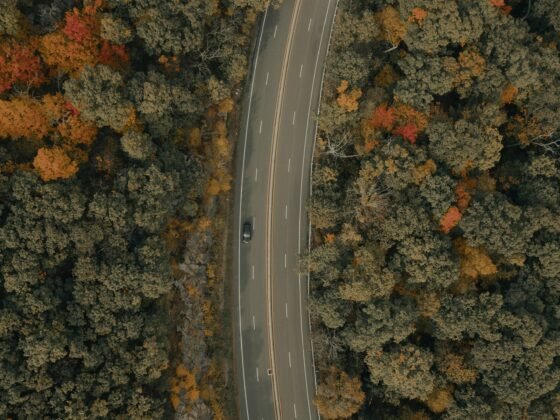
Photo by Daniel Pelaez Duque on Unsplash