

Carbon for Conservation

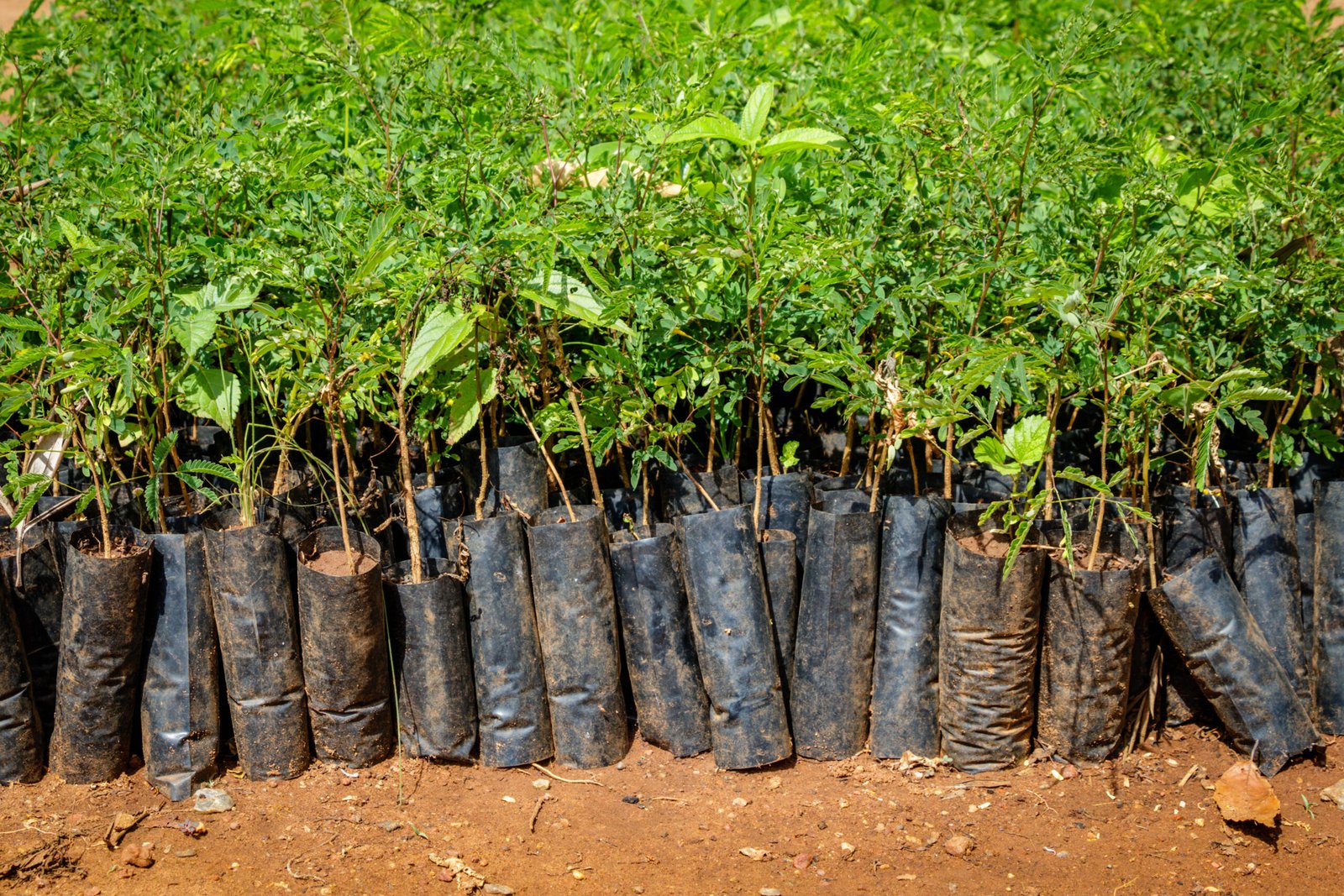
Our Carbon for Conservation scheme has a double benefit: the funds raised support tree-planting and re-wilding schemes, while also helping to establish/maintain vital habitats for some of the world’s most iconic species. It provides a tangible way to support frontline projects in the spirit of carbon offsetting, enabling them to safeguard and regenerate the green spaces of tomorrow.
You make a donation to us based on the carbon footprint of your flights (based on average values as outlined). These funds go to our projects to support their work.
Local people are employed by these projects, an additional bonus, as when communities benefit from conservation, conservation works.
Wildlife Worldwide with Explorers Against Extinction
Your journey. A contribution to the wild.
Estimate your flight footprint and make an optional contribution to frontline conservation.
Your contribution supports Explorers Against Extinction’s conservation work. It does not purchase carbon credits or cancel out your flight’s emissions.
How we calculate your estimate
Hours per person × the selected hourly rate × number of people ÷ 1,000 = total tonnes CO₂e. The suggested contribution is tonnes × £30.00. We calculate the contribution before rounding the displayed footprint, then round the payment to the nearest penny.
- Economy: 86.352 kg CO₂e per hour
- Premium Economy: 138.216 kg CO₂e per hour
- Business: 250.568 kg CO₂e per hour
- First Class: 345.488 kg CO₂e per hour
Default rates adapt the UK government’s 2026 long-haul cabin data, assuming 800 km travelled per airborne hour. They include a 1.7 multiplier on CO₂ for other aviation warming effects, plus the table’s other direct greenhouse gases. No extra distance uplift is added to this time-based distance estimate. Fuel production, airports and aircraft manufacture are excluded.
This long-haul reference is a broad approximation, particularly for short or domestic flights, different aircraft and connecting journeys. Total hours alone cannot identify individual flight lengths.
UK government source and methodology. The hourly conversion is our simplified model, not an official government hourly factor. The £30.00 rate is a voluntary fundraising rate, not the price of neutralising emissions.
This estimate is a guide, not a measured footprint or a carbon-neutrality claim.
Our Projects

Reforestation in action in Borneo – The Orangutan Foundation
To date we have paid for 12,500 saplings to be planted to restore destroyed rainforest. We have also funded the extension to their tree nursery meaning an extra 14,000 seedlings can be produced, doubling its capacity.
This years prolonged dry season brought devastating forest fires across parts of Borneo, including the Lamandau Wildlife Reserve, where July’s fires reached forest restoration areas. Many of the trees being raised and planted out through reforestation programmes are native ubar trees from the Syzygium genus. These fast-growing trees have fire-resistant qualities. This has proved crucial.
Monitoring has found ubar trees in fire-damaged areas already producing new shoots from their lower trunks – an encouraging sign of recovery. Forest fires remain a major challenge, but this is a powerful example of how thoughtful, science-led reforestation can help these restoration sites be more resilient to a changing climate.

Protecting primary Amazon and cloud forest, Ecuador
The Amarun Pakcha conservation area protects primary Amazon and cloud forest, providing habitat connectivity between lowland Amazon ecosystems and the Andean foothills. These forests now represent a critical refuge for wildlife and form the backbone of a growing corridor that safeguards biodiversity, water sources, and indigenous livelihoods. The threats come from clearance for larger scale farming and cocoa plantations
The project is based on the Eastern side of the Andes, in an area known as Wawa Sumaco, itself within the Sumaco National Biosphere Reserve, north of the Rio Huatarac that flows into the Amazon basin. A primary aim of the Foundation is to form a continuous corridor from the Sumaco National Park down to the river and then a similar corridor on the other side of the river to the Napo Galeras National Park.
It is home to Jaguar (NT), Jaguarundi, Puma, Ocelot, Margay (NT), Spectacled Bear (VU), Mountain Tapir (EN), Lowland Tapir (VU), White-lipped Peccary (VU), White-bellied Spider Monkey (EN), Woolly Monkey, Black-mantled Tamarin, and many more.