


Project: Feeding the Future – Milk, Elephants and Community in Northern Kenya
2026 Project Partner: The Sarara Foundation (TSF)
A community-led conservation initiative supporting orphaned elephants at Reteti Elephant Sanctuary while also empowering Samburu women through the Milk to Market program.
Find out more about The Sarara Foundation here.
Donate or Set up a Fundraising Page to support this project here.
The Sarara Foundation
The Sarara Foundation works to protect the 850,000-acre Namunyak Community Conservancy in northern Kenya, safeguarding its landscapes, wildlife, and the Indigenous Samburu communities who call it home.
Rooted in community-led conservation, the Foundation’s work spans three core pillars: education and health, wildlife and conservation, and enterprise development. These pillars recognise a simple truth: long-term conservation only succeeds when ecosystems, livelihoods, and local leadership are strengthened together.
The project supported by Explorers Against Extinction in 2026 sits at the intersection of wildlife conservation and enterprise development, strengthening both elephant protection and community resilience in a rapidly changing environment.
Namunyak Community Conservancy
Namunyak lies within the Mathews Range of northern Kenya, a rugged chain of forested mountains rising from arid lowlands. This dramatic landscape acts as a vital water catchment and biodiversity refuge in an otherwise harsh region.
The conservancy is home to nomadic Samburu pastoralists, Kenya’s second-largest elephant population, one of the country’s most robust population of reticulated giraffe, and endangered species including Grévy’s zebra, lion, leopard, hyena, and kudu.
Yet this landscape is under increasing pressure. Climate change, prolonged drought, habitat degradation, and rising human-wildlife conflict are placing strain on both wildlife and pastoralist communities. As resources become scarcer, elephants moving between seasonal ranges face greater risk, and conflict intensifies.
Conservation here depends on locally driven solutions and sustained investment.
Reteti Elephant Sanctuary
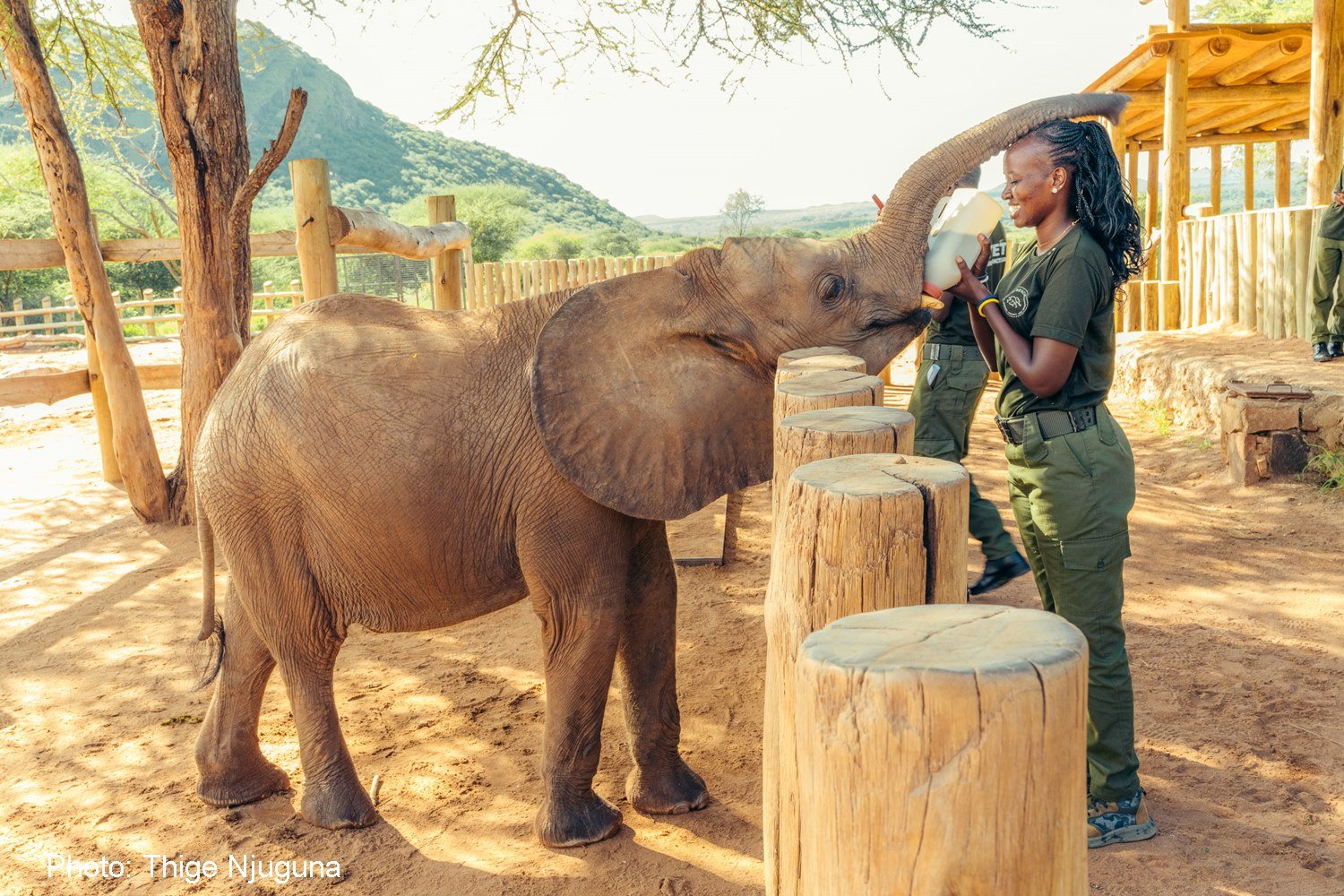
Located within Namunyak Conservancy, Reteti Elephant Sanctuary is the first community-owned and community-run African elephant sanctuary.
Reteti rescues and rehabilitates orphaned elephant calves, with the long-term aim of returning them to the wild. To date, 23 elephants have been successfully released back into Namunyak Conservancy (in four releases), with 2024’s historic release herd of 13 now more than 650 days wild.
Between 10 and 25 calves are rescued each year in northern Kenya due to drought, human-wildlife conflict, accidents at man-made wells, and natural mortality.
Elephants are keystone species, shaping landscapes by opening up habitat, dispersing seeds, and influencing water availability for countless other species. Protecting them safeguards entire ecosystems.
Reteti demonstrates that conservation can work when communities are directly involved in wildlife protection.
Milk to Market
There are currently over 45 orphaned elephant calves at Reteti. Each calf drinks eight bottles of milk per day, making milk supply one of the sanctuary’s most critical and costly operational needs.
The Milk to Market programme emerged during the Covid-19 pandemic, when global supply chains were disrupted and imported milk formula became difficult to obtain.
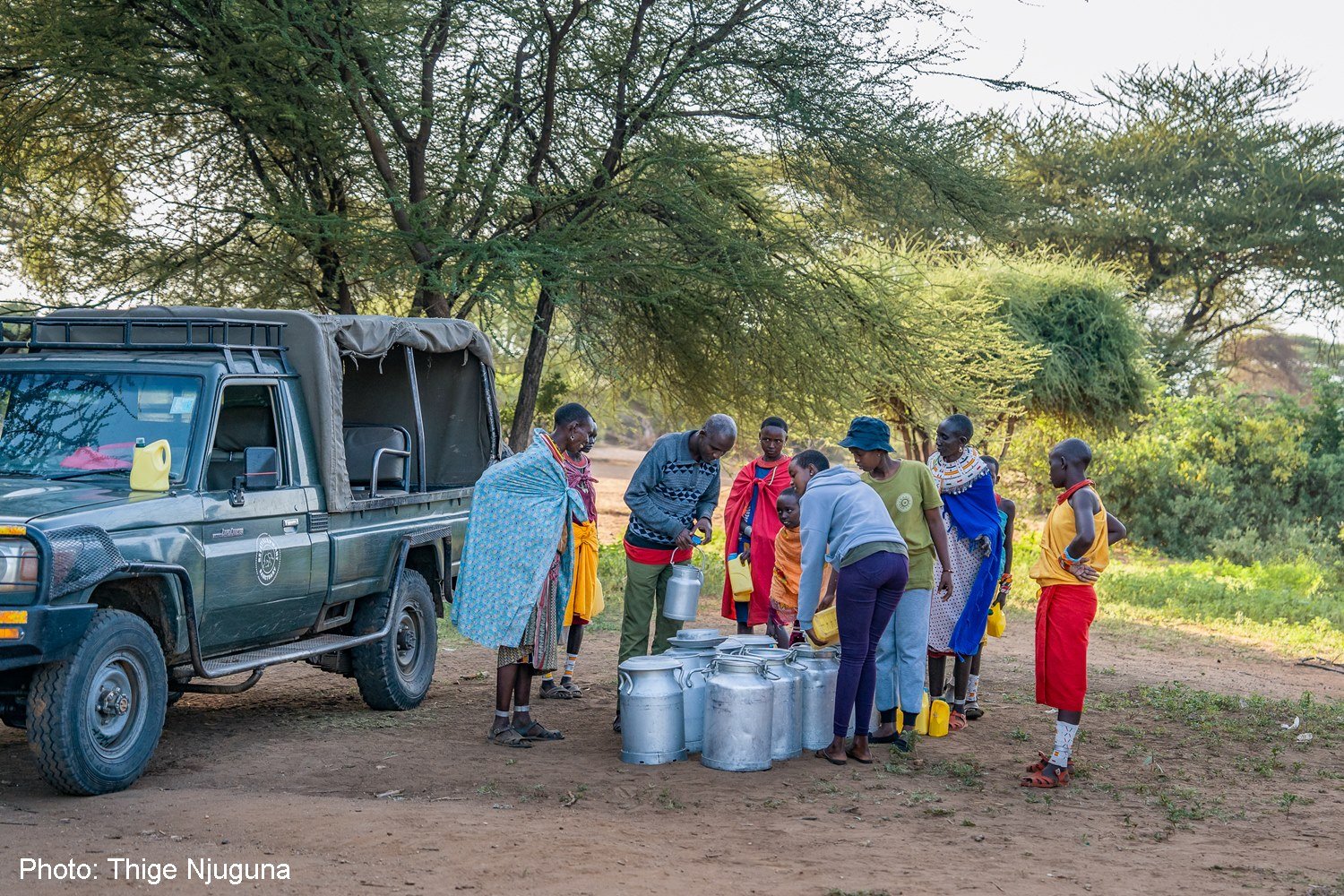
Faced with this challenge, Reteti turned to local knowledge. Samburu women began supplying fresh goat’s milk to the sanctuary. What started as a crisis response quickly evolved into a transformative conservation model.
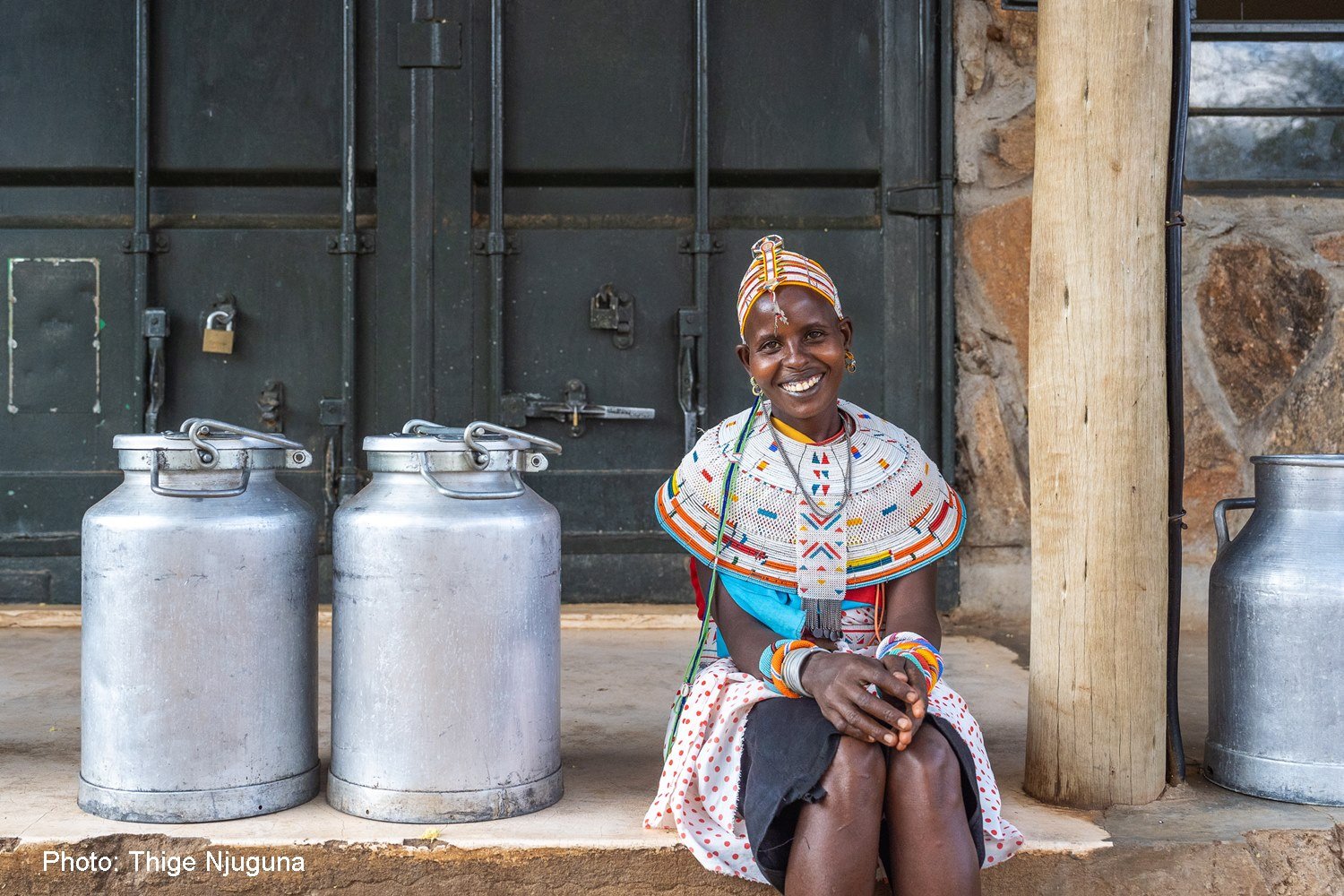
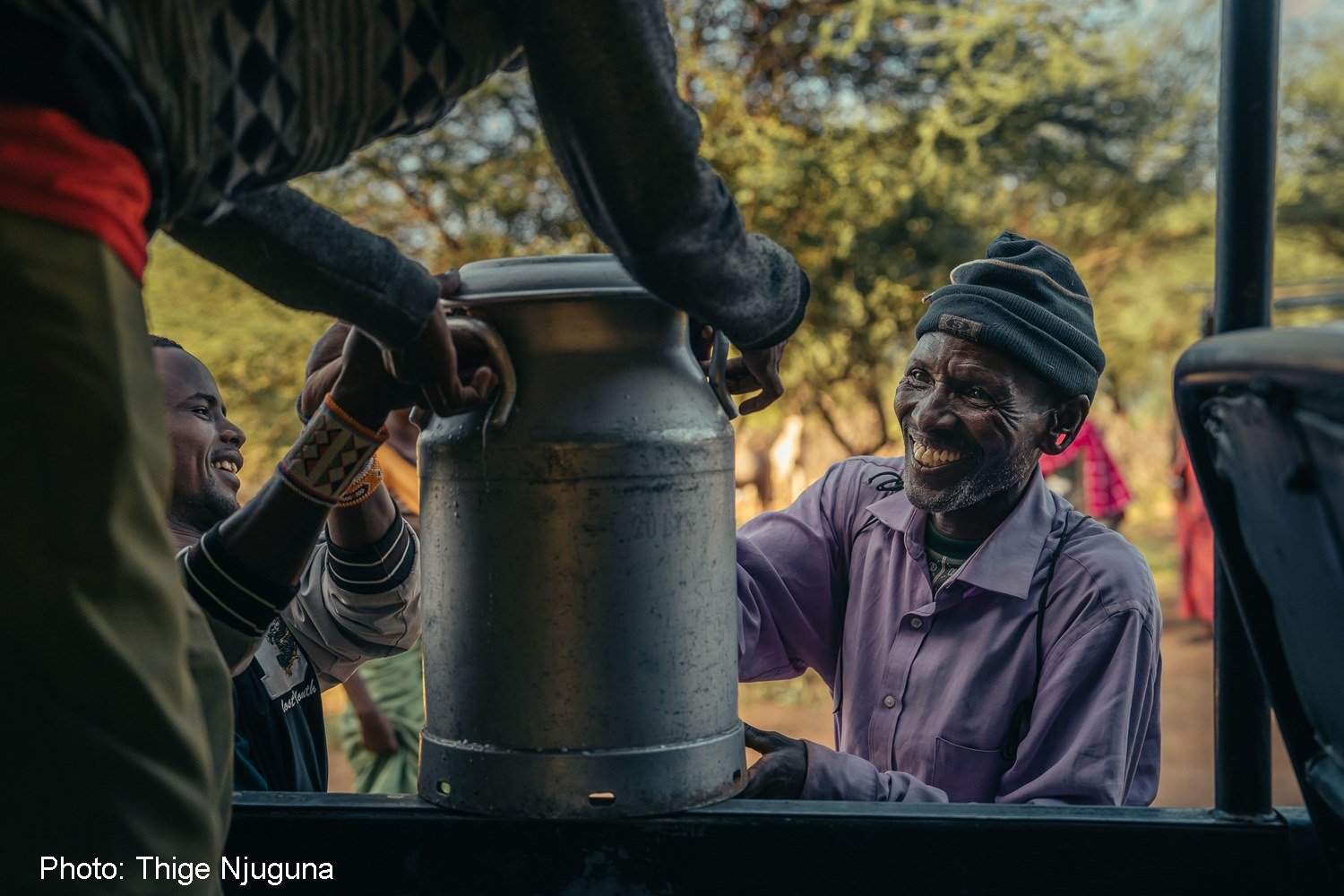
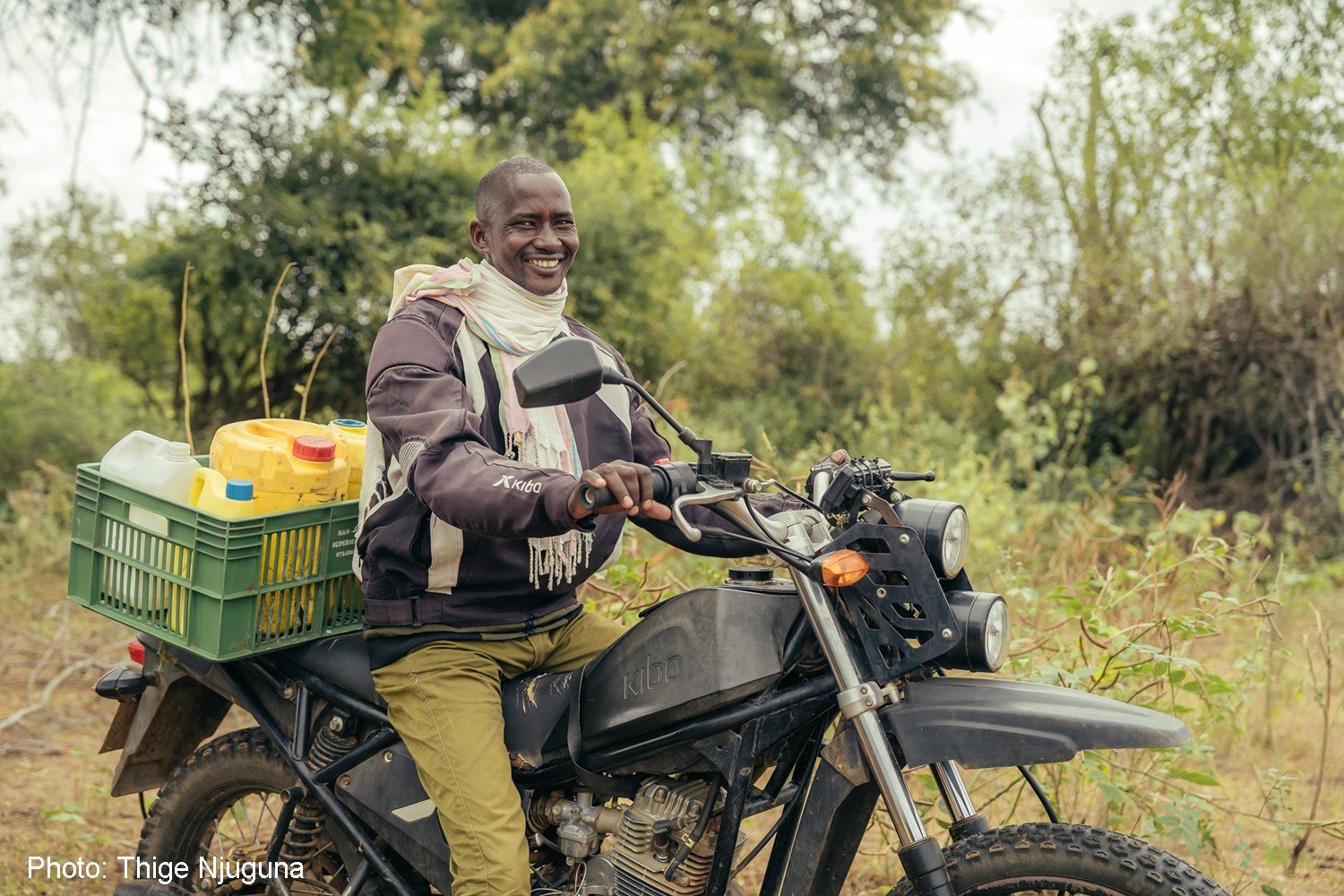
Today, Milk to Market supports over 1,245 Milk Mamas across 21 manyattas, who collectively supply approximately 680 litres of goat’s milk per day. A team of 22 motorcycle (boda-boda) riders collects and delivers milk from remote settlements to the sanctuary.
Locally sourced goat milk has proved not only effective, but superior to imported formula. By switching to local supply, Reteti has reduced its milk budget by approximately $45,000 per month, while significantly lowering its carbon footprint.
The programme does far more than feed elephants. It provides reliable income, recognition, and independence for Samburu women. Savings from formula imports can be redirected into community initiatives, including training in holistic land management and improved animal husbandry practices across the rangelands.
Milk to Market directly links elephant survival with community resilience.
The Milk Handling and Pasteurisation Unit
As Milk to Market has grown, so too has the volume of milk arriving daily at Reteti. What began as an emergency solution is now a permanent and central component of elephant care.
To protect calf health and ensure long-term programme resilience, milk must be received, tested, pasteurised, cooled, and stored under strict hygienic conditions from the moment it arrives.
At present, handling relies on limited and improvised facilities. As volumes increase, purpose-built infrastructure is essential.
Explorers Against Extinction aims to fund the establishment of a container-based milk handling and pasteurisation unit at Reteti. This one-off capital investment will create a dedicated, hygienic hub for safe milk processing at the point of delivery.
By strengthening this critical link in the supply chain, the project helps to safeguard elephant health, protect community livelihoods, and ensure that Milk to Market remains scalable, transparent, and sustainable.
Visit
The Mathews Range is one of Kenya’s most beautiful and least-visited landscapes, where forested mountains rise above sweeping savanna and wildlife moves between rugged valleys.
If you are interested in visiting this remarkable region, including a visit to Reteti Elephant Sanctuary, do explore our travel programme or get in touch with us.
All journeys are tailor-made around you and your interests.