

Project: Forest Frontline – Human-Elephant Coexistence in Gabon
2026 Project Partner: Space for Giants (SFG)
Space for Giants is an international conservation organisation working across Africa to protect and restore landscapes for people and wildlife, including forest elephant conservation initiatives in Gabon.
Donate or Set up a Fundraising Page to support this project here.
Space for Giants
Space for Giants works across Africa’s most important conservation landscapes to secure long-term protection for wildlife while strengthening economic and social outcomes for local communities.
With over 20 years of experience addressing human–elephant conflict across the continent, SFG combines conservation science, frontline protection, legal reform and community engagement to create practical, scalable solutions. In Gabon, that experience is focused on safeguarding one of the most significant remaining populations of forest elephants anywhere in Africa.
Forest Elephants
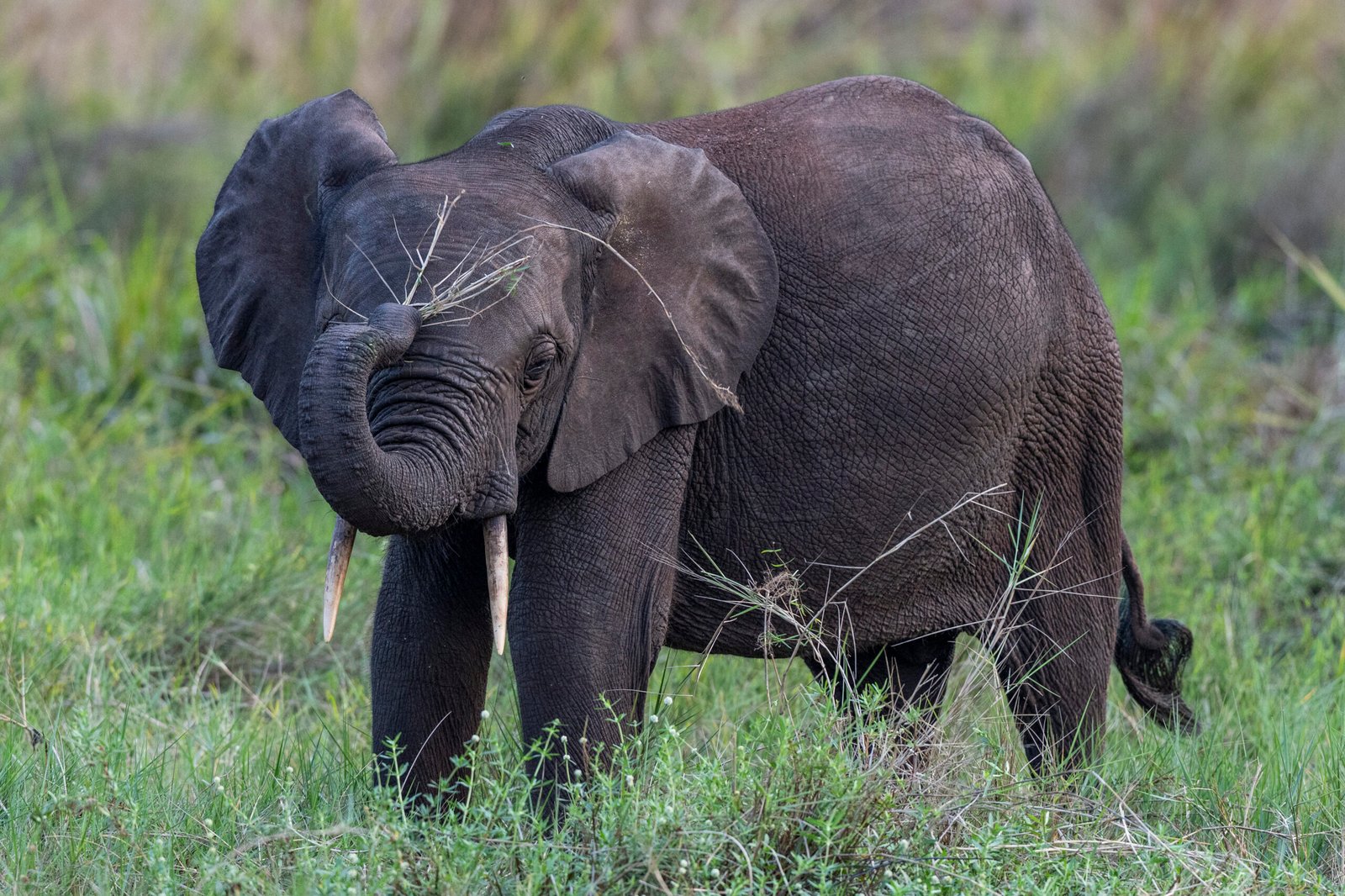
Forest elephants are listed as Critically Endangered on the IUCN Red List. Unlike their savannah counterparts, forest elephants inhabit the dense tropical rainforests of the Congo Basin in Central Africa and parts of West Africa, including Gabon, Cameroon, the Democratic Republic of the Congo, the Central African Republic, and small populations in Côte d’Ivoire and Ghana.
Between 1991 and 2021, an estimated 86 percent of the forest elephant population was lost to poaching, habitat loss and due to political instability.
Forest elephants are smaller than savannah elephants, slower breeding and harder to monitor. They are also ecological engineers. By dispersing seeds and shaping forest structure, they help maintain the health and carbon storage capacity of Africa’s equatorial rainforests. Their loss would fundamentally alter these ecosystems.
Today, their survival depends on a small number of remaining strongholds.
Elephants in Gabon: A Different Story
Gabon is unlike most elephant range states.
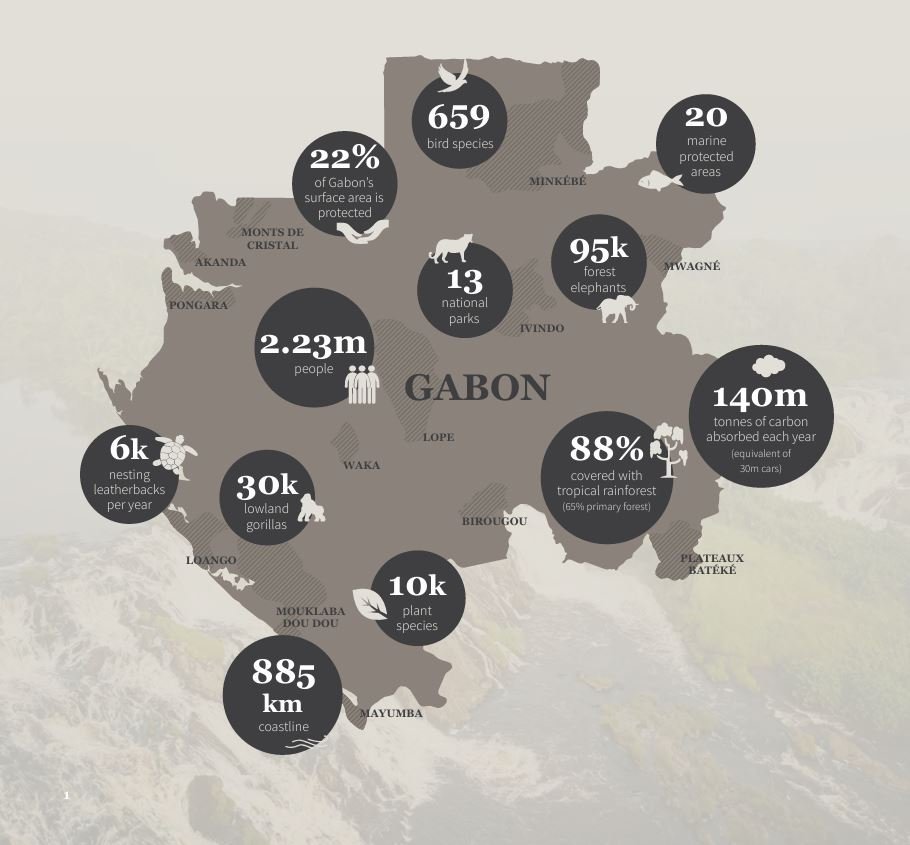
Eighty-eight percent of the country remains covered in tropical rainforest, much of it primary forest, with more than one fifth of the land surface protected within national parks and reserves. Yet forest elephants in Gabon are not confined to protected areas. They roam across 98 percent of the national territory, moving through forests, villages and farmland.
While forest elephant populations declined dramatically across Central Africa, Gabon’s population has risen in recent decades. The country now supports approximately 95,000 forest elephants — around 70 percent of Africa’s remaining population.
Gabon is not immune to poaching or illegal trade. However, as the last great stronghold for the species, the greatest long-term challenge is no longer solely protection from ivory trafficking, it is coexistence. If forest elephants are to survive in the wild, coexistence must work here.
Gabon and Its People
Gabon’s population is small, just 2.23 million people. The majority live in urban centres such as Libreville and Port-Gentil. Only around 10 percent remain in rural forest communities, often in scattered villages along rivers and remote roads.
Infrastructure is extremely limited. Many rural communities lack reliable road access and basic services. The same conditions that have helped preserve Gabon’s forests also isolate the people who live within them.
Subsistence agriculture dominates rural livelihoods. Around 65 percent of households depend on small-scale, low-input farming, typically cultivating plots averaging just 1.5 hectares. Crops such as cassava and plantain provide both food and income.
In this context, the impact of elephants on crops can be economically devastating.
Human–Elephant Conflict
Human–elephant conflict has escalated in recent years. Ninety-one percent of farmers report experiencing crop raiding within the past year, with thousands of incidents recorded annually. Human fatalities have occurred, and elephants are also killed each year in retaliation or self-defence.
For rural families, a single night of crop loss can undermine an entire season’s income. For elephants, resentment and retaliation represent a growing threat to long-term survival. Without practical, affordable solutions, conservation success risks losing public support.
A Proven Solution: The Single-Strand Fence
Space for Giants has developed and deployed an innovative mobile electric fence designed specifically for forest elephants. The system is simple: a single electrified strand delivering a short, non-lethal shock. For elephants encountering it for the first time, the experience is memorable and usually sufficient to deter repeat attempts.
The results have been striking:
Around 95 percent effectiveness in preventing crop raiding
Hundreds of documented elephant interactions, with the vast majority successfully repelled
Farmers reporting improved harvests and renewed confidence
Strong local support for expansion
What was once economically ruinous crop loss becomes a manageable boundary. Importantly, the fence is affordable, practical and adaptable to rural conditions. It reduces retaliatory killing, strengthens food security and rebuilds trust between communities and conservation authorities.
Reaching Remote Farms
One of the greatest barriers to scaling this solution is infrastructure. Many forest communities are inaccessible by road. Farms can only be reached by river or rough tracks. Transporting fencing equipment and monitoring sites is slow, expensive and logistically challenging.
The team on the ground has identified the urgent need for a project boat, estimated at approximately £15,000, to improve access to remote villages. Improved access will allow SFG teams to install fences more efficiently, expand protection to the most isolated communities and ensure long-term effectiveness.
The project has additional needs. As awareness of the fence’s success spreads, requests for support are increasing beyond current capacity. Camera traps are also essential to strengthen monitoring and evaluation of fence performance.
Funds raised for this project will be directed towards specific operational needs, namely contributing to the procurement of a boat and/or additional camera traps.
Ecotourism and the Future
Gabon remains one of Africa’s least visited wildlife destinations.
With vast intact rainforest, forest elephants and lowland gorillas, the country has significant potential for carefully managed ecotourism.
If developed responsibly, tourism could provide jobs, generate revenue for rural communities and reinforce the economic value of wildlife. As park management improves and infrastructure develops, conservation-linked tourism may offer an additional pathway towards coexistence, helping communities see the forests and the wildlife it supports, not as a threat, but as a long-term asset.
Why This Matters
Gabon is one of the only countries in Africa where forest elephant numbers have risen in recent decades.
Keeping it that way depends not only on protecting elephants, but on supporting the people who live alongside them. Practical solutions that secure crops, reduce retaliation and strengthen livelihoods are essential to ensuring that Gabon remains a true stronghold for forest elephants.
Images courtesy of Space for Giants; Thomas Nicolon; Sergey Uryadnikov
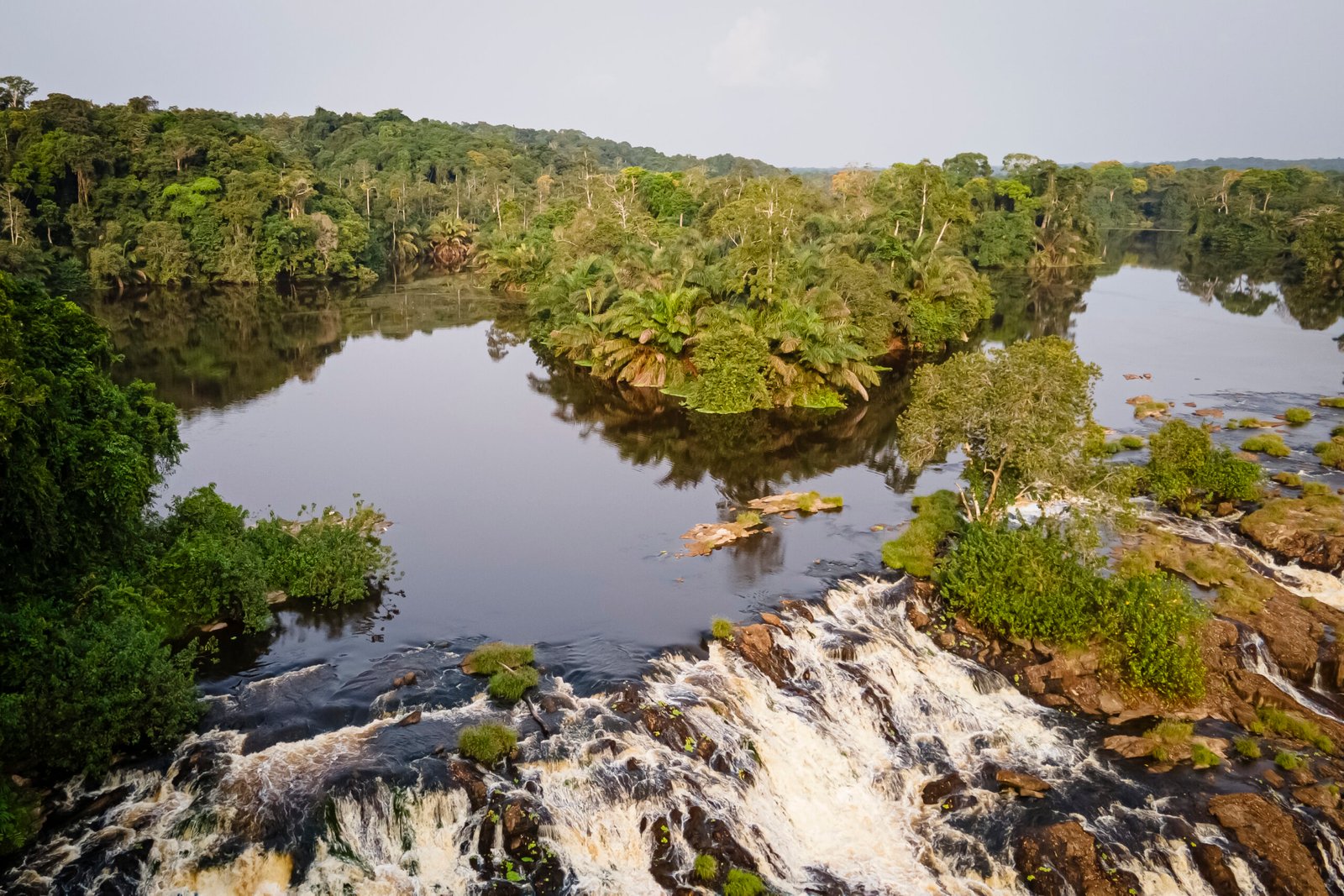
Ivindo River and Koungou Waterfalls, Ivindo National park, North Gabon. Image credit - SFG, Makokou
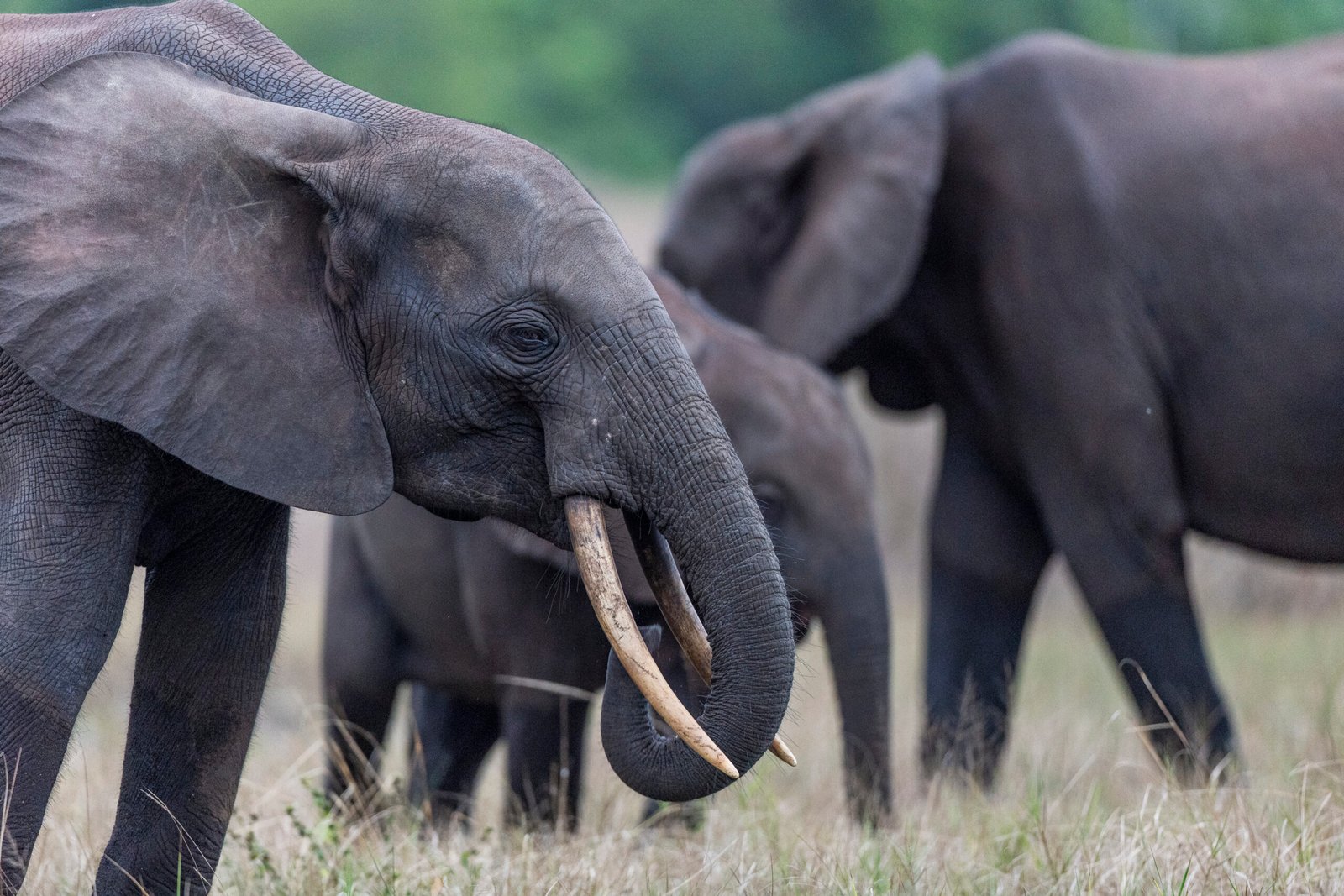
Forest elephants, Gabon. Image credit - Thomas Nicolon
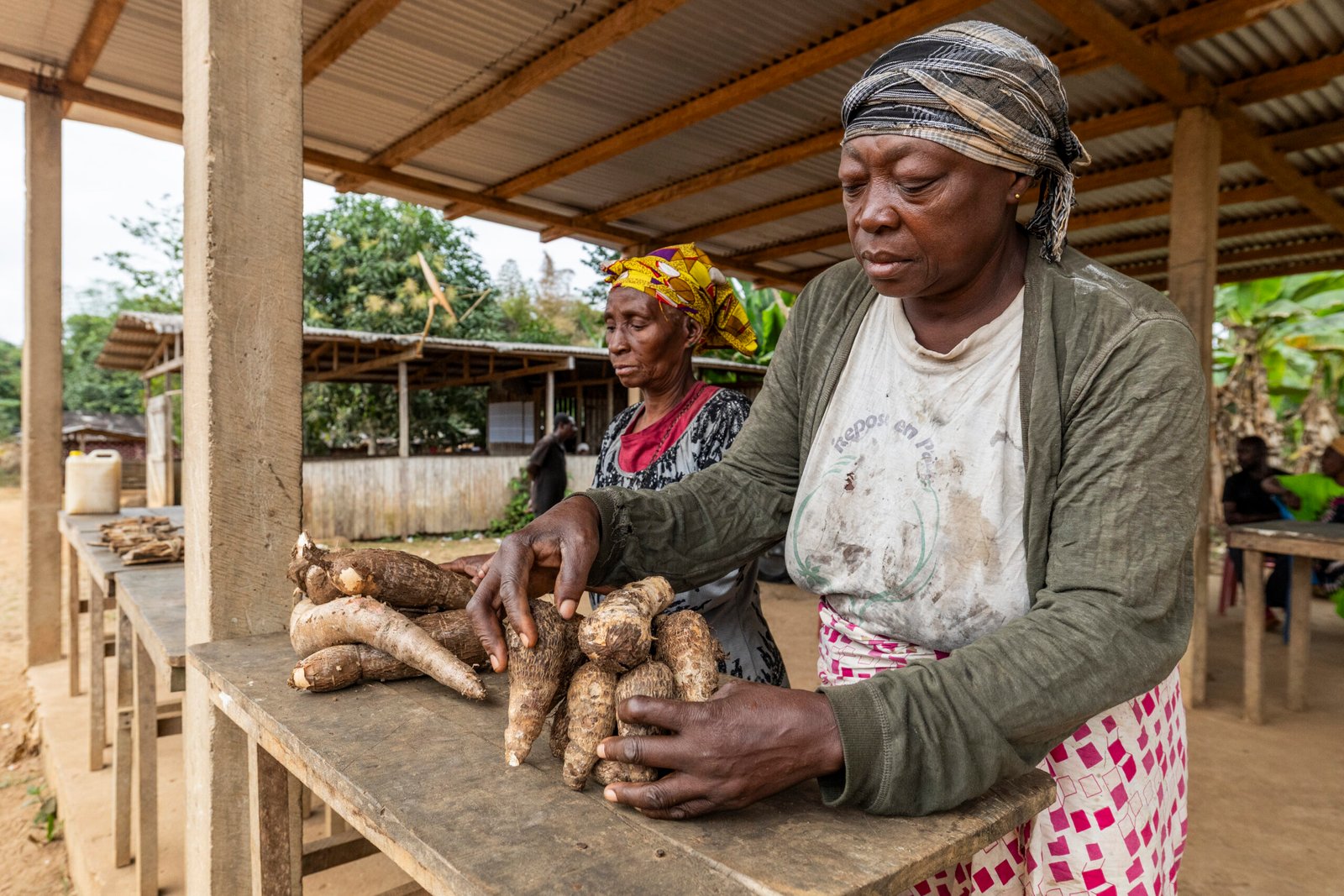
Image credit: Thomas Nicolon
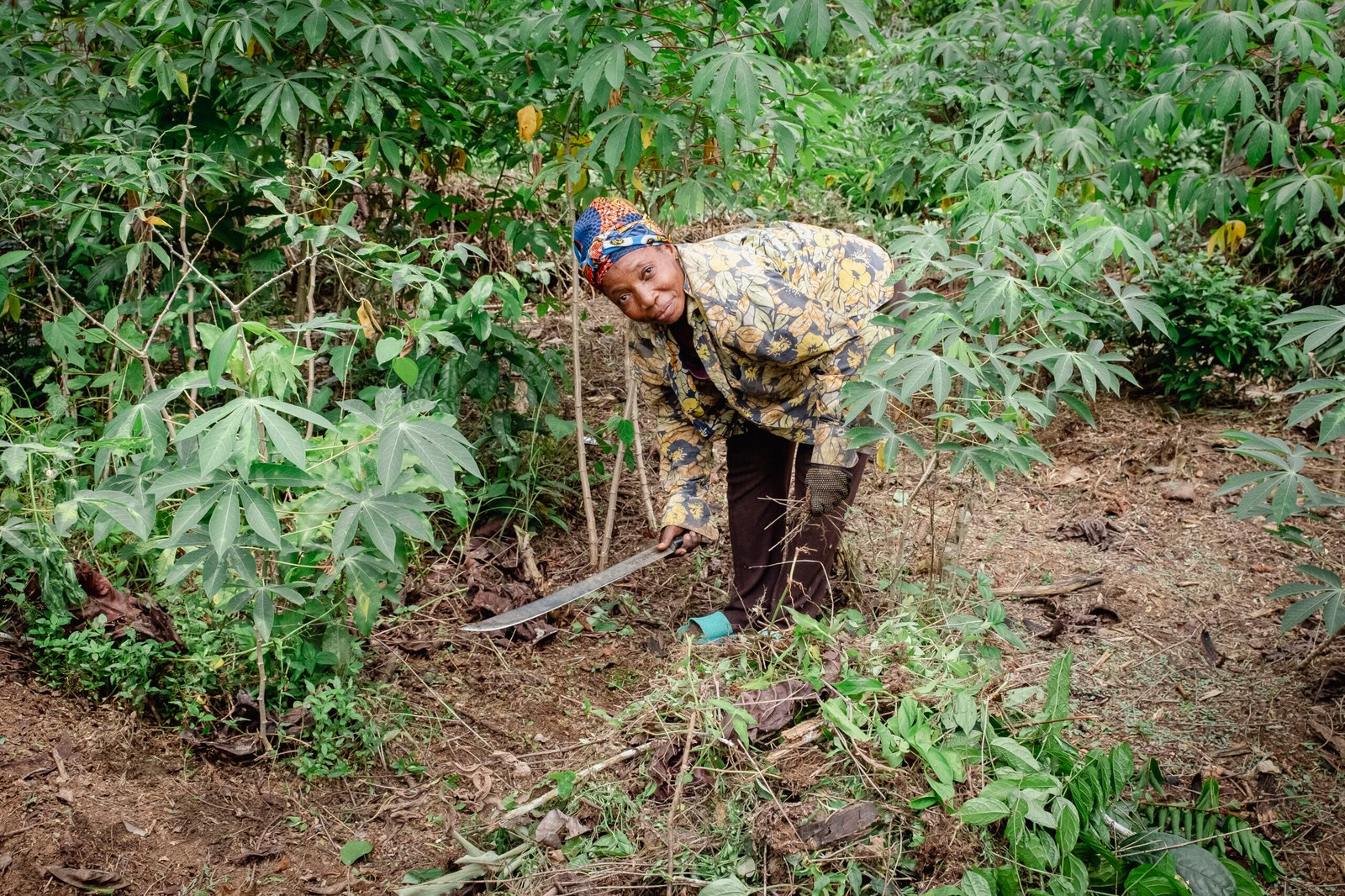
Ndzongo Andoum Angele, 50, a female farmer and a mother of five children. Nchete Village, Ogooué-Ivindo Province, Gabon. Image credit - SFG, Makokou
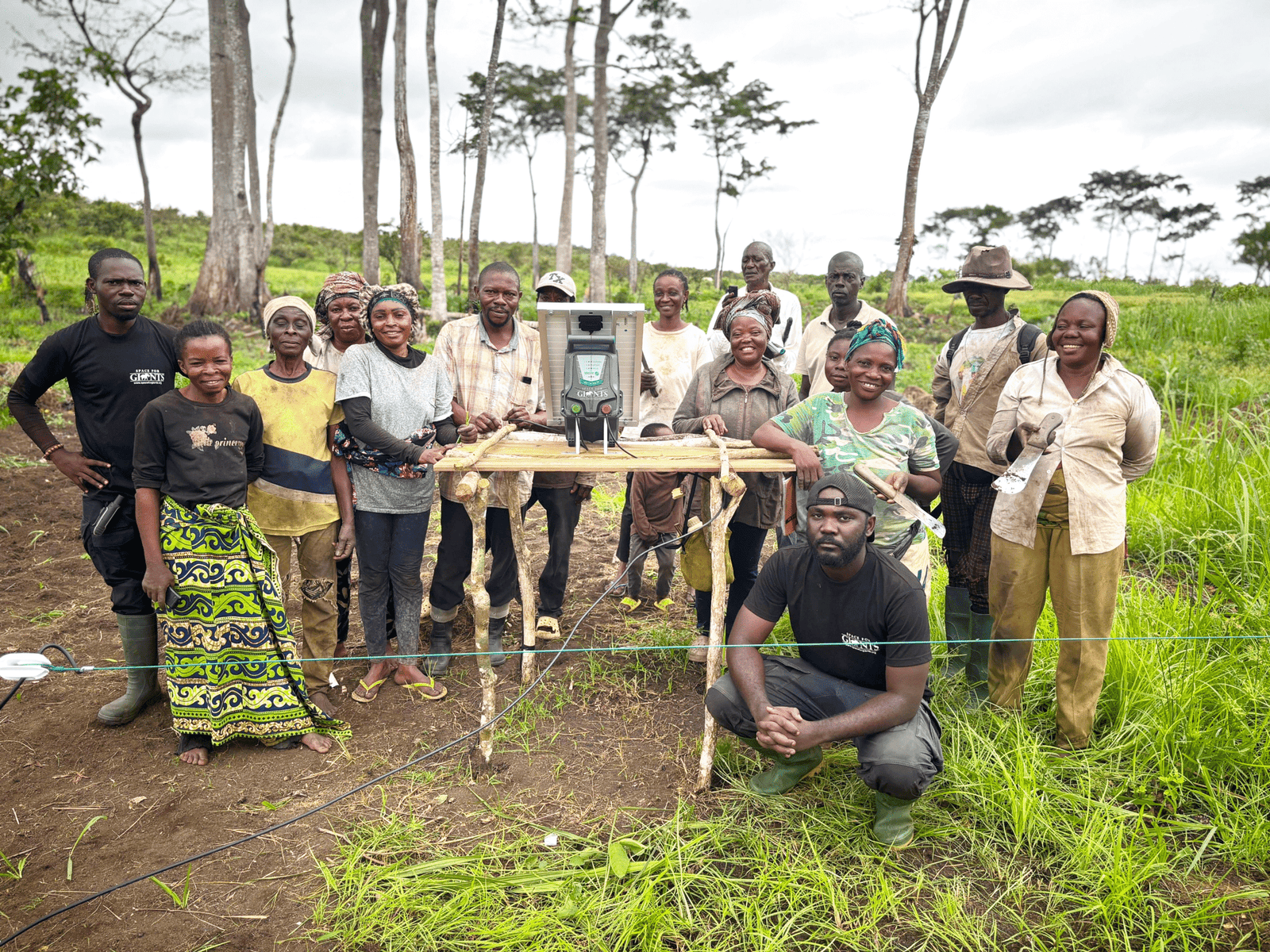
Image credit - SFG
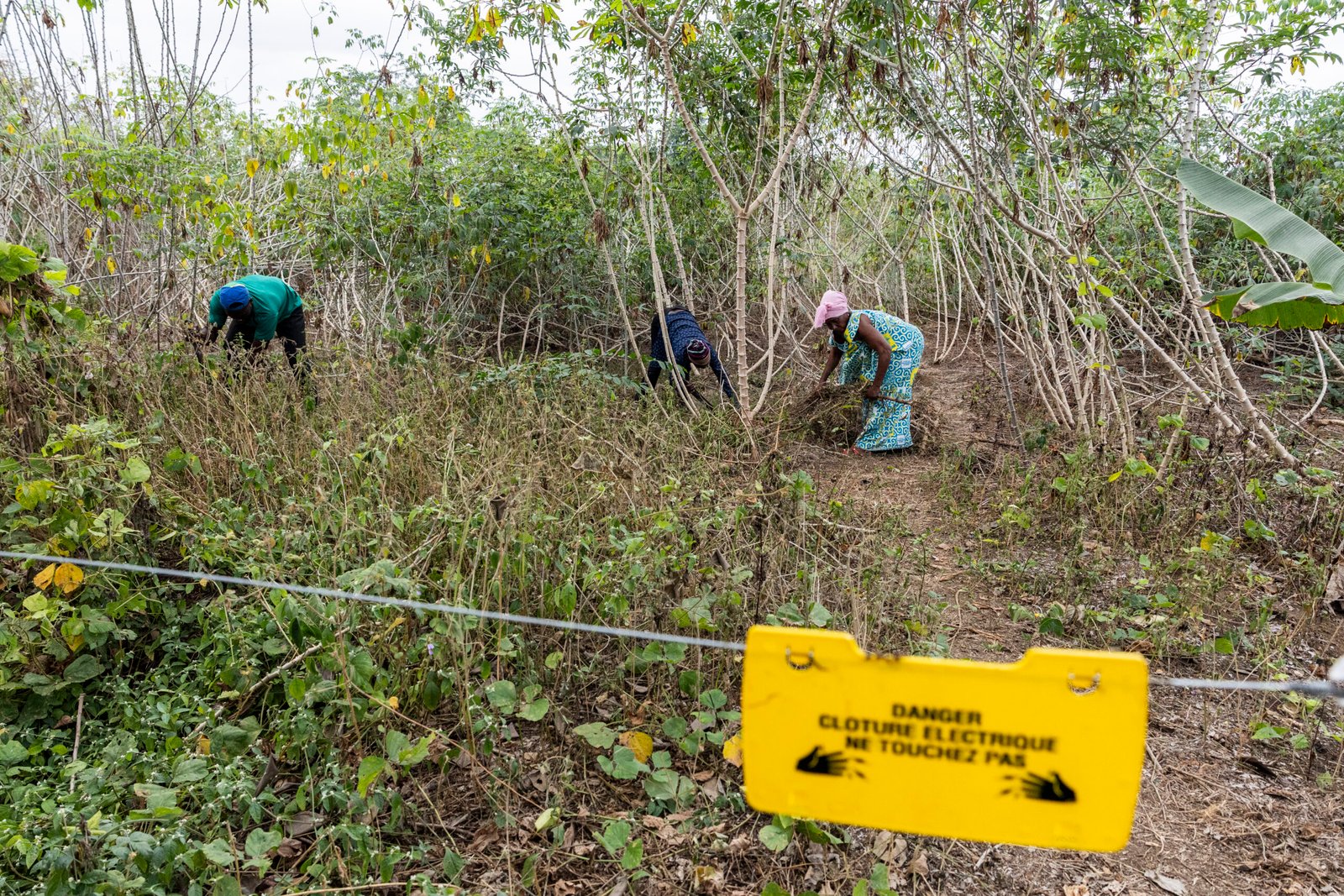
Image credit - Thomas Nicolon
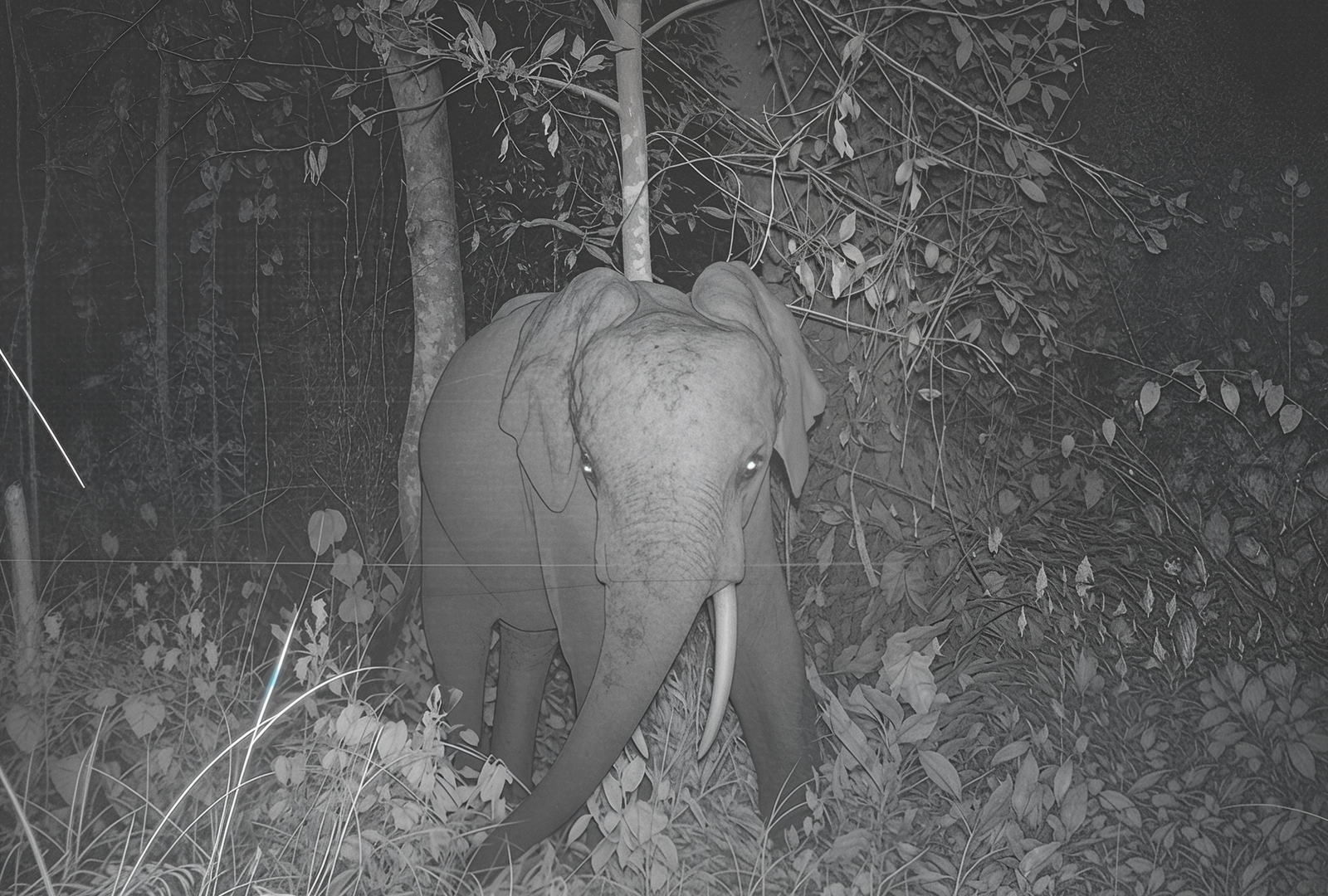
Image credit - SFG
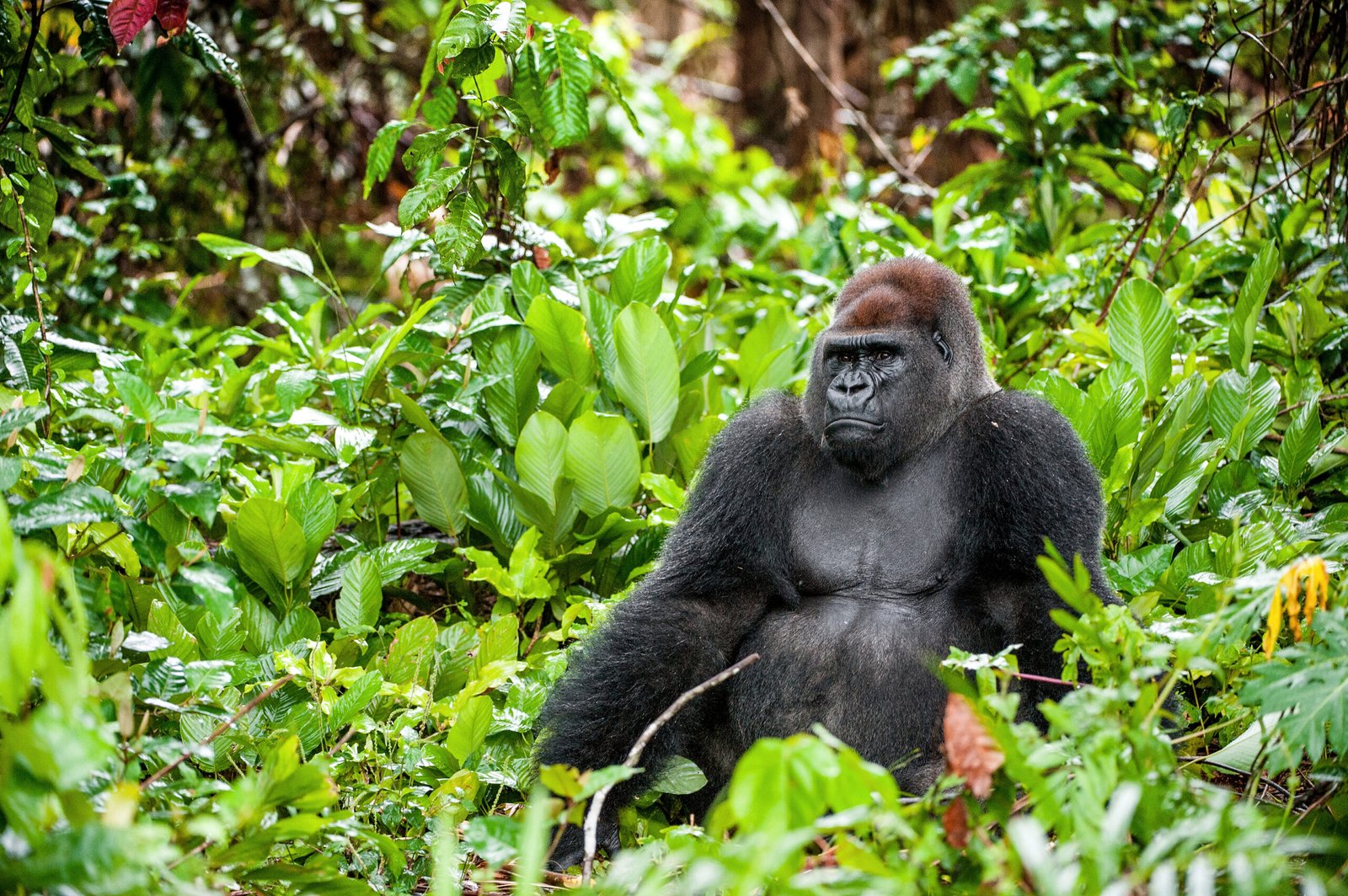
Lowland Gorilla. Image credit - Sergey Uryadnikov
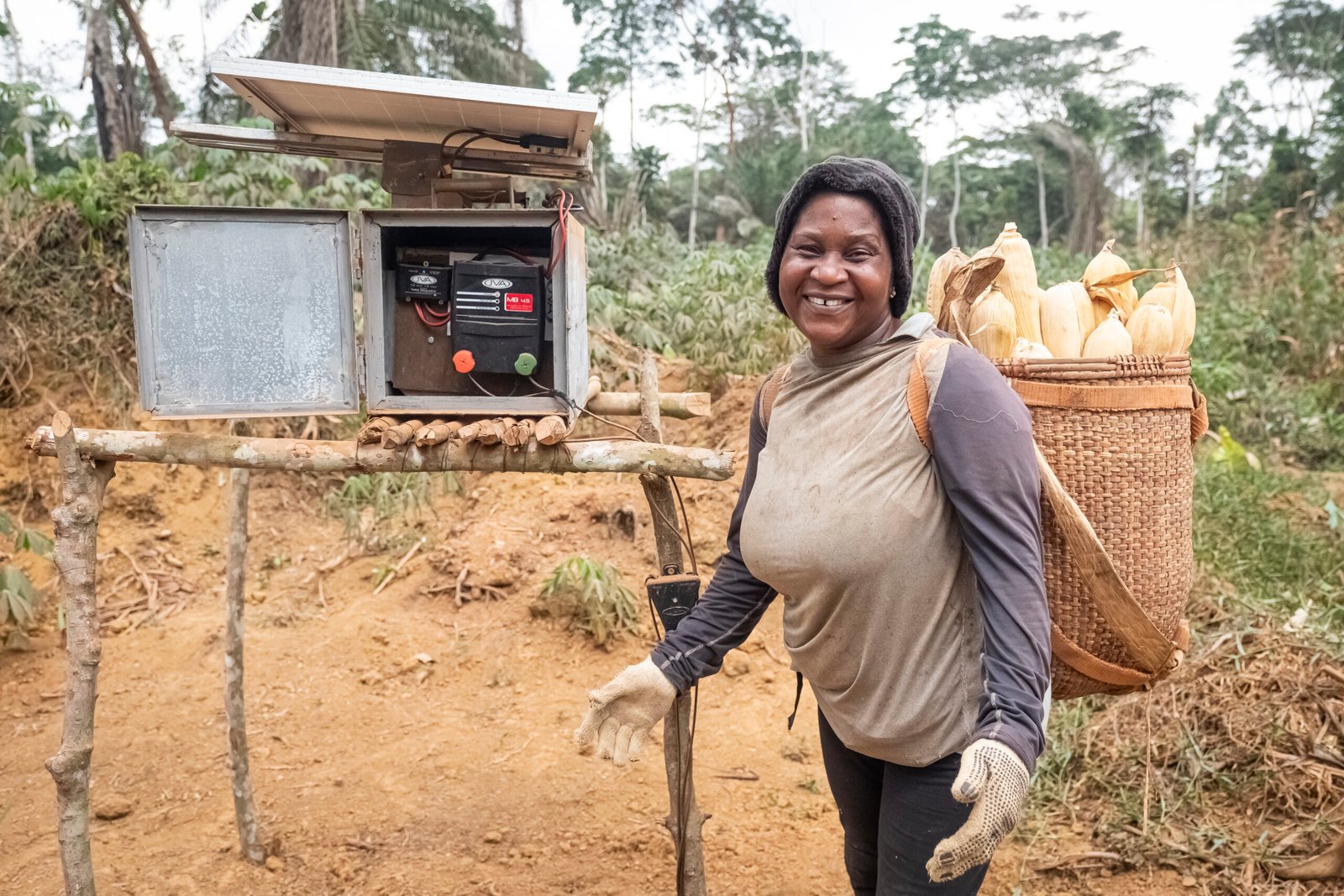
Basoua Josephine, 46, from Lata Village, posing for a photo with a basket full of corn from her plantation, which is now protected from the elephants by an electric fence. Image credit - SFG, Makokou