
Project: Mountain Guardians – red panda monitoring and ranger training in Kanchenjunga
2025 Project Partner: Red Panda Network (RPN)
Red Panda Network is committed to the conservation of wild red pandas and their habitat through the education and empowerment of local communities.Find out more here Red Panda Network (RPN)
Donate or Set up a Fundraising Page to support this project here.
Red Panda Network (RPN)
Red Panda Network is a non-profit organisation dedicated to the conservation of red pandas and their habitat in the Eastern Himalayas. Founded in 2007, the organization operates primarily in Nepal but also engages in conservation activities across red panda ranges in Bhutan. Their work focuses on preserving the forests where red pandas live, which are crucial not only for the species’ survival but also for the ecological health of the region. The organization employs a community-based approach, involving local people in conservation efforts through education, sustainable livelihood initiatives, and anti-poaching activities. RPN also conducts scientific research to better understand red panda behaviour and ecology, which informs their conservation strategies. RPN aims to achieve long-term preservation of the red panda and its natural environment.
Protecting Red Pandas in the Heart of the Himalayas
In 2025, Explorers Against Extinction is supporting the Red Panda Network’s work in the Kanchenjunga Conservation Area (KCA) of eastern Nepal — one of the last remaining strongholds for the endangered red panda and a landscape of exceptional biodiversity.
This follows our 2024 support for RPN’s Plant a Red Panda Home initiative, which focused on reforesting degraded habitat in eastern Nepal’s Panchthar–Ilam–Taplejung (PIT) corridor. That project helped restore vital bamboo and forest cover, creating new habitat and natural corridors for wildlife.
Our 2025 partnership builds on that success, shifting the focus north into the Kanchenjunga Conservation Area to strengthen wildlife monitoring and ranger training as Nepal works towards designating its first UNESCO Biosphere Reserve.
Focus for 2025: Wildlife Monitoring and Ranger Training
Funding in 2025 will support wildlife monitoring and ranger training within the Kanchenjunga Conservation Area, strengthening protection for red pandas and other threatened mountain species.
Key activities include:
-
Camera Trap Surveys: Expanding the network of camera traps to improve understanding of red panda distribution, behaviour, and population trends. Data gathered will inform future conservation action and track the effectiveness of habitat management.
-
Ranger Capacity Building: Supporting the training of local rangers and citizen scientists in wildlife monitoring, GPS mapping, and anti-poaching patrols. Strengthening local capacity ensures that conservation remains community-led and sustainable.
-
Community Engagement: Continuing RPN’s long-standing community-based approach by working closely with local villages, herders, and forest user groups to promote coexistence and protect forest corridors.
These efforts contribute directly to the broader vision for the KCA: a model landscape where people and wildlife thrive side by side — and one that meets UNESCO’s criteria for biosphere reserve status through integrated conservation and sustainable livelihoods.
The Red Panda
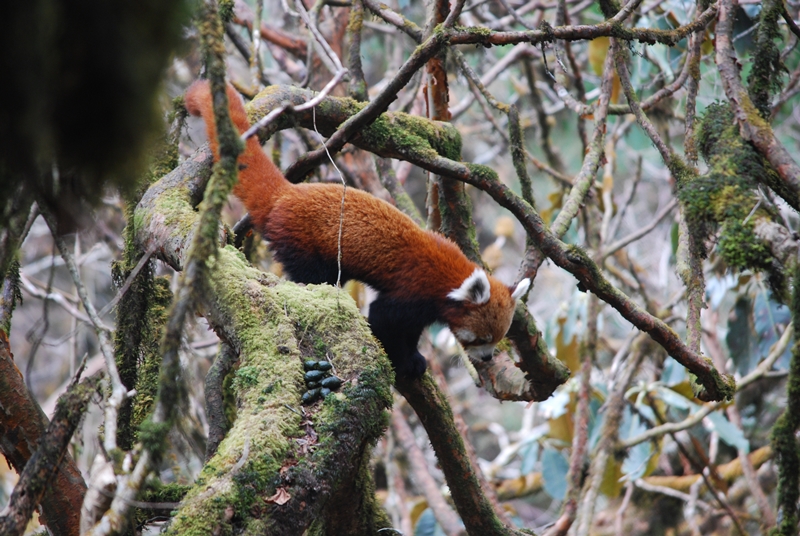
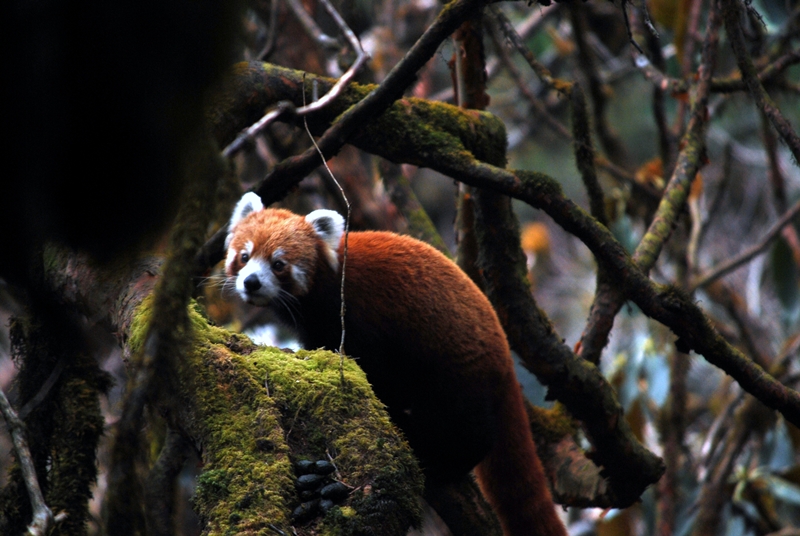
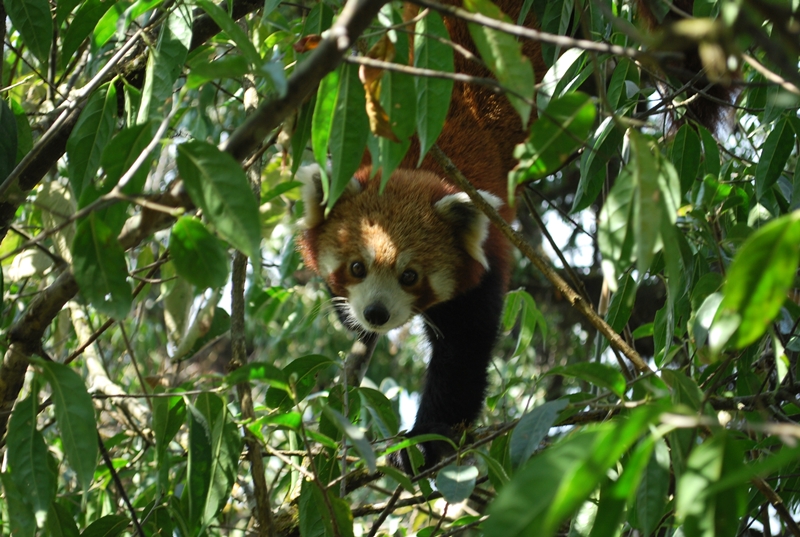
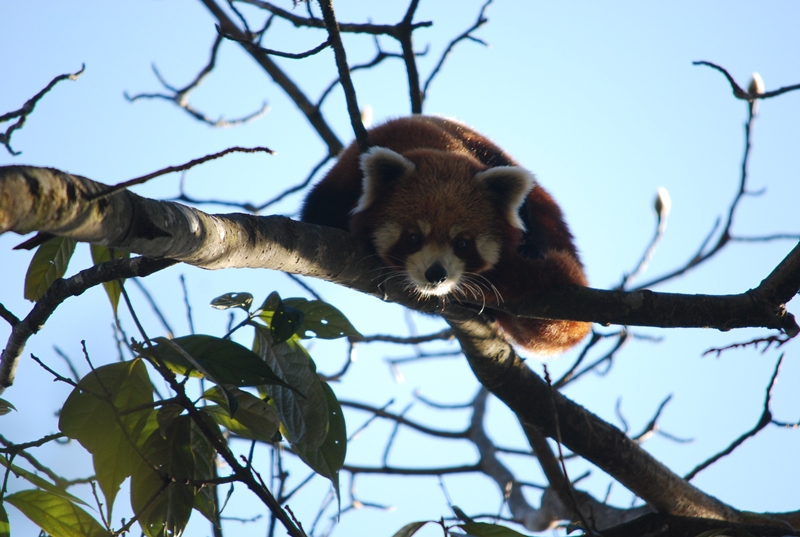
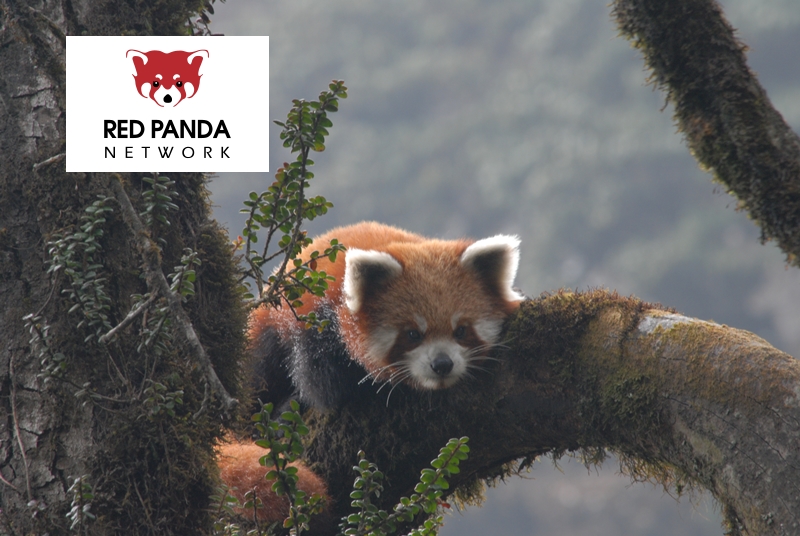
Red pandas (Ailurus fulgens) are small, tree-dwelling mammals native to the temperate forests of the eastern Himalayas. Recognisable by their russet coats and long, ringed tails, they are the only living members of their taxonomic family.
Listed as Endangered by the IUCN, red pandas face serious threats from deforestation, habitat fragmentation, poaching, and climate change. Their dependency on bamboo makes them particularly vulnerable to environmental shifts. In Nepal, fewer than 1,000 individuals are thought to remain in the wild.
The Kanchenjunga Conservation Area
Covering more than 2,000 km², the Kanchenjunga Conservation Area (KCA) is Nepal’s first community-managed conservation area, co-managed by the Kanchenjunga Conservation Area Management Council (KCAMC) and the Department of National Parks and Wildlife Conservation.
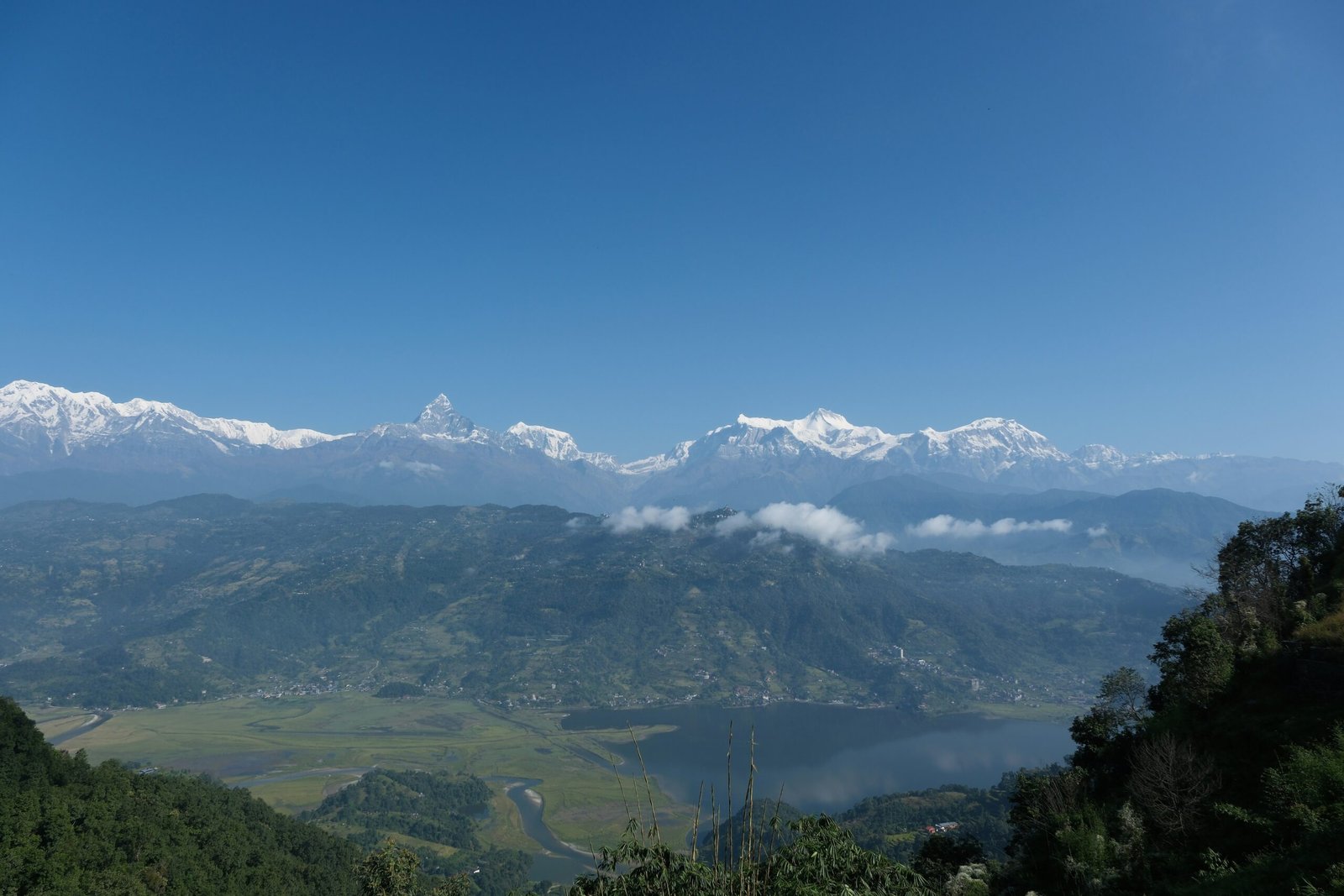
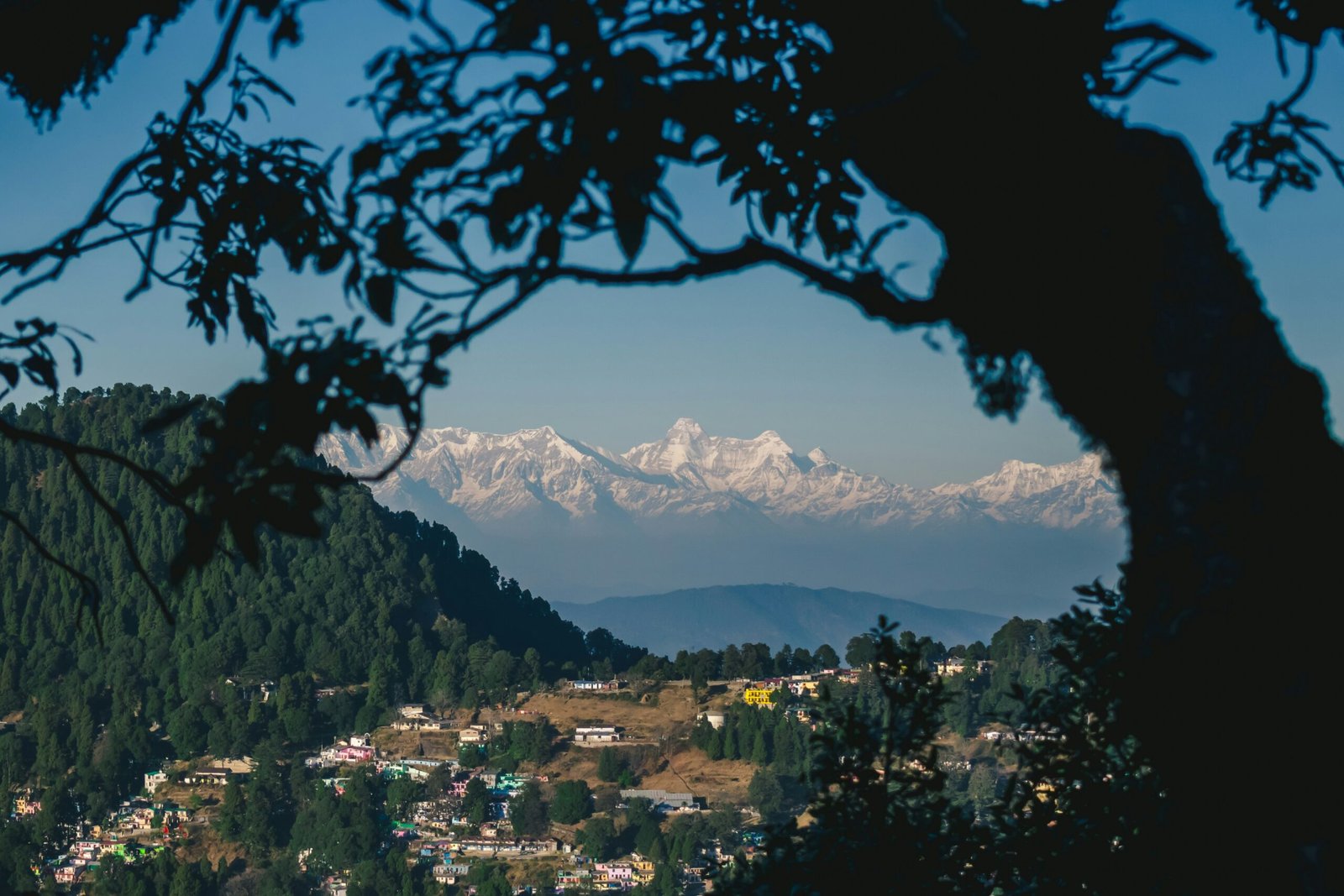
The area’s altitudinal range — from subtropical valleys to the glaciers beneath Mount Kanchenjunga (8,586 m) — supports a remarkable array of habitats. For red pandas, the KCA offers high-altitude forests of fir, oak, and rhododendron rich in bamboo — their preferred food and shelter.
The KCA forms part of the wider Kanchenjunga Landscape, which also includes Makalu-Barun National Park to the southwest — an ecological mosaic that Nepal hopes will become the country’s first UNESCO Biosphere Reserve.
A Landscape of Hope
By supporting wildlife monitoring, ranger training, and community engagement in the Kanchenjunga Conservation Area, this project helps secure the future of the red panda while contributing to Nepal’s goal of establishing its first UNESCO Biosphere Reserve — a living model of harmony between people and nature in one of the most spectacular corners of the Himalayas.
Images courtesy of Sonam Tashi Lama and Saroj Magar / RPN; Aman Upadhyay; Aritra Roy; Walter Coppola