
Argentina
Argentina
Argentina is a country of dramatic contrasts and remarkable wildlife. From the glacier-carved wilderness of Patagonia to the vast wetlands and lush subtropical forests of the north, its immense landscapes offer a wonderful sense of adventure and some of South America’s most memorable wildlife encounters.
In Patagonia, pumas roam the open steppe, guanacos graze beneath snow-capped mountains and vast penguin colonies gather along the Atlantic coast. The waters around Península Valdés are particularly rewarding, with southern right whales, orcas, elephant seals and sea lions among the highlights. Further south, immense glaciers and the wild landscapes of Tierra del Fuego create an unforgettable backdrop for exploration.
Beyond Patagonia, the Iberá Wetlands teem with capybaras, caimans, marsh deer and colourful birdlife, while the subtropical forests surrounding Iguazú Falls reveal another side of Argentina’s extraordinary biodiversity.
A Rugged Beauty.
ARGENTINA JOURNEY INSPIRATION
Our travel network specialises in tailormade holidays and carefully selected small-group journeys, with a focus on responsible wildlife travel. Wherever possible, we favour lower-impact experiences, locally owned or community-connected accommodation, and operators whose work supports conservation and local livelihoods.
Below you’ll find a selection of suggested trips, with price guides, combining destinations, camps and lodges that we think work particularly well together. There are many more possibilities, so these are intended simply as a starting point.
When you’re ready to explore your options, please complete an enquiry form. We’ll put you in touch with the most relevant specialist partner team, who can discuss your interests and budget and either tailor an itinerary for you or recommend the most suitable small-group departure.
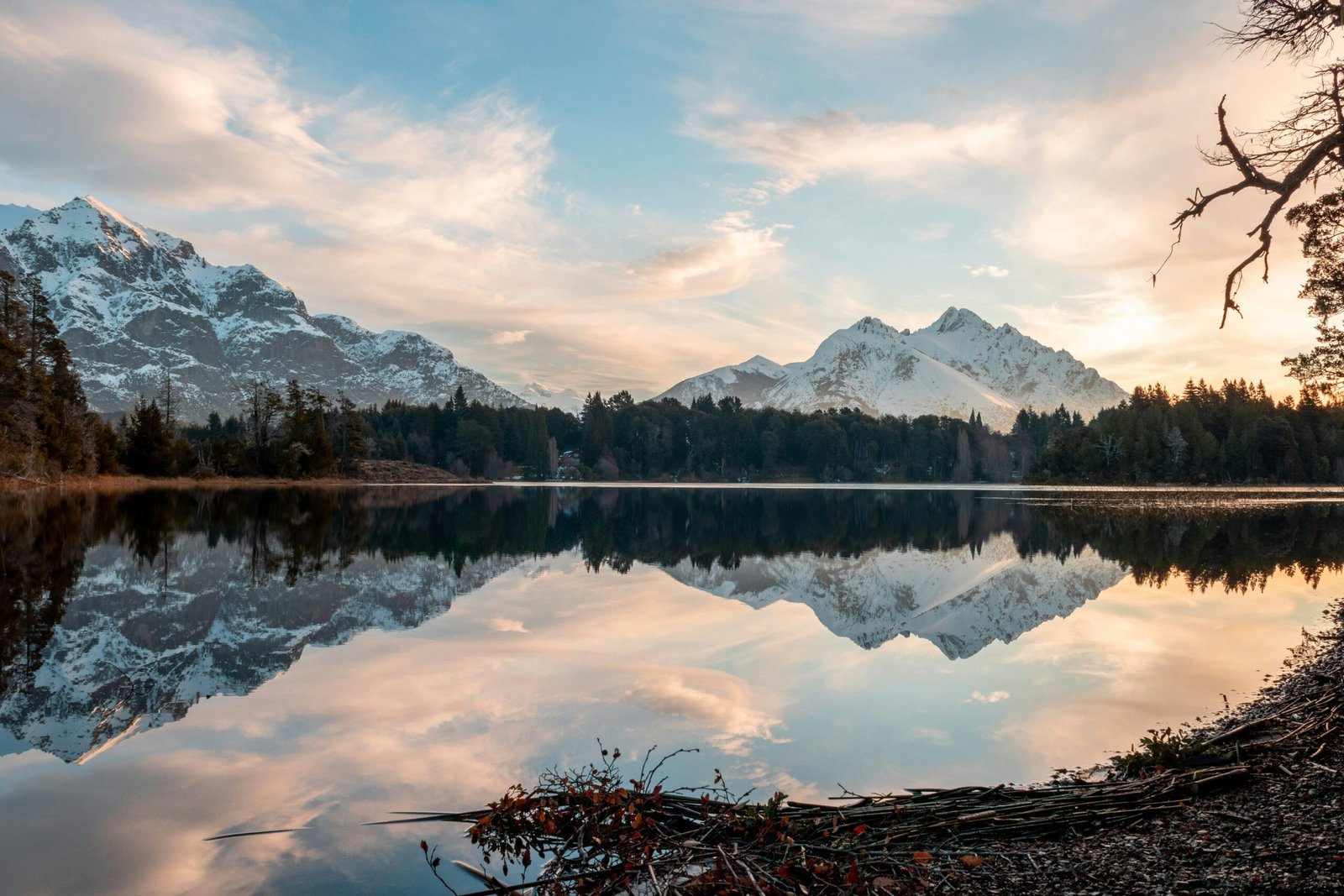
Discover the remarkable wildlife of Argentine Patagonia on this specialist small-group journey, combining the rich marine habitats of Península Valdés with the remote wilderness of Parque Patagonia, where pumas roam the open steppe beneath the Andes.
Along Patagonia’s Atlantic coast, watch southern right whales in sheltered bays, visit vast colonies of Magellanic penguins and observe southern elephant seals gathering on remote beaches. The surrounding grasslands support a fascinating variety of wildlife, from guanacos and Patagonian maras to armadillos, rheas and birds of prey.
Further inland, spend five full days tracking pumas in Parque Patagonia, a spectacular landscape of rocky canyons, rolling grasslands and distant mountains. Accompanied by experienced wildlife trackers and naturalist guides, you’ll explore one of Argentina’s most exciting conservation landscapes, where ongoing rewilding efforts are helping native wildlife recover.
Days 1–2: Buenos Aires
Depart the UK on your overnight flight to Buenos Aires, Argentina’s vibrant capital.
On arrival, transfer to your hotel in the leafy Palermo neighbourhood. The remainder of the day is free to relax or explore the city’s lively streets, cafés and restaurants.
Overnight at Vain Boutique Hotel, a comfortable contemporary hotel well located for discovering the city.
Day 3: Península Valdés
Fly south to Puerto Madryn, gateway to the extraordinary wildlife of Península Valdés.
This UNESCO World Heritage Site is renowned for its remarkable marine biodiversity, with sheltered bays, rocky beaches and coastal grasslands providing habitats for whales, sea lions, elephant seals and seabirds.
Transfer to Puerto Pirámides, a small coastal settlement overlooking Golfo Nuevo. Depending on your arrival time, there may be an opportunity to explore the surrounding steppe in search of Patagonian maras and local birdlife.
Begin your stay at Hosteria The Paradise, offering simple, comfortable accommodation close to the beach.
Day 4: Southern Right Whales & Coastal Wildlife
Head out onto the sheltered waters of Golfo Nuevo for a whale-watching excursion from Puerto Pirámides.
Between September and November, southern right whales gather here to breed and nurse their young, providing some of the finest whale-watching opportunities in South America. These enormous but gentle animals sometimes approach boats, offering memorable views of their distinctive heads and powerful tail flukes.
In the afternoon, explore the peninsula’s coastal habitats, including the sea lion colony at Punta Pirámides.
Away from the shore, look for Patagonian maras, lesser rheas, burrowing owls and other species adapted to the dry Patagonian steppe.
Day 5: Whale Watching & Elephant Seals
Enjoy a second morning on the water, with further opportunities to observe southern right whales and their calves.
Later, travel to La Elvira Natural Lodge, a small, remote guesthouse on the outer peninsula. Originally a working farm, the lodge offers simple, homely accommodation in a beautiful coastal setting.
Visit a nearby colony of southern elephant seals, where enormous males compete for territory and mating opportunities during the breeding season. Their size and powerful interactions make for a remarkable wildlife spectacle.
Overnight at La Elvira Natural Lodge.
Day 6: Wildlife of Península Valdés
Return to the elephant seal colony for further wildlife watching and photography, keeping an eye on the surrounding waters for orcas, which occasionally patrol this stretch of coastline.
Continue exploring the peninsula’s varied habitats, where wildlife possibilities include Patagonian maras, grey foxes, armadillos and a rich variety of birds.
As evening approaches, there may be opportunities to search for some of the steppe’s more elusive mammals.
Return to Hosteria The Paradise for the night.
Day 7: Punta Tombo Penguin Colony
Travel south to Punta Tombo, home to one of the world’s great breeding colonies of Magellanic penguins.
Hundreds of thousands of penguins gather here during the breeding season, nesting among the coastal scrub and moving between their burrows and the sea. Walkways provide wonderful opportunities to observe their behaviour at remarkably close quarters.
Continue south to Comodoro Rivadavia, where you spend the night at Austral Plaza Hotel before travelling inland.
Day 8: Journey to Parque Patagonia
Leave the Atlantic coast behind and travel inland through the vast landscapes of southern Patagonia towards Perito Moreno, your base for the next six nights.
The scenery changes dramatically as coastal plains give way to rolling steppe, rocky valleys and distant Andean mountains.
Nearby Parque Patagonia forms part of an ambitious conservation and rewilding initiative, protecting native habitats and wildlife across a vast area of the Patagonian steppe.
Stay at Hotel Cueva de las Manos, offering simple, comfortable en-suite accommodation in Perito Moreno.
Days 9–13: Puma Tracking in Parque Patagonia
Spend five full days exploring Parque Patagonia, accompanied by experienced local wildlife trackers and naturalist guides.
This spectacular wilderness supports an important population of pumas, attracted by the abundance of guanacos that graze across its open grasslands.
Each day, travel into the park by vehicle before exploring promising areas on foot, searching for pumas among rocky outcrops, rolling hills and sheltered valleys. Years of wildlife monitoring and careful habituation have made encounters increasingly possible, although sightings can never be guaranteed.
Observing a puma moving through this vast landscape is an unforgettable experience, particularly with the dramatic mountains and open Patagonian steppe providing such a magnificent backdrop.
There is plenty of other wildlife to discover. Look for Andean condors soaring overhead, guanacos moving across the grasslands, and culpeo and South American grey foxes. The rocky canyons also shelter Wolffsohn’s viscachas, unusual relatives of chinchillas, while birds of prey include black-chested buzzard eagles and caracaras.
The park’s conservation story is equally compelling. Rewilding Argentina is working to restore native ecosystems and protect threatened species through long-term monitoring, habitat protection and wildlife recovery programmes.
Return each evening to your accommodation in Perito Moreno.
Puma tracking involves moderate walking, sometimes away from established trails, so a reasonable level of fitness is required.
Day 14: Return to Buenos Aires
Leave Parque Patagonia and travel back to Comodoro Rivadavia for your domestic flight to Buenos Aires.
Transfer to Vain Boutique Hotel for your final night in Argentina.
Days 15–16: Return to the UK
Transfer to Buenos Aires International Airport for your overnight flight home, arriving in the UK the following day.
Responsible travel
This itinerary visits two of Argentina’s most important wildlife regions, combining the protected marine habitats of Península Valdés with the conservation landscapes of Parque Patagonia.
In Península Valdés, designated wildlife reserves protect important breeding and feeding grounds for southern right whales, elephant seals, sea lions and Magellanic penguins. Guided excursions offer opportunities to observe these species in their natural habitats.
In Parque Patagonia, the work of Rewilding Argentina is helping restore native ecosystems through habitat protection, wildlife monitoring and species recovery programmes. The park has become an important refuge for pumas, guanacos and other native wildlife.
Puma tracking is undertaken with experienced guides, maintaining respectful distances from the animals and providing opportunities to learn about the wider conservation work taking place in this remarkable landscape.
Why we like this trip
An exceptional choice for travellers wanting to experience Patagonia’s marine wildlife and elusive pumas in one journey.
We particularly like the time devoted to wildlife watching, with two whale-watching excursions, visits to penguin and elephant seal colonies, and five full days of dedicated puma tracking. The contrast between the wild Atlantic coastline and the remote Patagonian interior is wonderfully rewarding, while the conservation work in Parque Patagonia adds another dimension to the experience. With specialist naturalist guiding and a small group, this is a particularly appealing journey for committed wildlife enthusiasts and photographers.
Price Guide
Per person sharing: from £11,795 per person including international flights.
- This 16-day small-group wildlife tour has a planned departure on 30 September 2028.
- The trip starts and ends in Buenos Aires, including overnight international flights.
- The group is accompanied by a specialist wildlife tour leader and local naturalist guides.
- Puma tracking involves moderate walking, and a reasonable level of fitness is recommended.
Includes
- International and regional flights as specified (flight-inclusive option)
- Accommodation as indicated
- Meals as indicated in the itinerary
- Transfers and transport within Argentina
- Guided wildlife excursions and activities
- Whale-watching excursions from Puerto Pirámides
- Guided puma tracking in Parque Patagonia
- Services of a specialist tour leader and local guides
Excludes
- Travel insurance
- Gratuities
- Drinks unless stated
- Personal expenses
ENQUIRE
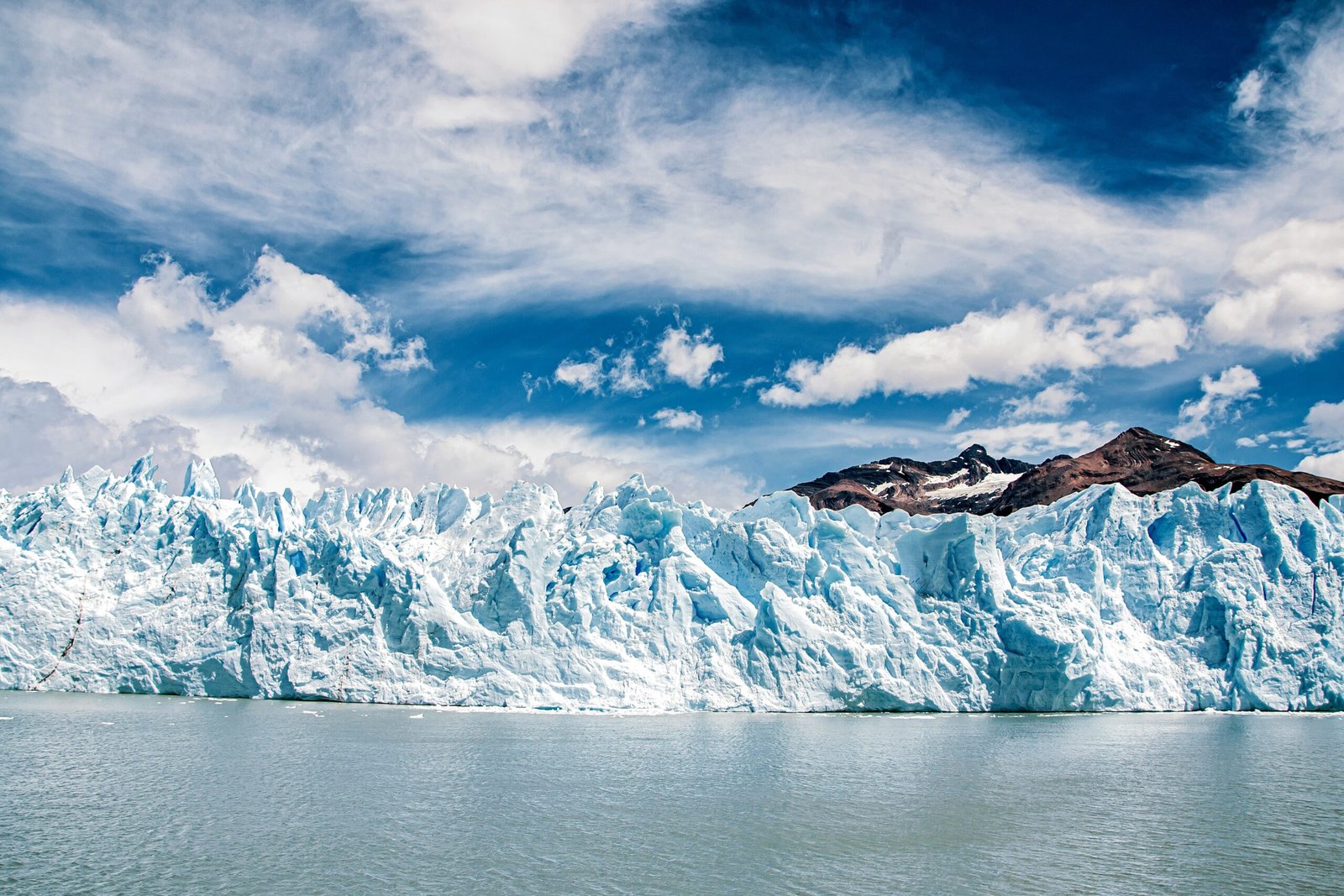
Experience the extraordinary contrasts of Argentine Patagonia, where windswept coastal plains, remote forests and towering glaciers provide a spectacular setting for some of South America’s most memorable wildlife encounters.
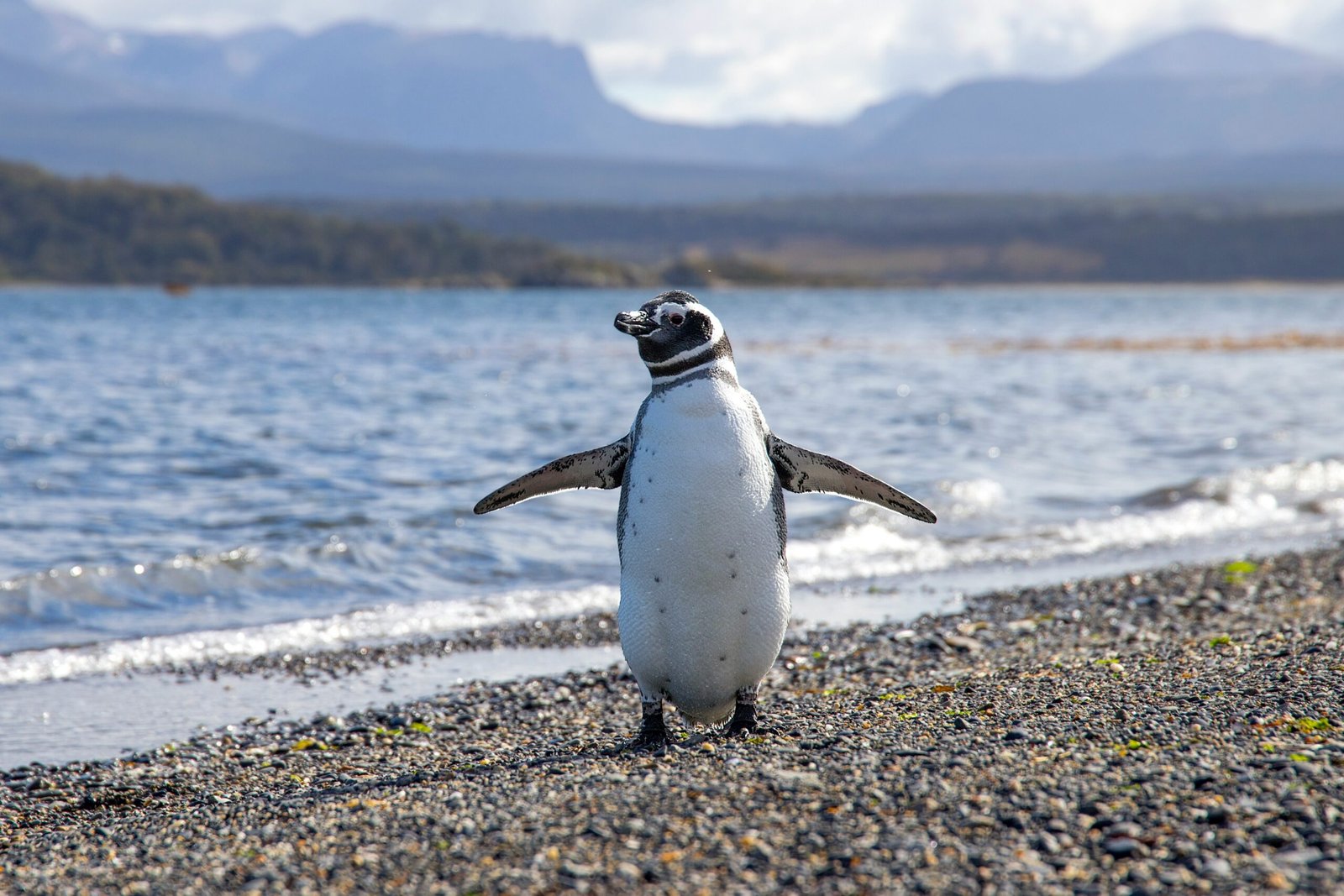
This varied journey begins on the wildlife-rich Península Valdés, where southern right whales gather in sheltered bays, Magellanic penguins nest along the coast and elephant seals and sea lions occupy remote beaches. Inland, the dry Patagonian steppe supports guanacos, maras, rheas and an impressive variety of birdlife.
Further south, explore the wild landscapes of Tierra del Fuego, cruising the Beagle Channel in search of seabirds and marine mammals, before continuing to Los Glaciares National Park. Here, the magnificent Perito Moreno Glacier and dramatic Andean scenery provide a fitting finale to a journey combining exceptional wildlife, fascinating habitats and some of Patagonia’s finest landscapes.
Days 1–2: Buenos Aires
Depart the UK on your overnight flight to Buenos Aires, Argentina’s lively capital.
On arrival, transfer to your hotel before exploring Reserva Ecológica Costanera Sur, a remarkable wetland reserve close to the city centre. Depending on water levels, this is an excellent location for birdwatching, with possibilities including black-necked swans, coots, herons, ducks and birds of prey.
Overnight at Hotel Lafayette, conveniently located for exploring Buenos Aires.
Day 3: Península Valdés
Fly south to Trelew and continue to the remarkable Península Valdés, a UNESCO World Heritage Site renowned for its marine wildlife.
Travel through the dry Patagonian landscape towards Puerto Pirámides, keeping watch for burrowing parrots, guanacos and other local wildlife along the way.
Begin your three-night stay at Hosteria The Paradise, a simple, comfortable guesthouse overlooking the beach at Puerto Pirámides, ideally located for exploring the peninsula.
Days 4–5: Wildlife of Península Valdés
Spend two days discovering the extraordinary wildlife of Península Valdés, where sheltered gulfs and remote beaches provide important breeding habitats for whales, seals and seabirds.
A boat excursion into Golfo Nuevo offers opportunities to observe southern right whales, which gather here each year to breed and raise their calves. Watching these enormous animals breaching or lifting their tails above the water is a memorable experience, with the possibility of encountering dusky dolphins and a variety of seabirds.
Explore the peninsula’s coastal wildlife colonies, looking for southern elephant seals, South American sea lions and Magellanic penguins.
Away from the coast, the dry steppe supports a different collection of wildlife. Look for Patagonian maras, Darwin’s rheas, elegant-crested tinamous, burrowing owls and other birds adapted to this exposed landscape.
Return each evening to Hosteria The Paradise.
Day 6: Ushuaia & Tierra del Fuego
Fly south to Ushuaia, dramatically situated between the mountains and the Beagle Channel at the southern tip of South America.
Often described as the world’s southernmost city, Ushuaia is surrounded by rugged mountains, forests and cold coastal waters, offering a striking contrast to the open landscapes of Península Valdés.
Begin your two-night stay at Hotel Tolkeyen, a comfortable hotel overlooking the Beagle Channel, set within a private forest reserve just outside the city.
Day 7: Beagle Channel & Tierra del Fuego National Park
Explore the magnificent Beagle Channel on a boat excursion, following the route made famous by Charles Darwin during his voyage aboard HMS Beagle.
Look for South American sea lions, seabirds and other marine wildlife against a backdrop of forested mountains and dramatic coastal scenery.
There is also time to explore Tierra del Fuego National Park, where southern beech forests, sheltered bays and mountain valleys support a fascinating variety of wildlife.
Birdwatching possibilities include kelp geese, austral parakeets, Magellanic oystercatchers and Andean condors. Guanacos and culpeo foxes are also found in the region.
Day 8: El Calafate & Laguna Nimez
Fly north to El Calafate, overlooking the immense Lago Argentino at the edge of the Patagonian Andes.
In the afternoon, visit Laguna Nimez, a small but rewarding wetland reserve where reeds and shallow waters attract a variety of birds, including Chilean flamingos, black-necked swans, Andean ruddy ducks and South American snipe.
Begin your three-night stay at Boutique Hotel La Cantera, offering comfortable accommodation with views across the surrounding Patagonian landscape.
Days 9–10: Los Glaciares National Park & Perito Moreno Glacier
Spend two full days exploring the spectacular landscapes of Los Glaciares National Park, where immense glaciers descend between rugged Andean peaks and ancient southern beech forests.
The magnificent Perito Moreno Glacier is a particular highlight, its enormous wall of blue and white ice rising above the waters of Lago Argentino. If conditions are right, you may witness great sections of ice breaking away and crashing into the lake.
The surrounding mountains offer excellent opportunities to watch Andean condors soaring overhead, while the forests and wetlands support austral parakeets, spectacled ducks and other fascinating birdlife.
Explore the lakeshore around Bahía Redonda and enjoy a boat excursion on Lago Argentino, taking in the dramatic scenery and searching for waterbirds.
Return to Boutique Hotel La Cantera each evening.
Day 11: Return to Buenos Aires
Fly from El Calafate to Buenos Aires for your final night in Argentina.
Overnight at Hotel Lafayette.
Days 12–13: Return to the UK
Transfer to Buenos Aires International Airport for your overnight flight home, arriving in the UK the following day.
This suggested itinerary can be adapted to suit your interests, preferred accommodation and travel dates.
 Responsible travel
This itinerary explores several of Argentina’s most important protected landscapes, combining the marine wildlife habitats of Península Valdés with the forests and coastal ecosystems of Tierra del Fuego and the glaciers of Los Glaciares National Park.
The Península Valdés is internationally recognised for its importance to southern right whales, elephant seals, sea lions and seabirds. Guided wildlife excursions provide opportunities to appreciate these animals and the habitats on which they depend.
In Tierra del Fuego and Los Glaciares National Parks, guided visits introduce travellers to the distinctive ecosystems of southern Patagonia, from sub-Antarctic forests and wetlands to glacier-carved mountain landscapes.
The itinerary includes national park admission fees and experienced guiding, encouraging a greater understanding of Patagonia’s wildlife and the importance of conserving its remarkable natural heritage.
Why we like this trip
A wonderful choice for travellers wanting to experience Patagonia’s remarkable wildlife alongside its most spectacular landscapes.
We particularly like the contrast between the marine wildlife of Península Valdés, the remote forests and waterways of Tierra del Fuego, and the magnificent glaciers around El Calafate. With opportunities for whale watching, close encounters with penguins and sea lions, excellent birdwatching and time to explore the Andean scenery, this is a rewarding introduction to the natural wonders of southern Argentina.
Price Guide
Per person sharing: 11 days from £7,295 per person excluding international flights from the UK.
Our specialist travel partners can arrange international flights from the UK as required.
- This tailormade itinerary is particularly rewarding during October and November, when southern right whales and breeding penguins can be seen around Península Valdés.
- This trip starts and ends in Buenos Aires, travelling through Península Valdés, Ushuaia and El Calafate.
- This trip can be adapted to suit you.
Includes
- Domestic flights within Argentina
- Accommodation as indicated
- Transfers and transport by minibus
- Guided wildlife excursions and activities
- National park entrance fees and admissions
- Services of experienced guides and tour leaders
Excludes
- Travel insurance
- Gratuities
- Drinks unless stated
- Personal expenses
ENQUIRE
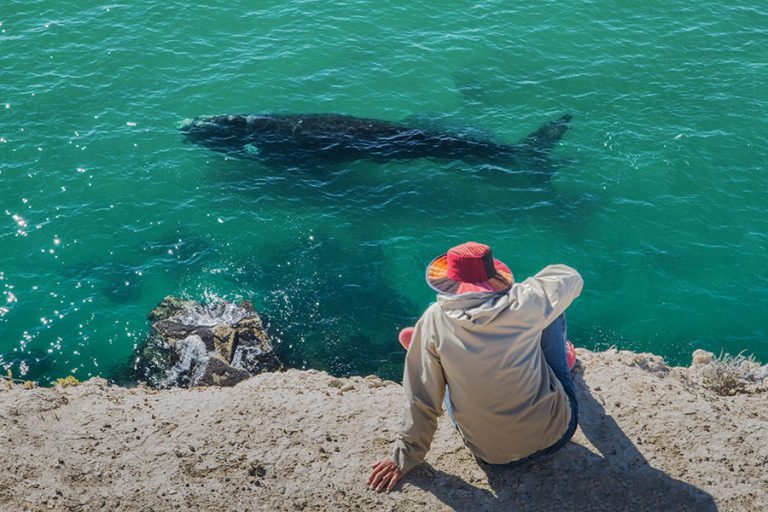
Image: Estancia Rincon Chico
Discover two of Argentina’s most remarkable wildlife regions on this tailormade journey through the wild landscapes of Patagonia, combining specialist puma tracking in the remote interior with extraordinary marine wildlife encounters along the Atlantic coast.
In Parque Patagonia, spend three full days searching for pumas among sweeping grasslands, rocky canyons and glacial valleys. Accompanied by an expert tracker, explore a landscape where guanacos graze in large herds, Andean condors soar overhead and ambitious conservation projects are helping native wildlife recover.
Continue to Península Valdés, where a three-night stay at a secluded coastal estancia brings you close to colonies of Magellanic penguins, southern elephant seals and sea lions. The surrounding waters offer opportunities to encounter southern right whales, orcas and dolphins, while guided walks along the estancia’s private coastline reveal the remarkable abundance of wildlife found in this remote corner of Argentina.
Day 1: Buenos Aires
Arrive in Buenos Aires, Argentina’s lively capital, where you are met and transferred to your hotel.
Enjoy a privately guided introduction to the city, exploring its historic squares, colourful neighbourhoods and elegant avenues. Highlights include Plaza de Mayo, San Telmo, La Boca and Recoleta, offering a glimpse of Argentina’s rich cultural heritage.
In the evening, enjoy a traditional Argentine dinner before returning to Cassa Lepage Art Hotel, a characterful boutique hotel in the historic San Telmo neighbourhood.
Day 2: Journey to Parque Patagonia
Fly south to Comodoro Rivadavia, where you meet your local guide and specialist puma tracker.
Travel inland through the vast landscapes of the Patagonian steppe towards Parque Patagonia, stopping along the way to admire the scenery and look for wildlife.
Your base for the next four nights is La Posta de los Toldos, a remote wilderness lodge surrounded by open plains, rocky canyons and distant mountains.
The lodge offers simple but comfortable accommodation in nine en-suite rooms, with welcoming communal areas, regional home-style cuisine and opportunities for stargazing beneath Patagonia’s wonderfully clear night skies.
Settle into your surroundings and enjoy the possibility of an introductory walk or some birdwatching around the lodge.
Days 3–5: Puma Tracking in Parque Patagonia
Spend three full days exploring Parque Patagonia, searching for one of South America’s most elusive predators: the puma.
Each morning, your specialist tracker sets out to locate signs of puma activity before guiding you into the surrounding landscape by vehicle and on foot. The park’s extensive grasslands support large herds of guanacos, providing an important food source for the resident pumas.
Tracking may involve short walks of around two to three kilometres across open country, sometimes away from established trails. Once a puma is located, your guide will help you observe its behaviour from a respectful distance, creating opportunities for memorable wildlife encounters and photography.
The park supports a fascinating variety of other species. Look for Andean condors soaring above the canyons, culpeo and grey foxes moving across the steppe, and Wolffsohn’s viscachas sheltering among rocky outcrops.
Parque Patagonia is also an important centre for conservation and rewilding. The work of Rewilding Argentina is helping restore native habitats and wildlife populations, including species that have suffered from hunting, habitat loss and persecution.
Return each evening to La Posta de los Toldos, with time to relax and enjoy the tranquillity of this remote wilderness.
Day 6: Comodoro Rivadavia
Leave Parque Patagonia and travel back towards the Atlantic coast, passing through the wide-open landscapes of southern Argentina.
Overnight at Austral Plaza Hotel in Comodoro Rivadavia, a convenient stop before continuing north to Península Valdés.
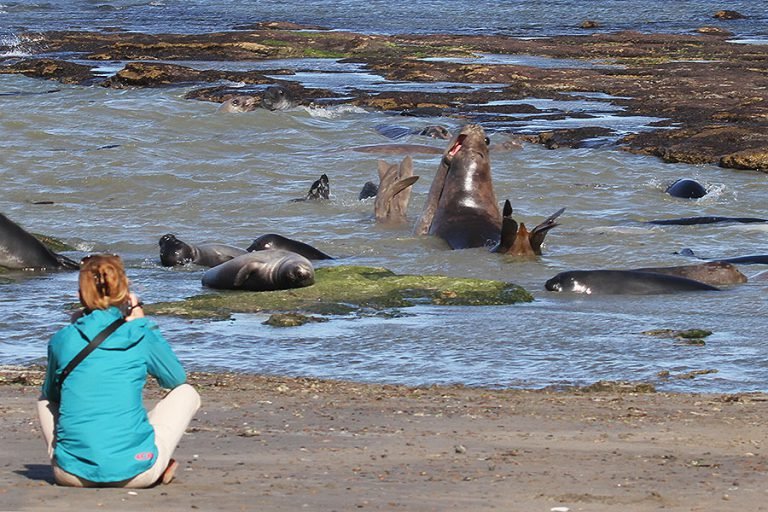 Image: Estancia Rincon Chico
Day 7: Península Valdés & Estancia Rincón Chico
Travel north-east to Península Valdés, a UNESCO World Heritage Site renowned for its exceptional marine wildlife.
Your destination is Estancia Rincón Chico, a secluded, family-owned coastal estancia offering access to approximately 20 kilometres of private shoreline.
This traditional Patagonian property has just eight en-suite guest rooms, with comfortable communal lounges, a library and welcoming dining areas. Surrounded by open steppe and overlooking the Atlantic Ocean, it provides an intimate base for exploring the peninsula’s remarkable wildlife.
Settle in and enjoy an introductory walk around the property, looking for guanacos, rheas, birds of prey and marine wildlife along the coast.
Begin your three-night stay at Estancia Rincón Chico.
Day 8: Wildlife of Estancia Rincón Chico
Spend the day exploring the estancia’s private coastline with experienced naturalist guides, discovering some of the finest wildlife habitats on Península Valdés.
Visit breeding colonies of Magellanic penguins, southern elephant seals and South American sea lions, observing their fascinating behaviour against a backdrop of rugged cliffs and sweeping beaches.
During the breeding season, enormous male elephant seals compete for territory, while penguins gather around their nesting burrows and sea lions occupy sheltered stretches of coastline.
The surrounding waters are also frequented by orcas, which sometimes hunt close to shore. Although sightings are unpredictable, this is one of the few places where orcas have developed the remarkable behaviour of intentionally stranding themselves to capture prey.
Inland, explore the Patagonian steppe in search of maras, guanacos, grey foxes, armadillos and an impressive variety of birds.
Return to the estancia for dinner and a peaceful evening overlooking the coast.
Day 9: Whale Watching at Puerto Pirámides
Travel to Puerto Pirámides for a whale-watching excursion into the sheltered waters of Golfo Nuevo.
Between May and December, southern right whales gather around Península Valdés, with peak numbers generally occurring from September to November. These enormous marine mammals come here to mate and give birth, providing wonderful opportunities to observe mothers and calves.
Look for whales surfacing, lifting their tails and occasionally breaching, while other possible sightings include orcas, Commerson’s dolphins, dusky dolphins and a variety of seabirds.
After the excursion, return to Estancia Rincón Chico for your final evening on the peninsula.
Day 10: Return to Buenos Aires
Enjoy a final opportunity to watch wildlife around the estancia before travelling to Trelew for your domestic flight to Buenos Aires.
Return to Cassa Lepage Art Hotel for your final night in Argentina.
Day 11: Departure
Transfer to Buenos Aires International Airport for your onward journey.
This is a suggested tailormade itinerary and can be adapted to suit your interests, preferred accommodation and travel dates.
Responsible travel
This itinerary visits two important conservation landscapes, combining the restoration work taking place in Parque Patagonia with the protected marine habitats of Península Valdés.
In Parque Patagonia, Rewilding Argentina is working to restore native ecosystems through habitat protection, wildlife monitoring and the recovery of threatened species. Specialist puma tracking is conducted with experienced guides, maintaining respectful distances from the animals while providing opportunities to learn about the wider conservation programme.
At Estancia Rincón Chico, a family-owned coastal eco-lodge within the Península Valdés UNESCO World Heritage Site, guided excursions introduce visitors to the area’s remarkable marine and terrestrial wildlife. Access to the estancia’s extensive private coastline offers opportunities to observe animals in their natural habitats, accompanied by knowledgeable local naturalists.
Why we like this trip
An excellent choice for travellers particularly interested in pumas and Patagonia’s exceptional marine wildlife, with extended stays in two contrasting wilderness regions.
We especially like the three full days of specialist puma tracking in Parque Patagonia and the opportunity to stay at La Posta de los Toldos, surrounded by the wild Patagonian steppe. The second half of the journey is equally appealing, with three nights at Estancia Rincón Chico, where wildlife can be encountered along the property’s remote coastline. The combination of excellent naturalist guiding, distinctive accommodation and inspiring conservation projects makes this a particularly rewarding wildlife experience.
Price Guide
Per person sharing: from £10,595 per person excluding international flights.
Our specialist travel partners can arrange international flights from the UK as required.
- This tailormade itinerary is particularly rewarding during September to November, when southern right whales gather around Península Valdés and wildlife activity along the coast is especially interesting.
- This trip starts and ends in Buenos Aires, visiting Parque Patagonia and Península Valdés.
- This trip can be adapted to suit you.
- Puma tracking involves moderate walking, so a reasonable level of fitness is recommended.
Includes
- Accommodation as indicated
- Domestic flights within Argentina
- Transfers and transport within Argentina
- Specialist guided puma tracking in Parque Patagonia
- Guided wildlife excursions at Estancia Rincón Chico
- Whale-watching excursion from Puerto Pirámides
- Services of local guides and expert wildlife trackers
Excludes
- International flights from the UK
- Travel insurance
- Gratuities
- Drinks unless stated
- Personal expenses
ENQUIRE
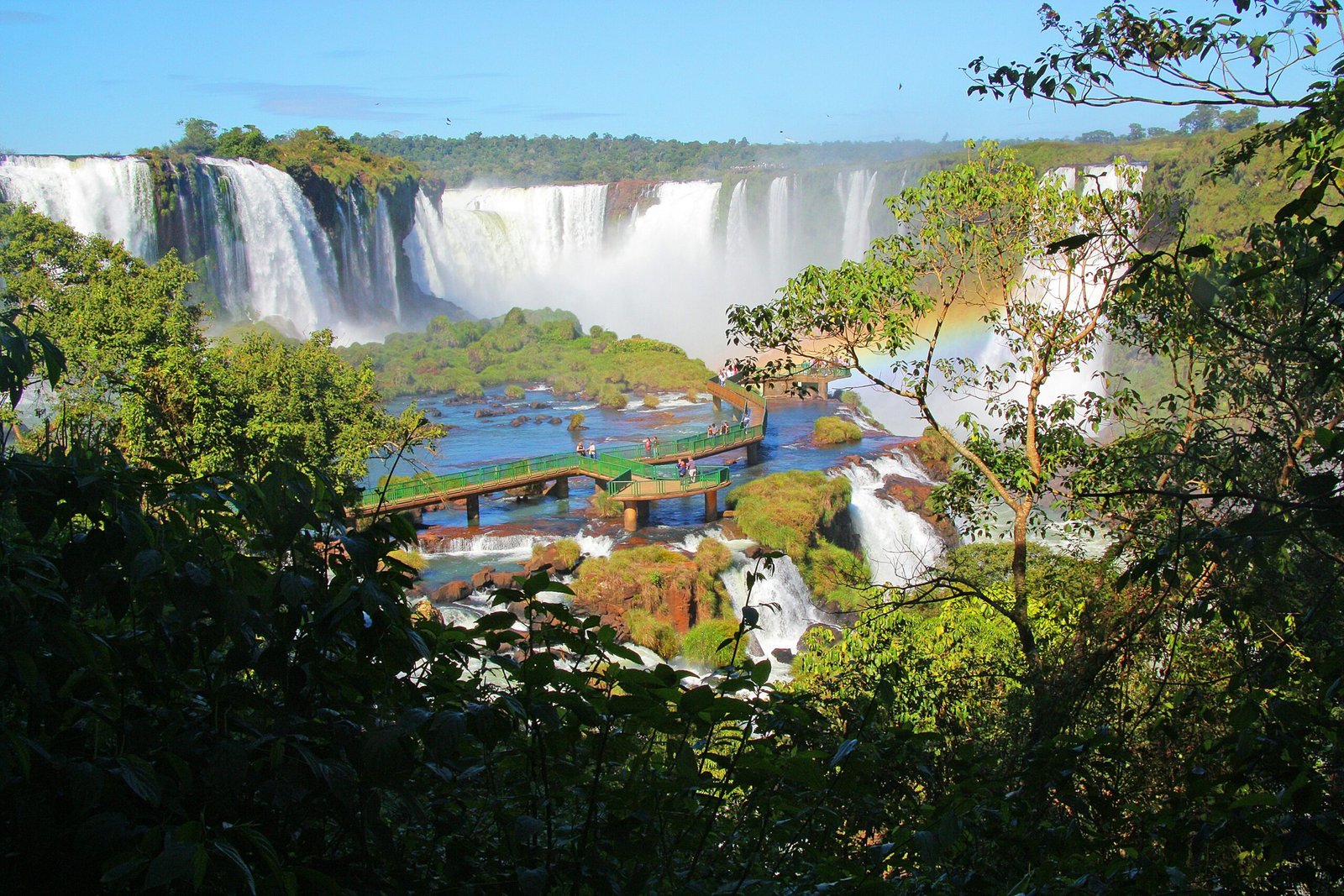
Discover a wonderfully different side of Argentina on this tailormade wildlife journey through the Atlantic rainforest, magnificent Iguazú Falls and the extraordinary Iberá Wetlands. Far from Patagonia’s windswept plains, northern Argentina is a world of lush forests, colourful birdlife, tropical waterways and wildlife-rich marshes.
Explore the beautiful Surucua Reserve, where toucans, trogons, tanagers and hummingbirds inhabit the forest canopy, before visiting Iguazú Falls, one of South America’s most spectacular natural wonders. Here, enormous cascades plunge through the rainforest, creating a dramatic backdrop for wildlife watching.
The journey concludes in the Iberá Wetlands, a vast freshwater wilderness supporting capybaras, caimans, marsh deer, howler monkeys and hundreds of bird species. This remarkable region is also at the heart of ambitious rewilding projects working to restore native wildlife, including giant anteaters and jaguars.
Day 1: Buenos Aires
Arrive in Buenos Aires, Argentina’s vibrant capital, where you are met and transferred to your hotel.
Depending on your arrival time, enjoy some free time to discover the city’s elegant streets, historic neighbourhoods and lively café culture.
Overnight at 474 Buenos Aires Hotel, conveniently located for exploring the city.
Day 2: Costanera Sur & Surucua Reserve
Begin the day with a guided visit to Reserva Ecológica Costanera Sur, a remarkable wetland reserve beside the Río de la Plata.
Despite its urban setting, the reserve supports an impressive variety of birds, including black-necked swans, southern screamers, jacanas, herons and birds of prey. There may also be opportunities to spot turtles, tegus and other wildlife.
Later, fly north to Puerto Iguazú, where you meet your naturalist guide and travel into the lush Atlantic rainforest.
Begin your two-night stay at Surucua Lodge, an intimate, family-run wilderness retreat surrounded by forest.
Day 3: Wildlife of Surucua Reserve
Spend the day exploring the Surucua Reserve, where trails wind through Atlantic rainforest, bamboo thickets and rich riverside habitats.
With more than 250 bird species recorded, this is an exceptional destination for birdwatching. Look for colourful toucans, toucanets, trogons, manakins, tanagers and hummingbirds, alongside some of the forest’s more elusive species.
Guided walks reveal the remarkable diversity of the rainforest, from butterflies and insects to coatis and, with luck, capuchin or howler monkeys.
There are also opportunities to explore by bicycle or take a kayak onto the Iguazú River, enjoying the tranquillity of this beautiful forest setting.
Return to Surucua Lodge for the evening.
Day 4: Puerto Iguazú & the Hummingbird Garden
Enjoy a final morning exploring the rainforest before returning to Puerto Iguazú, stopping for wildlife and birds along the way.
Visit the town’s famous Hummingbird Garden, a small urban sanctuary where numerous hummingbird species gather around feeding stations.
Watch these extraordinary birds hovering, feeding and interacting at remarkably close quarters, with possibilities including black jacobins, black-throated mangos and glittering emeralds.
Begin your three-night stay at Selva de Laurel Lodge, surrounded by subtropical vegetation close to Iguazú Falls.
Days 5–6: Iguazú Falls & Atlantic Rainforest
Spend two days exploring the magnificent Iguazú Falls, visiting viewpoints and forest trails on both the Argentine and Brazilian sides.
The sheer scale of the falls is breathtaking, with hundreds of cascades tumbling through the subtropical forest and clouds of spray rising above the treetops.
Beyond the spectacular scenery, the surrounding national parks protect an abundance of wildlife. Look for toucans, aracaris, parrots, tanagers and colourful butterflies, while coatis, capuchin monkeys and agoutis may be encountered along the forest trails.
One of the most fascinating sights is the great dusky swift, which flies through the spray and rushing water to reach nesting sites hidden behind the falls.
With expert naturalist guiding, there is plenty of time to appreciate both the dramatic landscape and the rich biodiversity of this remarkable rainforest ecosystem.
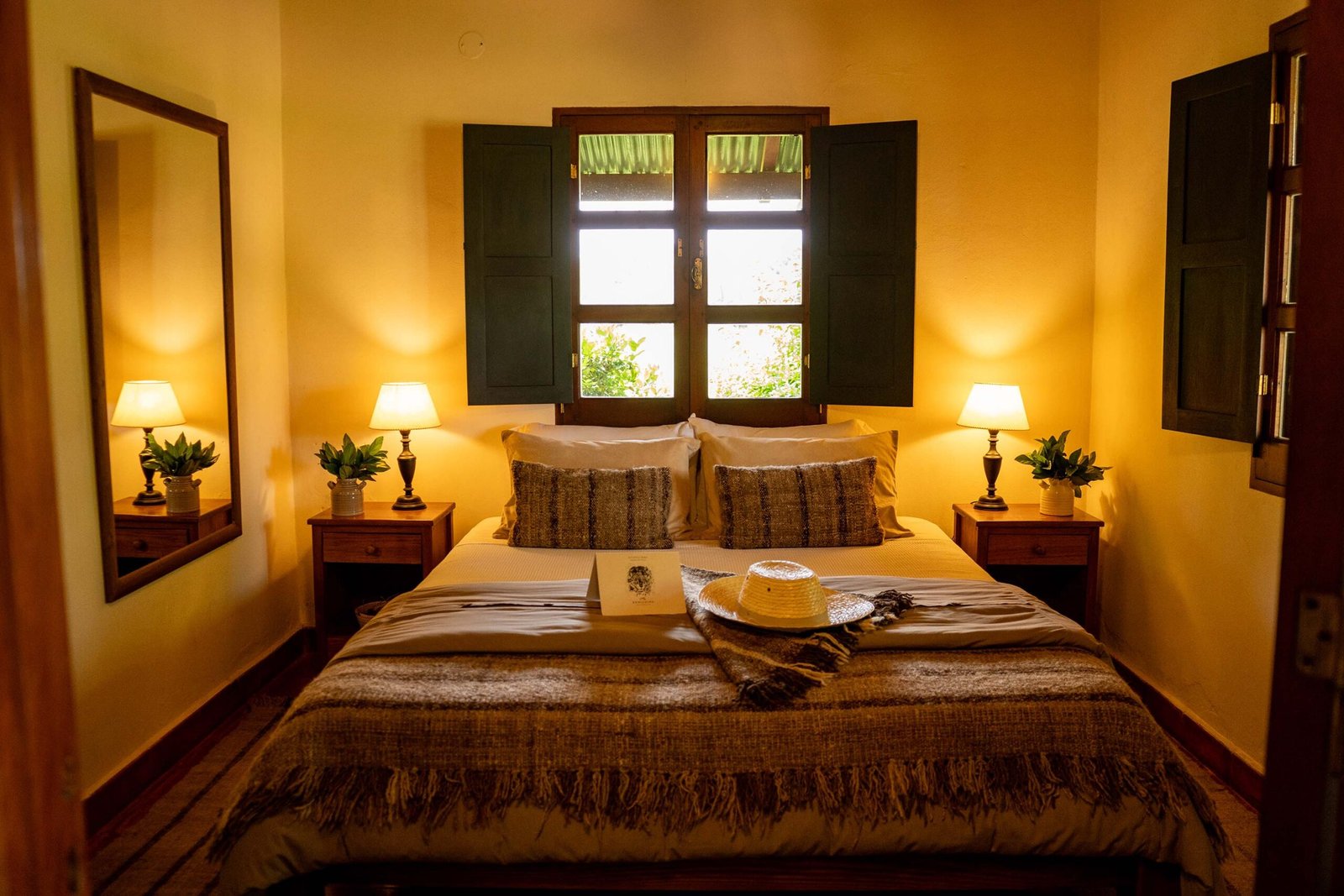 Image: Estancia Iberá
Day 7: Journey to the Iberá Wetlands
Travel south towards the Iberá Wetlands, passing through the rural landscapes of north-east Argentina.
Along the way, stop to look for birds and visit the historic Jesuit Mission of San Ignacio Miní, an important reminder of the region’s cultural heritage.
Continue into the wetlands, where lagoons, marshes and grasslands stretch towards the horizon.
Begin your three-night stay at Estancia Iberá, a peaceful base for exploring this remarkable freshwater wilderness.
Days 8–9: Wildlife of the Iberá Wetlands
Spend two full days discovering the extraordinary biodiversity of the Iberá Wetlands, one of South America’s largest freshwater ecosystems.
Explore by boat and on guided walks, travelling through a mosaic of shallow lagoons, floating vegetation, reedbeds and open grasslands.
Wildlife is wonderfully abundant. Capybaras, the world’s largest rodents, are frequently seen grazing beside the water, while caimans bask along the banks and elegant marsh deer move through the wetland vegetation.
Look for black-and-gold howler monkeys in the woodland and an astonishing variety of birds, from jabiru storks, herons and ibises to colourful cardinals, tyrants and blackbirds.
The wetlands are also the focus of important rewilding programmes, with species including giant anteaters, giant river otters, tapirs and jaguars being restored to parts of their former range. These animals remain much more difficult to encounter, but their return represents an inspiring chapter in Argentina’s conservation story.
Return each evening to Estancia Iberá, surrounded by the sounds and rhythms of the wetlands.
Day 10: Return to Buenos Aires
Leave the Iberá Wetlands and travel to Posadas for your domestic flight to Buenos Aires.
Transfer to 474 Buenos Aires Hotel for your final night in Argentina, with the evening free to enjoy the city’s restaurants and atmosphere.
Day 11: Departure
Transfer to Buenos Aires International Airport for your onward journey.
This is a suggested tailormade itinerary and can be adapted to suit your interests, preferred accommodation and travel dates.
Responsible travel
This itinerary explores three important wildlife habitats in northern Argentina, combining the protected Atlantic rainforest with the national parks surrounding Iguazú Falls and the remarkable Iberá Wetlands.
At Surucua Reserve, the family-run lodge provides a base for discovering the biodiversity of the Atlantic rainforest, with guided walks introducing visitors to its rich birdlife, mammals and other wildlife.
In the Iberá Wetlands, one of South America’s most inspiring conservation initiatives is helping restore native ecosystems and reintroduce species that had disappeared from the region. The work of Rewilding Argentina includes the recovery of giant anteaters, giant river otters, tapirs and jaguars, alongside habitat protection and long-term wildlife monitoring.
The itinerary includes specialist naturalist guiding, national park and entrance fees, and a conservation fund contribution, encouraging a greater understanding of Argentina’s wildlife and the importance of protecting its natural habitats.
Why we like this trip
A wonderful choice for travellers wanting to discover Argentina beyond Patagonia, combining exceptional birdwatching, spectacular natural scenery and some of South America’s richest wetland habitats.
We particularly like the intimate rainforest experience at Surucua Lodge, the opportunity to explore both sides of Iguazú Falls and the extended stay in the Iberá Wetlands, where wildlife can be encountered in remarkable abundance. The combination of private naturalist guiding, varied habitats and inspiring rewilding projects makes this a particularly rewarding journey for wildlife enthusiasts and those interested in conservation.
Price Guide
Per person sharing: 11 days from £6,395 per person excluding international flights.
Our specialist travel partners can arrange international flights from the UK as required.
- This tailormade itinerary is best enjoyed during September to November or March to May, when conditions are generally favourable for exploring the rainforest and wetlands.
- This trip starts and ends in Buenos Aires, visiting Surucua Reserve, Iguazú Falls and the Iberá Wetlands.
- This trip can be adapted to suit you.
Includes
- Accommodation as indicated
- Domestic flights within Argentina
- Private transfers and transport
- Most meals
- Private guided wildlife excursions and activities
- Services of an accompanying naturalist guide
- National park and entrance fees
- Conservation fund contribution
Excludes
- International flights from the UK
- Travel insurance
- Gratuities
- Drinks unless stated
- Personal expenses
ENQUIRE
ARGENTINA GUIDE
You’ll find a short guide below.
To start planning a trip to Argentina please contact us via the Enquiry Form, by email on info@realworldconservation.org.uk or on 01692 218189.
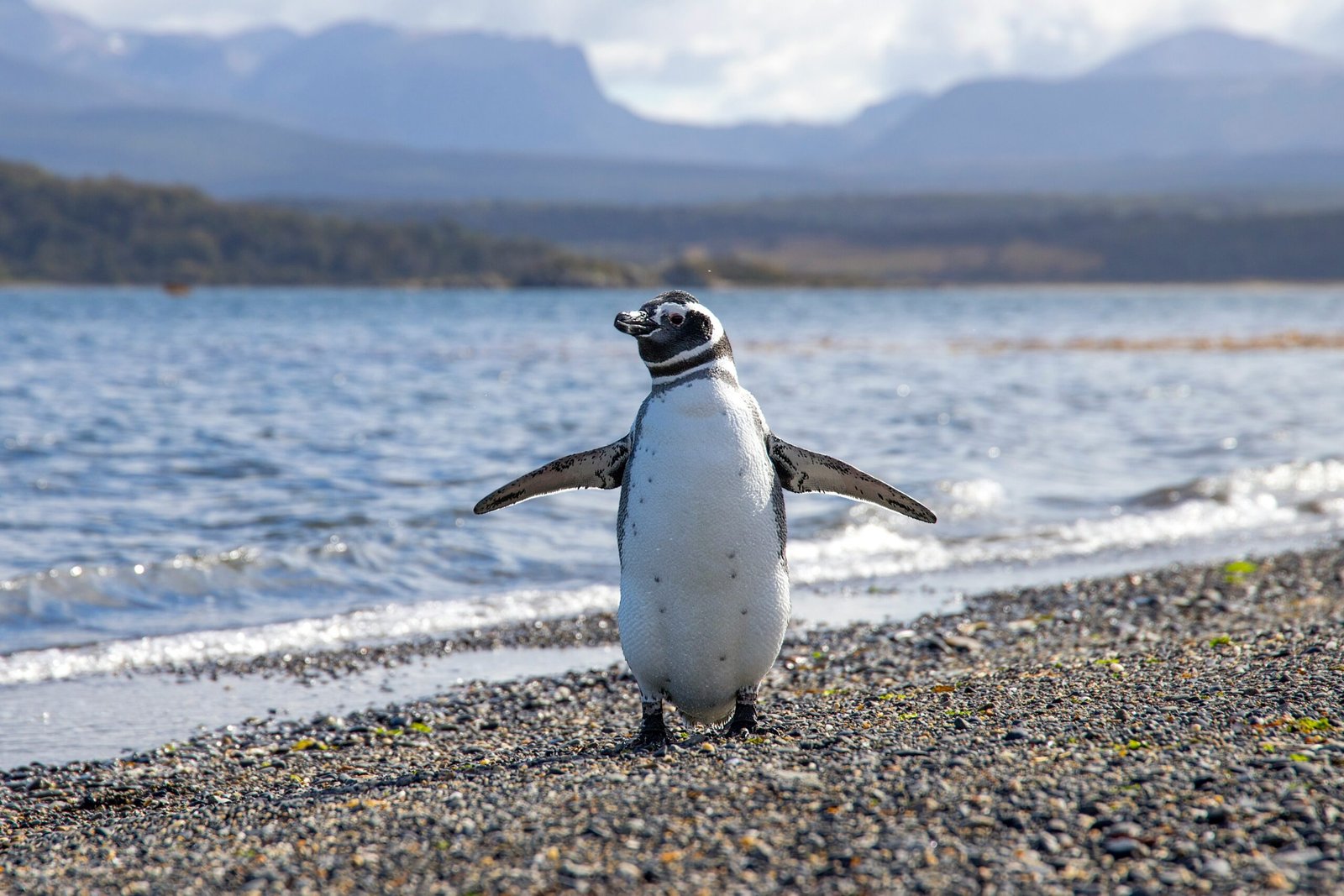
On Argentina’s Atlantic coast, Península Valdés is one of South America’s outstanding wildlife destinations. This UNESCO World Heritage Site extends into the Atlantic Ocean, where sheltered bays, rugged cliffs and remote beaches provide important breeding and feeding grounds for marine mammals and seabirds.
The peninsula is particularly famous for southern right whales, which gather in the protected waters of Golfo Nuevo and Golfo San José to mate, give birth and nurse their calves. Boat excursions from Puerto Pirámides offer opportunities to observe these enormous animals, sometimes at remarkably close quarters.
Along the coast, vast colonies of Magellanic penguins, southern elephant seals and South American sea lions create an extraordinary wildlife spectacle. During the elephant seal breeding season, enormous males compete for territory, while penguins return to their nesting burrows and raise their chicks.
The surrounding waters are also known for orcas, including individuals that have developed the remarkable hunting technique of intentionally stranding themselves on beaches to capture young seals and sea lions. Witnessing this behaviour is rare, but the possibility adds to the area’s appeal.
Inland, the dry Patagonian steppe supports guanacos, Patagonian maras, grey foxes, armadillos and Darwin’s rheas, alongside an interesting variety of birds of prey and other grassland species.
When to go: September to November is particularly rewarding, combining peak southern right whale sightings with penguin breeding activity and elephant seal colonies. Penguins are generally present from September to March, while whale watching is possible from around June to December. Orcas may be encountered at different times of year, although sightings are unpredictable.
In the remote interior of southern Argentina, Parque Patagonia protects a remarkable landscape of open steppe, rocky canyons, glacial valleys and vast skies. Far from the country’s better-known tourist routes, this wilderness is becoming one of South America’s most exciting destinations for watching pumas.
Large herds of guanacos graze across the grasslands, providing an important food source for pumas. With the help of experienced wildlife trackers, visitors can explore the park by vehicle and on foot, searching for signs of these elusive predators among rocky outcrops and sheltered valleys.
Although puma sightings can never be guaranteed, careful monitoring and specialist guiding have improved opportunities to observe them in their natural habitat. Encounters are conducted at respectful distances, allowing visitors to appreciate the animals’ behaviour without unnecessary disturbance.
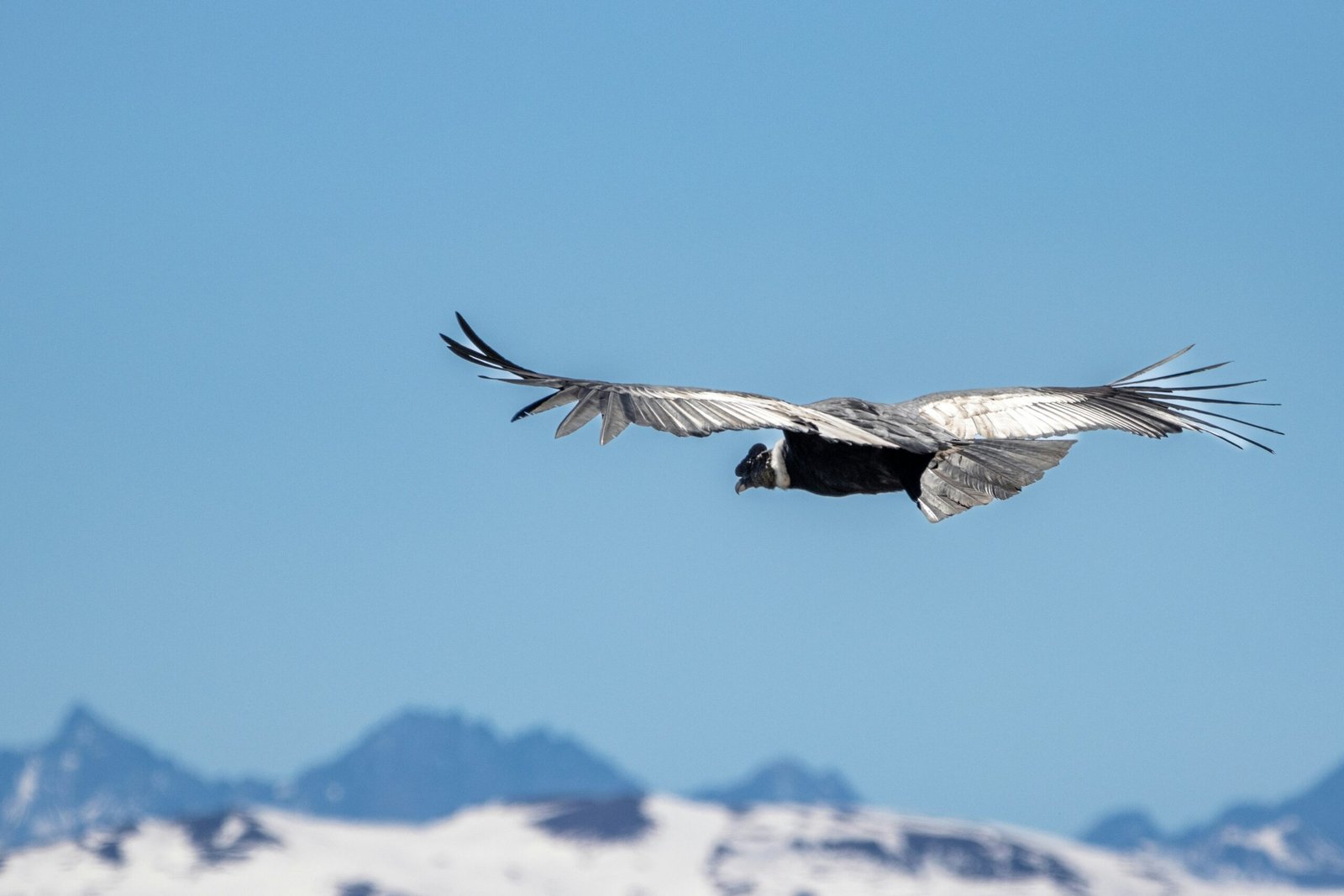
The park’s wider wildlife is equally fascinating. Andean condors soar above the canyons, culpeo and grey foxes roam the steppe, and Wolffsohn’s viscachas shelter among rocky crevices. Darwin’s rheas, caracaras and other birds are also characteristic of this exposed landscape.
Parque Patagonia is an important focus of Rewilding Argentina’s conservation work, which aims to restore native ecosystems, recover threatened wildlife populations and reconnect habitats. This makes a visit particularly rewarding for travellers interested in conservation as well as wildlife photography.
When to go: October to April offers generally favourable conditions for exploring the Patagonian steppe, although the region can be windy and temperatures change quickly. Spring and autumn are particularly appealing for wildlife tracking, with cooler conditions for walking.
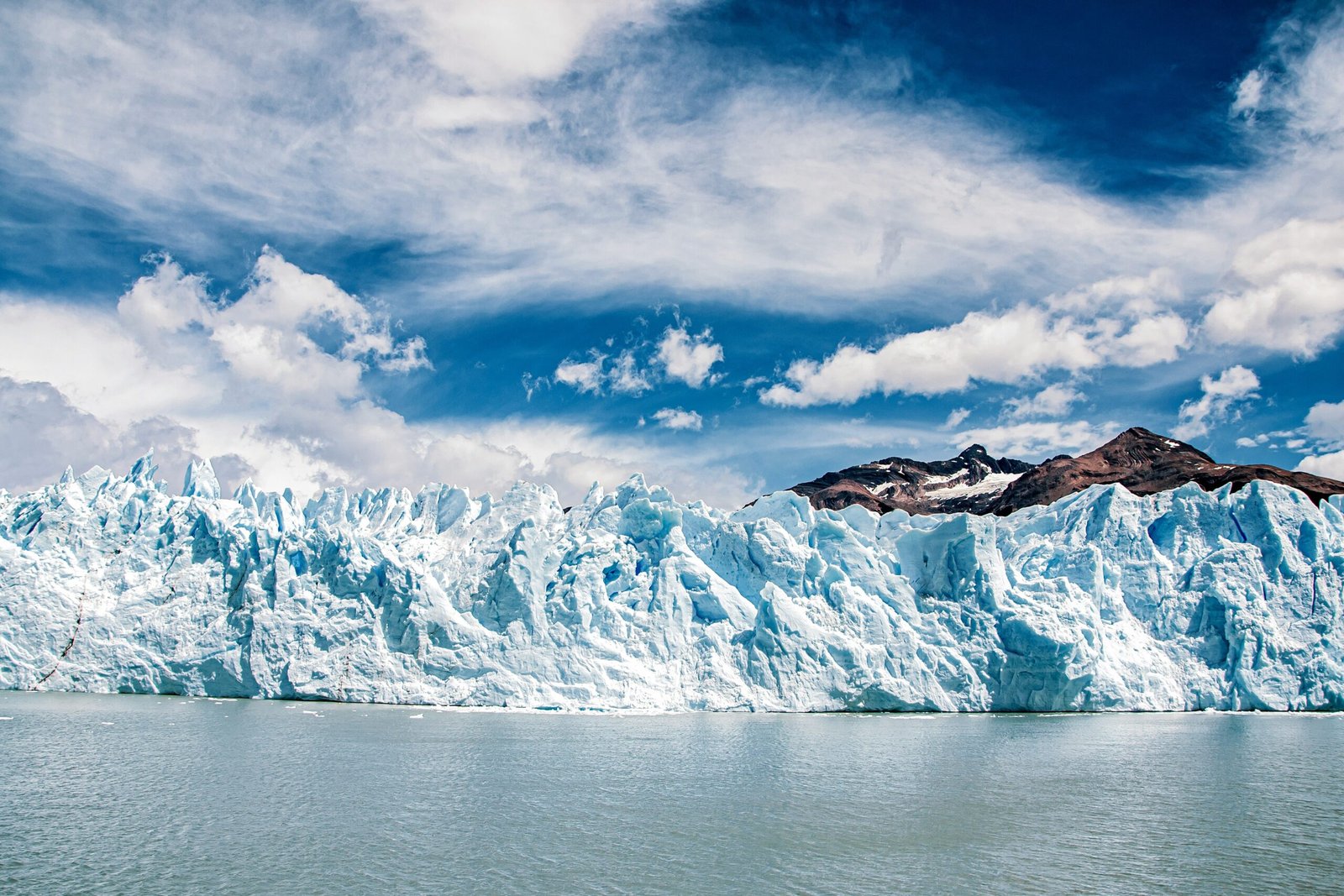
Further south, the magnificent Los Glaciares National Park protects one of Patagonia’s most spectacular mountain landscapes. Snow-covered peaks, ancient forests and immense glaciers dominate this UNESCO World Heritage Site, where the Patagonian Ice Field feeds some of the most impressive glaciers outside the polar regions.
The best known is Perito Moreno Glacier, a vast wall of blue and white ice descending into Lago Argentino. Visitors can explore a network of viewing walkways overlooking the glacier, sometimes witnessing huge sections of ice breaking away and crashing into the water.
Although the dramatic scenery is the main attraction, the surrounding forests, lakes and mountain slopes offer rewarding wildlife encounters.
Andean condors are among the highlights, their enormous wings allowing them to soar effortlessly above the mountains. The southern beech forests support austral parakeets, woodpeckers and other distinctive birds, while nearby wetlands attract Chilean flamingos, black-necked swans and numerous waterfowl.
At Laguna Nimez, close to El Calafate, trails through the wetland provide excellent opportunities for birdwatching, with the snow-capped Andes forming a beautiful backdrop.
When to go: October to April is generally the best period for visiting Los Glaciares, with longer daylight hours and more accessible walking routes. November to March is particularly popular, although Patagonia’s weather remains unpredictable throughout the year.
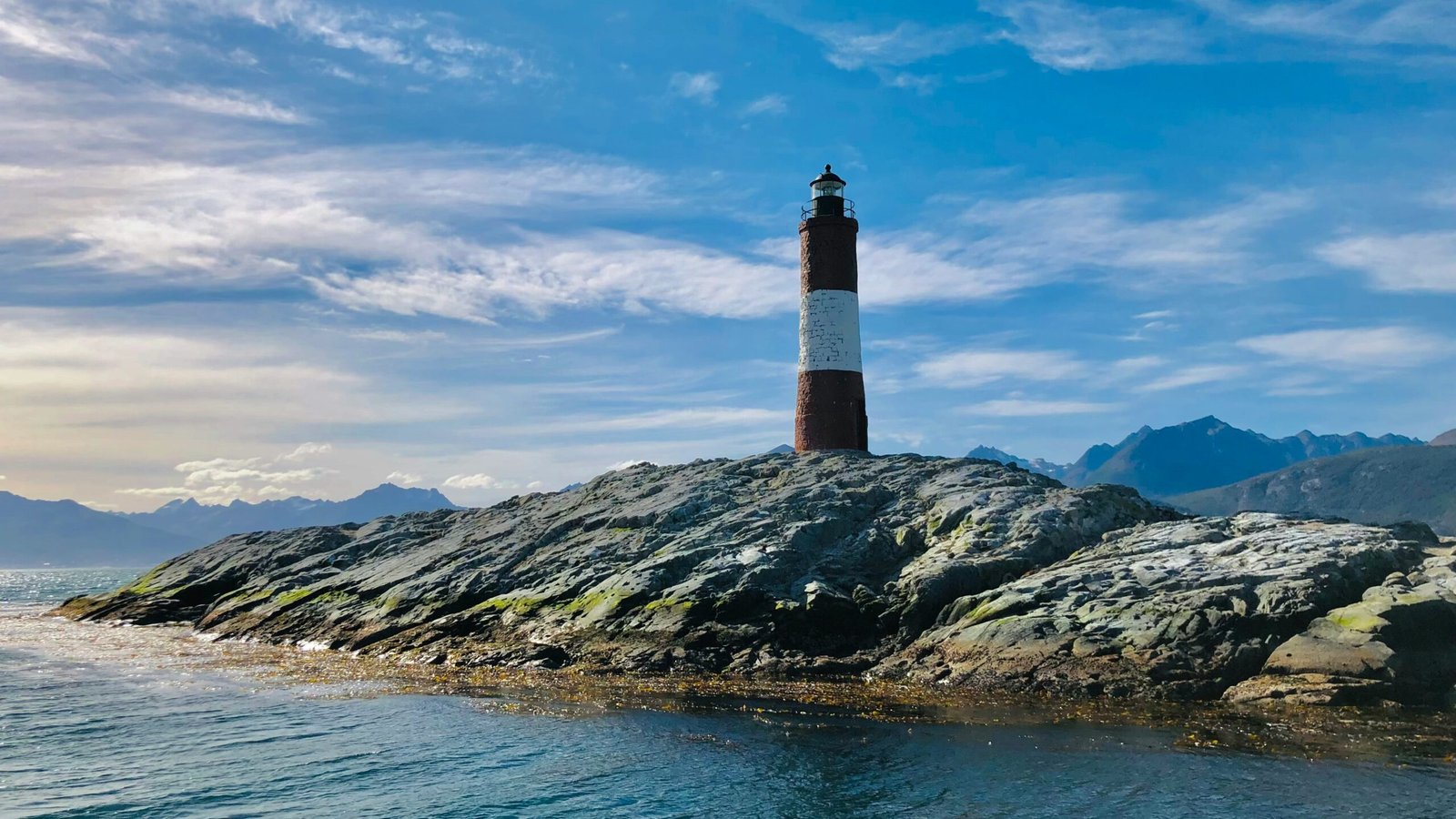
At the southern tip of South America, Tierra del Fuego is a landscape of rugged mountains, windswept coastlines and distinctive sub-Antarctic forests. The city of Ushuaia, overlooking the Beagle Channel, provides a gateway to this remote and fascinating region.
The Beagle Channel is one of the main wildlife attractions, with boat excursions offering opportunities to observe South American sea lions, seabirds and other marine life against a backdrop of snow-capped mountains and forested islands.
Nearby Tierra del Fuego National Park protects southern beech forests, peatlands, lakes and coastal habitats that support a fascinating collection of wildlife.
Birdwatchers can look for Magellanic oystercatchers, kelp geese, austral parakeets, torrent ducks and Andean condors, while guanacos and culpeo foxes inhabit the surrounding landscapes.
The region also provides an interesting insight into the environmental challenges created by introduced species, particularly North American beavers, whose dams have dramatically altered parts of the native forest ecosystem.
For many travellers, the extraordinary sense of remoteness is as memorable as the wildlife itself, with the mountains and waterways of Tierra del Fuego offering a fitting conclusion to a journey through Patagonia.
When to go: November to March offers the longest daylight hours and generally the best conditions for wildlife excursions, walking and exploring the Beagle Channel. Even during summer, temperatures are often cool and conditions can change rapidly
In Argentina’s subtropical north-east, Iguazú Falls provides a dramatic contrast to the landscapes of Patagonia. Here, hundreds of waterfalls plunge through lush rainforest, creating one of South America’s most impressive natural spectacles.
The surrounding Atlantic rainforest is among the continent’s most biologically rich and threatened habitats, supporting an extraordinary variety of birds, mammals, reptiles and insects.
Colourful toucans, aracaris, trogons, tanagers and hummingbirds inhabit the forest canopy, while coatis and capuchin monkeys are sometimes encountered along the trails.
One of the most remarkable birds is the great dusky swift, which nests behind the cascading waterfalls, flying through the spray to reach its breeding sites.
Beyond the national park, privately protected forests such as Surucua Reserve offer quieter opportunities to explore the rainforest with specialist naturalist guides. Birdwatching can be particularly rewarding, with an impressive diversity of species occupying different forest habitats.
When to go: Iguazú can be visited year-round, although September to November and March to May generally offer a pleasant balance of temperatures and rainfall. Summer can be very hot and humid, with heavy rainfall increasing the volume of water flowing over the falls.
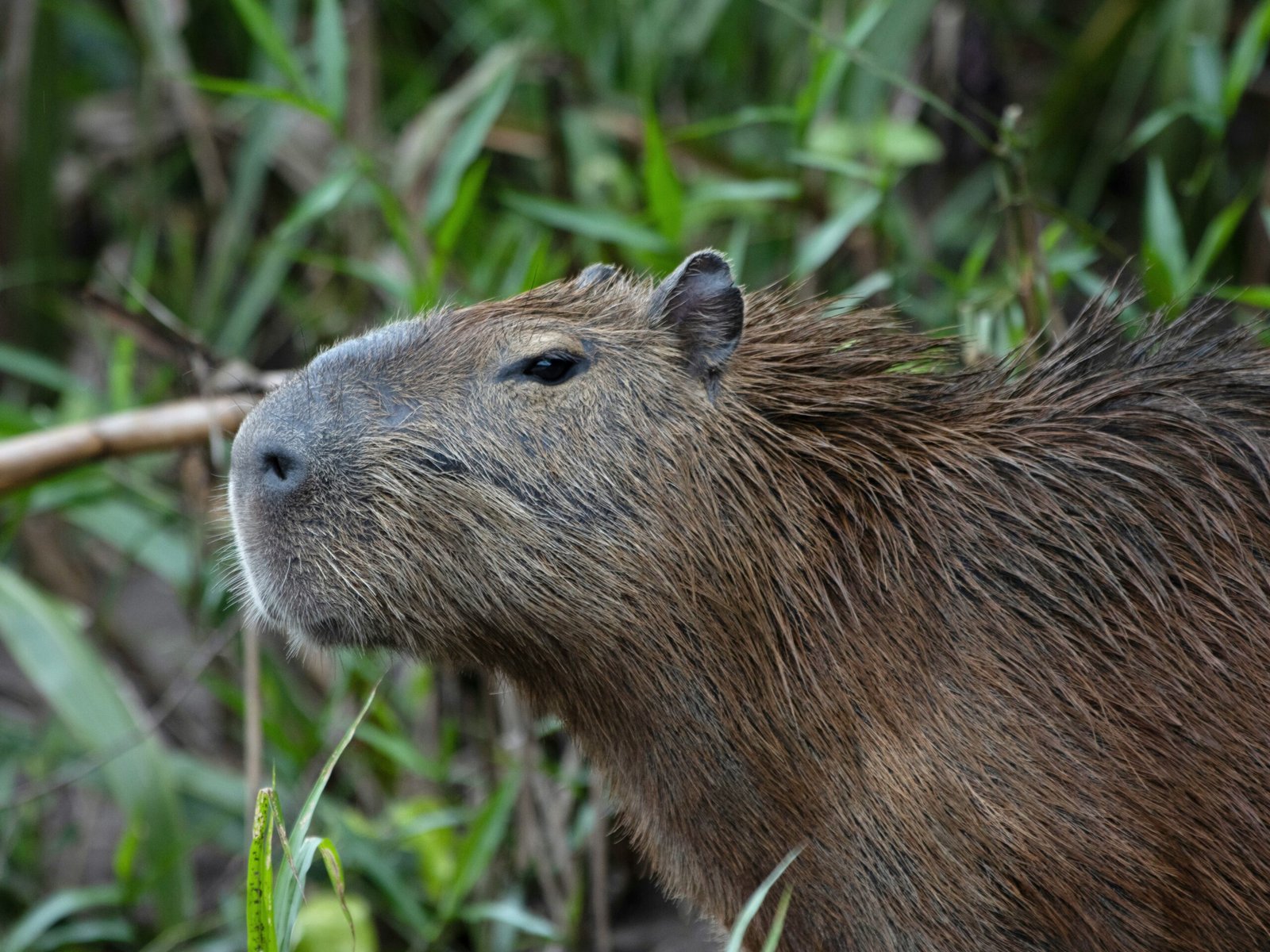
The magnificent Iberá Wetlands are one of South America’s largest freshwater wetland systems, covering a vast landscape of lagoons, marshes, floating vegetation and grasslands in north-eastern Argentina.
This is a wonderful destination for observing wildlife at close quarters, particularly on guided boat excursions through the sheltered waterways.
Capybaras, the world’s largest rodents, are frequently seen grazing beside lagoons, while caimans bask along the banks and elegant marsh deer move through the wetland vegetation.
The region is also outstanding for birdwatching, with hundreds of species recorded, including jabiru storks, herons, ibises, kingfishers and numerous colourful grassland birds.
Iberá has become internationally recognised for its ambitious rewilding programmes, led by Rewilding Argentina and its partners. Species that had disappeared from the region, including giant anteaters, giant river otters and jaguars, are being reintroduced as part of long-term efforts to restore the ecological balance of the wetlands.
While encounters with these rarer animals remain unlikely on a typical visit, their return is an inspiring example of what long-term conservation can achieve.
When to go: March to May and September to November are particularly rewarding, with generally comfortable temperatures for exploring the wetlands and excellent opportunities for birdwatching. Wildlife can be seen throughout the year, although summer is hot and humid and heavy rainfall can affect access.
Marine Mammals & Penguins
Southern Right Whales: One of Argentina’s most iconic wildlife encounters, southern right whales gather around Península Valdés each year to breed and raise their calves. September to November is generally the peak viewing period.
Orcas: Found around Patagonia’s Atlantic coastline, particularly Península Valdés, where some individuals have developed extraordinary hunting techniques. Sightings are unpredictable and highly prized.
Southern Elephant Seals: These enormous marine mammals breed along the Valdés coastline, where dominant males compete fiercely for territory and access to females.
South American Sea Lions: Widespread along Patagonia’s coast, often gathering in large colonies on beaches and rocky headlands.
Magellanic Penguins: Large breeding colonies occur along the Atlantic coast, including Península Valdés and Punta Tombo. The breeding season generally runs from September to March.
Terrestrial Mammals
Pumas: Patagonia’s largest native predator, increasingly observed in Parque Patagonia with the help of specialist trackers.
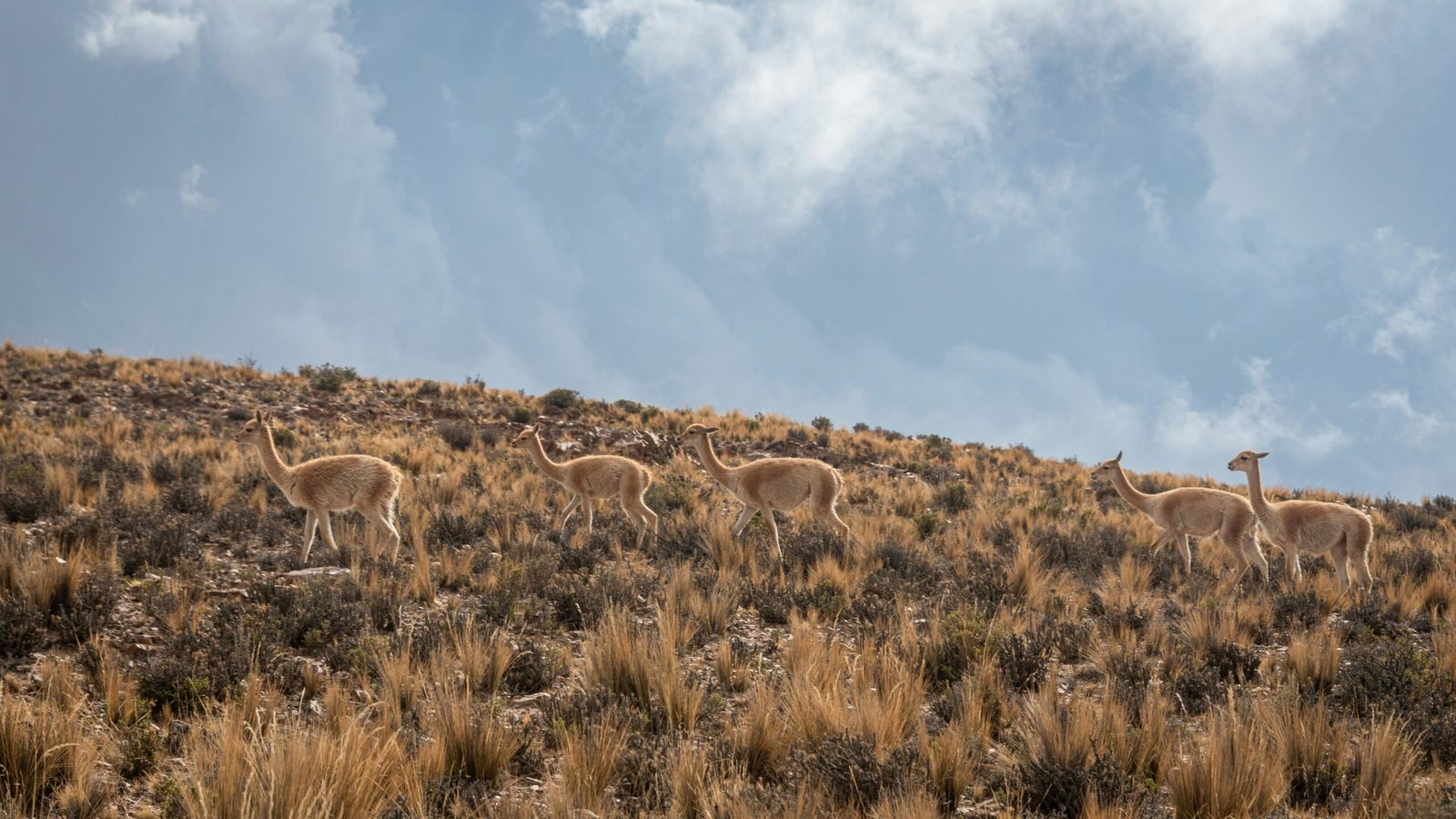
Guanacos: Wild relatives of the llama, found across Patagonia’s open grasslands and an important prey species for pumas.
Patagonian Maras: Unusual, long-legged rodents resembling a cross between a hare and a small deer, frequently encountered on the Patagonian steppe.
Capybaras: Abundant in the Iberá Wetlands, often grazing beside water or resting in groups along the banks.
Marsh Deer: One of South America’s largest deer species, favouring wetland habitats and particularly associated with Iberá.
Howler Monkeys: Found in the forests of northern Argentina, including parts of the Iberá region and the Atlantic rainforest.
Birds
Andean Condors: Among the world’s largest flying birds, these impressive scavengers soar above Patagonia’s mountain ranges and canyons.
Darwin’s Rheas: Flightless birds adapted to the open landscapes of Patagonia, where they forage across grasslands and scrub.
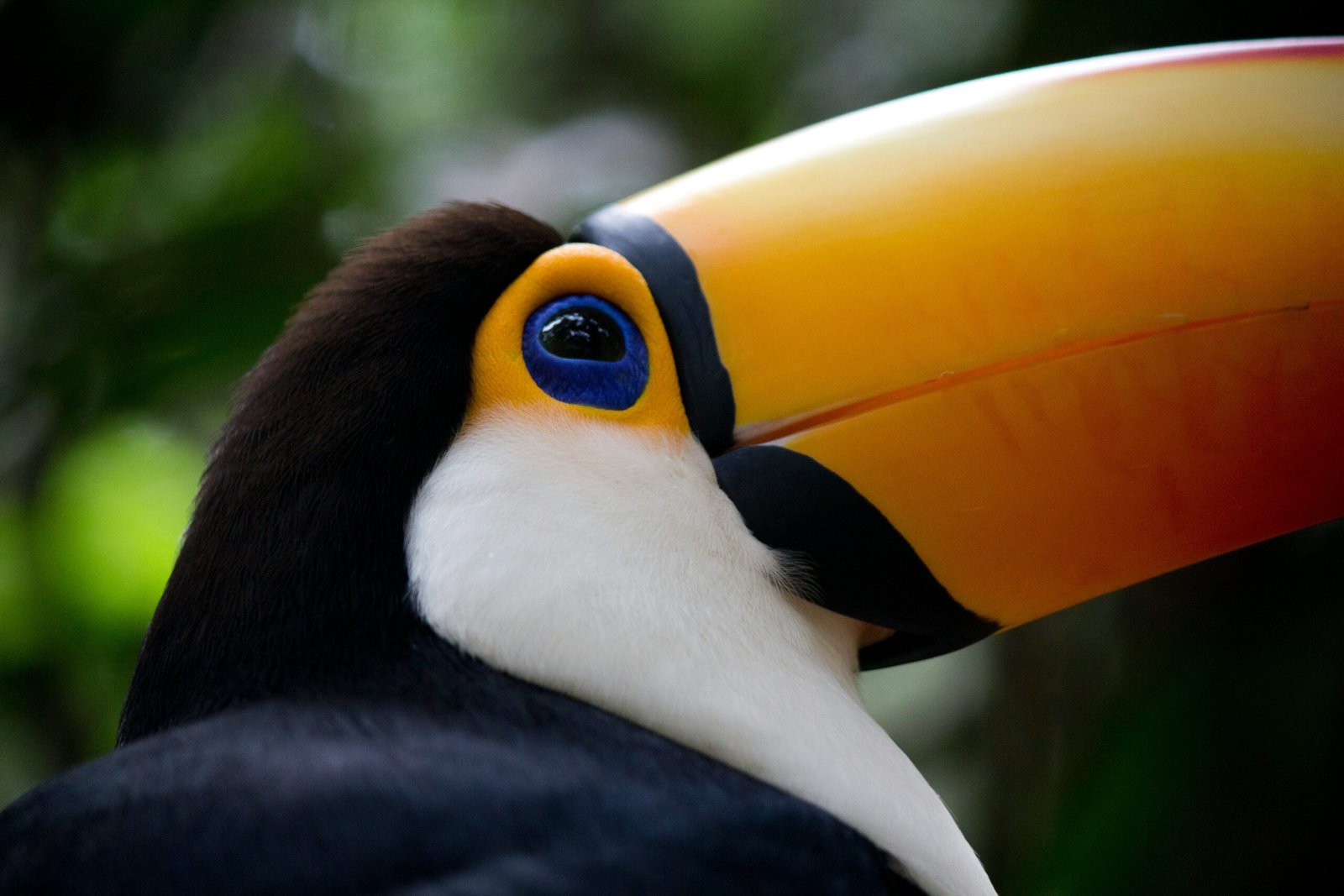
Toucans & Aracaris: Colourful fruit-eating birds associated with the Atlantic rainforest of northern Argentina.
Hummingbirds: Numerous species inhabit the northern forests, often providing wonderful opportunities for close observation and photography.
Wetland Birds: The Iberá Wetlands support an exceptional variety of herons, storks, ibises, kingfishers, rails and other waterbirds, making the region one of Argentina’s finest birdwatching destinations.