
Brazil
From the vast waterways of the Amazon to the wildlife-rich wetlands of the Pantanal, Brazil is one of the world’s most extraordinary destinations for nature lovers. Its rainforests, rivers and tropical savannahs shelter an astonishing variety of wildlife, including jaguars, giant river otters, tapirs, monkeys and brilliantly coloured birds.
In the Pantanal, boat safaris offer some of the finest opportunities anywhere to observe wild jaguars, while hyacinth macaws, caimans and capybaras thrive along its waterways. Beyond the wetlands, the Cerrado reveals a different world, where rare maned wolves roam open grasslands and researchers work to protect elusive black jaguars.
Deep in the Amazon rainforest, ancient trees, hidden waterways and extraordinary birdlife create another unforgettable wildlife experience.
Life in Abundance.
Brazil JOURNEY INSPIRATION
Our travel network specialises in tailormade holidays and carefully selected small-group journeys, with a focus on responsible wildlife travel. Wherever possible, we favour lower-impact experiences, locally owned or community-connected accommodation, and operators whose work supports conservation and local livelihoods.
Below you’ll find a selection of suggested trips, with price guides, combining destinations, camps and lodges that we think work particularly well together. There are many more possibilities, so these are intended simply as a starting point.
When you’re ready to explore your options, please complete an enquiry form. We’ll put you in touch with the most relevant specialist partner team, who can discuss your interests and budget and either tailor an itinerary for you or recommend the most suitable small-group departure.
Explore one of South America’s greatest wildlife destinations on this specialist small-group safari through the Northern Pantanal, a vast seasonal wetland where extraordinary numbers of mammals, reptiles and birds gather along its waterways.
Travel along the famous Transpantaneira, watching for capybaras, yacaré caimans, giant anteaters, Brazilian tapirs and hyacinth macaws, before spending four nights aboard a small houseboat in the heart of the Pantanal’s celebrated jaguar-viewing region. Daily boat excursions offer exceptional opportunities to observe wild jaguars and giant river otters in their natural habitat.
The journey also includes two contrasting wildlife lodges, with guided walks, safari drives, birdwatching and an opportunity to visit a specialist hide for the elusive ocelot. Travelling in a group of no more than ten, accompanied by an expert local naturalist guide, this is a rewarding introduction to the Pantanal’s extraordinary biodiversity.
The tour leader profiled for this journey is Tom Proença, who grew up in Poconé, the gateway to the Northern Pantanal. A naturalist guide since 2011, Tom has studied biology and has extensive experience leading wildlife, photography and birdwatching tours. The appointed local guide may vary between departures.
Day 1: Depart the UK
Depart London Heathrow on an overnight flight to São Paulo, connecting onwards to Cuiabá, the gateway to the Northern Pantanal.
Day 2: Cuiabá & the Transpantaneira
Arrive in Cuiabá and begin the journey south towards the Pantanal, passing through the town of Poconé before joining the famous Transpantaneira.
This raised dirt-and-gravel road crosses a remarkable landscape of wetlands, grasslands and forest, with wildlife frequently visible beside the road.
Transfer to an open-sided safari vehicle, ideal for spotting animals and birds as you travel. Look for capybaras grazing beside pools, yacaré caimans basking in the sunshine, and herons, egrets, ibises and storks searching the shallows for food.
Continue to Pouso Alegre, your base for the next two nights.
This traditional wildlife lodge lies within an 8,000-hectare property and provides simple en-suite accommodation. Its great attraction is its exceptional location, with hyacinth macaws roosting in the grounds and Brazilian tapirs sometimes visiting nearby waterholes.
Day 3: Wildlife at Pouso Alegre
Spend the day exploring the varied habitats surrounding Pouso Alegre, accompanied by your naturalist guide.
Forest trails and safari drives offer opportunities to encounter South American coatis, agoutis, black-tailed marmosets, deer and Brazilian tapirs. The lodge’s fruiting trees attract colourful birds, including chestnut-eared aracaris, while the open grasslands support greater rheas and red-legged seriemas.
During the dry season, shrinking pools can attract larger mammals, including giant anteaters, as animals search for water.
After dark, enjoy a night safari drive along the lodge’s entrance track, looking for nocturnal wildlife such as crab-eating foxes, raccoons, tapirs and possibly ocelots or southern tamanduas.
Return to Pouso Alegre for the night.
Day 4: Porto Jofre & the Jaguar Zone
Travel further south along the Transpantaneira, enjoying more wildlife sightings as you approach Porto Jofre.
The journey passes through excellent birdwatching country, where hawks, kites, kingfishers and waterbirds are frequently encountered. There may also be opportunities to see marsh deer, peccaries and other mammals.
At Porto Jofre, board a motorised boat and travel along the Cuiabá and Three Brothers Rivers into the heart of the Pantanal’s celebrated Jaguar Zone.
These rivers provide some of the finest jaguar-watching opportunities in the Americas, particularly during the dry season when the cats regularly patrol the riverbanks.
Arrive at Naturezas Houseboat, your home for the next four nights.
This purpose-built vessel has just seven en-suite cabins and is moored in a particularly productive wildlife area. Unlike a conventional riverside lodge, the houseboat can be repositioned periodically to improve access to wildlife-rich stretches of river.
After settling in, head out on your first afternoon boat safari in search of jaguars, giant river otters and the many other creatures inhabiting these waterways.
Days 5–7: Jaguar & Giant River Otter Watching
Enjoy three full days exploring the rivers and channels of the Northern Pantanal, travelling by small motorised boat with your expert naturalist guide.
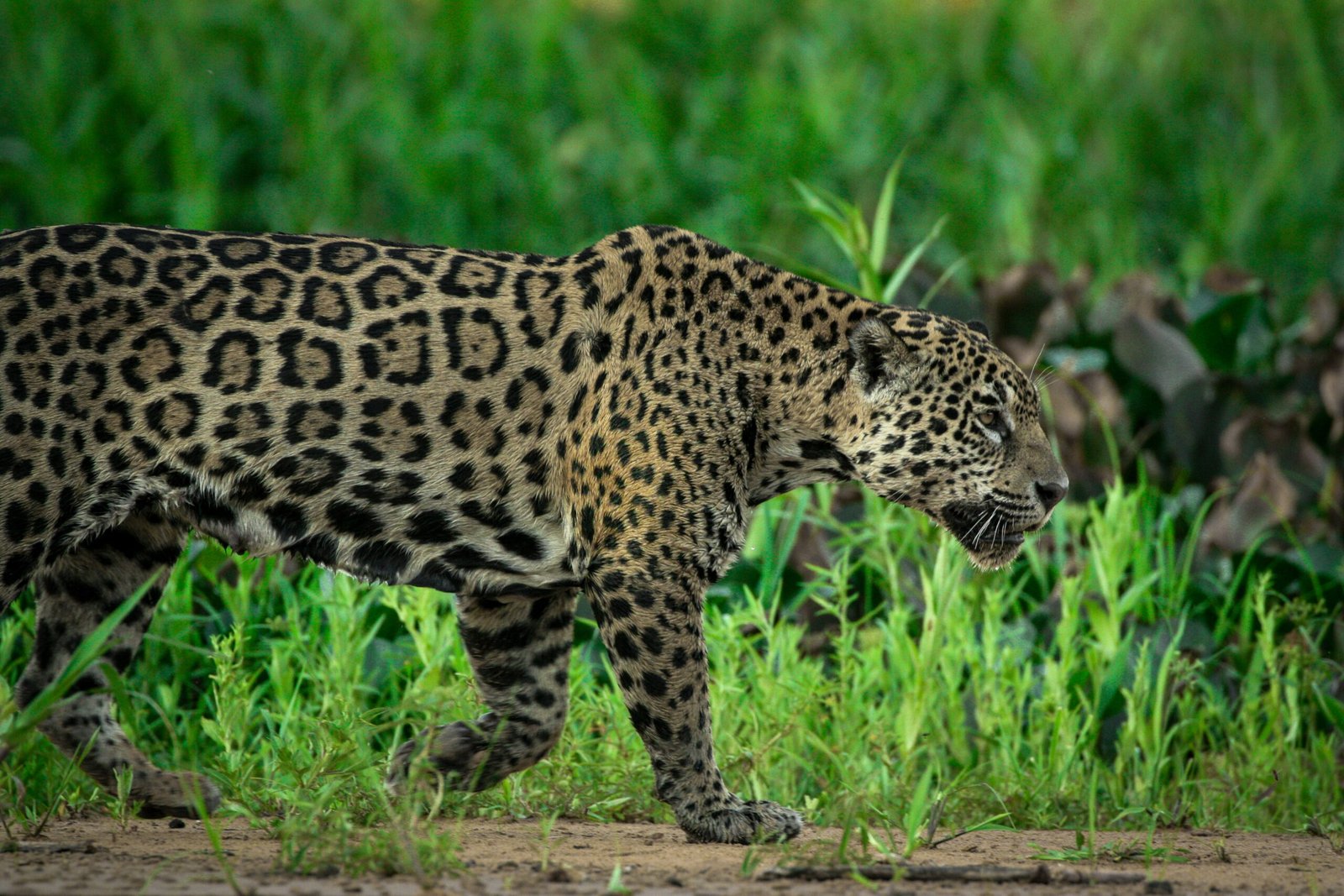
Your principal target is the magnificent jaguar, the largest wild cat in the Americas. The riverbanks around Porto Jofre have become famous for their remarkably consistent jaguar sightings, with cats often observed resting in the shade, moving along sandy banks or hunting near the water’s edge.
Time spent quietly scanning the riverbanks may reveal extraordinary moments, perhaps a jaguar emerging from the vegetation or slipping silently into the water.
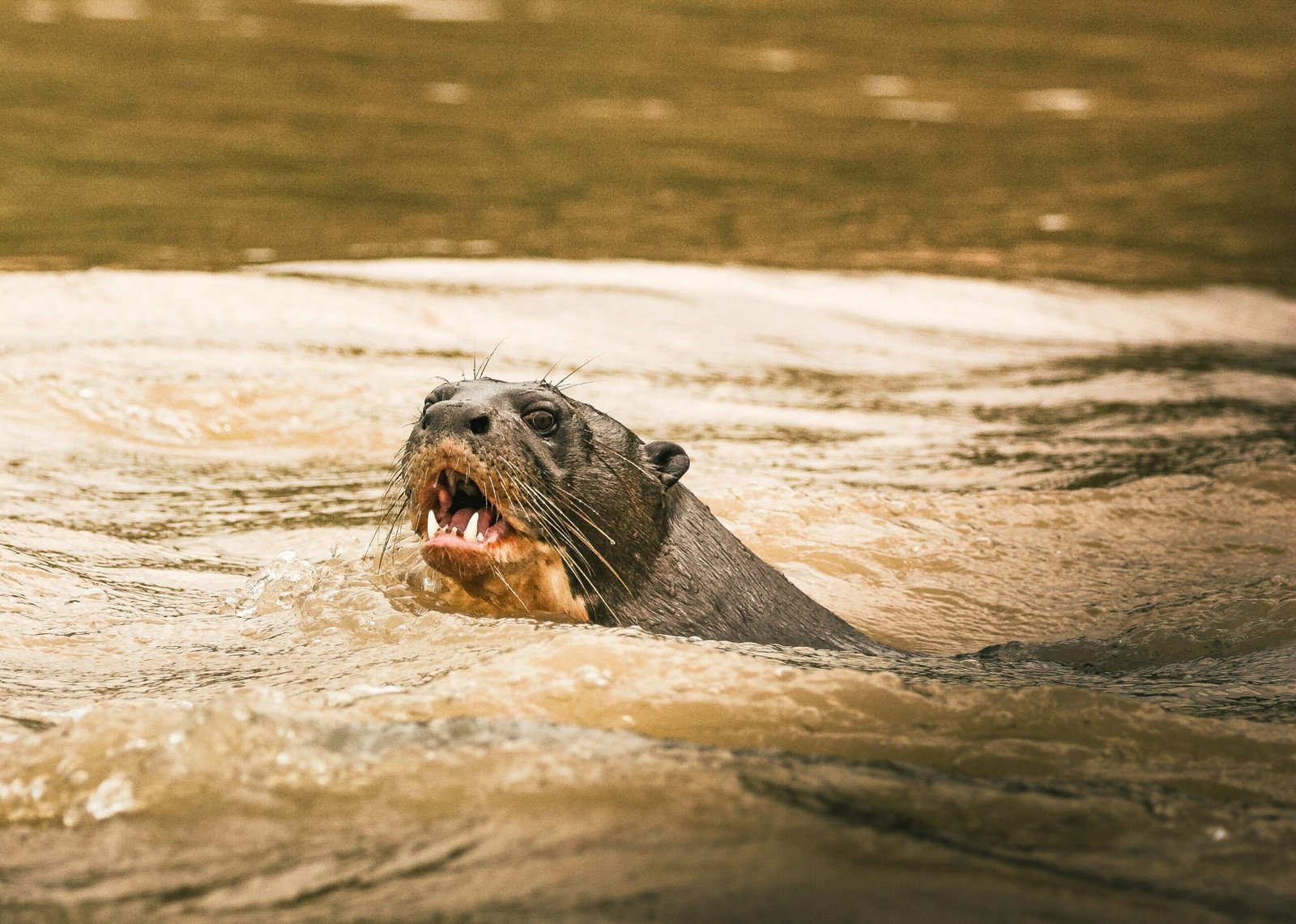
The rivers are also home to giant river otters, highly social and vocal mammals that live in family groups. Watching them fishing, communicating and interacting on the waterways is one of the great pleasures of a Pantanal safari.
Other wildlife includes capybaras, yacaré caimans, Brazilian tapirs, black skimmers, terns, storks and kingfishers, alongside an impressive variety of birds of prey.
Excursions generally take place in the cooler morning and afternoon periods, maximising the opportunity for wildlife encounters. The open boats provide excellent visibility for watching and photography.
The increased popularity of jaguar watching means some sightings attract several boats. Your guides will assess conditions and, where possible, explore quieter channels to enjoy a more peaceful wildlife experience.
Return each evening to Naturezas Houseboat, surrounded by the sounds of the Pantanal.
Day 8: Return Along the Transpantaneira
After a final morning boat journey towards Porto Jofre, travel north along the Transpantaneira to your last wildlife lodge.
Continue watching for wildlife along the roadside before arriving at SouthWild Pantanal Lodge, situated beside the Pixaim River.
This comfortable but informal lodge offers 15 air-conditioned en-suite rooms, a swimming pool and easy access to excellent birdwatching and wildlife habitats.
The lodge also has two wildlife observation towers and a specially constructed hide offering opportunities to see ocelots after dark.
Enjoy an afternoon walk or safari drive before dinner.
Days 9–10: Ocelots, Birds & Forest Wildlife
Spend two full days exploring the forests, wetlands and waterways around SouthWild Pantanal Lodge.
The lodge lies beside an area of gallery forest, a particularly species-rich habitat supporting numerous mammals and birds.
Take guided walks in search of capuchin monkeys, black-and-gold howler monkeys, forest birds and other wildlife, or enjoy boat excursions along the Pixaim River.
The waterways attract herons, kingfishers, ibises, caimans and numerous other creatures. With luck, you may encounter the beautiful and elusive agami heron.
Birdwatchers will particularly enjoy the lodge’s observation towers, including one near a jabiru stork nest, and feeders that attract toucans and colourful tropical birds.
A particularly exciting opportunity is an evening visit to the ocelot hide. This carefully managed viewing area offers unusually good prospects of observing this normally secretive spotted wild cat. Sightings remain dependent on the animals’ movements, but the hide has an excellent record.
Further night drives offer opportunities to search for other nocturnal mammals and birds.
Return each evening to SouthWild Pantanal Lodge.
Days 11–12: Return to the UK
Travel back to Cuiabá Airport, with further opportunities to observe wildlife along the Transpantaneira.
Fly via São Paulo to London Heathrow, arriving the following day.
 Responsible travel
The Pantanal is one of the world’s largest tropical wetlands, supporting an extraordinary concentration of wildlife and providing vital habitat for jaguars, giant river otters, Brazilian tapirs, hyacinth macaws and many other species.
This journey explores the region with experienced local naturalist guides, visiting wildlife-focused lodges and travelling by small boat, on foot and in safari vehicles.
The increasing importance of wildlife tourism in the Pantanal provides an economic incentive to maintain natural habitats and protect animals that have historically faced threats from hunting and habitat loss.
Staying aboard Naturezas Houseboat allows access to productive jaguar-watching waters, while its ability to change mooring locations can help the operation seek quieter areas. Guides assess sightings and may move away from heavily visited stretches of river when appropriate.
Visits to Pouso Alegre and SouthWild Pantanal Lodge introduce travellers to a wider range of wetland and forest habitats, encouraging an appreciation of the remarkable variety of species that depend on this ecosystem.
Why we like this trip
A superb choice for travellers whose principal ambition is to see wild jaguars in the Pantanal, but who also want to experience the region’s extraordinary range of other wildlife.
We particularly like the four-night stay aboard Naturezas Houseboat, which places guests close to the most productive jaguar-watching stretches of river. Dedicated boat excursions offer excellent opportunities to encounter jaguars and giant river otters, while the small group size allows for a more personal experience.
The two land-based lodges add important variety. Pouso Alegre is especially rewarding for tapirs and hyacinth macaws, while SouthWild Pantanal Lodge offers forest walks, observation towers and an exciting opportunity to watch elusive ocelots.
Accommodation is deliberately simple and comfortable rather than luxurious, with the emphasis firmly on excellent guiding, carefully chosen locations and memorable wildlife encounters.
Price Guide
Per person sharing: 12 days from £7,595 per person including return international flights from the UK.
- This is a 12-day small-group wildlife tour, with a maximum of ten participants.
- The journey focuses on the Northern Pantanal, beginning and ending in Cuiabá.
- Return flights from London Heathrow and connecting domestic flights are included.
- The tour is accompanied by an experienced, English-speaking local naturalist guide, Tom Proença.
- The Pantanal can be hot, and the Transpantaneira dusty during the dry season. Boat safaris use uncovered vessels, so appropriate sun protection is essential.
- A reasonable level of fitness is recommended for short nature walks, getting in and out of boats and travelling on uneven roads.
Departure Dates
2027
- 3 June 2027 – from £7,595 per person
- 24 June 2027 – from £7,595 per person
- 17 July 2027 – from £7,595 per person
- 2 August 2027 – from £7,595 per person
- 22 August 2027 – from £7,595 per person
- 23 September 2027 – from £7,595 per person
2028
- 6 June 2028 – from £8,295 per person
- 4 July 2028 – from £8,295 per person
- 10 August 2028 – from £8,295 per person
- 25 August 2028 – from £8,295 per person
- 26 September 2028 – from £8,295 per person
- 8 October 2028 – from £8,295 per person
- 16 October 2028 – from £8,295 per person
All dates and prices are subject to availability and confirmation.
Includes
- Return international flights from the UK
- Domestic flights within Brazil as indicated
- Nine nights’ accommodation in wildlife lodges and aboard Naturezas Houseboat and all meals
- Airport transfers and transport throughout the tour
- Guided boat safaris in the jaguar-viewing area
- Wildlife walks, safari drives and night excursions as described
- Services of an experienced local naturalist guide
Excludes
- Travel insurance
- Gratuities
- Drinks unless otherwise specified
- Personal expenses
ENQUIRE
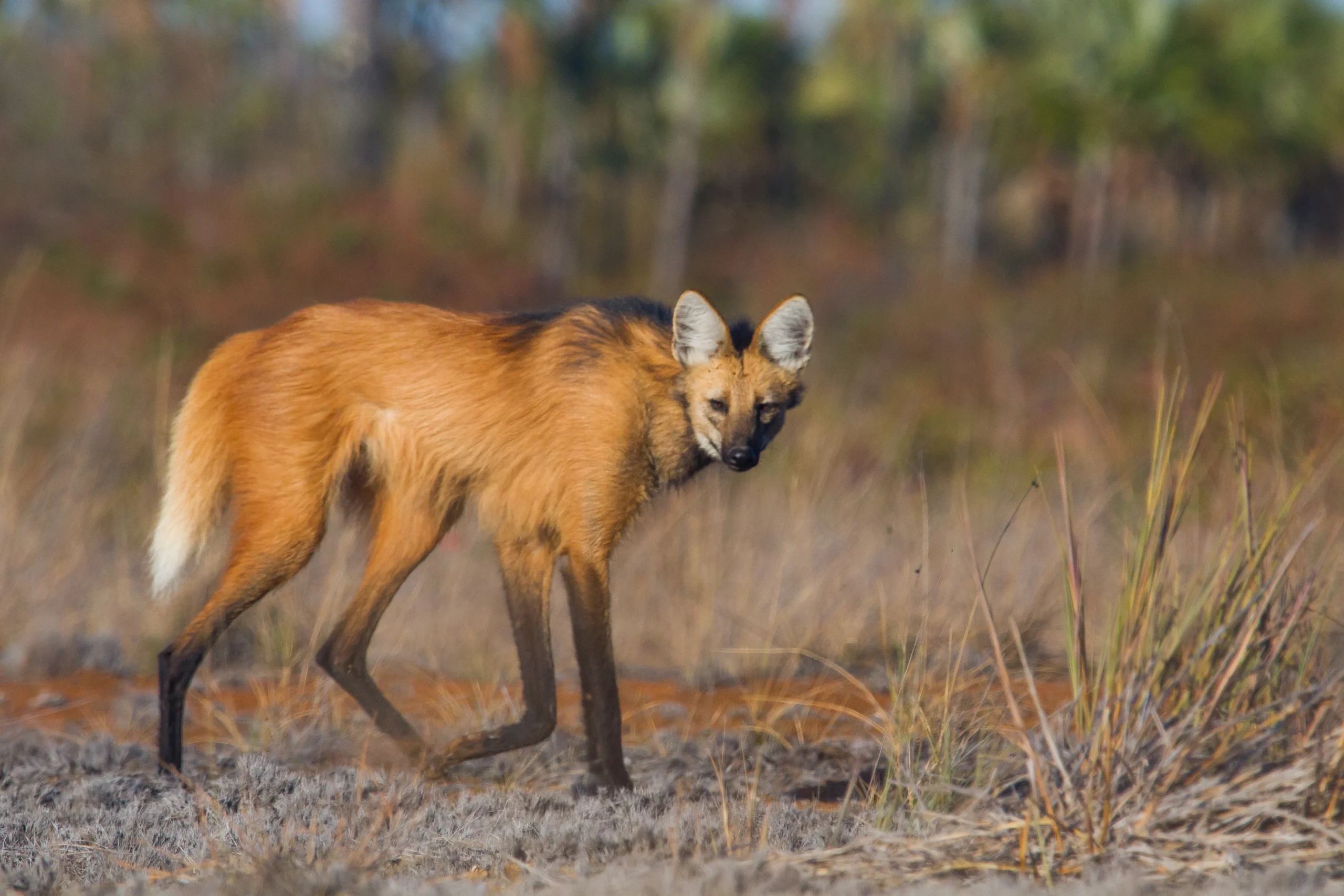
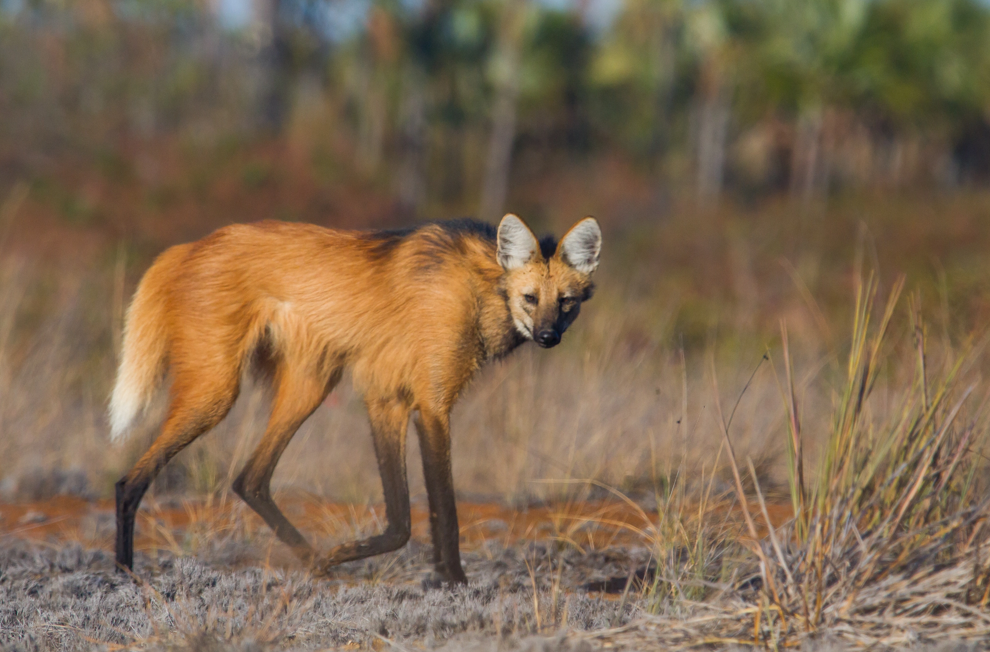
Image: Maned Wolf – Oncafari – Pousada Trijunção
Deep in Brazil’s Cerrado savannah, an extraordinary wildlife encounter awaits. Travel with researchers from Onçafari, the pioneering Brazilian conservation organisation, in search of one of the world’s most elusive predators: the black jaguar.
At Trijunção Private Reserve, a protected wilderness of 33,000 hectares, melanistic jaguars occur at an unusually high frequency. Accompany Onçafari’s specialists as they use radio tracking and field observations to search for these magnificent cats, gaining a rare insight into conservation research in action.
Beyond the jaguars, the Cerrado is home to maned wolves, giant anteaters, armadillos and colourful macaws. With seven nights at the beautiful Pousada Trijunção, this is an exceptional opportunity to experience a little-known side of Brazil.
Day 1: Brasília & Trijunção Private Reserve
Arrive in Brasília and transfer to Pousada Trijunção, approximately five hours away.
Set within the private reserve, this intimate lodge offers just nine comfortable en-suite rooms, surrounded by gardens visited by birds and black-tufted marmosets.
Your first afternoon or evening excursion introduces the remarkable maned wolf, a distinctive long-legged canid that patrols the grasslands around dusk.
Days 2–7: Black Jaguar Tracking & Cerrado Wildlife
Spend six days accompanying Onçafari’s research team in search of a rare melanistic jaguar.
Using radio telemetry and specialist tracking techniques, researchers work to locate a collared male within the vast reserve. Depending on conditions, excursions may involve travelling by vehicle, quad bike or on foot.
Along the way, discover the Cerrado’s extraordinary wildlife, including giant anteaters, armadillos, brocket deer, macaws and red-legged seriemas.
Evening excursions focus on maned wolves and other nocturnal animals, offering further opportunities to learn about Onçafari’s conservation work.
Black jaguars are exceptionally elusive and sightings cannot be guaranteed, but the opportunity to accompany researchers in the field makes this a fascinating and unusual wildlife experience.
Return each evening to Pousada Trijunção.
Day 8: Return to Brasília
Enjoy a final morning wildlife excursion before transferring to Brasília Airport for your onward journey.
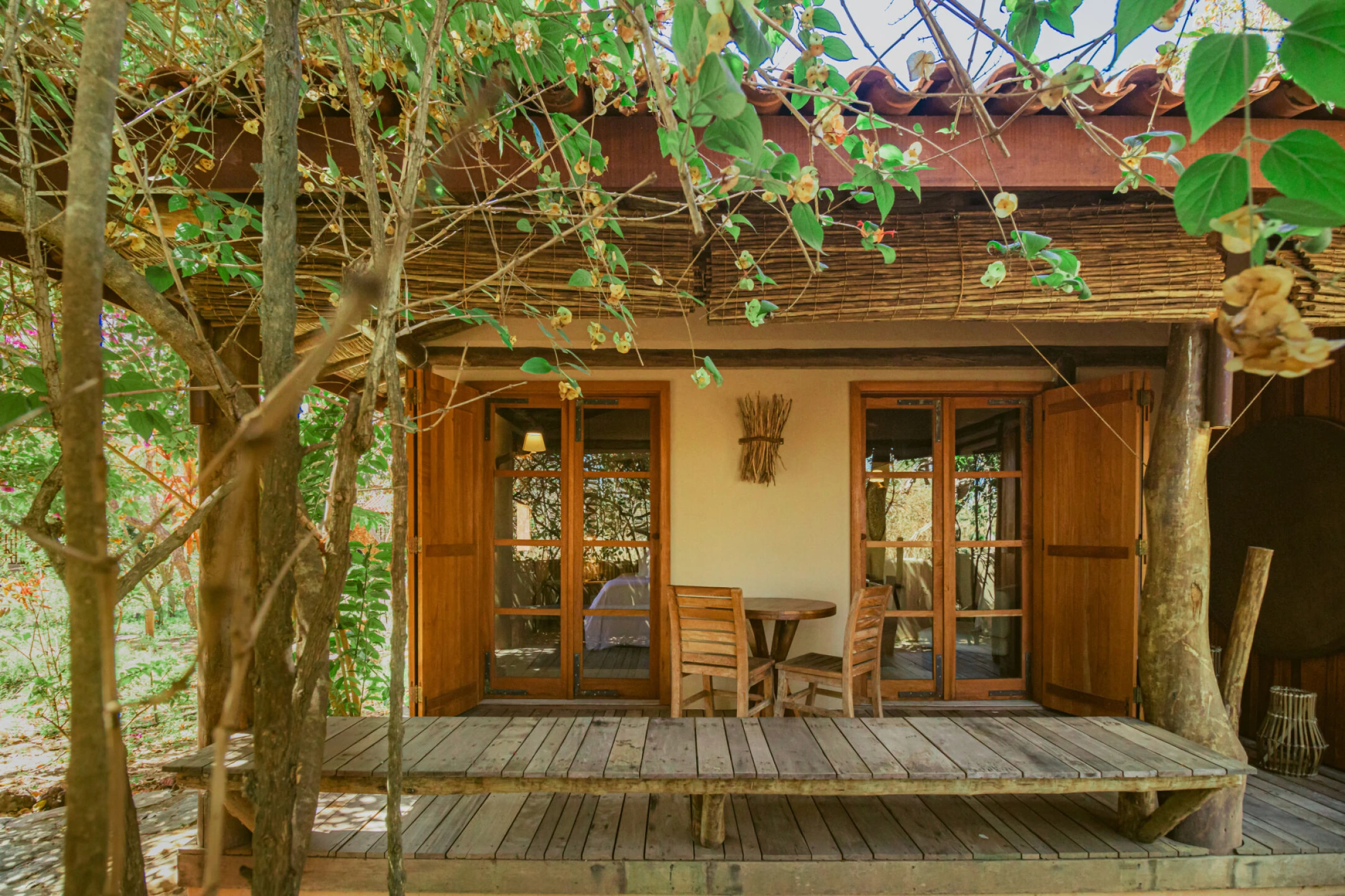 Image: Pousada Trijunção
Responsible travel
Explorers Against Extinction partnered with Onçafari in 2021, supporting its pioneering wildlife rewilding programme, including the rehabilitation of an orphaned puma.
This itinerary offers a fascinating introduction to another aspect of Onçafari’s conservation work, with opportunities to accompany researchers monitoring jaguars and maned wolves in the wild.
The 33,000-hectare Trijunção Private Reserve protects an important area of the threatened Cerrado ecosystem, providing habitat for rare predators and an extraordinary variety of other wildlife.
Why we like this trip
Few wildlife holidays offer such direct insight into big cat research and conservation. The prospect of encountering a wild black jaguar is extraordinary, but travelling alongside the Onçafari team makes the experience rewarding regardless of sightings.
We also love the opportunity to explore the lesser-known Cerrado, particularly the chance to encounter maned wolves, while enjoying the comfort and seclusion of Pousada Trijunção.
Price Guide
8 days from £13,295 per person excluding international flights.
- Tailormade itinerary with seven nights at Pousada Trijunção.
- Starts and finishes in Brasília.
- Specialist wildlife excursions with the Onçafari research team.
- International flights can be arranged by our travel partner.
- Black jaguar sightings are not guaranteed.
Includes
- Seven nights’ accommodation at Pousada Trijunção
- Most meals
- Airport transfers
- Guided wildlife excursions and research activities as described
Excludes
- International flights
- Travel insurance
- Gratuities, drinks and personal expenses
- Additional excursions or arrangements not included in the quotation
ENQUIRE
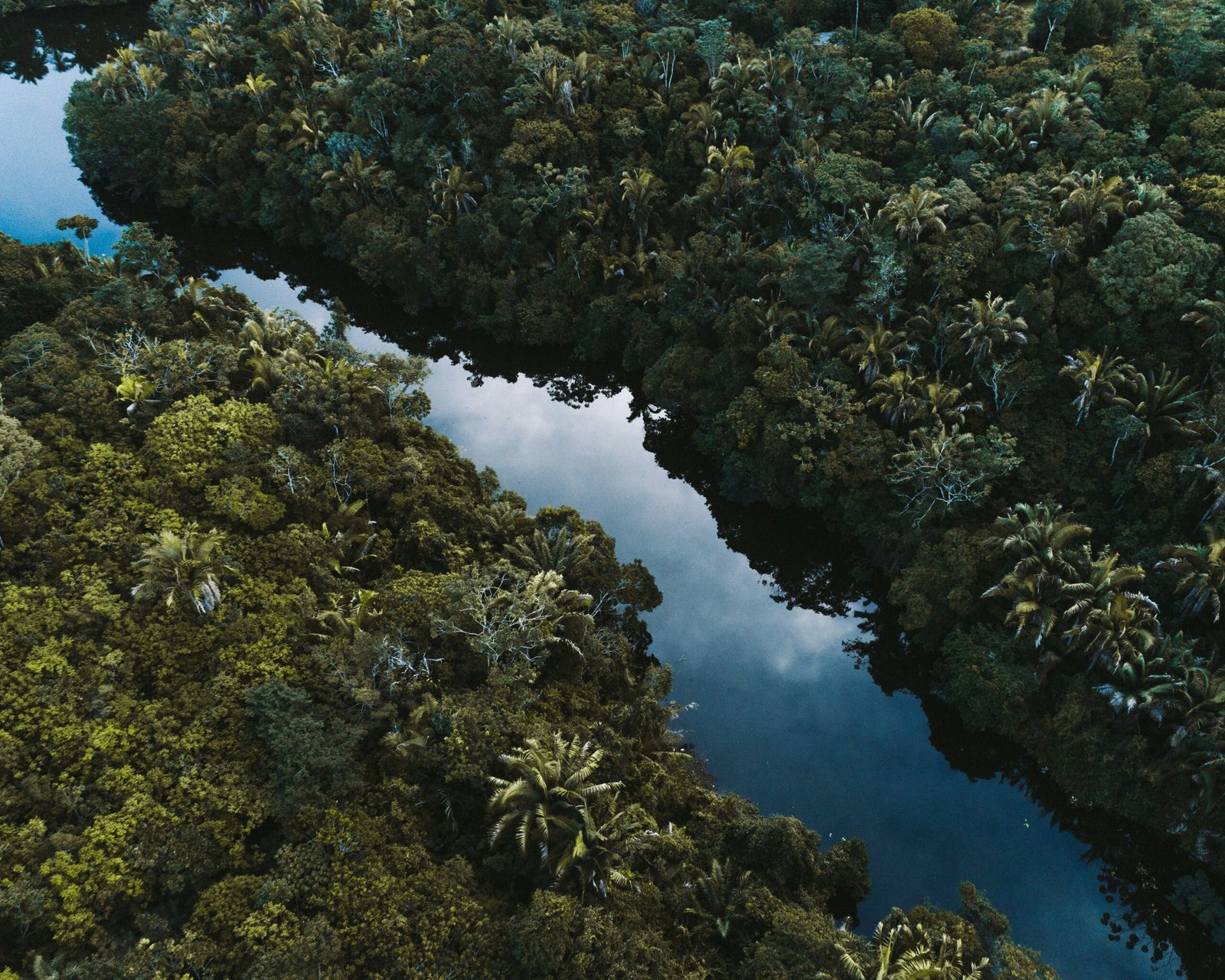
Discover the extraordinary biodiversity of Brazil on this small-group wildlife adventure through three of the country’s most remarkable ecosystems: the Amazon rainforest, Cerrado savannah and Northern Pantanal.
From the treetops of the Amazon to the open grasslands of the Cerrado, search for monkeys, tapirs, giant anteaters and elusive maned wolves, before heading into the Pantanal for thrilling encounters with wild jaguars and giant river otters. Along the way, enjoy exceptional birdwatching, comfortable wildlife lodges and an intimate houseboat experience deep in jaguar territory.
Day 1: Depart the UK
Fly from London Heathrow to São Paulo, arriving the following day.
Days 2–6: Amazon Rainforest & Cristalino Reserve
Continue to Alta Floresta before travelling by road and boat into the heart of the southern Amazon rainforest.
Spend five nights at Cristalino Lodge, an outstanding eco-lodge set within a private rainforest reserve of almost 12,000 hectares.
Explore ancient forest trails, tranquil waterways and remarkable 50-metre-high observation towers, offering unforgettable views across the rainforest canopy.
Look for spider monkeys, white-nosed saki monkeys, howler monkeys, Brazilian tapirs and colourful macaws. Birdlife is exceptional, with possibilities including toucans, cotingas and the elusive harpy eagle.
Cristalino Lodge combines comfortable accommodation with excellent guiding and a strong commitment to rainforest conservation.
Day 7: Campinas
Return to Alta Floresta and fly to Campinas, where you spend the night at Ramada by Wyndham Campinas Viracopos before continuing your journey.
Days 8–11: Cerrado Savannah & Maned Wolves
Fly to Brasília and travel to Trijunção Private Reserve, a protected landscape of 33,000 hectares in Brazil’s fascinating Cerrado.
Stay for four nights at Pousada Trijunção, an intimate nine-room lodge surrounded by native savannah, woodland and gardens alive with birds.
Your principal wildlife target is the extraordinary maned wolf, a long-legged, fox-like canid that patrols the grasslands, particularly around dawn and dusk.
Guided drives and walks also offer opportunities to encounter giant anteaters, armadillos, brocket deer, macaws and red-legged seriemas, while evening excursions reveal the Cerrado’s fascinating nocturnal wildlife.
The reserve’s conservation work, beautiful landscapes and unusual wildlife make this a particularly rewarding part of the journey.
Day 12: Journey to Cuiabá
Leave Trijunção and travel to Brasília for your flight to Cuiabá, gateway to the Northern Pantanal.
Overnight at Hotel Deville Prime.
Days 13–14: Northern Pantanal & Araras Eco Lodge
Travel south along the famous Transpantaneira, an extraordinary wildlife-watching road crossing the seasonal wetlands of the Pantanal.
Spend two nights at Pousada Araras Eco Lodge, surrounded by more than 3,000 hectares of wildlife-rich private land.
Explore by safari vehicle and on foot, looking for hyacinth macaws, capybaras, yacaré caimans, howler monkeys and Brazilian tapirs. Observation towers provide wonderful birdwatching opportunities, while evening excursions may reveal giant anteaters and other elusive mammals.
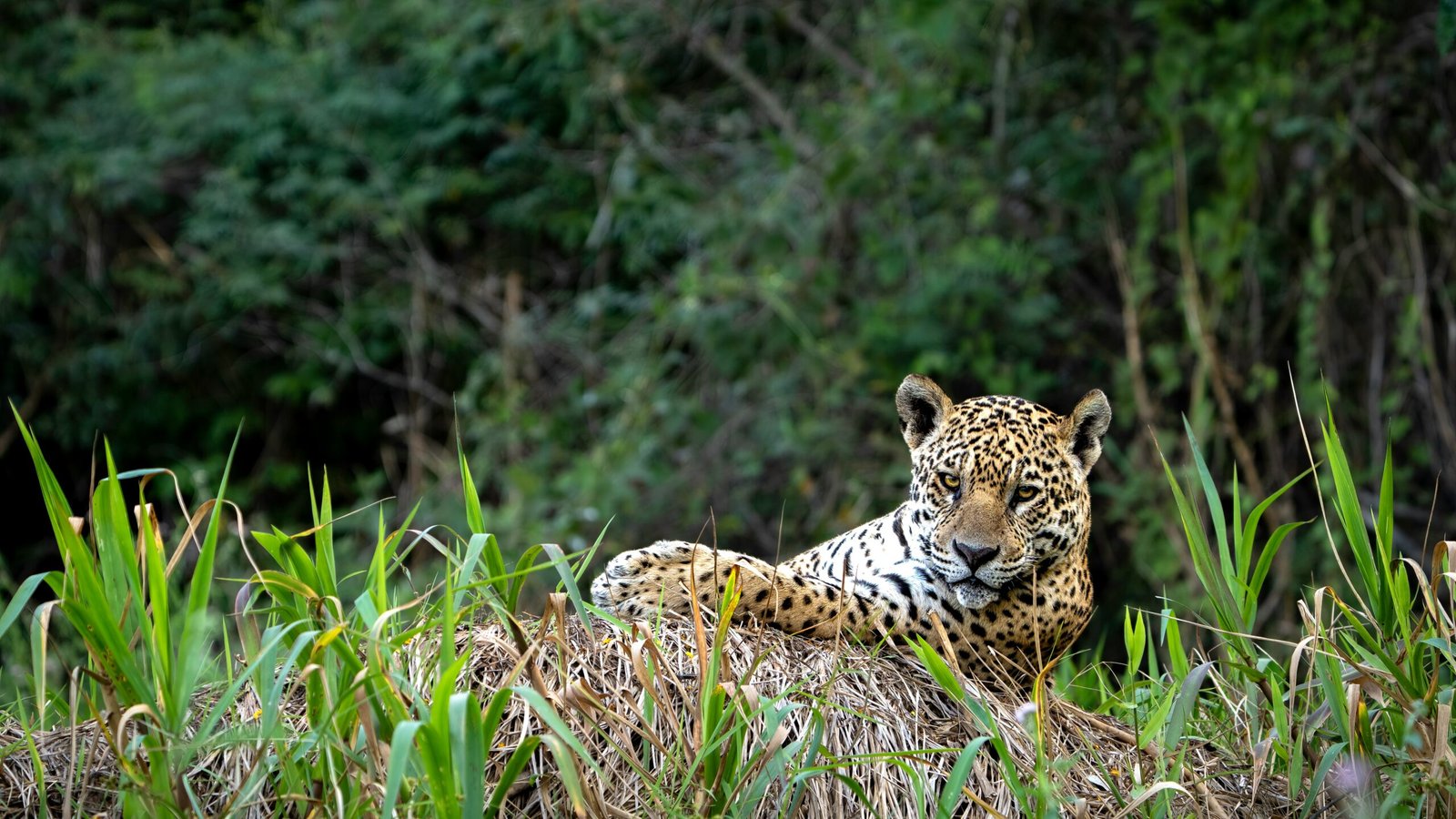
Days 15–17: Jaguars & Giant River Otters
Continue south to Porto Jofre and travel by boat into the Pantanal’s celebrated jaguar-viewing region.
Your home for three nights is Mutum Expeditions Houseboat, a small floating lodge with just eight comfortable en-suite cabins, positioned for exploring the wildlife-rich rivers and channels.
Enjoy dedicated boat safaris in search of wild jaguars, which are regularly observed along the riverbanks, and giant river otters, whose lively family groups are a particular highlight.
The waterways also teem with capybaras, caimans, kingfishers, storks, herons and an extraordinary variety of other wildlife.
With expert local guides and time to explore quieter river channels, this is a magnificent finale to your Brazilian wildlife adventure.
Days 18–19: Return to the UK
Enjoy a final morning of wildlife watching before returning to Cuiabá for your flight home via São Paulo, arriving in the UK the following day.
Responsible travel
This journey visits three of Brazil’s most important natural ecosystems, supporting conservation-focused tourism in the Amazon, Cerrado and Pantanal.
At Cristalino Private Reserve, the Cristalino Ecological Foundation works to conserve rainforest habitats, promote environmental education and support scientific research. The lodge also employs local guides and incorporates renewable energy and other sustainable practices.
Trijunção Private Reserve protects 33,000 hectares of threatened Cerrado habitat, providing a refuge for maned wolves, giant anteaters and numerous other species.
In the Pantanal, responsible wildlife tourism helps demonstrate the economic value of protecting jaguars, giant river otters and the wetlands on which they depend.
Why we like this trip
For travellers wanting to experience the full richness of Brazil’s wildlife, this is a truly exceptional journey.
We love the contrast between the Amazon’s towering rainforest, the Cerrado’s elusive maned wolves and the Pantanal’s thrilling jaguar encounters. The carefully selected lodges, intimate houseboat and Helen Bryon’s enthusiastic leadership add enormously to its appeal.
Rather than concentrating on a single species, this journey reveals the astonishing variety of life that makes Brazil one of the world’s greatest wildlife destinations.
Price Guide
19 days from £16,775 per person including return international flights from the UK.
- Specialist small-group tour, with 4–8 travellers.
- Accompanied by Helen Bryon, supported by experienced local naturalist guides.
- Includes visits to the Amazon, Cerrado and Northern Pantanal.
- The guide price is based on standard rooms at Cristalino Lodge and Pousada Trijunção. Upgrades may be available.
- A reasonable level of fitness is recommended for forest walks, boat excursions and wildlife activities.
Departure Dates
Scheduled group departures are on request. Please enquire for the latest dates, availability and prices.
Includes
- Return international flights from the UK
- Domestic flights within Brazil
- Accommodation as indicated
- Most meals
- Transfers and transport throughout
- Guided wildlife excursions and activities
- Services of Helen Bryon and specialist local guides
- Conservation fund contribution
Excludes
- Travel insurance
- Gratuities
- Drinks unless otherwise stated
- Personal expenses
- Optional activities not included in the itinerary
ENQUIRE
Brazil GUIDE
You’ll find a short guide below.
To start planning a trip to Brazil please contact us via the Enquiry Form, by email on info@realworldconservation.org.uk or on 01692 218189.
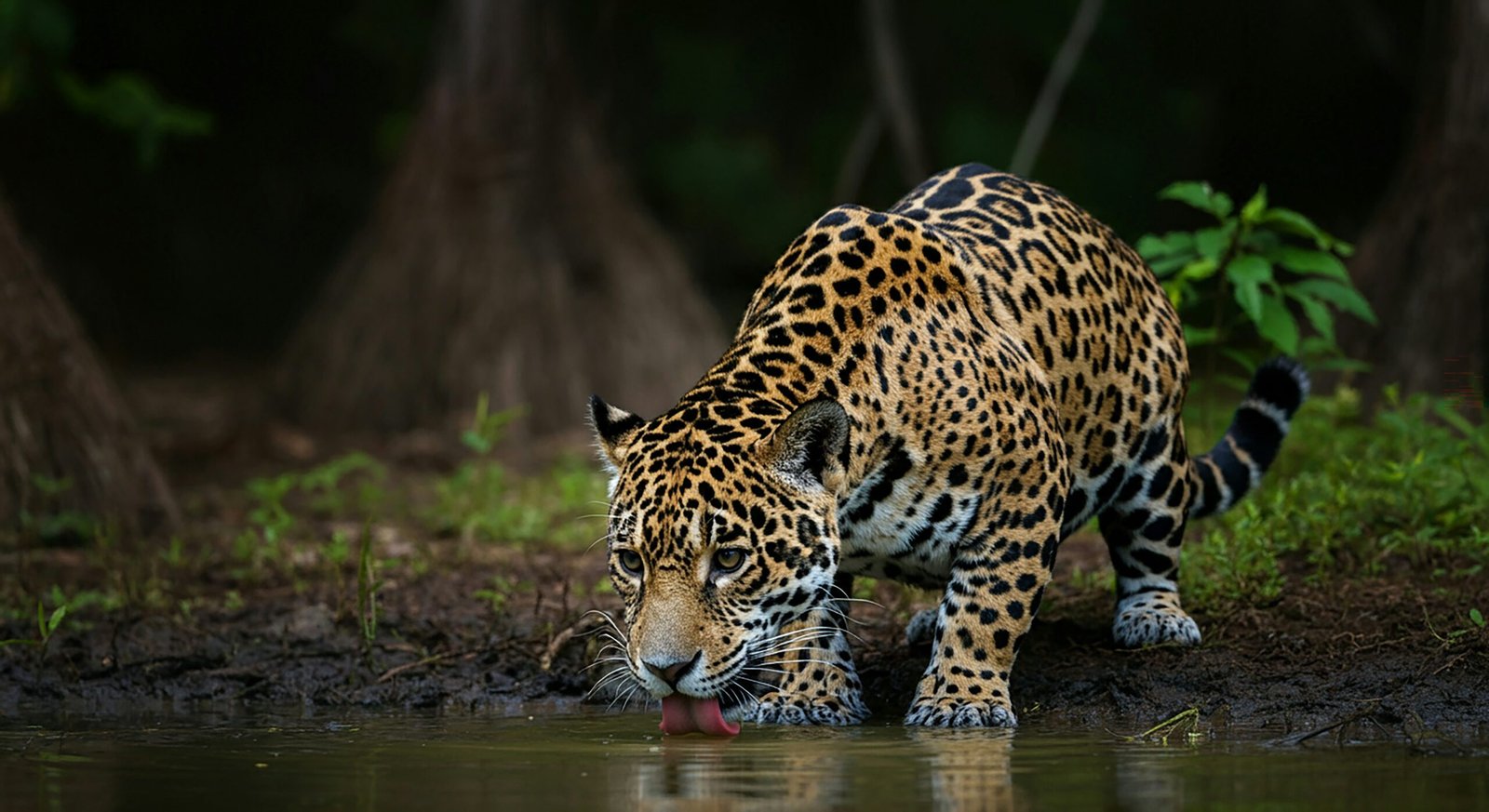
The Pantanal is one of the world’s largest tropical wetlands and arguably South America’s finest destination for watching large mammals in the wild. Its seasonal floodplains, rivers and gallery forests support an extraordinary concentration of wildlife, much of which becomes easier to observe as water levels fall during the dry season.
The Northern Pantanal, reached along the famous Transpantaneira from Cuiabá, is particularly celebrated for its jaguars. Around Porto Jofre, boat safaris along the Cuiabá and Three Brothers Rivers offer some of the world’s best opportunities to observe these magnificent cats resting, hunting or swimming along the riverbanks.
The waterways are also home to giant river otters, often seen fishing and interacting in family groups, while capybaras, yacaré caimans, jabiru storks, herons and kingfishers are abundant.
Away from the rivers, wildlife lodges along the Transpantaneira offer rewarding opportunities to encounter Brazilian tapirs, giant anteaters, ocelots, hyacinth macaws and howler monkeys. Guided walks, observation towers and night drives reveal a different side of this remarkable ecosystem.
When to go: June to October is generally the best period for wildlife watching in the Northern Pantanal. As the dry season progresses, animals congregate around remaining waterways, making jaguars and other mammals easier to observe. July to September is particularly popular for jaguar watching, although temperatures can be high and some river areas busy with boats.
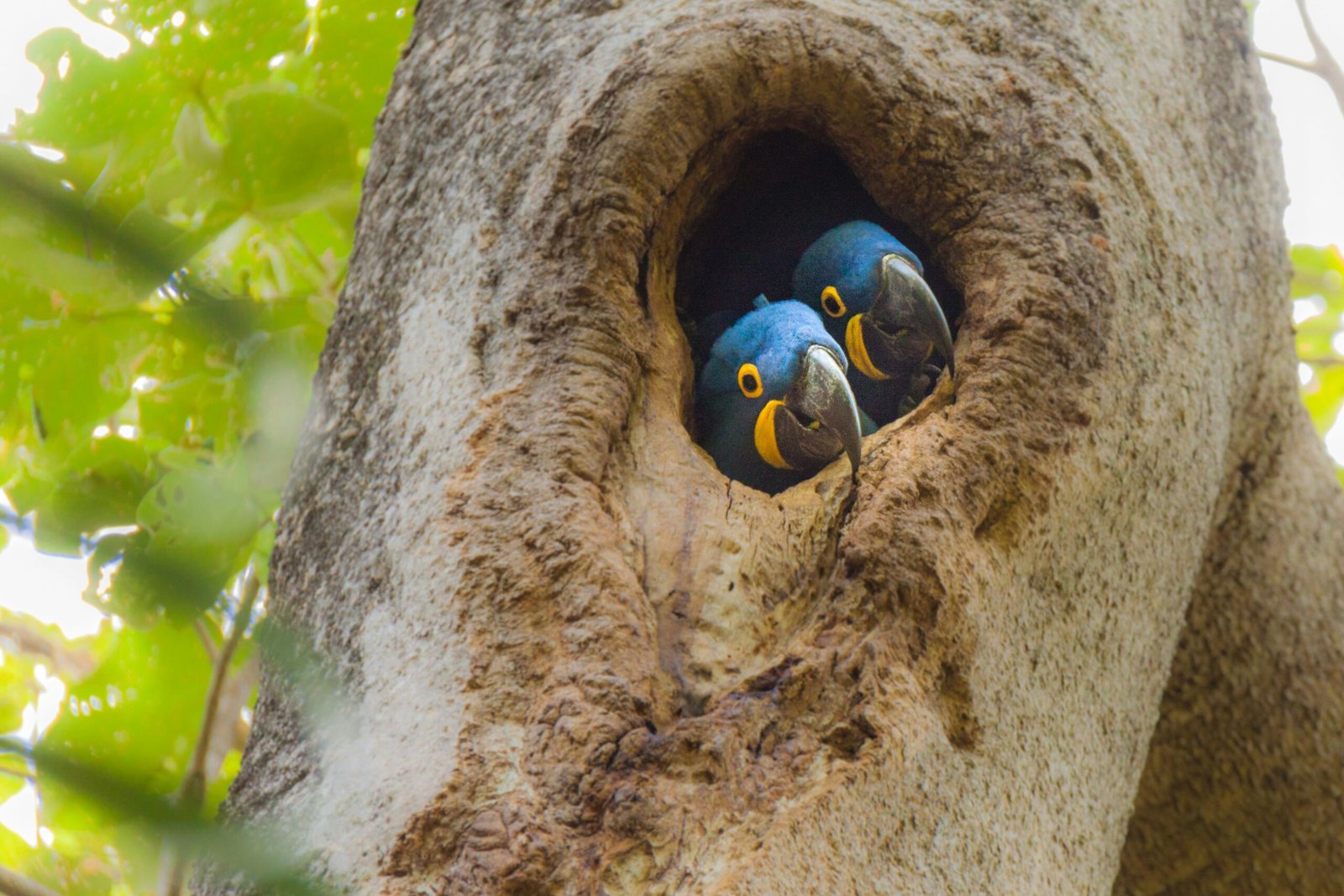
The Amazon rainforest is one of the planet’s greatest reservoirs of biodiversity, a vast and intricate world of towering trees, winding rivers and wildlife that can be remarkably difficult to spot among the dense vegetation.
In the southern Amazon, Cristalino Private Reserve, near Alta Floresta, protects almost 12,000 hectares of rainforest adjoining the wider protected landscapes of Cristalino State Park.
This is an exceptional destination for birdwatching, with hundreds of recorded species including colourful macaws, toucans, cotingas, parrots and the magnificent but elusive harpy eagle.
The forests also shelter a fascinating variety of mammals, including white-nosed saki monkeys, spider monkeys, howler monkeys, Brazilian tapirs and giant river otters. Forest walks reveal an extraordinary world of butterflies, frogs, reptiles and insects, while boat excursions offer opportunities to search for wildlife along the riverbanks.
A particular highlight of Cristalino Lodge is its pair of 50-metre-high observation towers, offering breathtaking views across the canopy and a rare opportunity to observe wildlife at treetop level.
When to go: The southern Amazon can be visited year-round, although June to October is generally drier, with more accessible forest trails and lower river levels. The wetter months bring lush vegetation and higher water levels, offering a different perspective on the rainforest. Wildlife watching is rewarding in both seasons, although patience is essential.
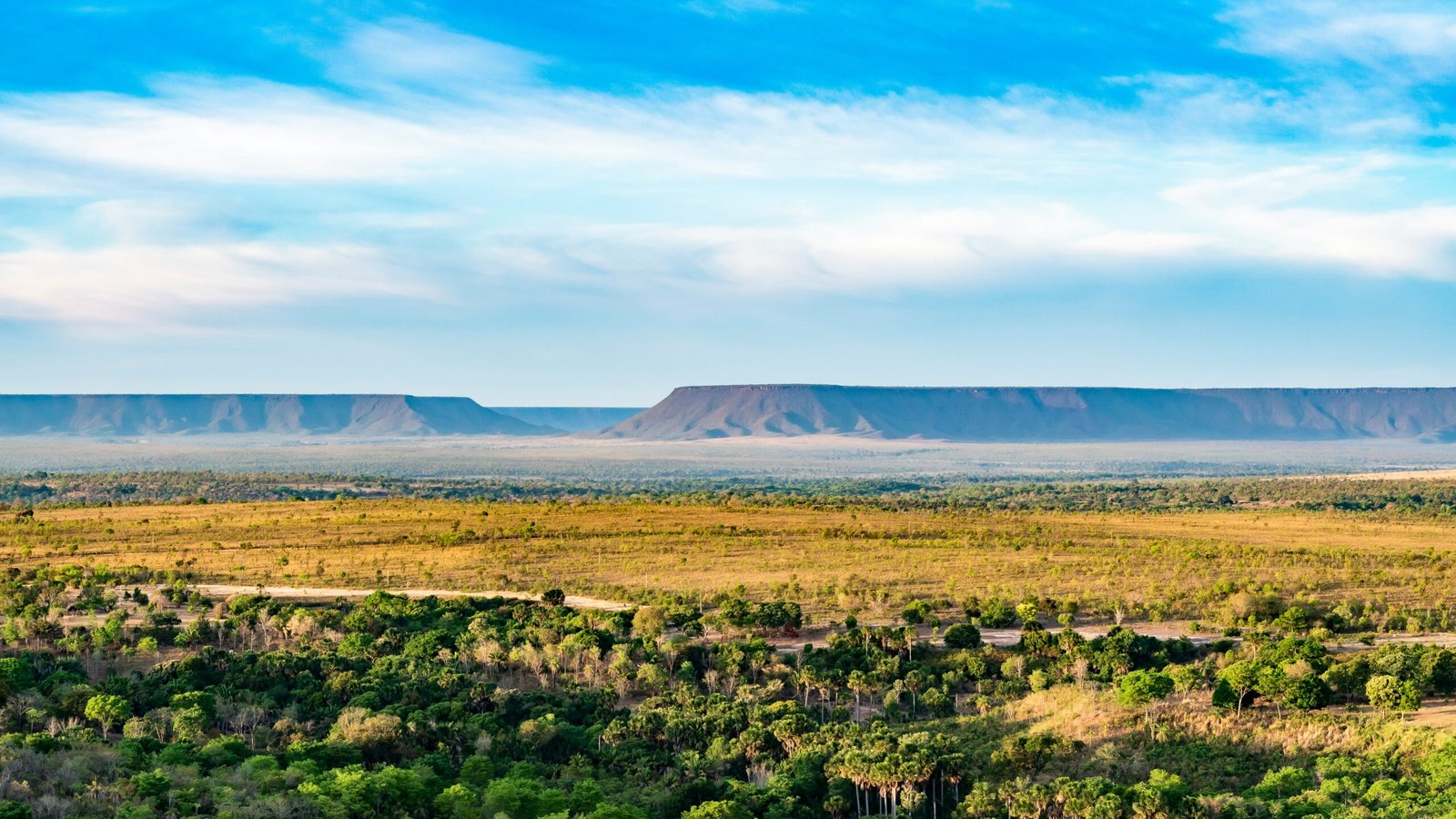
Often overshadowed by the Amazon and Pantanal, the Cerrado is one of South America’s most important and threatened ecosystems. This immense tropical savannah extends across central Brazil, combining grasslands, scattered trees, woodland, wetlands and river valleys.
The Cerrado is particularly celebrated for its unusual mammals, including the remarkable maned wolf, a long-legged, reddish animal that moves through the grasslands searching for rodents, insects and fruit. Despite its name, it is not closely related to true wolves.
Other inhabitants include giant anteaters, armadillos, Brazilian tapirs, hoary foxes, peccaries and several wild cat species, while colourful macaws, seriemas, rheas and birds of prey add to the region’s outstanding birdlife.
Much of the Cerrado has been transformed by agriculture, making its remaining protected landscapes especially important for wildlife conservation. Specialist reserves and guided excursions offer opportunities to discover this fascinating ecosystem, particularly during the early morning and evening when many mammals are most active.
When to go: May to September is generally the driest period in the Cerrado, with more accessible tracks and good conditions for exploring open habitats. Wildlife viewing can be rewarding throughout the year, although the wet season, broadly October to April, brings greener landscapes and afternoon thunderstorms.
Deep in Brazil’s Cerrado, close to Grande Sertão Veredas National Park, the 33,000-hectare Trijunção Private Reserve protects a remarkable landscape of tropical savannah, woodland and wetlands.
This remote reserve is particularly fascinating for its population of melanistic jaguars, commonly known as black panthers. Although jaguars are naturally elusive, the black colouration is unusually prevalent in this region, making it an exceptional location for specialist research.
Working with the conservation organisation Onçafari, researchers use radio telemetry and field observations to study these magnificent predators and develop a greater understanding of their behaviour.
Visitors to Pousada Trijunção may have the rare opportunity to accompany the research team in the field, learning about the challenges of monitoring wild jaguars and the careful process of habituation. Sightings are never guaranteed, but the experience offers an extraordinary insight into conservation research.
The reserve is also an important refuge for maned wolves, giant anteaters, armadillos, brocket deer and numerous bird species. Late afternoon and evening excursions are particularly rewarding for observing wildlife moving through the grasslands.
Trijunção has special significance for Explorers Against Extinction, which partnered with Onçafari in 2021 to support its wildlife rewilding programme. Although that earlier project was separate from the research undertaken at Trijunção, the reserve offers travellers an opportunity to discover another aspect of the organisation’s important conservation work.
When to go: Wildlife watching is possible throughout the year. May to September generally brings drier conditions and easier travel across the reserve, while the wetter season produces greener grasslands and more active birdlife. Jaguar encounters depend on research activity and animal movements rather than a guaranteed viewing season.
Image: Pousada Trijunção
Mammals
- Jaguar: The largest wild cat in the Americas, most reliably observed along the waterways of the Northern Pantanal. Melanistic individuals are the focus of specialist research at Trijunção.
- Giant River Otter: An endangered, highly social mammal found in the Pantanal and Amazon waterways, often seen fishing in family groups.
- Maned Wolf: The Cerrado’s distinctive long-legged canid, usually most active around dawn and dusk.
- Giant Anteater: An extraordinary insect-eating mammal found in grasslands and savannah habitats, including the Pantanal and Cerrado.
- Brazilian Tapir: South America’s largest native land mammal, inhabiting forests and wetlands.
- Ocelot: A beautifully marked, primarily nocturnal wild cat that can occasionally be observed from specialist hides in the Pantanal.
- Capybara: The world’s largest rodent, commonly encountered around Pantanal waterways.
Birds
- Hyacinth Macaw: The world’s largest flying parrot, particularly associated with the Pantanal.
- Jabiru Stork: An enormous wetland bird, frequently encountered around shallow pools and waterways.
- Harpy Eagle: One of the world’s most powerful birds of prey, inhabiting tropical rainforest, although sightings are rare.
- Toucans & Aracaris: Colourful fruit-eating birds found in rainforest and woodland habitats.
- Red-legged Seriema: A distinctive, long-legged ground bird of the Cerrado.
- Macaws & Parrots: Brazil’s forests and savannahs support a spectacular variety of colourful species.
Reptiles & Other Wildlife
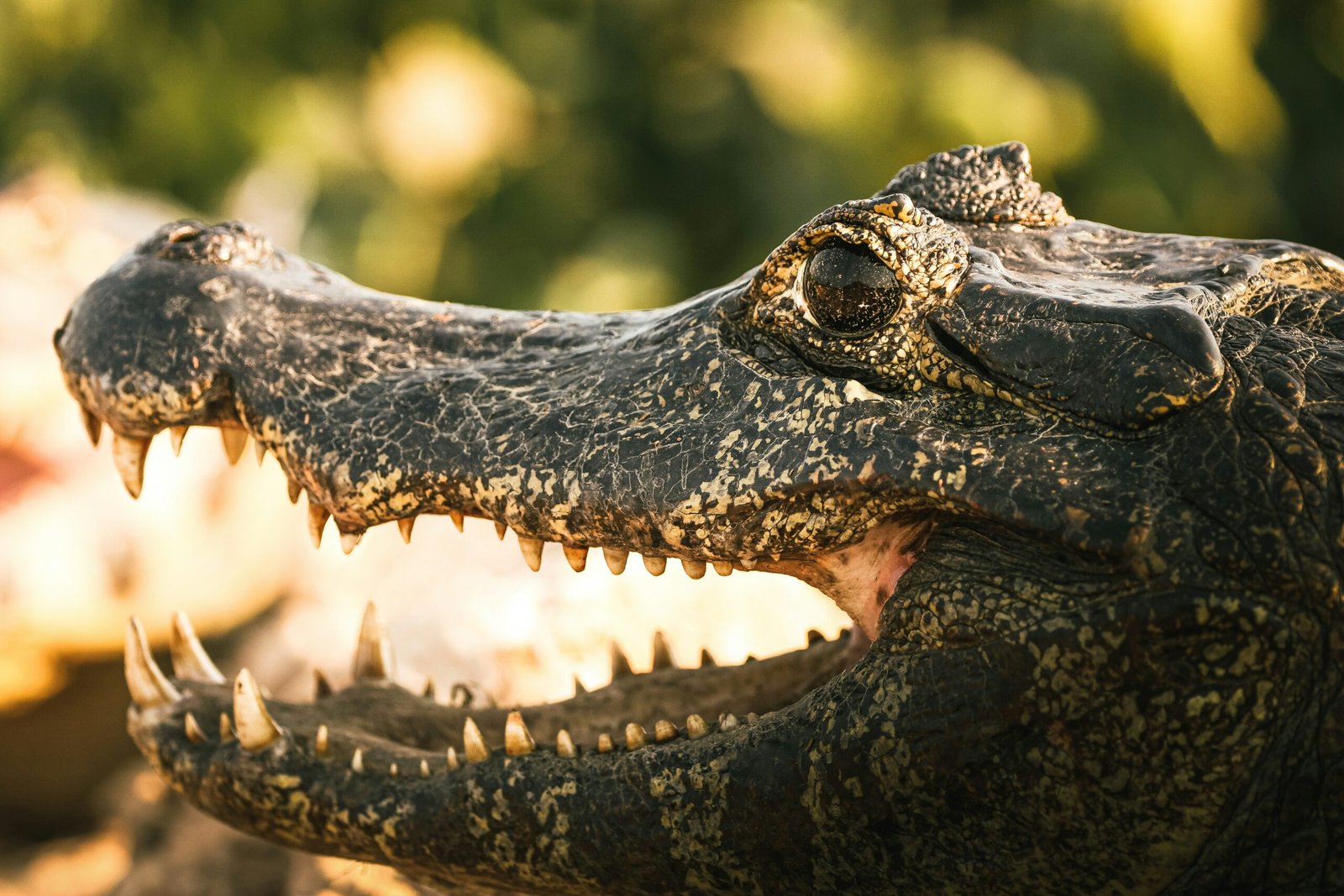
- Yacaré Caiman: Abundant throughout the Pantanal, particularly around pools and rivers during the dry season.
- Anaconda: An enormous aquatic snake inhabiting wetlands and tropical waterways, although sightings are unpredictable.
- Cuvier’s Dwarf Caiman: A small crocodilian found in parts of the Amazon and Cerrado.
- Butterflies: The Amazon supports an extraordinary diversity, including spectacular blue morphos.
- Tree Frogs: Colourful and often well-camouflaged amphibians that are particularly active in tropical forests after rain.