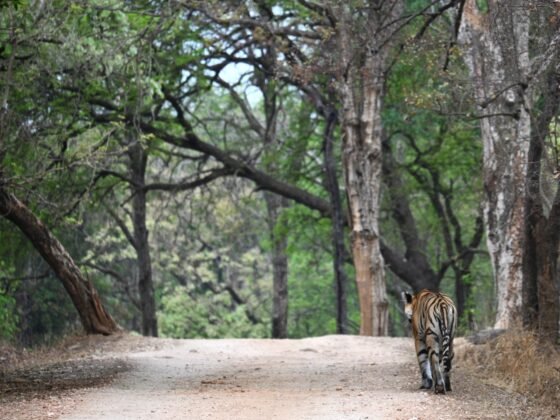
Mana Pools National Park lies in the far north eastern corner of Zimbabwe, set along the southern bank of the Zambezi River. To the west lies Lake Kariba, to the east the border with Mozambique, and directly opposite to the north, across the river, is Zambia’s Lower Zambezi National Park. This location places Mana at the heart of one of Africa’s great wildlife corridors, shaped by the seasonal rhythms of the Zambezi.
Mana Pools is a UNESCO World Heritage Site, recognised for its exceptional natural beauty, its floodplain ecosystems and the concentration of wildlife along the river. It is one of Africa’s most distinctive safari destinations.
Where the name Mana comes from
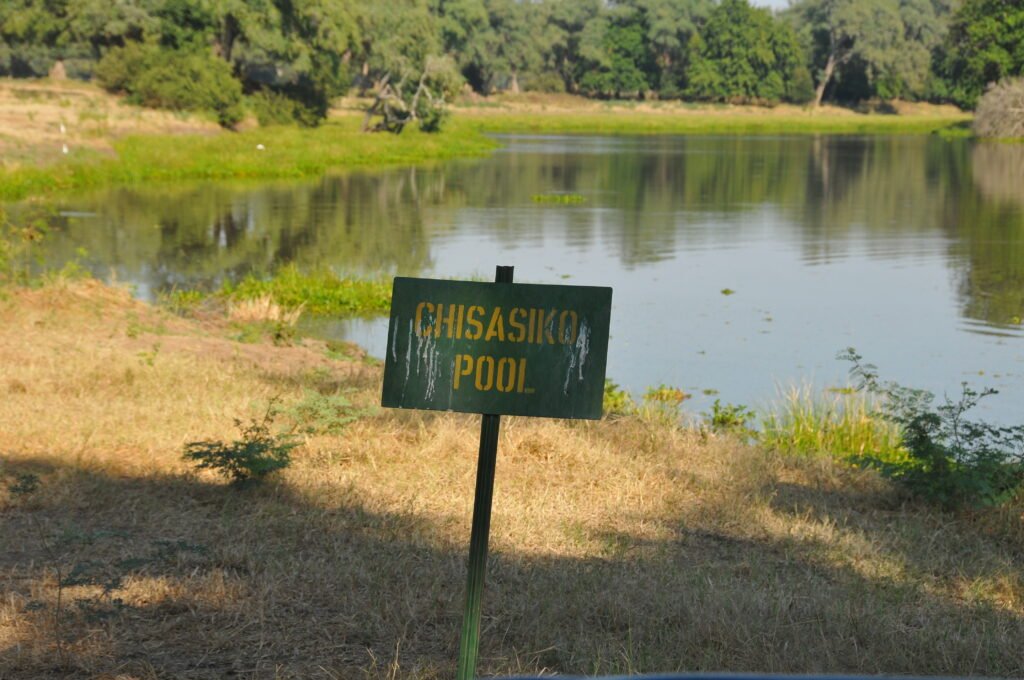
The name Mana refers to the four permanent pools that lie just inland from the Zambezi floodplain. These pools are critical dry season water sources and central to the ecology of the park.
The four pools are Main, Long, Chine, and Chisambuk Pool. As seasonal floodwaters retreat, these pools retain water long into the dry months, drawing elephant, buffalo, antelope and predators. They are also historically significant, having guided early exploration and settlement in the area.
The wider protected landscape: Sapi and Chewore
To the east of Mana Pools lies the Sapi Safari Area, and further east the new Chewore Safari Area. These are private safari areas rather than part of the national park, with limited access and very low tourism density. Historically, both areas were operated as hunting concessions but they have recently been converted to eco-tourism. Although wildlife densities are not as high as in the national park just yet, signs are very promising.
Together with Mana Pools, Sapi and Chewore extend the protected wilderness along the southern bank of the Zambezi, creating a vast and lightly developed safari zone. These areas are known for exceptional walking, strong predator sightings and a deep sense of isolation, and they play a vital role in maintaining ecological continuity along the river.
Landscapes and regions within Mana Pools
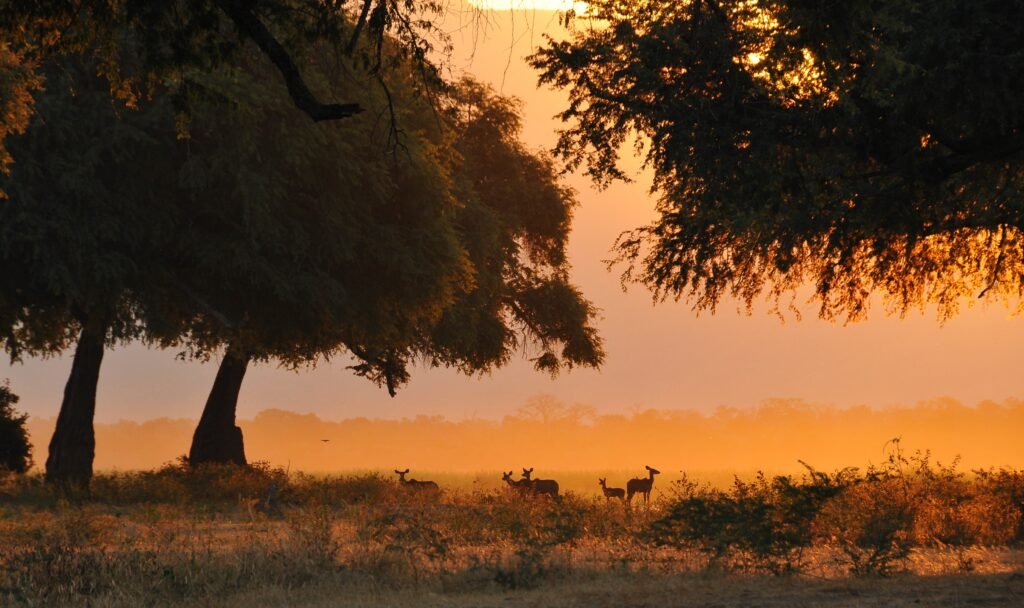
Mana Pools is defined by a series of interconnected habitats, each offering a distinct safari experience.
The riverfront is dominated by the Zambezi itself, with sandbanks, channels and islands supporting hippo, crocodile, elephant and prolific birdlife. This is where some of Mana’s most iconic scenes unfold.
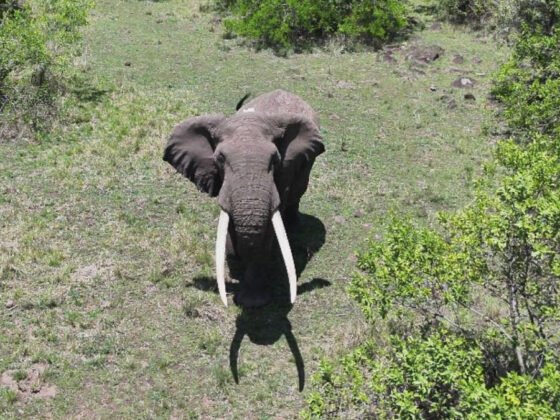
Behind the river lies the floodplain and woodland, characterised by open grassland and stands of Faidherbia albida, also known as the winter thorn or ana tree. These trees are ecologically crucial. Unlike most species, they drop their leaves during the rainy season and come into leaf during the dry winter months. This provides vital shade and a highly nutritious food source for elephants and other herbivores at a time when resources are scarce, helping to anchor wildlife along the river during the dry season.
Further inland, the terrain becomes drier and more wooded, punctuated by seasonal pans. Places such as Kanga and Kavinga Pan are especially important later in the dry season, when water elsewhere has disappeared. Wildlife congregates here in high numbers, offering intense and often dramatic game viewing focused on a single water source.
Wildlife you are likely to see
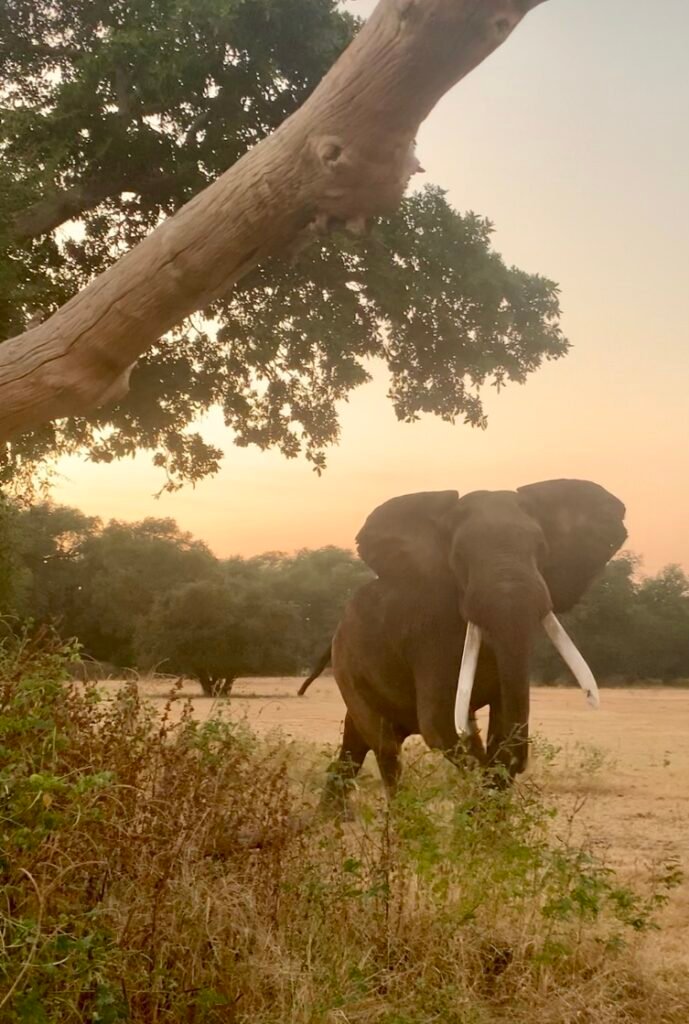
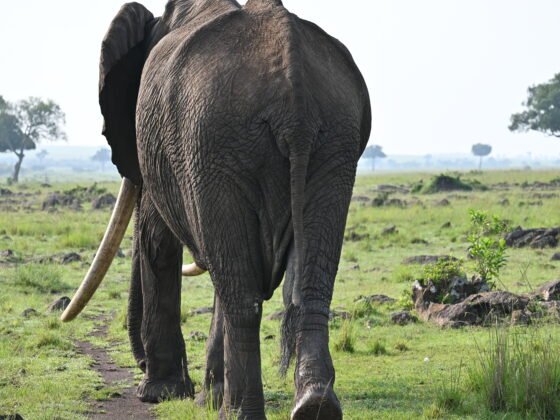
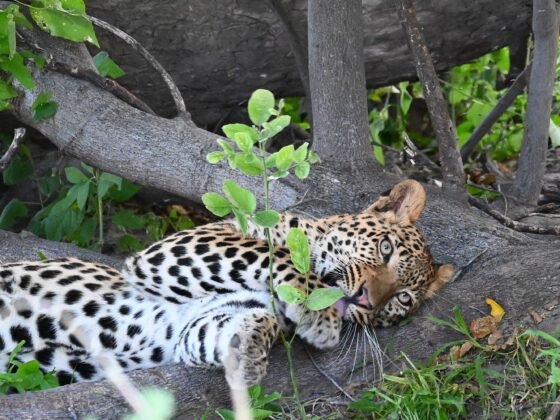
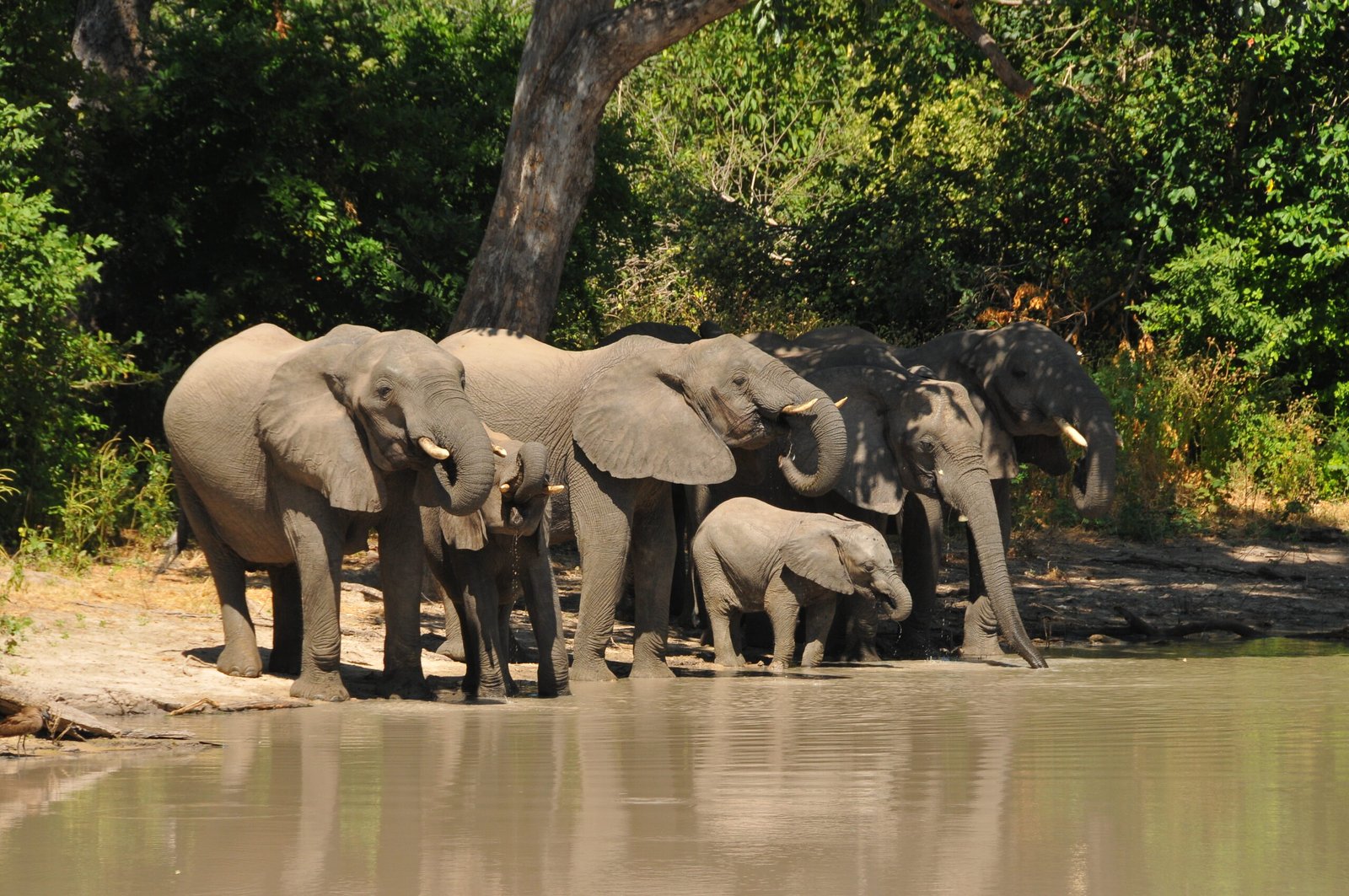
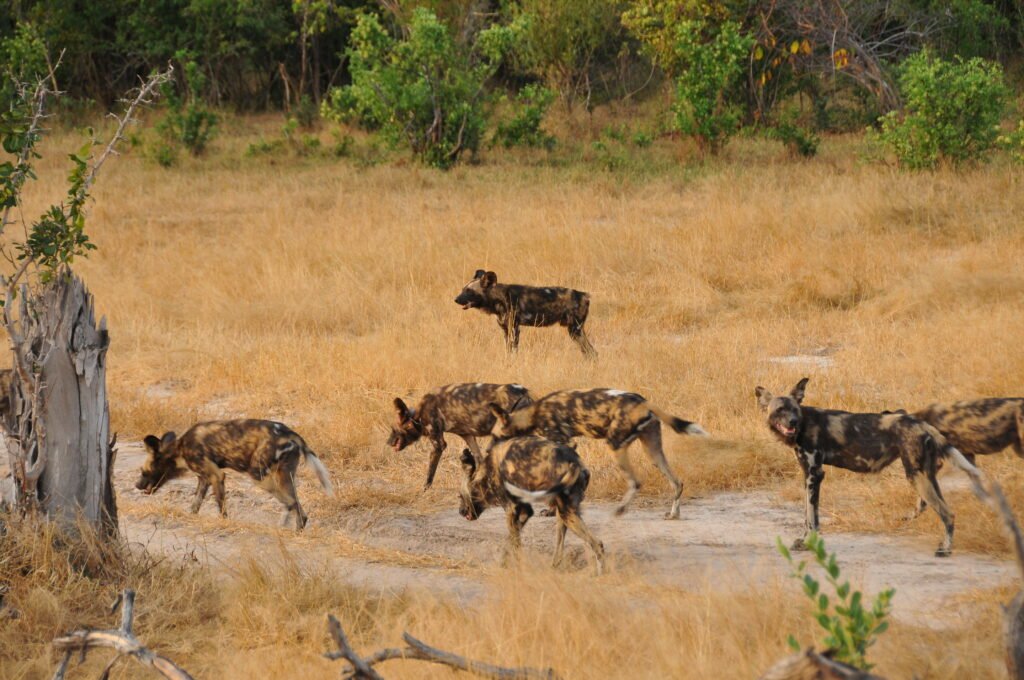
Mana Pools is best known for its elephants, particularly the large bulls that have learned to stand on their hind legs to feed from winter thorn trees. Lions are common and often seen during daylight hours. Wild dogs are a major draw and are frequently encountered in good years, especially from mid season onwards. Leopards are present but more elusive.
Buffalo, kudu, impala, zebra and warthog are all regularly seen, and birdlife along the river is exceptional. There is no shortage of hippo and crocodile in this region!
Notably, giraffe and rhino are absent from Mana Pools.
Activities and guiding
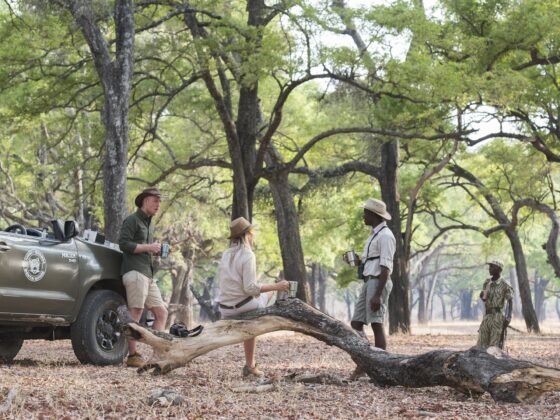
Mana Pools is renowned for its walking safaris, which are among the best in Africa. Walking here is not a secondary activity but a central part of the safari experience, requiring exceptional skill, judgement and local knowledge.
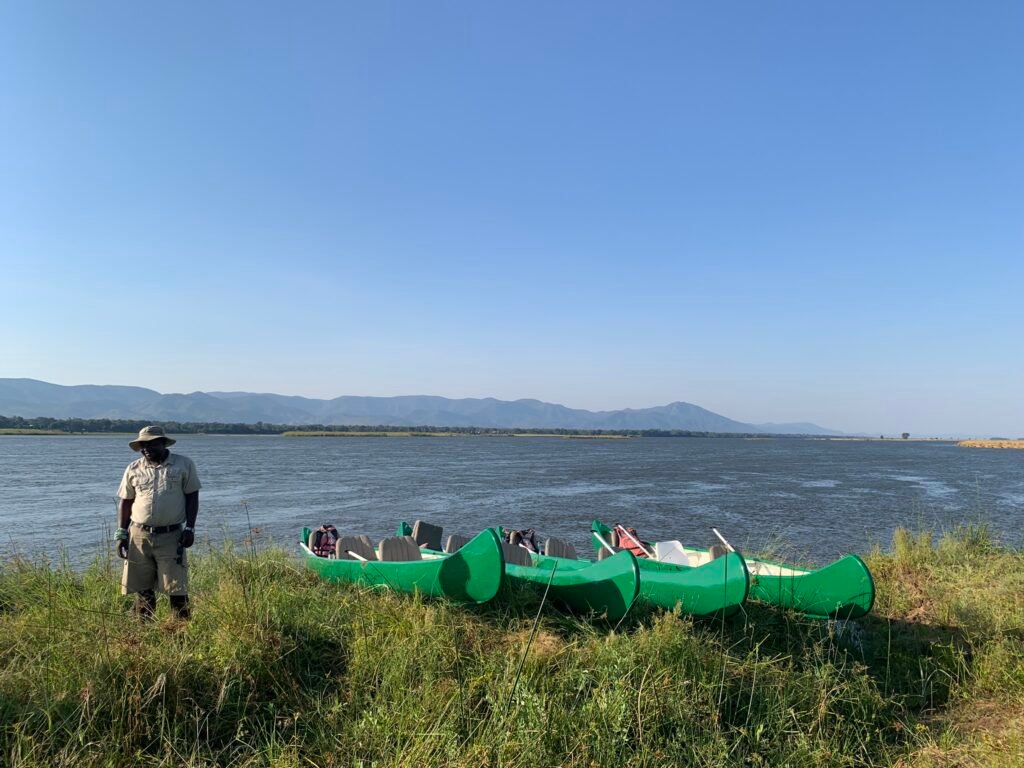
Game drives are relaxed and exploratory, while canoeing on the Zambezi offers a unique perspective on wildlife from the water. Seasonal boating and fishing may also be available depending on river conditions.
Zimbabwe is widely recognised for producing some of Africa’s finest professional guides, and Mana Pools is where that reputation is most clearly expressed.
Camps in Mana Pools
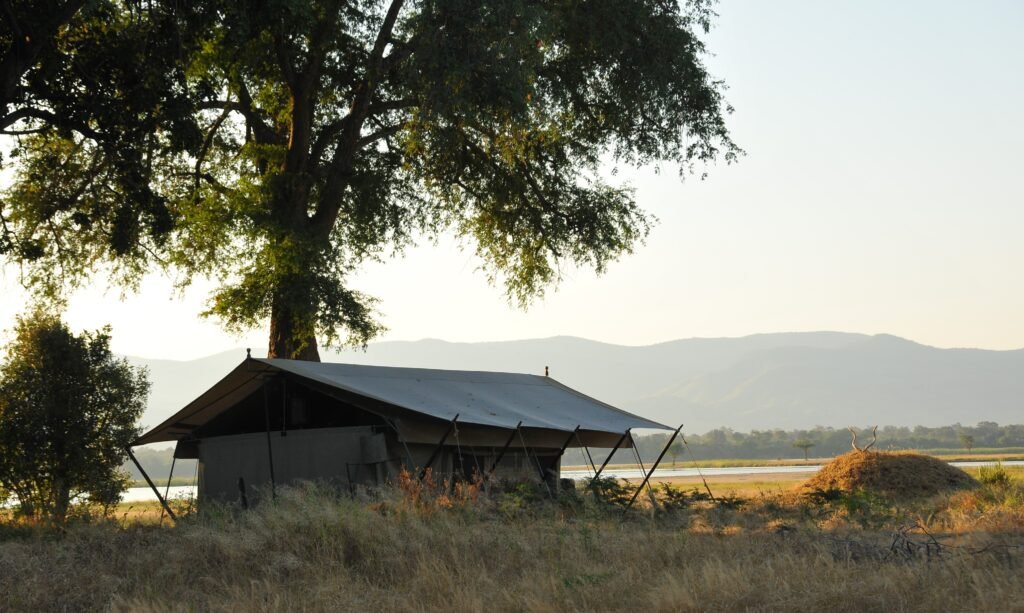
Mana offers a small number of carefully sited camps, each with its own character and emphasis. Many are still owner run, taking camp hospitality to a new level. Although luxury camps are available in Mana Pools, and very lovely they are too (Wilderness Chikwenya, Tembo Plains, Nyamatusi to name a few), it is some of the more simple bushcamps that really shine and capture the true essence of Mana Pools.
Camps include:
• Vundu Camp
A classic owner-run riverfront camp with eight comfortable chalets in the wonderful western area of Mana Pools. Owner Nick Murray is a highly respected wild dog expert.
• Wilderness Little Ruckomechi
Little sister to Ruckomechi camp, this intimate upmarket explorer-style camp (just three tents!) sits in a private concession in the west of Mana Pools.
• Camp Mana
A seasonal, low impact camp owned and run by Steve Bolnick, a professional guide with a passion for walking. This simple camp has a wonderful riverside position.
• Goliath Camp
Highly experienced owner Stretch Ferreira runs this small seasonal bush camp named after one of Mana’s famous elephant bulls. Stretch is known for his in depth knoweldge and close encounters with several of Mana’s bull elephants, and for outstanding walking.
• John’s Camp
Named after professional guide John Stevens and managed by family members, this comfortable but understated camp is set slightly back from the river, providng views across the floodplains.
• Tembo Plains Camp
A contemporary riverfront camp with tented suites in the private Sapi Reserve. Tembo Plains combines luxury with excellent guiding and flexible activities. Part of the Great Plains portfolio.
When to go and how to combine Mana Pools
The main safari season runs from June to October, with September and October offering particularly intense wildlife activity as heat and dryness peak. While it is possible to enjoy a safari in the transtion months of April/May and November, wildlife is dispersed over a wide area in the early season months of April/May, so sightings are not likely to be as frequent, while November can be very hot. Much of the park closes due to rain and flooding during the Green Season from December to March.
Mana Pools combines naturally with Lake Kariba, with Hwange National Park for contrast in scale and habitat, and with Victoria Falls as a dramatic end to a Zimbabwe itinerary.
Why Mana Pools stands apart
Mana Pools is about immersion in the wild, and trusting your guide’s instincts. For travellers who value walking, wilderness and a deep connection to place, Mana Pools remains one of Africa’s most rewarding safari destinations.