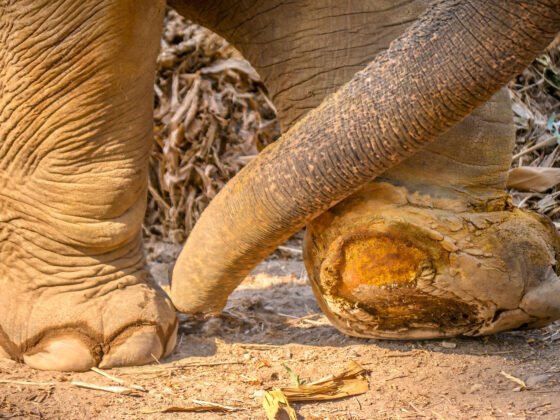
For many people, travel creates a lasting connection with nature.
Standing beside ancient forests, diving among coral reefs, or witnessing wildlife in its natural habitat often inspires a lifelong commitment to conservation. Tourism has become an important source of funding for protected areas, local communities, and conservation organizations around the world.
Yet travel also comes with an environmental cost.
Air travel alone contributes approximately 2–3% of global carbon dioxide emissions, while accommodation, transportation, and tourism infrastructure add further impacts. As international travel continues to recover and expand, finding ways to reduce its environmental footprint has become increasingly important.
The challenge is not to stop exploring the world. Rather, it is to ensure that exploration contributes more to protecting nature than to degrading it.
Responsible travel begins before the journey
Sustainable tourism has evolved considerably over the past decade.
Travelers increasingly choose eco-certified accommodations, avoid wildlife exploitation, reduce plastic consumption, and support locally owned businesses. These choices create meaningful benefits for destinations and communities.
Carbon emissions deserve the same level of consideration.
Whenever possible, travelers can reduce their footprint by choosing direct flights, using public transportation, extending the length of trips instead of taking multiple short vacations, and selecting accommodations with strong environmental practices.
Reducing emissions should always be the first priority.
However, some emissions remain unavoidable.
Long-haul flights, international research expeditions, humanitarian travel, and business trips often cannot be eliminated entirely.
The role of carbon offsets
This is where carbon offsets can play a constructive role.
Carbon offsets finance projects that either reduce greenhouse gas emissions or remove carbon dioxide from the atmosphere. Depending on the project, this may include forest conservation, ecosystem restoration, renewable energy, methane capture, or emerging carbon removal technologies.
Importantly, offsets should never be viewed as a substitute for reducing emissions.
Instead, they help address residual emissions that cannot currently be avoided.
When selecting projects, travelers should prioritize transparency and independent verification rather than simply purchasing the cheapest available option.
Platforms offering verified carbon credits make it easier to understand how projects are certified, monitored, and retired through internationally recognized standards.
The goal is not simply to compensate for emissions, but to support projects capable of delivering measurable climate benefits.
Conservation and climate are deeply connected
Climate change has become one of the greatest threats facing biodiversity.
Rising temperatures alter ecosystems, increase the frequency of wildfires, intensify droughts, accelerate coral bleaching, and disrupt migration patterns across entire continents.
Protecting wildlife therefore requires addressing both habitat loss and climate change simultaneously.
Many carbon projects contribute to broader environmental goals beyond emissions reductions.
Forest conservation projects can preserve biodiversity, protect watersheds, and support indigenous communities.
Restoration initiatives may improve soil quality while creating wildlife habitat.
Some renewable energy projects reduce local air pollution while decreasing dependence on fossil fuels.
Although each project should be evaluated individually, high-quality carbon initiatives often produce multiple environmental and social benefits.
Travelers are becoming more informed
Today’s travelers increasingly expect evidence rather than promises.
Many want to understand where their contributions are going, which standards certify a project, and whether carbon credits have been permanently retired after purchase.
Transparency has become an important part of responsible tourism.
Resources explaining how verified carbon projects are selected help travelers make informed decisions rather than relying solely on marketing claims.
As public awareness grows, organizations that provide accessible documentation and clear project information are likely to earn greater trust.
Businesses in the tourism sector also have a responsibility
Sustainability is no longer limited to individual travelers.
Tour operators, hotels, airlines, travel agencies, and destination management organizations increasingly measure and report their environmental impact.
Many are exploring ways to reduce emissions across their operations while addressing unavoidable emissions through independently verified projects.
Providing carbon offset certificates for businesses can help organizations document their climate initiatives and communicate them more transparently to customers, partners, and stakeholders.
As with individual purchases, offsets should complement—not replace—meaningful emissions reductions.
Looking forward
Travel has the power to inspire conservation in ways few other experiences can.
People who visit national parks, marine reserves, and biodiversity hotspots often become lifelong advocates for protecting the natural world.
Ensuring that tourism contributes positively to the climate is a natural extension of that responsibility.
Reducing emissions wherever possible, supporting credible conservation initiatives, and choosing independently verified carbon projects are practical steps that allow travel to become part of the solution rather than part of the problem.
Responsible tourism has never been simply about where we go.
It is also about the choices we make before, during, and after every journey.
Image: Unsplash, Zetong Li