For many people, elephant conservation is synonymous with the fight against poaching. While that challenge remains, it is only part of the story.
The theme of World Elephant Day 2026, marked on 12 August, is Community and Coexistence. It highlights the fact that the future of elephants depends not only on protecting the animals themselves, but also on helping the people who live alongside them.
For Explorers Against Extinction, elephants have always held a special place. They feature in our logo and represent our belief that conservation succeeds when both wildlife and local communities benefit.
This year marks the tenth anniversary of our flagship art initiative, Sketch for Survival. The project was born in response to the shocking statistic that an African elephant was being lost, on average, every 26 minutes to poaching. Since then, elephants have remained at the heart of our conservation story, inspiring campaigns, fundraising and support for frontline projects around the world.
Earlier this year, we reflected on that journey in Ten Years for Elephants. Looking ahead, it is clear that the most successful conservation projects now share another defining characteristic: they put local communities at their heart.
A shared future
Across Africa and Asia, elephant habitat is under increasing pressure. Expanding human populations, agriculture, infrastructure and climate change mean that people and elephants are coming into contact more frequently than ever before.
When elephants raid crops, damage property or threaten livelihoods, conflict is inevitable. Long-term conservation depends on local communities having the knowledge, support and practical tools they need to live safely alongside wildlife.
That is why many of today’s most effective elephant conservation projects focus on coexistence, finding solutions that benefit both people and elephants.
Community conservation in northern Kenya
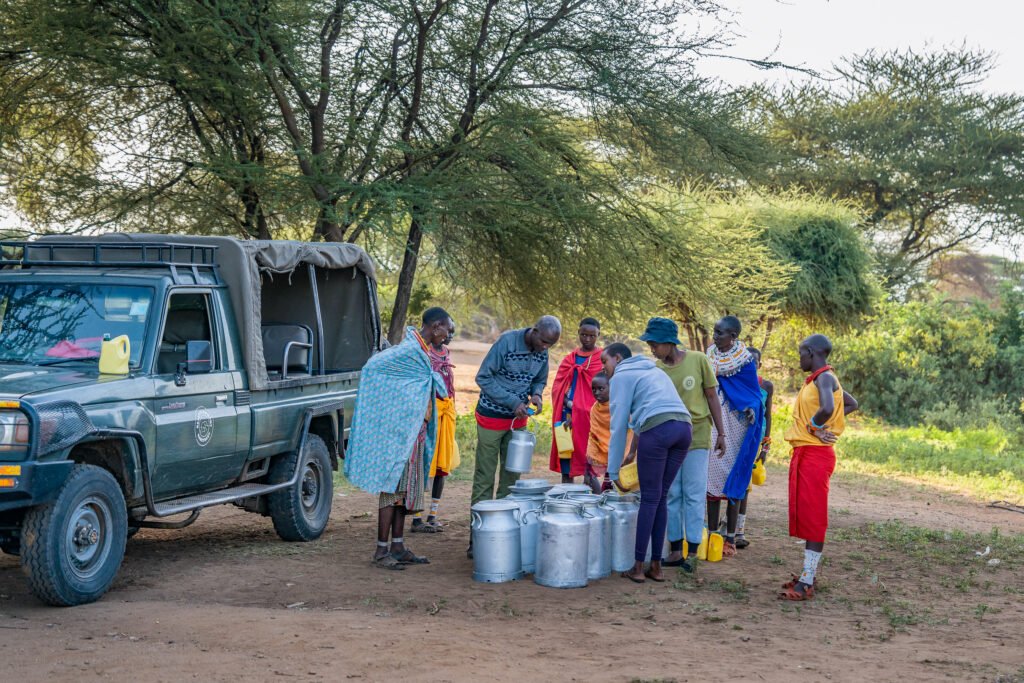
One of the projects supported by Explorers Against Extinction in 2026 is the purchase and installation of a new milk pasteurisation unit at Reteti Elephant Sanctuary in northern Kenya.
Reteti made history as Africa’s first community owned and community run elephant sanctuary. While it provides specialist care for orphaned and abandoned elephant calves, its impact extends far beyond rescue and rehabilitation.
By creating jobs, investing in local skills and building pride in wildlife, Reteti has shown that conservation is most successful when local communities lead the way.
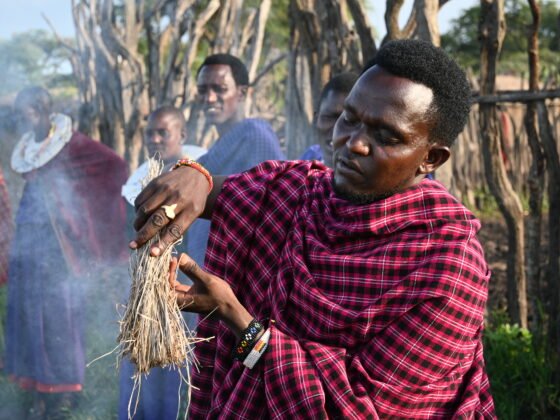
The project we are supporting, a new milk processing unit, strengthens a remarkable community network. Around 1,245 “milk mamas” across 21 Samburu manyattas supply fresh goat’s milk for the sanctuary’s 45 orphaned elephants, producing around 680 litres every day. Their work is supported by boda boda (motorcycle) riders who transport the milk, alongside the sanctuary staff and keepers who care for the calves around the clock.
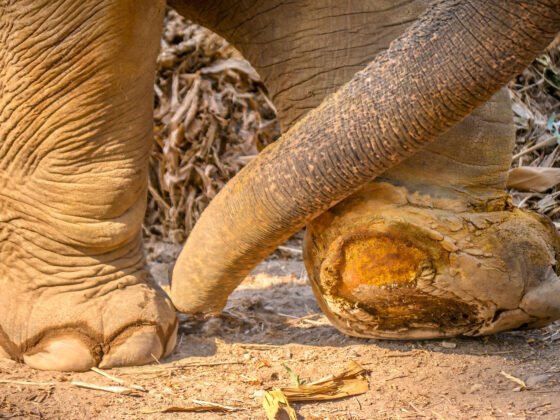
The elephants arrive at Reteti for many reasons, including drought, natural mortality, accidental falls into man-made wells, separation from their families and, sadly, poaching. Every calf has its own story, but every successful rescue is made possible by the surrounding community.
Protecting Africa’s forest elephants
Thousands of kilometres away, in the rainforests of Gabon, a different elephant story is unfolding.
Critically Endangered forest elephants are smaller and more elusive than their savannah cousins, yet they play a vital role in maintaining healthy tropical forests. By dispersing the seeds of large tree species, they help shape forests that store vast amounts of carbon and support extraordinary biodiversity.
Through our support for Space for Giants, Explorers Against Extinction is helping protect these globally important landscapes while working alongside the people who live there.
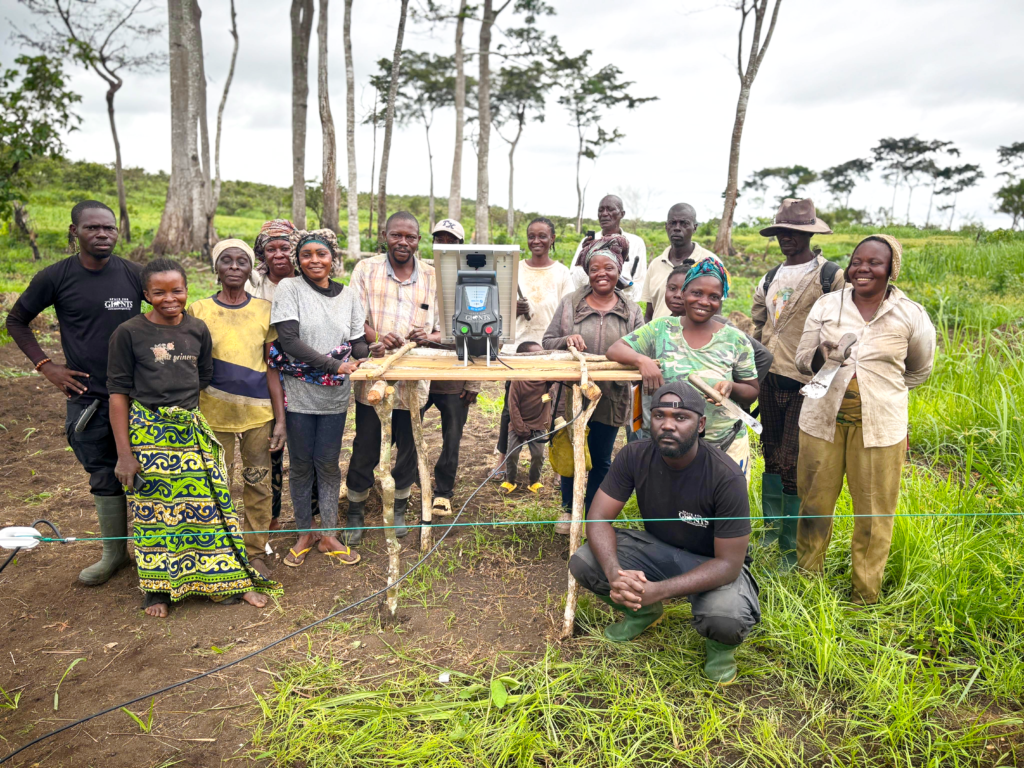
Gabon is one of the last strongholds for forest elephants. Our current fundraising aims to help with the procurement of a boat, enabling field teams to reach remote areas to deploy camera traps for monitoring elephant populations and to visit isolated communities. The boat will also support the installation of innovative solar powered, single strand fences that have already proved highly effective at protecting crops and homes, reducing conflict while allowing elephants to continue moving safely through the landscape.
Every elephant matters
From Kenya’s dry savannahs to Gabon’s ancient rainforests, the landscapes could hardly be more different, yet the principle is the same.
The strongest conservation projects are those that work with local people, recognising that lasting solutions are built through partnership rather than imposed from outside.
That philosophy has shaped Explorers Against Extinction’s work throughout the past decade, from supporting frontline conservation projects to inspiring young people through Jumbo June and raising vital funds through initiatives such as the Big Elephant Auction.
This World Elephant Day, we are celebrating not only one of the planet’s most iconic animals, but also the communities whose commitment, knowledge and determination are helping secure a future in which people and elephants can co-exist.