Hwange National Park is Zimbabwe’s largest and best-known wildlife reserve—a vast mosaic of open plains, woodlands, and seasonal pans teeming with elephants, lions, and other iconic species in the country’s north-west corner. Bordering Botswana and part of the greater Kavango-Zambezi Transfrontier Conservation Area, Hwange is an essential stop on any Southern Africa safari.
Why Hwange Matters
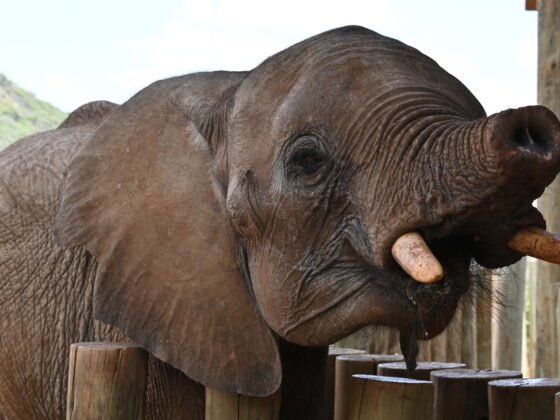
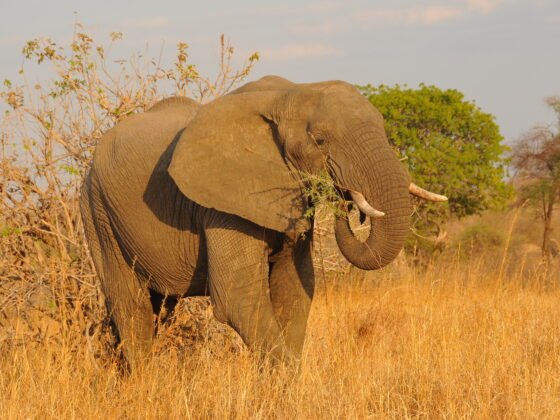
Covering over 14,600 square kilometres, Hwange is home to one of the largest elephant populations in Africa—estimated at over 40,000 individuals at certain times of year. Sightings can be spectacular. I have never seen so many elephants in and around camp as when I was staying in Hwange.
Once a royal hunting ground, Hwange was declared a national park in 1928 and has since become a stronghold for species like lion, African wild dog, and both roan and sable antelope—Zimbabwe’s national animals.
Hwange is also a conservation success story in progress. Thanks to the efforts of rangers, communities, and conservation NGOs—through initiatives like long-term waterhole management and anti-poaching patrols—wildlife populations are rebounding in areas that were once under pressure. We’ve supported these efforts, including a partnership with Painted Dog Conservation to help remove snares from the buffer zone.
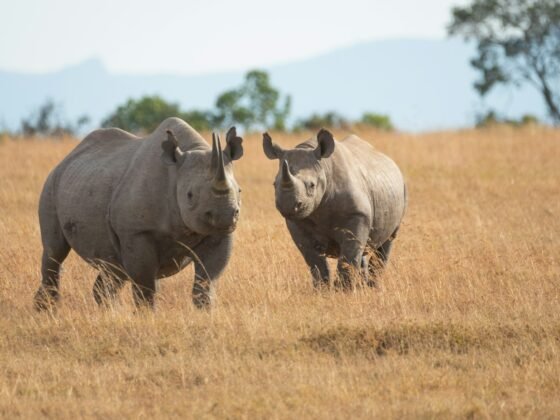
Rhino, absent from Hwange for decades, have recently been reintroduced to protected areas on its periphery through the Community Rhino Conservation Initiative. This collaboration between Imvelo Safari Lodges, local communities, and conservation partners has brought white rhino back to Hwange: Thuza and Kusasa now roam the Ngamo Sanctuary near Camelthorn Lodge, while Mlevu and Asenze have been introduced to the newly established Mlevu Sanctuary. Both sanctuaries sit on the edge of Hwange National Park in the Ngamo Forest buffer zone—a powerful example of conservation and community working hand in hand.

The Layout: Pans, Plains, and Predators
Hwange’s ecosystem is varied. The north and west tend to be more wooded and remote, while the south and central sectors feature open grasslands and ancient fossil riverbeds—known locally as vleis and pans—which attract large concentrations of game during the dry season.
The park’s core is managed by ZimParks, with key access points and large-scale commercial facilities located at:
- Main Camp – Closest to Victoria Falls and the most frequently used entry (Main Gate).
- Sinamatella – Located in the north-central region near Dete; quieter and hillier (Sinamatella Gate or Mbala Gate).
- Robins Camp – In the far northwest; more remote, ideal for self-drivers and longer safaris (Natwich Gate).
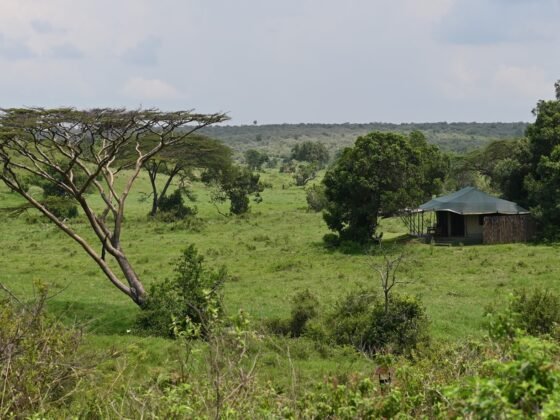
Surrounding the national park is a jigsaw of private concessions and community-run conservancies, especially in the southeast. Here, camps like Linkwasha, Little Makalolo, Somalisa, and Camelthorn operate under lease agreements. Many are located in the Ngamo and Sikumi Forest Reserves, offering access to some of Hwange’s most productive wildlife areas and activities not permitted inside the core park—such as walking safaris and night drives.
When to Go

The best time to visit Hwange is the dry season (June to October), when water is scarce and wildlife gathers at pumped pans and natural waterholes. Visibility is excellent, and game densities are at their peak.
The green season (November to March) brings lush vegetation, migratory birdlife, and the calving season for many herbivores. Roads may be muddy and wildlife more dispersed, but it’s a quieter and more affordable time to travel.
What to See and Do
- Game Drives – Morning and afternoon drives reveal elephants, lions, buffalo, giraffe, and a wide variety of antelope. Cheetah, leopard, and hyena are also seen in certain areas.
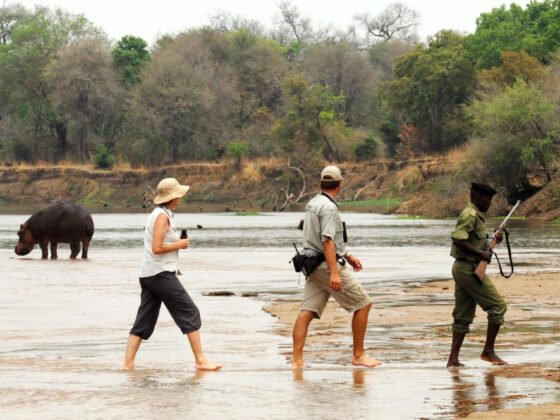
- Walking Safaris – Available in private concessions; walk with expert guides to explore the bush on foot.
- Waterhole Hides – Watch wildlife up close from hides overlooking pans—especially rewarding in the dry season.
- Night Drives – Conducted in private areas; spot nocturnal species like civets, porcupines, owls, and bush babies.
- Birding – With over 400 species, Hwange is a haven for birders. Look for kori bustards, lilac-breasted rollers, martial eagles, and summer migrants.
- Conservation Activities – These are offered by some camps and lodges including the ‘pump run’ to maintain the waterholes, or visits to Painted Dog Conservation or the new rhino santuaries.
What to Combine It With
Hwange pairs beautifully with other highlights across Zimbabwe:
- Victoria Falls – Just a 2–3 hour drive or short flight north; combine safari with one of the world’s most awe-inspiring waterfalls.
- Lake Kariba & Matusadona – For boat safaris, tiger fishing, and wildlife viewing by water.
- Matobo Hills – A spiritual granite wonderland with ancient rock art and the chance to track both black and white rhino on foot.
- Mana Pools National Park – On the Zambezi in the northeast, typically accessed via light aircraft from Hwange or Harare. Known for walking, canoe safaris, and close-up elephant encounters.
Explore Hwange with Purpose
Hwange is one of the Zimbabwe luxury safaris one must experience—it’s a living, working conservation landscape where wildlife and people share space and future. At Explorers Against Extinction, we support conservation efforts across Africa and encourage responsible travel that gives back. Learn more and plan your Zimbabwe journey on our travel pages.