One of the great truths of African travel is that there is always more to discover. Even in countries travellers think they know well, there are quieter corners, different ecosystems and new ways of seeing familiar landscapes. Timing, location and the way you travel can completely change the experience.
Take East Africa, a classic destination, particularly for first time safaris. The Masai Mara is a special place with so much to offer, but there is more to Kenya. Head to the arid north, in the shadow of the Mathews Range, for dramatic scenery and the chance to experience the Samburu ‘singing wells’, or travel southeast to the picturesque Chyulu Hills, with ancient lava fields and super tuskers. These less visited regions often reveal a different rhythm of safari life, shaped by seasonality, community conservancies and a strong sense of place.
In Tanzania, the southern parks of Nyerere and Ruaha offer vast wilderness without the crowds and a completely different feel to the more popular Northern Circuit. Places such as the Mwiba Game Reserve, in the southern Serengeti ecosystem, provide space to breathe away from the noise of the national park, and offer a more secluded safari experience overall, while still remaining connected to one of Africa’s most famous wildlife landscapes.
Space and exclusivity is the ultimate luxury in this landscape, and these places do often come with a higher price tag as a result, or a more challenging journey to get there.
For those who have travelled to Africa before and are looking for destinations with another layer, then these suggestions may spark your curiosity.
Western Zambia
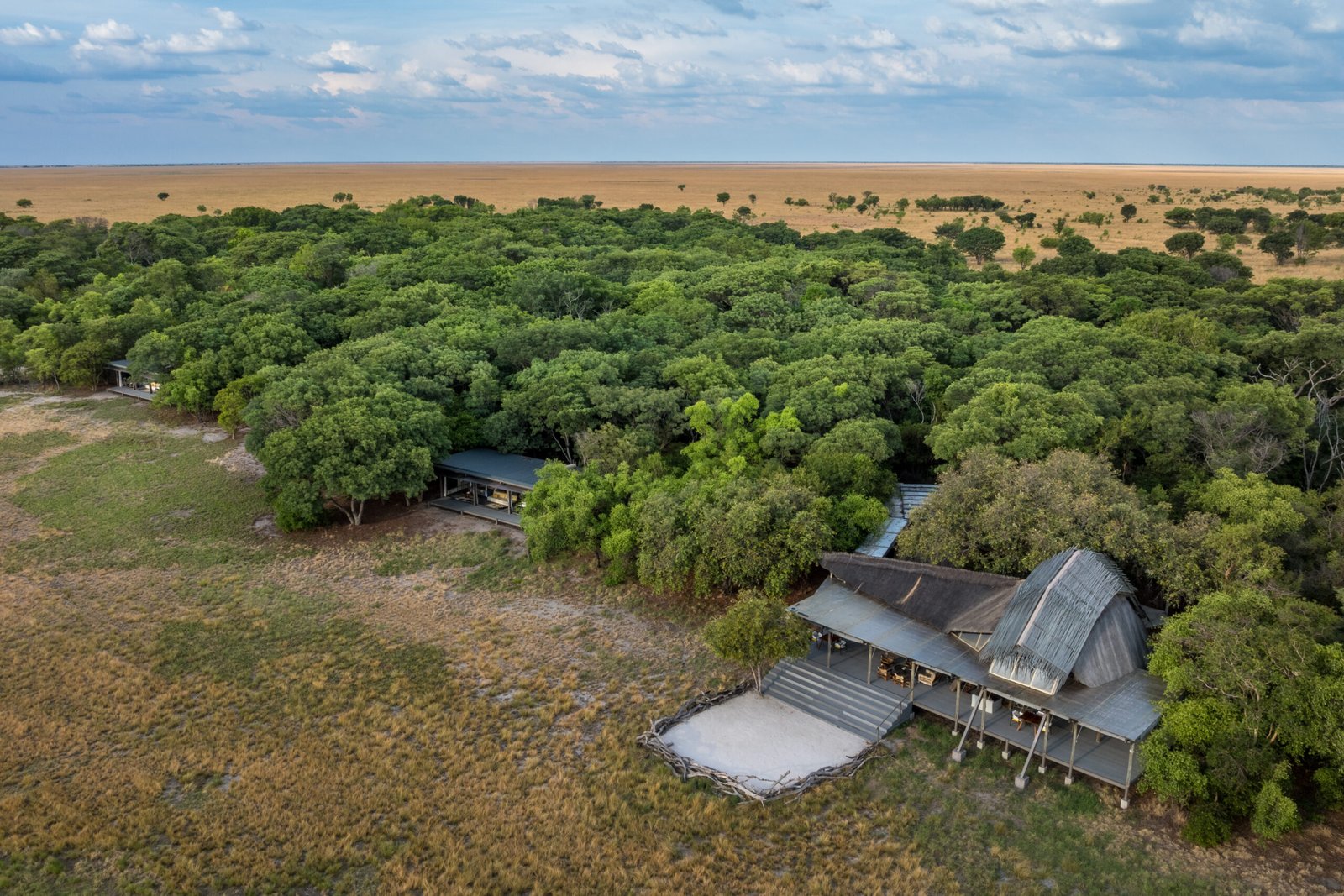
Western Zambia remains one of southern Africa’s quiet success stories, defined by scale, seasonality and a powerful sense of space. In Liuwa Plain, vast grasslands and seasonal floodplains shape the experience, with wildlife movements closely tied to water levels, particularly in November and December. This is a place where patience and timing are rewarded, and where the landscape often feels as important as the animals themselves.
Kafue National Park offers something very different. One of Africa’s largest protected areas, it combines riverine habitats, woodland and open plains, with excellent opportunities for game drives, walking and varied game viewing throughout the dry season from June-July to October. The sheer size of the park allows for a sense of exploration that is increasingly rare.
While Liuwa and Kafue peak at different times of year, together they showcase the diversity of western Zambia and reward travellers who value atmosphere, flexibility and time spent immersed in a landscape.
You may also be interested in our guide to North Luangwa.
Southern Zimbabwe: Gonarezhou, Matobo and Great Zimbabwe
In southern Zimbabwe, safari becomes part of a broader story. Gonarezhou National Park is one of the country’s wildest and least visited landscapes, vast, rugged and deeply atmospheric, with a conservation led recovery quietly gaining momentum.
Pairing Gonarezhou with the granite hills of Matobo adds cultural depth through ancient rock art and a strong sense of human continuity. A visit to the ruins of Great Zimbabwe brings historical context rarely encountered on safari. Together, these places create a journey shaped as much by history and culture as by wildlife, appealing to travellers who want to understand a place rather than simply pass through it.
You may also be interested in our guide to Mana Pools.
Rwanda Beyond the Obvious
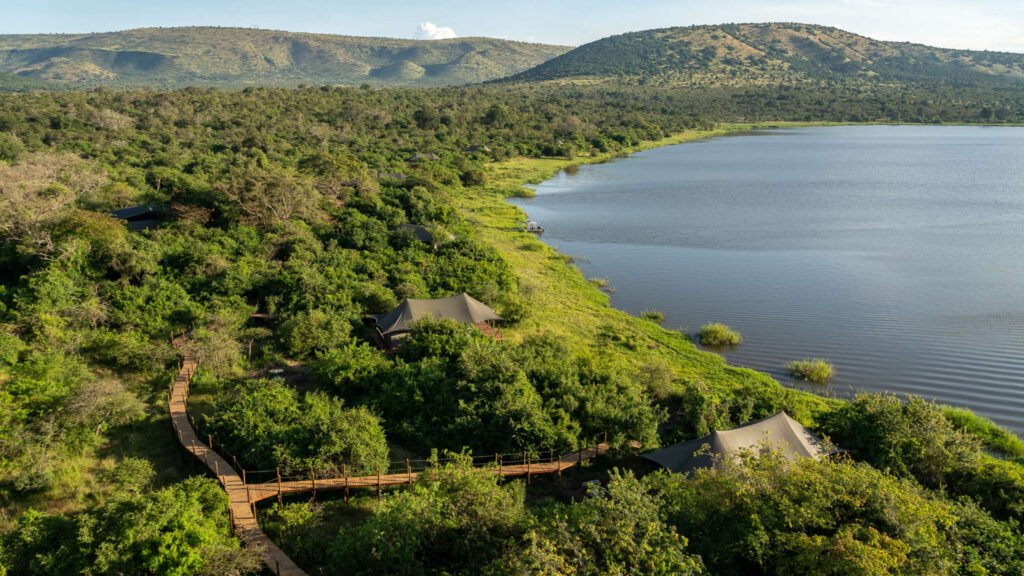
Rwanda is often defined by its mountain gorillas, but the country offers a far broader and more nuanced experience. Akagera National Park tells one of Africa’s most compelling conservation recovery stories, with lions and rhinos reintroduced to a mosaic of savannah, lakes and woodland in the east of the country.
In the south west, Nyungwe Forest National Park adds a very different dimension. This vast montane rainforest is one of Africa’s most important primate strongholds, home to chimpanzees, colobus monkeys and exceptional birdlife. Forest walks and canopy trails feel immersive and elemental, offering a quieter and more contemplative counterpoint to savannah safaris.
What makes Rwanda particularly appealing is how easily these experiences fit together. Distances are short, conservation underpins every visit, and thoughtful planning allows travellers to move seamlessly between habitats. For those willing to look beyond a single headline experience, Rwanda delivers depth, variety and a strong sense of purpose.
Western Tanzania
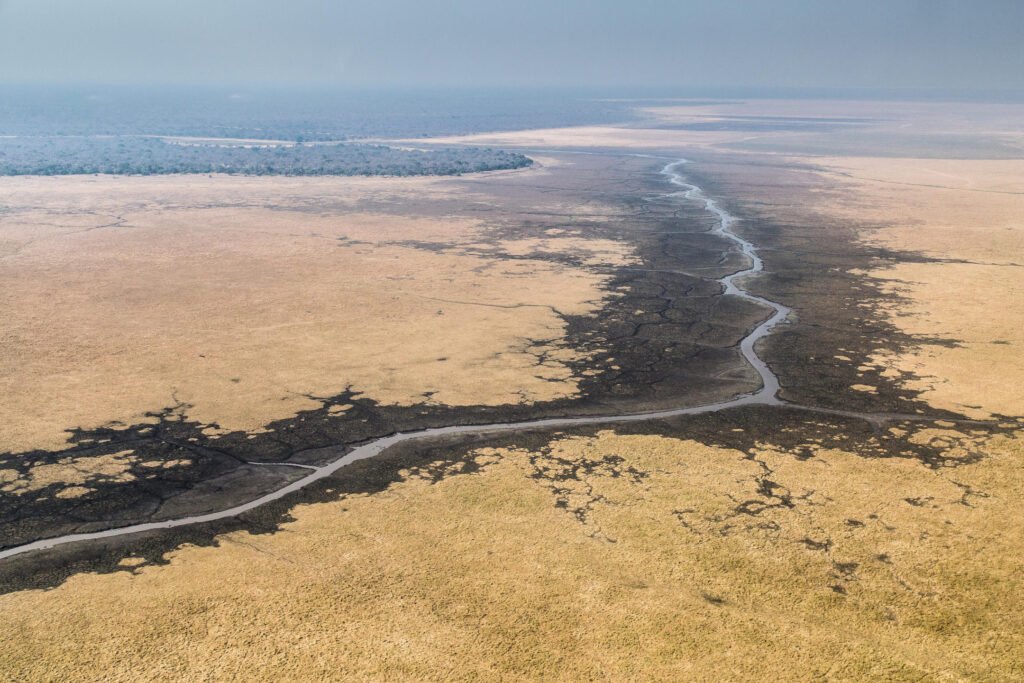
Western Tanzania is not an easy destination to reach, and that is precisely why it appeals to travellers who already know Africa well.
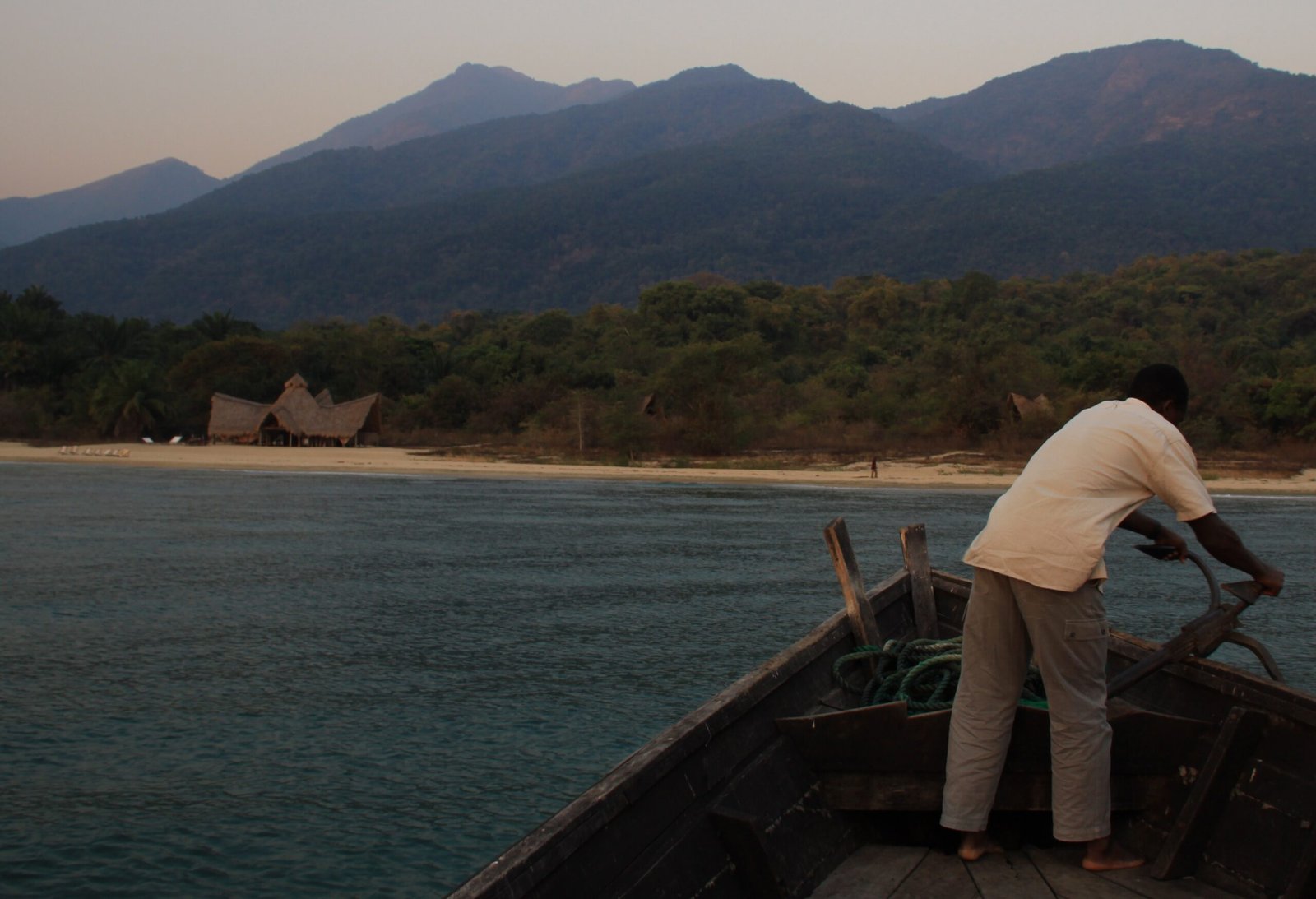
Katavi’s floodplains and Mahale’s forested shores feel far removed from the northern circuit, offering a safari rhythm that is slower, wilder and more immersive. Travel here is shaped by logistics, seasonality and a genuine sense of remoteness, factors that contribute strongly to the overall experience.
Whether tracking chimpanzees through the Mahale Mountains or watching intense predator activity along Katavi’s shrinking rivers, western Tanzania delivers raw intensity without crowds, and a strong sense of having truly travelled.
You may also be interested in our guide to Southern Tanzania.
Choosing the Next Safari
Africa is vast, varied and endlessly rewarding. These destinations are simply examples of places that offer something different for travellers who already know the continent well. It is not a definitive list!
The next safari is less about where you go, and more about how deeply you choose to travel.
All bookings support Explorers Against Extinction at no additional cost to you.
Image: Mahale Mountains