
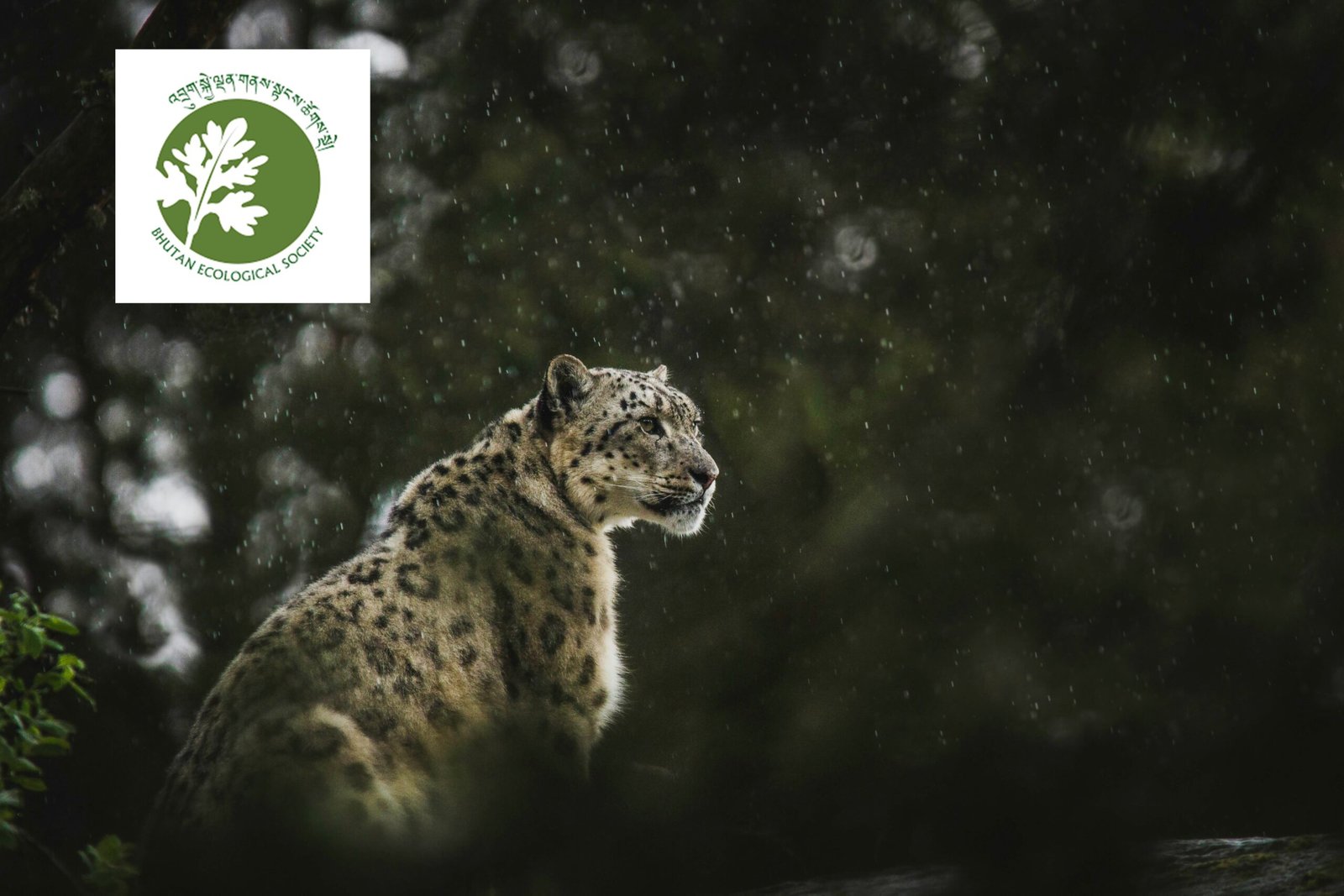
Project: Monitoring Mountain Mammalian Diversity in Bhutan
2026 Project Partners: Bhutan Ecological Society (BES) & School for Field Studies (SFS)
The Bhutan Ecological Society and School for Field Studies are conservation and research organisations working across Bhutan to protect biodiversity, strengthen ecological knowledge and support long-term wildlife monitoring in the Himalayas.
Donate or Set up a Fundraising Page to support this project here.
Bhutan Ecological Society (BES) & School for Field Studies (SFS)
The Bhutan Ecological Society and the School for Field Studies work together to advance conservation, ecological research and environmental education across Bhutan. Through partnerships with government agencies, protected areas and local communities, they help generate the scientific knowledge needed to protect one of the world’s most important mountain ecosystems.
In 2026, Explorers Against Extinction began supporting their flagship Monitoring Mountain Mammalian Diversity (M3D) project in western Bhutan.
Why Bhutan Matters
Nestled within the Eastern Himalayas biodiversity hotspot, Bhutan is widely regarded as one of the world’s great conservation success stories.
Despite covering less than 40,000 km², the country retains approximately 70% forest cover and more than half its land area is protected through national parks, biological corridors and conservation areas. It is also one of the few carbon-negative countries on Earth.
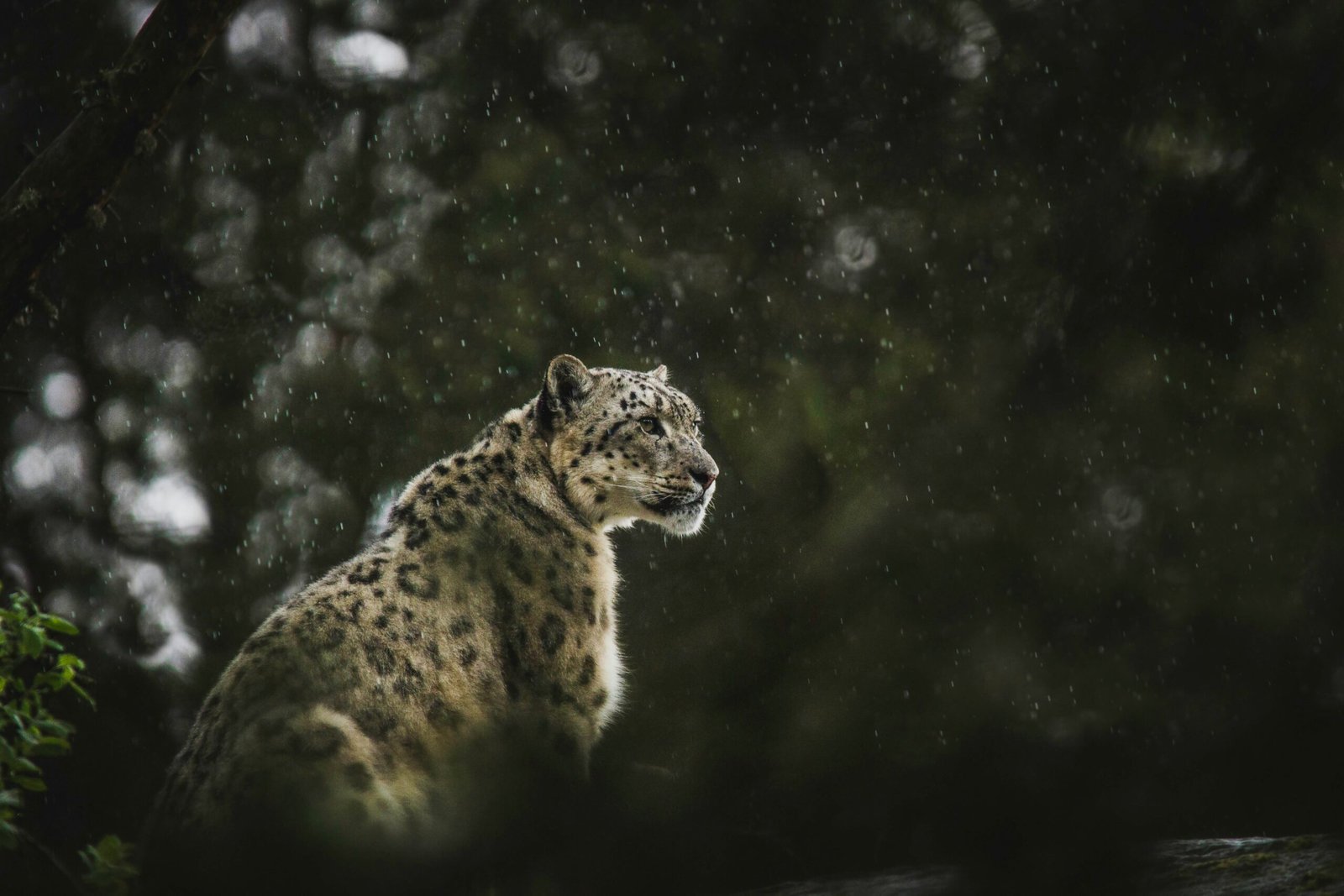
Perhaps most remarkably, Bhutan is the only country where tigers and snow leopards are known to occur within the same connected landscape.
The country’s mountains support an extraordinary diversity of wildlife, including:
- Tiger, Snow leopard, Common leopard, Clouded leopard, Asiatic golden cat, Marbled cat, Leopard cat, Red panda, Himalayan black bear, Dhole (Asian wild dog), Takin, Blue sheep, Goral, Serow
Scientists estimate that Bhutan is home to around 30% of the world’s wild cat species, making it one of the most important landscapes on Earth for mammal conservation.
The Challenge
Despite Bhutan’s reputation as a conservation leader, surprisingly little is known about how mammals are distributed across its mountain ecosystems.
The Himalayas are warming around three times faster than the global average. As temperatures rise, many species are expected to move to higher elevations in search of suitable habitat. Eventually, some may simply run out of mountain.
Without reliable baseline data, conservationists cannot answer critical questions:
- Where do tigers still occur in western Bhutan?
- How are snow leopards responding to climate change?
- Which habitats are most important for red pandas and other threatened species?
- Where are human-wildlife conflict hotspots emerging?
- Which areas should be prioritised for future conservation action?
At present, there is no landscape-scale monitoring system capable of answering these questions.
A Natural Laboratory
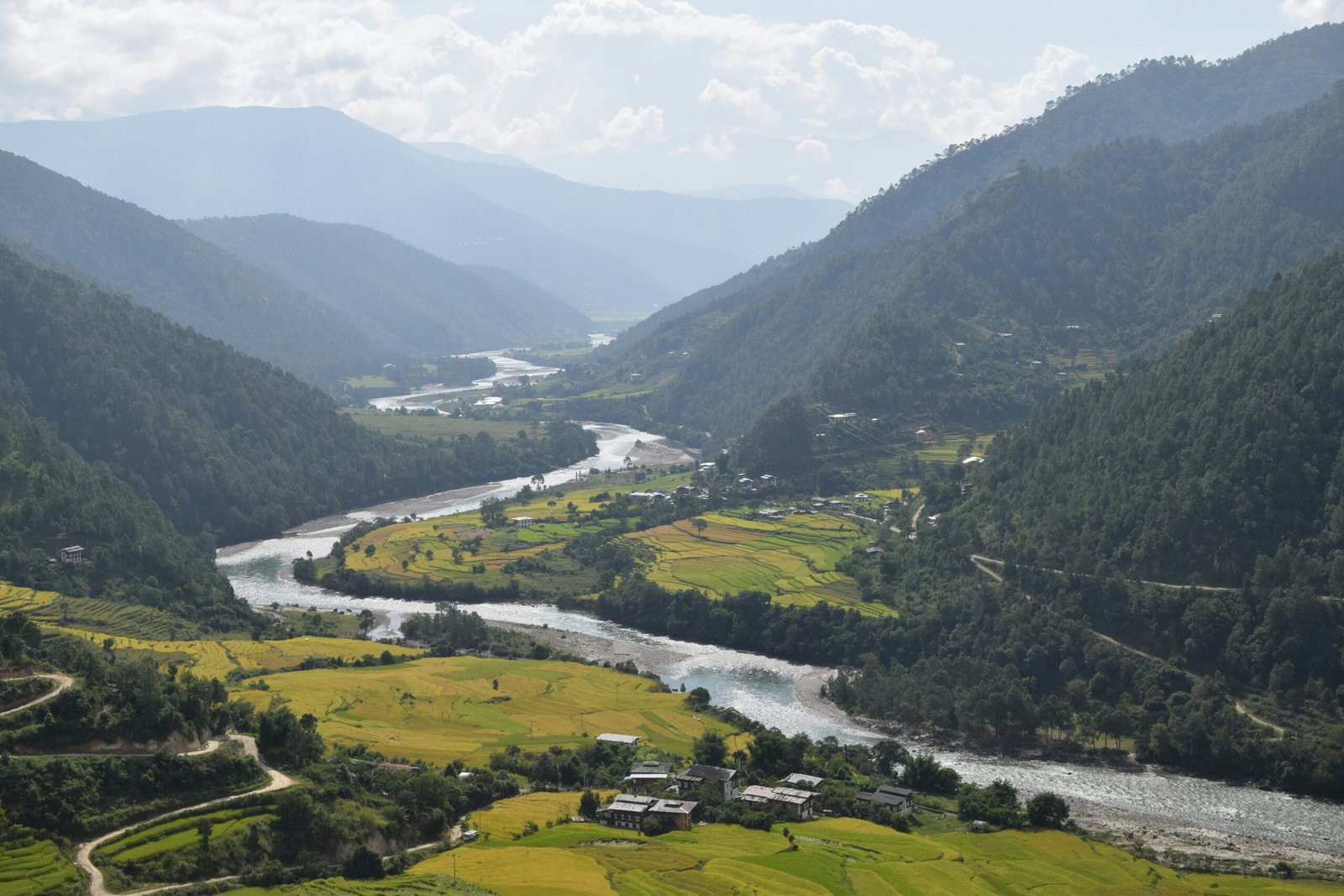
The project focuses on the Paro-Thimphu river basin in western Bhutan.
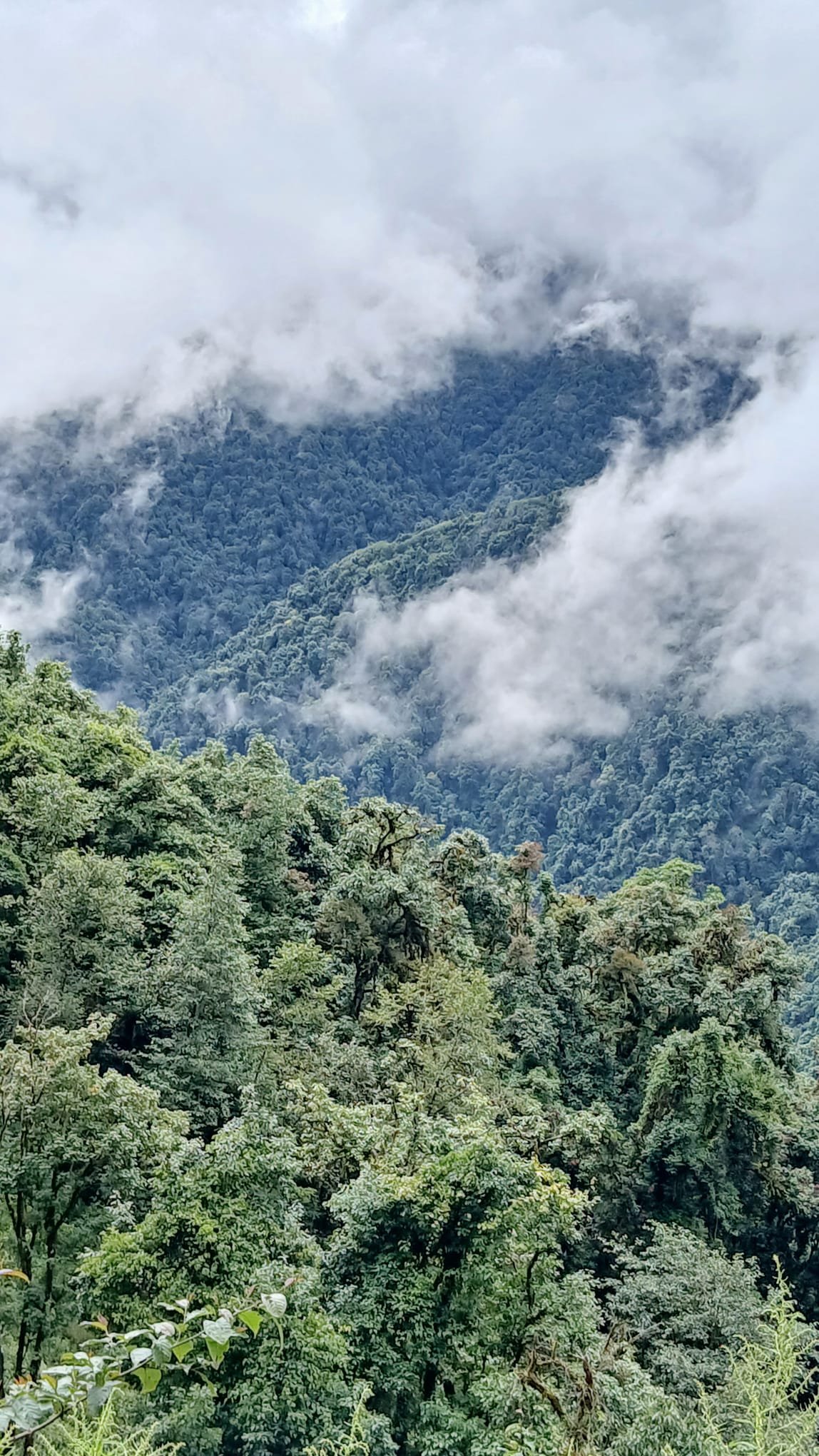
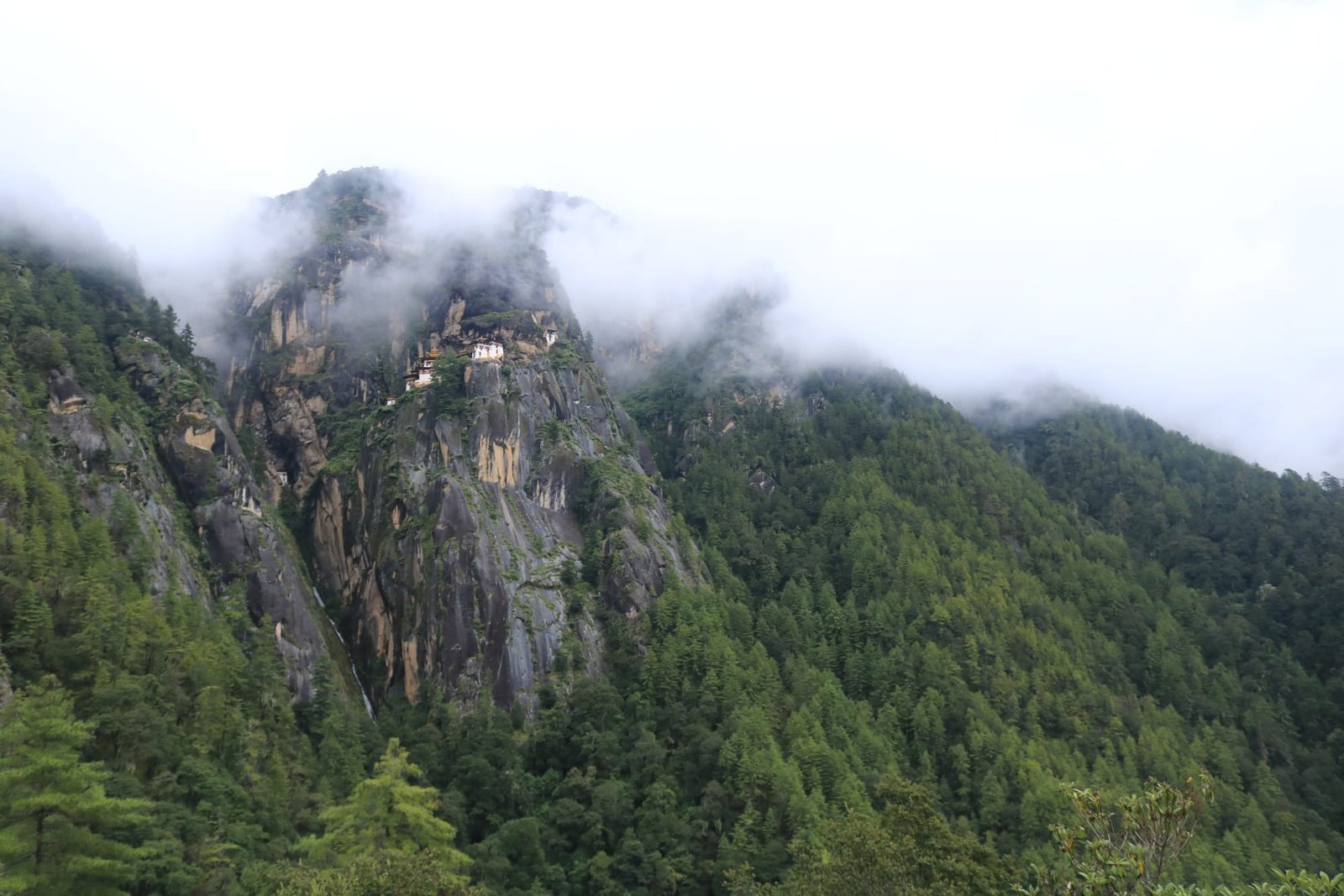
This remarkable landscape spans an elevation range from approximately 250 metres above sea level to over 5,000 metres in the high Himalayas. Within just 120 kilometres, habitats transition from subtropical forests through temperate woodlands and subalpine forests to alpine meadows and snow-covered peaks.
Few places on Earth offer such a complete environmental gradient within a single connected ecosystem.
For scientists, it provides a unique opportunity to study how wildlife responds to altitude, habitat change and a warming climate.
The M3D Project
Monitoring Mountain Mammalian Diversity (M3D) will establish the first landscape-scale camera trap network across the Paro-Thimphu basin.
Building on an initial pilot study that documented 20 mammal species, the project will expand monitoring to approximately 150 camera trap stations covering around 1,500 km² of mountain habitat. Cameras will be deployed across the full elevation gradient, from lowland forests to alpine environments.
Over the three-year project, the team aims to:
- Produce the first comprehensive photographic inventory of mammals across the landscape
- Estimate occupancy and relative abundance for key species
- Map species distributions across different elevation zones
- Identify important wildlife corridors and conflict hotspots
- Assess the vulnerability of Himalayan mammals to climate change
- Develop predictive models of future range shifts
- Establish a long-term monitoring framework for Bhutan
The resulting dataset will provide an invaluable benchmark against which future ecological change can be measured.
Building Local Conservation Capacity
The project is not only about wildlife.
A major component focuses on training Bhutanese conservationists, forest officers and community members in camera trapping, ecological monitoring and data analysis.
Over the course of the project, dozens of participants will gain practical skills that can be applied across Bhutan’s protected area network.
This investment in local expertise will help ensure that monitoring continues long after the initial project has concluded.
Why This Matters
Climate change is transforming mountain ecosystems faster than almost anywhere else on Earth.
For species already adapted to life at high elevations, there may be nowhere left to go.
By creating the first comprehensive baseline for mammal distributions in western Bhutan, the M3D project will help conservationists understand how wildlife is responding to environmental change and identify the areas most important for future protection.
The project will also provide critical information for national conservation strategies, including Bhutan’s tiger and snow leopard action plans, while strengthening local capacity to monitor biodiversity for decades to come.
In a rapidly changing world, understanding what exists today is the first step towards protecting it tomorrow.
How Explorers Against Extinction is Helping
Explorers Against Extinction is supporting the M3D project through a three-year partnership with the Bhutan Ecological Society and School for Field Studies.
Funds raised will help support camera traps and field equipment, monitoring operations, training, data management and climate vulnerability assessments, contributing to the establishment of Bhutan’s first long-term mountain mammal monitoring network. Our fundraising target is $40,000 USD.
The first $10,000 will support the purchase and deployment of camera traps across the region. This initial funding is being supported through the 2 Legs for 4 fundraising challenge taking place this summer, in which conservationist Paul Goldstein will walk 1,000 miles across England in a tiger suit to raise funds for tiger conservation and wider wildlife protection initiatives. Supporters can get involved by joining a walk, donating to the campaign or attending one of the associated events.